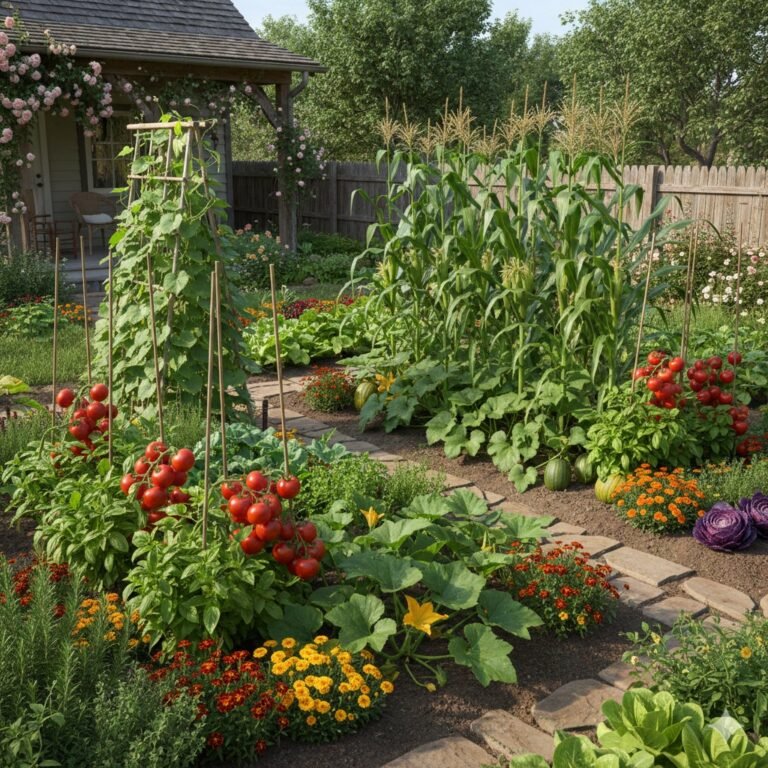

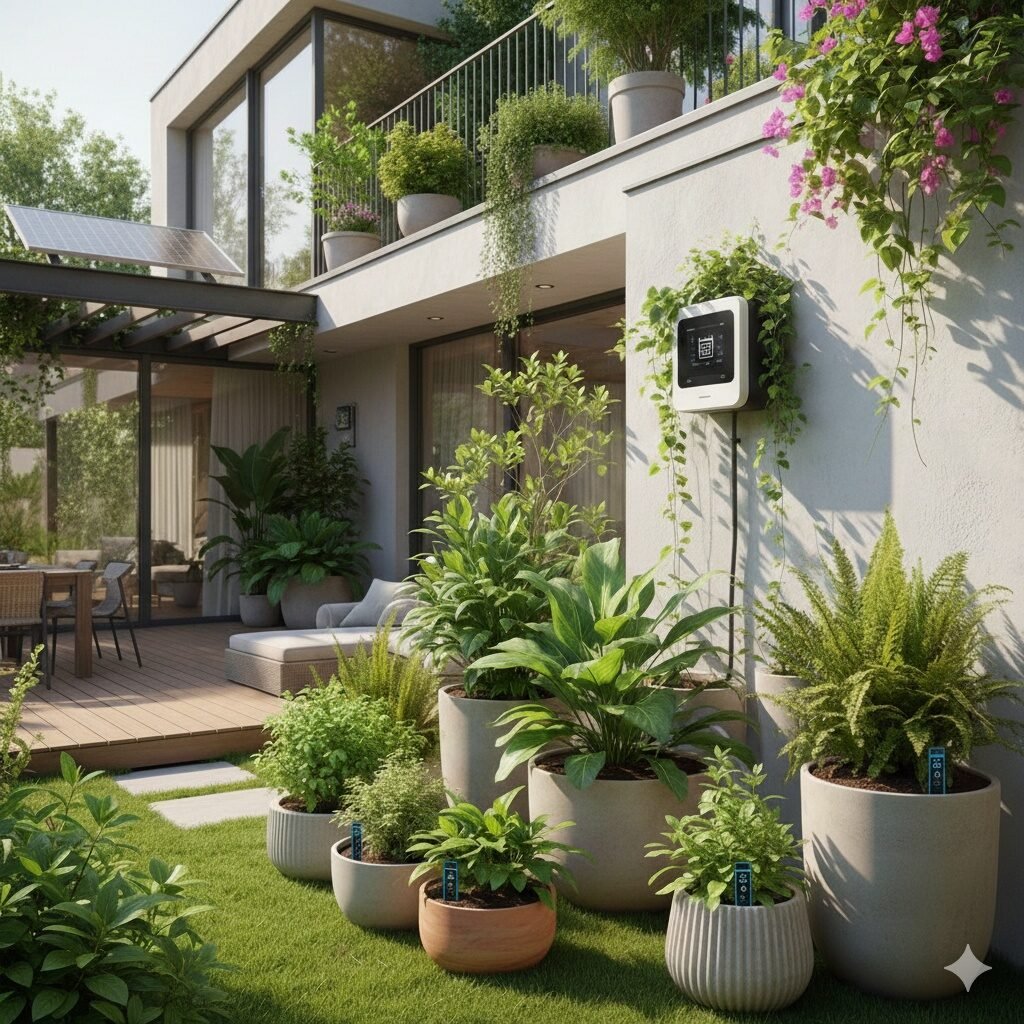
Smart gardening tools are no longer concepts confined to design sketches. They are widely available products that people purchase, install, and use in real gardens, balconies, and indoor spaces.
Home growers increasingly rely on smartphones and compact sensors to support plant care in practical, hands-on ways. This shift is driven by tools that quietly monitor moisture, light, and timing while fitting naturally into daily routines. Gardening still requires physical involvement, but technology now fills gaps where guesswork once led to plant stress or failure. Whether growing herbs, flowers, or lawns, gardeners use focused smart tools designed to perform specific tasks consistently. The goal is not to replace the gardener, but to reduce common mistakes such as overwatering or underwatering.
The Foundation of Smart Gardening
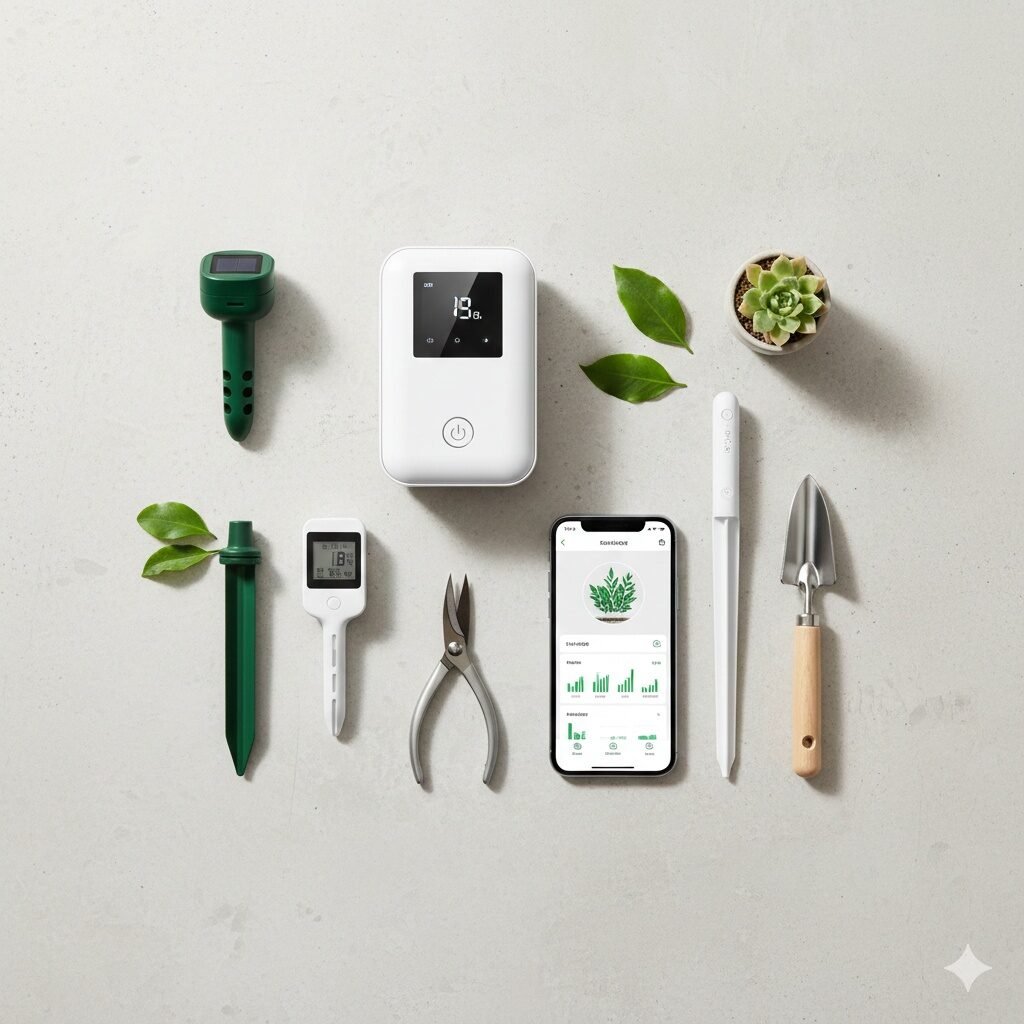
Smart gardening typically begins with sensors and timers connected to mobile applications. These tools are widely available through online retailers and ship like standard home products. Setup usually takes only minutes, after which users gain access to data previously hidden beneath the soil. As a result, plant care becomes more deliberate and less reactive. Many gardeners report that these tools help them recognize patterns rather than respond after problems appear.
I’ve also written an earlier article on this topic—Smart Gardening Tools for 2025: Soil Meters, AI Apps & Garden Sensors—that might catch your interest. You’re welcome to explore it whenever you like.
My Recommendation of Smart Gardening Tools
To make gardening easier, more efficient, and more reliable, I’ve compiled a list of essential smart gardening tools. Each product has been selected for its practical benefits, ease of use, and real-world performance. Below, you’ll find buying tips, why each tool matters, and recommended links to get started. These tools are ideal for home gardeners, apartment growers, and anyone looking to combine technology with hands-on plant care.
| ITEM | WHY IT MATTERS | MY RECOMMENDATION (LINKS) |
|---|---|---|
| Soil Moisture Sensor Buying Tip: Choose a sensor that is waterproof and compatible with your phone app for easy monitoring. | Tracks soil moisture to prevent overwatering or underwatering. Ensures healthier plants and reduces guesswork. | Check price on Amazon |
| Smart Irrigation Controller Buying Tip: Pick a controller that integrates local weather data and supports multiple watering zones. | Automates watering schedules based on weather and soil needs. Saves water, protects roots, and reduces water bills. | Check price on Amazon |
| Robotic Lawn Mower Buying Tip: Consider lawn size and whether GPS or boundary wires suit your property layout. | Cuts grass automatically, maintaining even lawn height with frequent light trimming. Saves time and reduces manual labor. | Check price on Amazon |
| Handheld Electric Pollinator Buying Tip: Look for adjustable vibration settings suitable for different flower sizes. | Replicates bee pollination indoors or in greenhouses. Improves fruit and vegetable yields for crops like tomatoes and peppers. | Check price on Amazon |
| Indoor Hydroponic Garden System Buying Tip: Ensure the system has built-in lighting and adequate water circulation for your plant types. | Grows herbs, greens, and small vegetables indoors without soil. Offers year-round growth and minimal maintenance. | Check price on Amazon |
| Plant Monitoring App with Sensors Buying Tip: Choose apps compatible with multiple sensor types and easy-to-read dashboards. | Provides real-time insights on soil moisture, light, and temperature. Supports data-driven plant care. | Check price on Amazon |
| Smart LED Grow Light Buying Tip: Select full-spectrum LED lights with adjustable height for different plant growth stages. | Optimizes indoor plant growth by simulating natural sunlight. Ideal for low-light rooms or hydroponics. | Check price on Amazon |
| Orbit Motion-Activated Sprinkler Buying Tip: Pick a unit with adjustable range and sensitivity for small or large gardens. | Protects plants from animals using motion detection, water, and sound. Reduces damage from pests naturally. | Check price on Amazon |
| Smart Gardener Planning Calendar Buying Tip: Look for personalized planting schedules and tracking for your zone. | Helps plan vegetable gardens with customized watering and growth tracking. Improves yields and organization. | Check price on Amazon |

Smart Gardening as a Daily Helper
Smart gardening tools integrate smoothly into everyday routines without turning gardens into technical environments. Most devices operate on batteries, Wi-Fi, or Bluetooth already present in homes. Applications guide users step by step with clear interfaces, keeping the learning curve manageable. Gardeners continue to make planting decisions, while technology supports timing and consistency. This balance keeps the experience practical and personal.
Travelers use these tools to maintain plant health while away. Busy households rely on them to avoid irregular watering schedules. Apartment growers benefit from compact indoor systems designed for small spaces. While each setup differs, the shared purpose is consistent and reliable plant care.
Garden Savvy’s GardenAI
Garden Savvy’s Garden AI demonstrates how technology and gardening are coming together. This AI-powered personal gardening assistant provides expert guidance 24/7, answering questions on everything from plant care to common garden pests.
With GardenAI, gardeners receive immediate, personalized advice at their fingertips. Whether you need guidance on the best time to prune roses or how to manage aphids, this innovative chatbot delivers practical, actionable solutions instantly.
Designed for gardeners of all experience levels, Garden AI makes plant care more accessible, informed, and enjoyable.
Download GardenAI:
- iPhone: App Store
- Android: Google Play
Soil Moisture and Plant Sensors
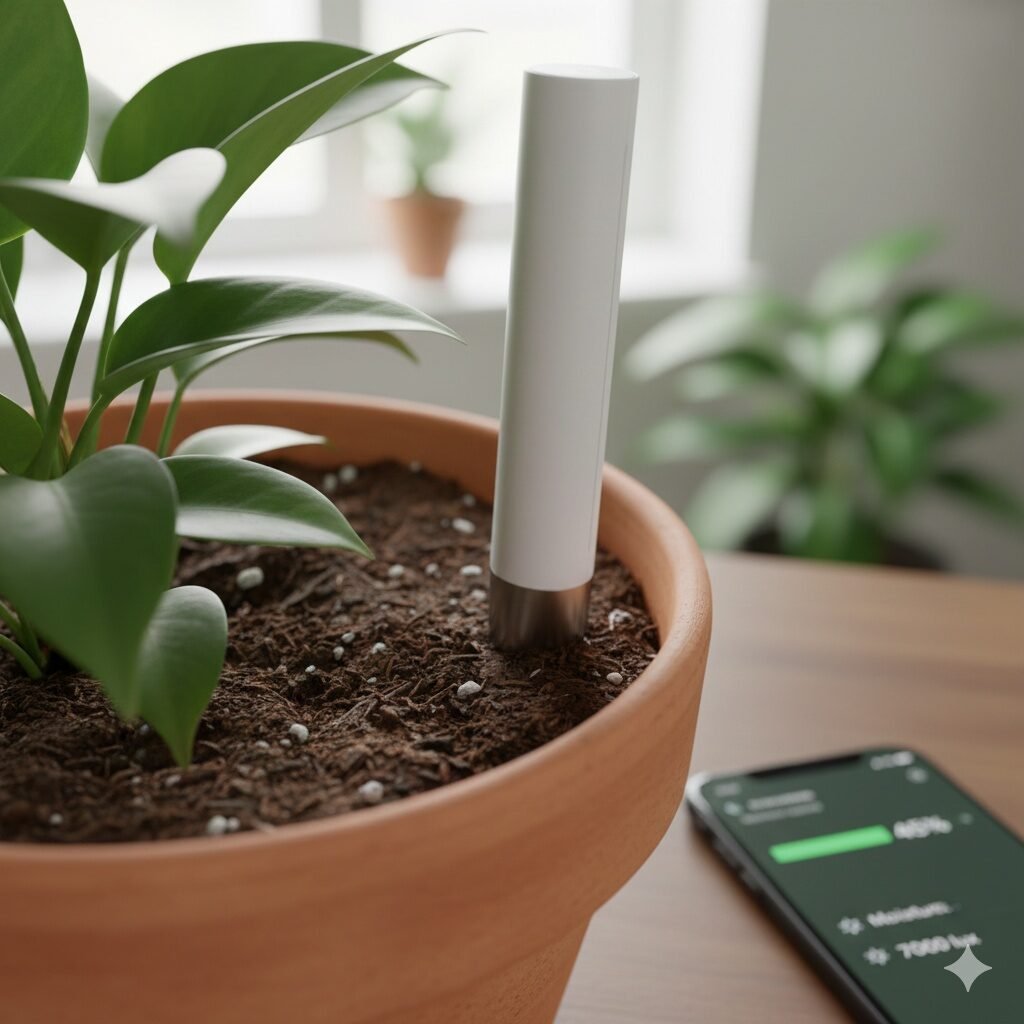
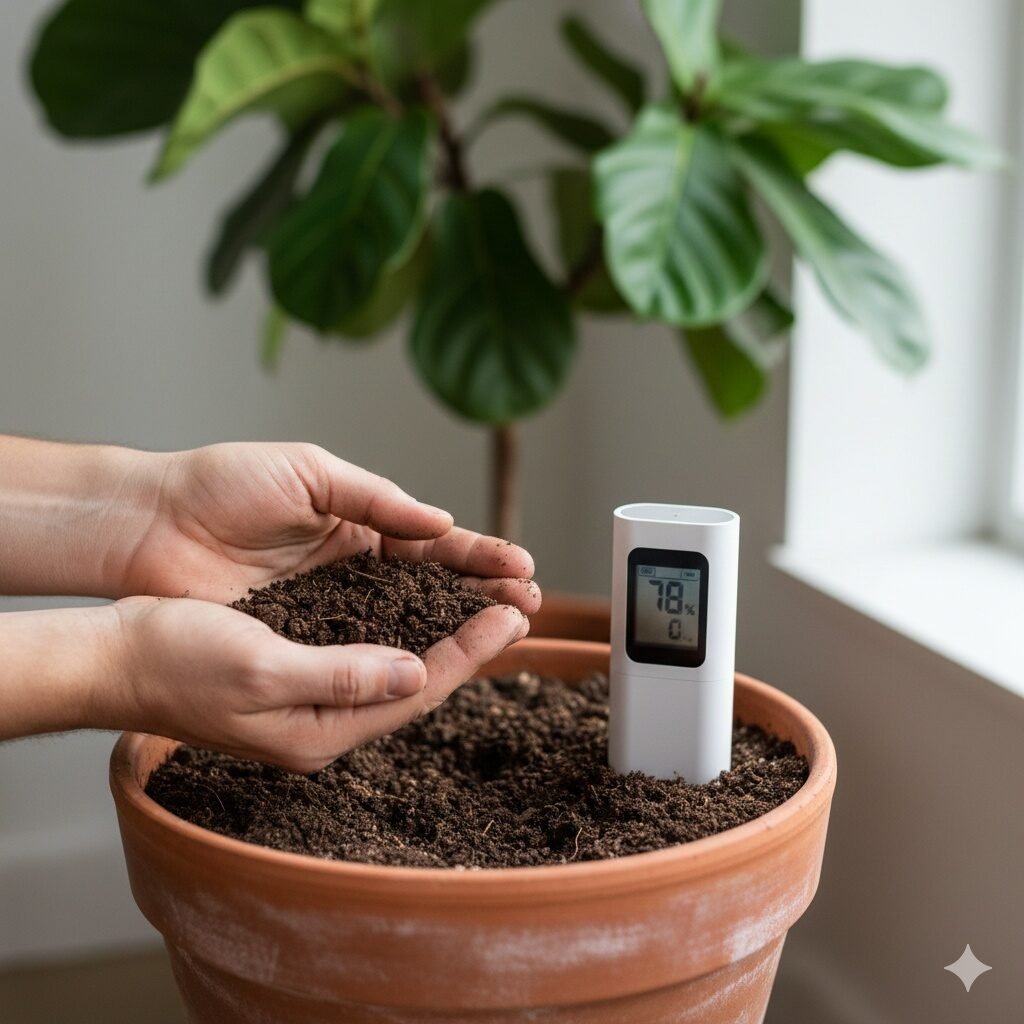
Soil sensors are often the first smart tool gardeners adopt. These devices insert directly into the soil near plant roots and operate quietly. They measure moisture, light exposure, and temperature in real time. Some models also provide basic nutrient trend data. Information is transmitted to mobile apps that display clear, easy-to-read charts.
Products such as the Koubachi Wi-Fi Plant Sensor gained popularity by combining soil data with plant-specific guidance. Users receive alerts when water levels drop or light exposure decreases. More affordable Bluetooth sensors offer similar moisture and temperature monitoring and can be moved between pots as needed.
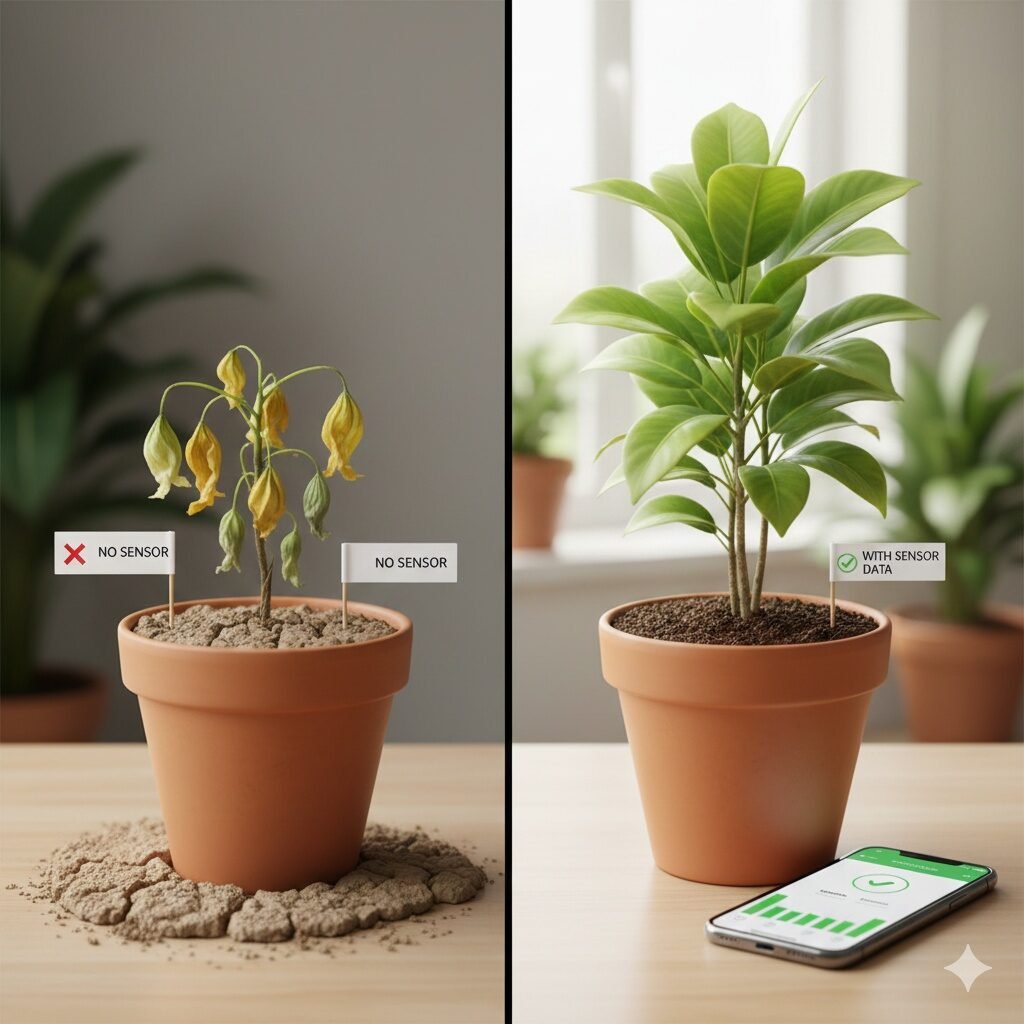
One of the greatest benefits of these sensors is knowing when not to water. Many plants fail due to excessive care rather than neglect. Sensors help prevent this by providing clear, objective feedback, increasing confidence for both new and experienced gardeners.
How Sensors Improve Plant Care
Before sensors, gardeners relied on touch and observation to judge soil moisture. While sometimes effective, this approach often led to inconsistent results. Sensors replace guesswork with measurable data, helping users detect dry cycles earlier.
Over time, gardeners begin to notice seasonal light shifts and watering patterns. Apps automatically log data over days and weeks, enabling better decisions about plant placement, pot size, and care routines. As experience grows, users develop stronger instincts alongside the data.
Smart Irrigation Controllers
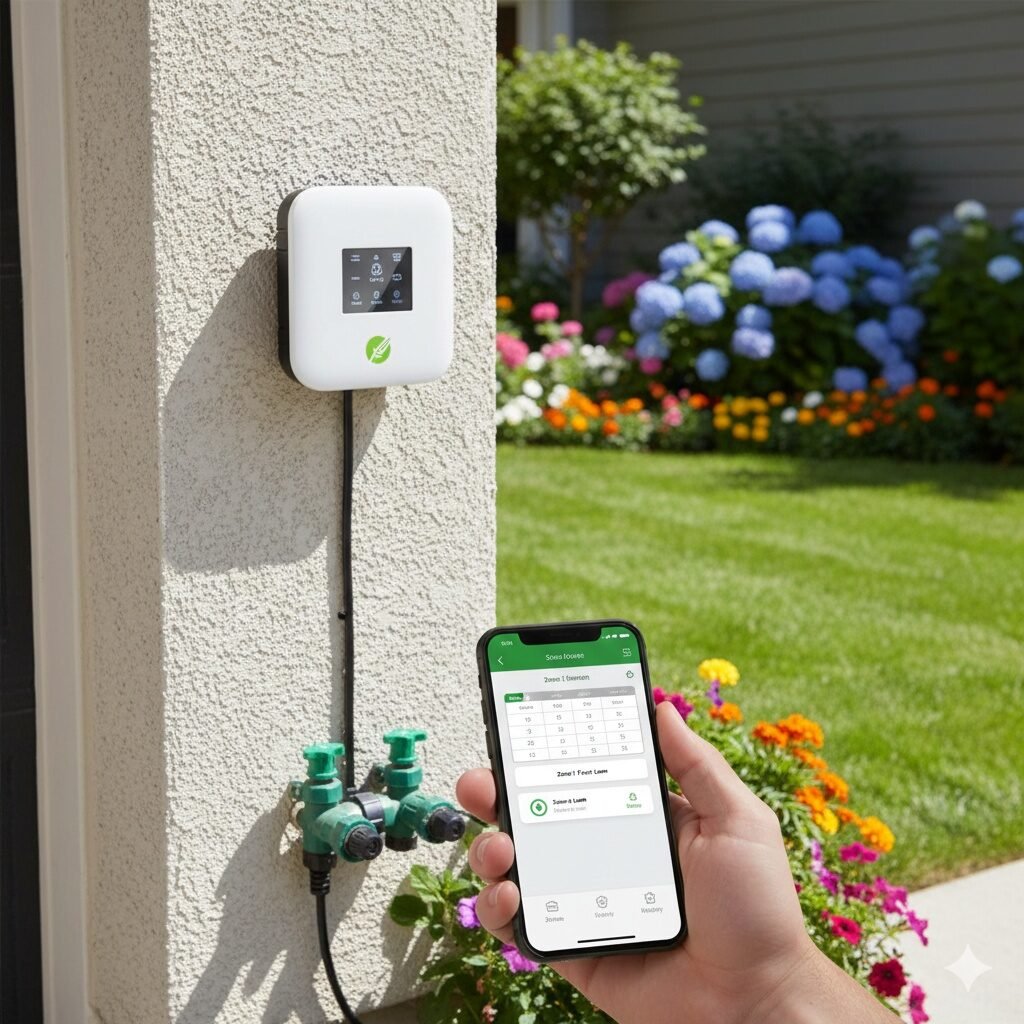
Smart irrigation controllers replace traditional sprinkler timers with connected systems. These units mount near existing irrigation panels and connect to Wi-Fi and weather services during setup. Controllers automatically adjust watering schedules based on rainfall, temperature, and climate conditions.
Rachio Smart Sprinkler Controllers are widely used for residential lawns, allowing users to define zones for grass, garden beds, or shrubs. The system automatically skips watering after rainfall. Orbit B-hyve controllers offer similar functionality at more accessible price points.
These systems reduce water waste without adding effort. Users avoid watering during storms, and many report lower water bills after installation.
Real-World Lawn and Garden Applications
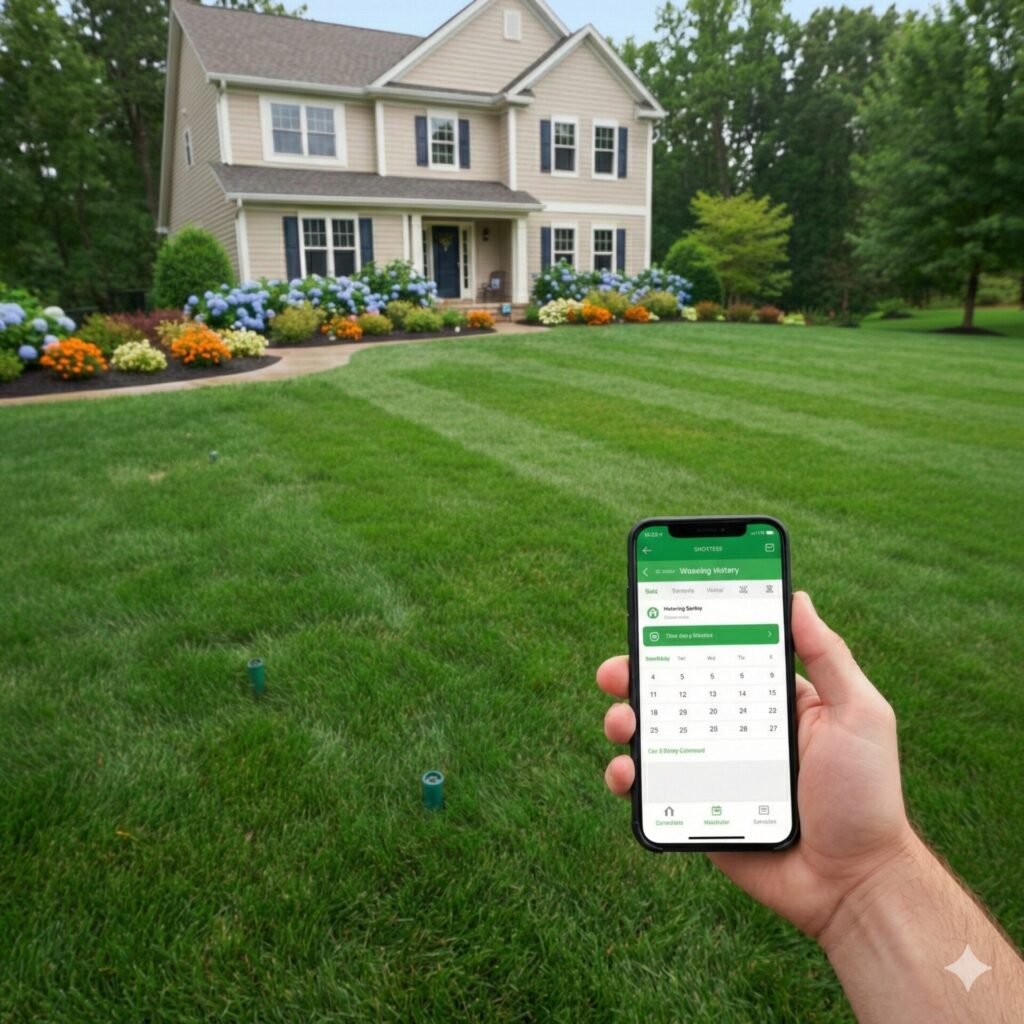
Once installed, homeowners set initial schedules and allow the controller to make ongoing adjustments. Mobile apps display watering logs, helping identify leaks or dry zones. Zones can be fine-tuned digitally rather than manually.
Smart controllers support both lawn sprinklers and drip irrigation systems. Flower beds receive lighter watering than turf, promoting healthier root development over time.
Robotic Lawn Mowers
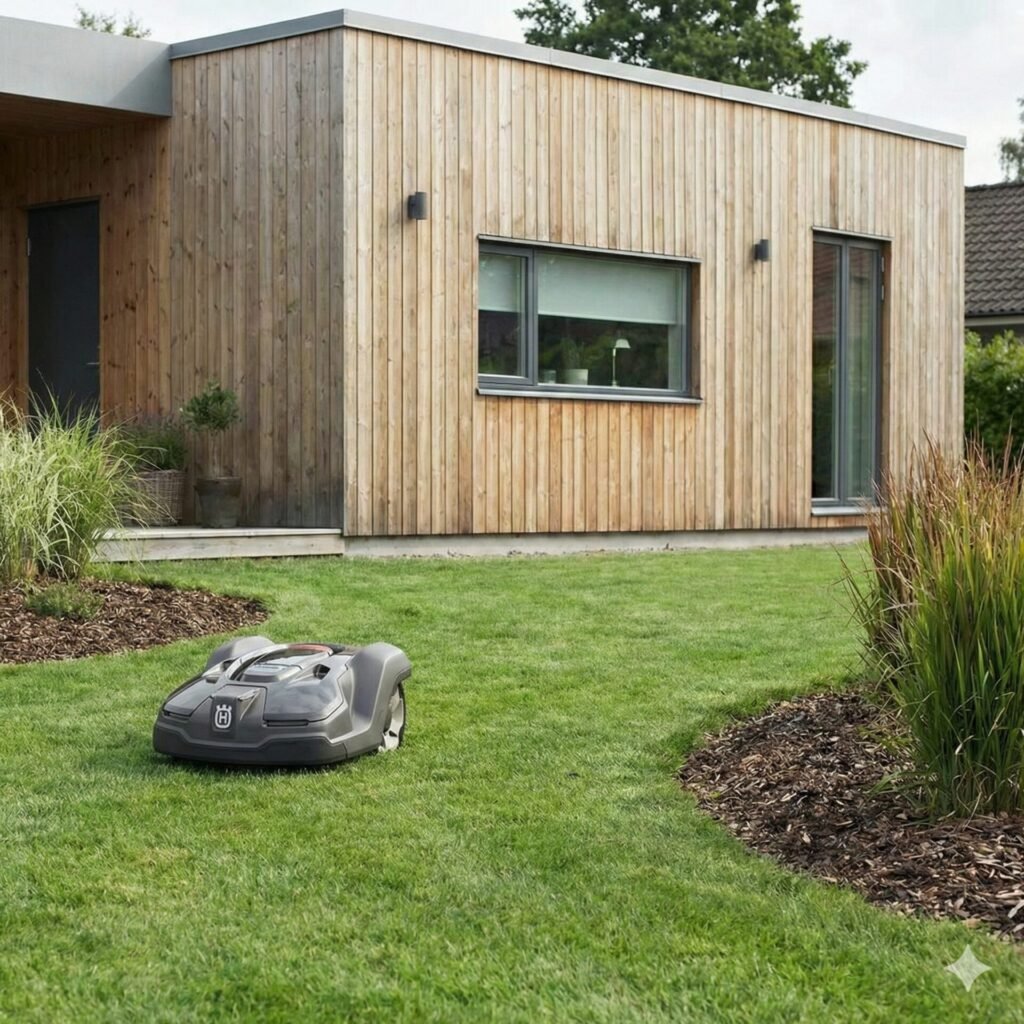
Robotic lawn mowers automate grass cutting using programmed paths or GPS navigation. Users schedule mowing through mobile apps, and the mower operates quietly before returning to its charging dock.
Navimow models rely on GPS instead of boundary wires, while Gardena Sileno City mowers are designed for smaller yards. Husqvarna Automower units accommodate larger properties.
The primary advantage is time savings. Users avoid manual mowing in heat, while lawns remain consistently trimmed through frequent, light cuts.
Handheld Electric Pollinators
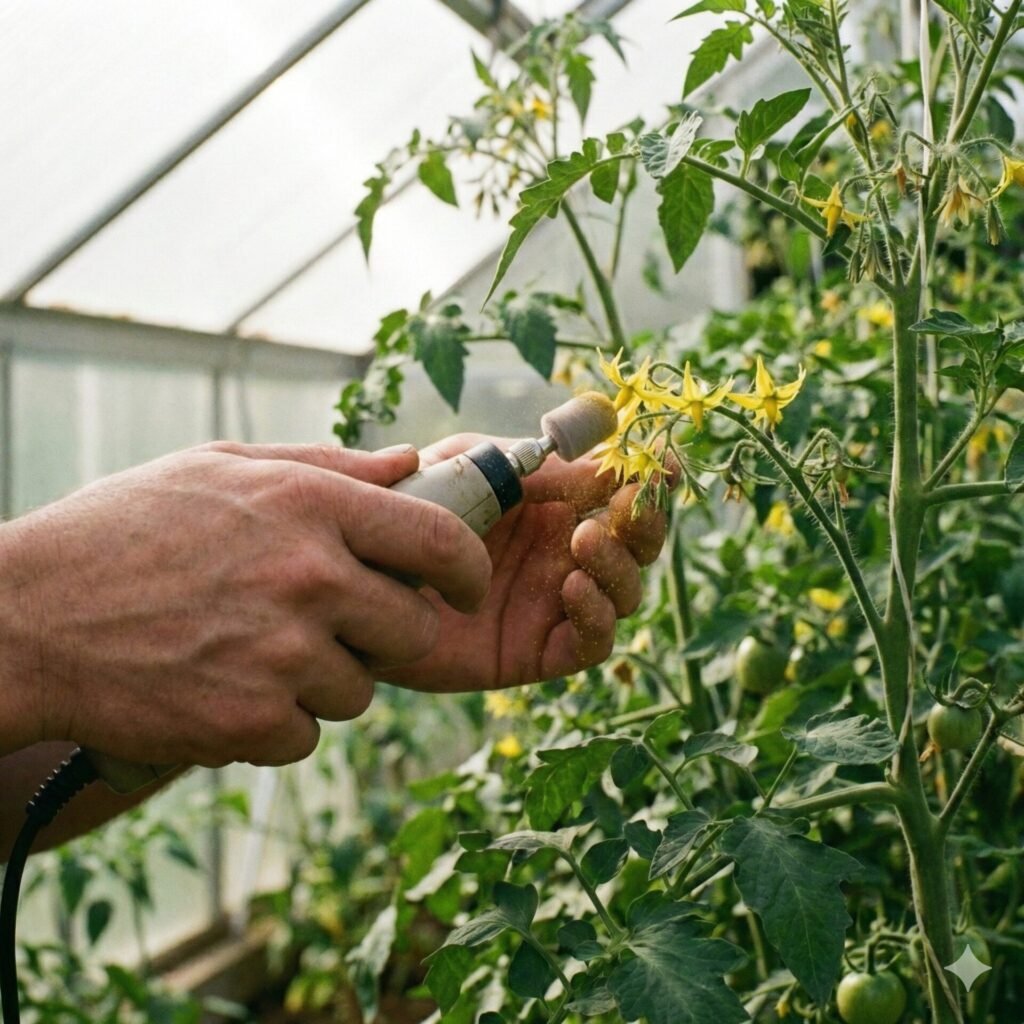
Indoor and greenhouse growers often face reduced pollination due to the absence of insects. Handheld electric pollinators address this challenge directly.
These devices generate high-frequency vibrations that mimic bee wing movement. The vibrations release pollen onto a small collection surface, which can then be transferred manually to other flowers.
Handheld electric pollinators are commonly used for tomatoes, peppers, beans, peas, eggplant, and strawberries. Many users report yield increases of up to 30 percent over time. This tool appeals to growers seeking consistent results without depending on natural pollinators.
Indoor Hydroponic Garden Systems
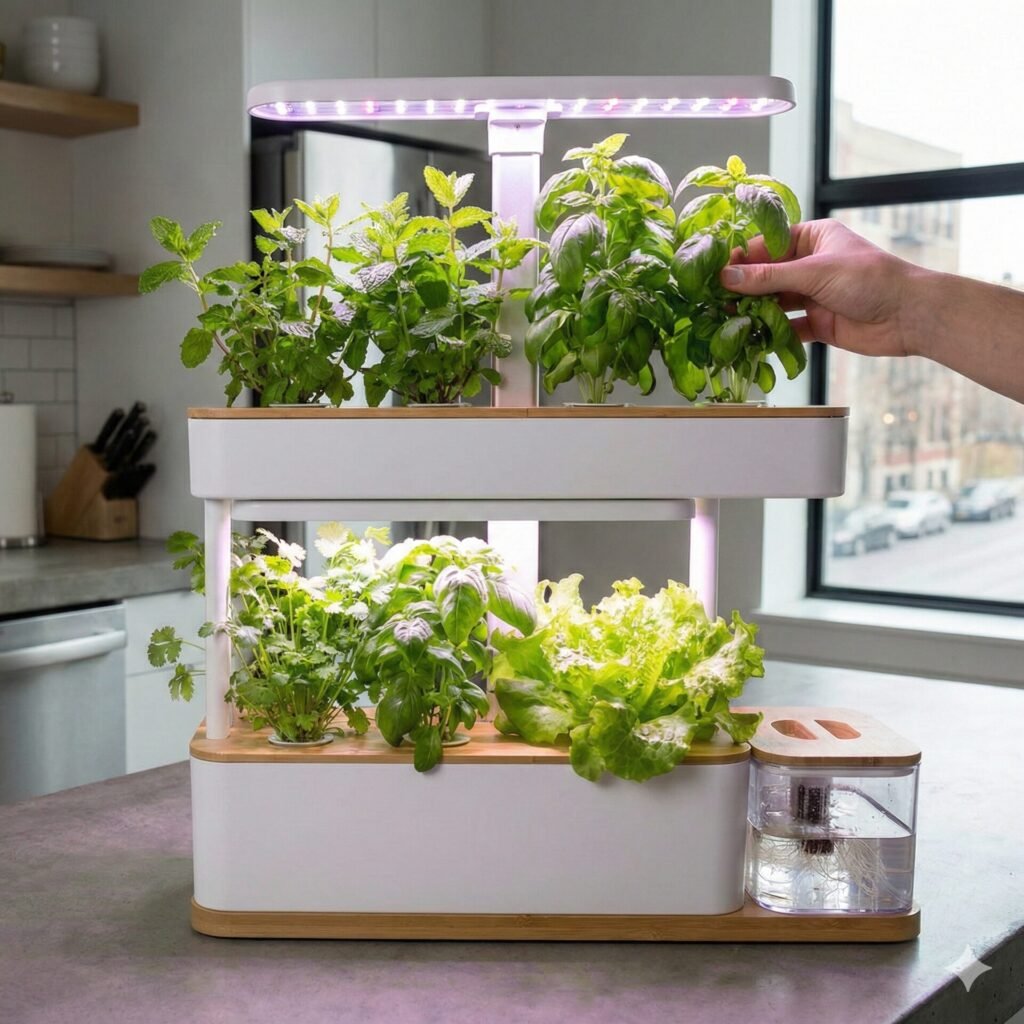
Indoor hydroponic systems are designed for people who want to grow plants without soil or outdoor limitations. These systems cultivate herbs, leafy greens, and small vegetables using water mixed with nutrients. Roots remain in controlled environments where moisture and oxygen stay balanced.
Most systems include a water reservoir, circulation mechanism, and integrated grow lights. The lighting simulates natural daylight cycles, allowing plants to grow steadily even in low-light rooms. Water circulates gently around the roots, providing consistent nourishment.
Maintenance is minimal. Users typically refill water every one to two weeks and add nutrients as directed. There is no digging, weeding, or heavy cleanup.
Hydroponic systems work well in kitchens, apartments, offices, and shared spaces. Common crops include basil, mint, lettuce, and small peppers. Stable indoor conditions allow predictable growth year-round, making these systems suitable for beginners and busy households.
Indoor Growing in Daily Life
Home growers harvest herbs just before cooking, improving flavor without store visits. Children learn about plant growth by observing seeds sprout and mature. The process remains hands-on while avoiding soil mess.
Indoor systems also reduce pest issues common in outdoor gardens. Stable lighting and temperature support consistent results throughout the year.
Other Smart Gardening Tools
Some smart gardening tools do not fit into a single category but still provide practical benefits.
- Orbit Motion-Activated Sprinkler helps deter animals using motion detection, water, and sound.
- SmartGardener assists with vegetable garden planning by providing personalized schedules, planting dates, watering reminders, and community support.
DIY and Community-Built Smart Tools
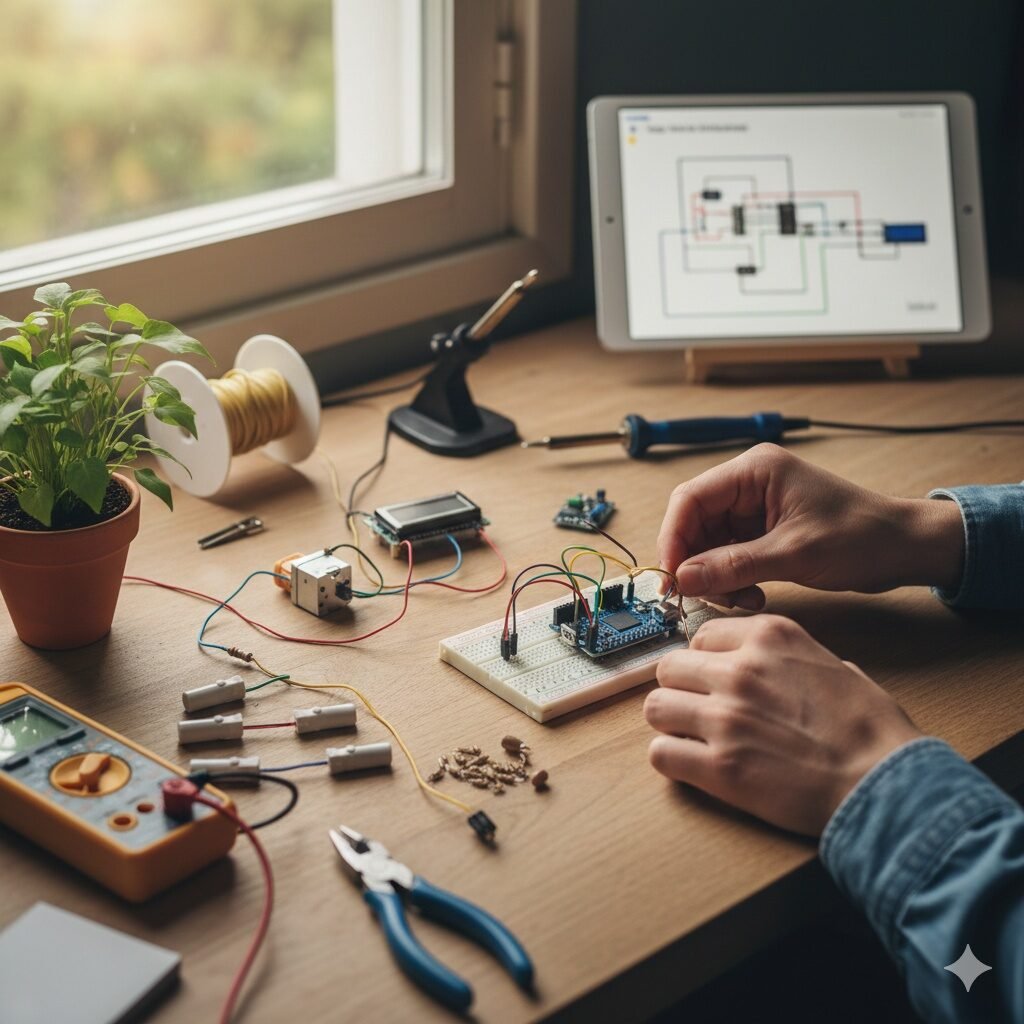
Beyond commercial products, many hobbyists build custom smart gardening tools using open-source hardware and sensors. Solar-powered irrigation systems and DIY monitoring kits are common in online communities. Builders share designs, improvements, and data freely.
Some systems connect to mobile dashboards, while others rely on simple displays. These projects appeal to tech-oriented gardeners and keep costs low through reused components. The movement highlights the adaptability of gardening technology.
Limits and Expectations
Smart gardening tools do not correct poor soil quality or choose appropriate plants for specific climates. Human decisions remain essential. These tools provide guidance rather than control.
Batteries require replacement, and stable internet connections improve functionality. These minor tasks accompany the convenience offered.
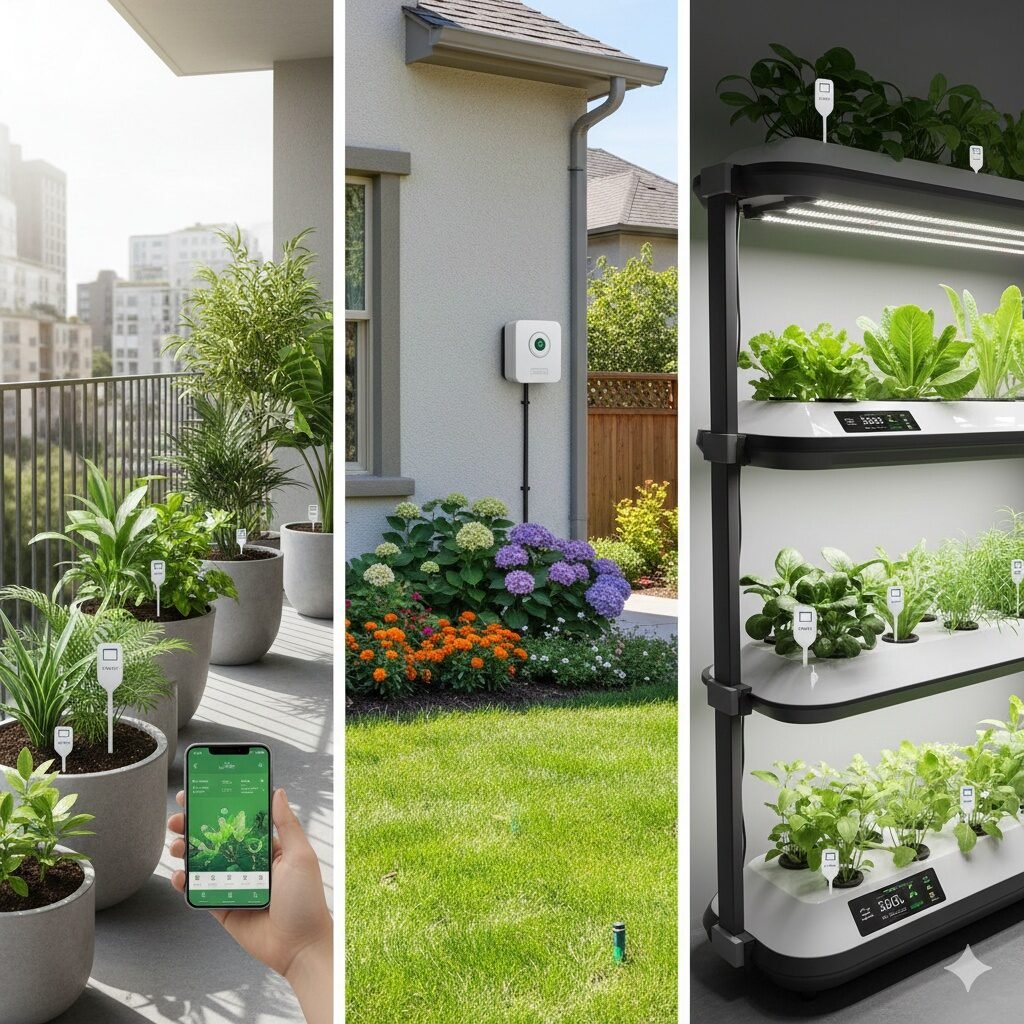
Smart Gardening for Different Spaces
Balconies benefit from moisture sensors and compact indoor systems. Backyards support irrigation controllers and robotic mowers. Community gardens often experiment with shared sensor networks. Renters tend to choose portable devices, while homeowners install permanent systems. This flexibility increases accessibility across different living situations.

Why Gardeners Continue to Adopt Smart Tools
Gardeners value clear data that replaces uncertainty. Confidence improves, plant growth stabilizes, and time savings increase overall enjoyment. Over multiple seasons, users observe trends in moisture and light, gradually strengthening their gardening skills.
Frequently Asked Questions (FAQ)
Are smart gardening tools difficult to set up?
Most tools arrive ready to use, with app-guided setup requiring minimal time.
Do these tools work for beginners?
Yes. Beginners often benefit the most, as apps explain plant needs clearly and reduce common mistakes.
Do smart tools require constant internet access?
Some features rely on Wi-Fi, but many tools continue functioning offline. Bluetooth sensors work locally, and irrigation schedules persist during outages.
Are these tools safe around children and pets?
Most products include safety features. Robotic mowers stop blades when lifted, and indoor systems use enclosed lighting and low heat.
Do smart tools replace traditional gardening skills?
No. They support timing and consistency, while gardeners remain responsible for plant choice and care.
How long do batteries last?
Battery life ranges from several months to over a year, depending on usage. Apps usually provide low-battery alerts.
Are smart tools worth it for small gardens or balconies?
Even a single sensor or indoor system can reduce plant loss, making them cost-effective for small spaces.
Final Thoughts
Smart gardening tools integrate quietly into everyday plant care without changing its essential nature. They provide consistent feedback rather than constant instructions, allowing gardeners to remain in control while making better-informed decisions.
When treated as supportive tools rather than decision-makers, these systems enhance learning over time. As adoption grows, gardens of all sizes benefit from improved timing, efficiency, and care. This steady evolution shows how gardening continues to adapt while remaining grounded in hands-on experience.