


December Garden Jobs:
So, December might look like a sleepy month in the garden — beds bare, frost sitting heavy on the soil, and daylight hours just a little too short for much action. Yet, this time of year is, in some ways, the most strategic period of all. The garden slows down, sure, but that pause gives you a clear chance to look closer at what’s happening beneath the surface.
It’s the perfect moment to dig into three things that, honestly, set the stage for next year’s success: soil care, cover crops, and planning ahead. Focusing on these now means healthier roots, fewer weeds, and smoother planting days once spring rolls around.
If you’ve been wondering what to do in the garden in December before spring, think of this as your year-end checklist — part cleanup, part renewal, and part dreaming for what’s next.

Soil Care in December
Alright, let’s start where everything begins — the soil. December soil care might sound quiet, but it’s one of those background tasks that quietly changes everything. When the ground rests, microbes and worms keep working below the surface, breaking down organic matter and setting up that spring structure we all want.
Clear the old stuff: You’ll want to remove any leftover stalks, leaves, or rotting vegetables that didn’t make it to harvest. This small step keeps overwintering pests and fungal diseases from sticking around for another year. It’s also the perfect moment to spot trouble areas — maybe where water tends to pool or where roots looked weak last season.
Test and tweak your soil: If you haven’t tested your soil yet, now’s a good time. Even a basic pH and nutrient test tells you whether you’ll need lime, compost, or other amendments later. Most gardeners notice their soil tends to compact through the season — so look for spots that might need some fluffing up come spring.
Feed the soil life: Spread a thick layer of compost, aged manure, or chopped leaf mulch over your beds. Worms and microbes will pull all that goodness down as temperatures fluctuate. If you’ve got perennials, mulch around them too, but leave a bit of breathing room around the crowns. You’ll find the following article really helpful — it covers everything about Composting and Soil Care Over the Winter Months. Feel free to check it out!
Protect your structure: Frozen or waterlogged soil is fragile, so avoid walking on beds once winter sets in. If your area tends to get soggy, create temporary paths with boards to spread your weight — it keeps the soil crumbly instead of compacted.
Watch the water flow: Drainage becomes a big deal right now. Clear out blocked gutters or trenches, make sure raised beds aren’t turning into small ponds, and cover anything that doesn’t like freeze-thaw cycles.
By tending to these small things, you’re really preparing the foundation for spring. Healthy, covered soil in winter means fewer weeds, stronger roots, and, frankly, less work down the road. I’d recommend checking out this Epic Gardening article — it’s a great read on how to get your soil ready for spring.
Planting and Managing Cover Crops
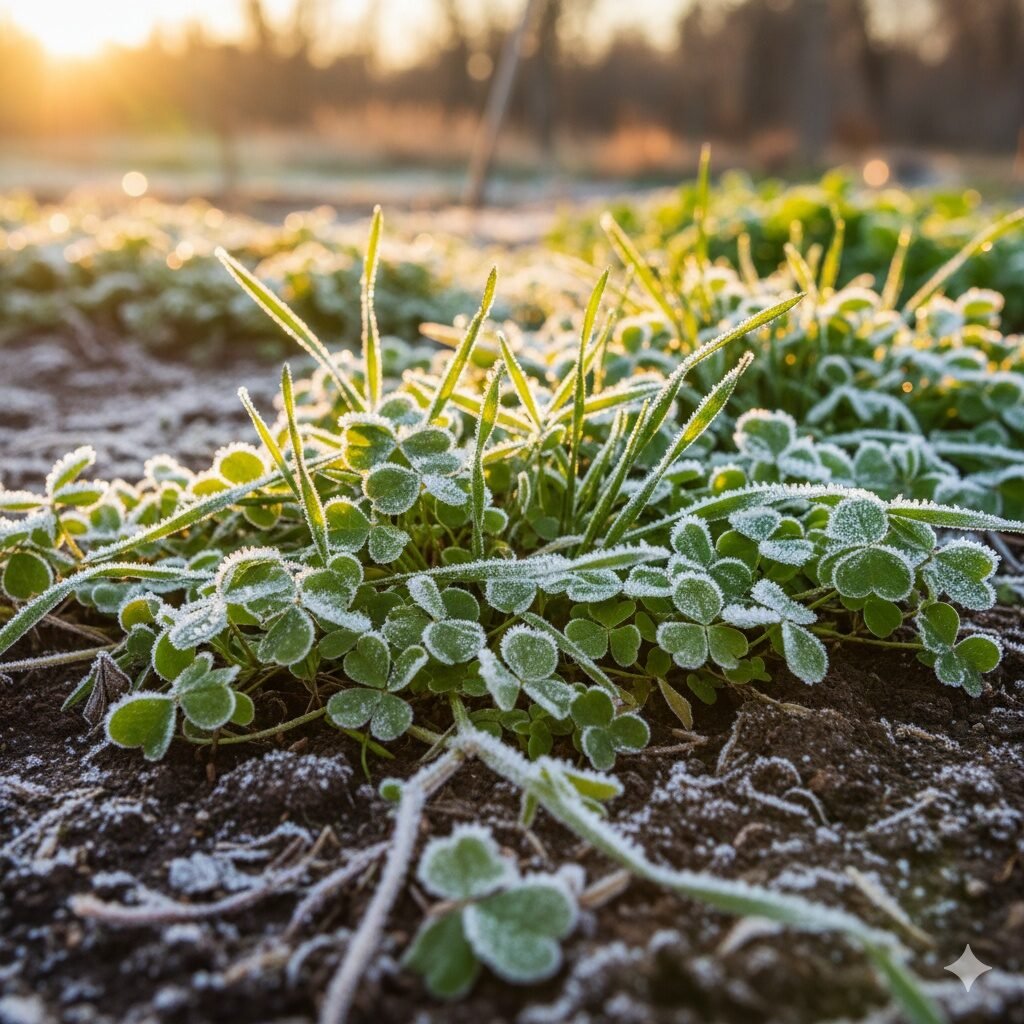
Now, let’s talk about one of those underrated December garden jobs — planting cover crops. Sometimes called “green manure,” cover crops are plants you grow not to harvest, but to feed the soil itself. They help lock in nutrients, stop erosion, and protect your garden from looking like a muddy field all winter.
Why they matter right now: Winter cover crops are like a warm blanket for the soil. They suppress weeds, add organic matter, and, depending on the type, even fix nitrogen — which your future veggies will thank you for. For example, legumes like clover or field peas capture nitrogen from the air, storing it in nodules along their roots.
What to plant: If your ground hasn’t frozen solid yet, you can still sow hardy options like cereal rye, oats, crimson clover, or hairy vetch. Rye does well in most climates and can handle the cold, while oats die back naturally and create a soft mulch layer.
How to sow: The trick is getting the seed in before the ground’s too cold to germinate. Loosen the top inch or two of soil, scatter the seed evenly, then rake it in lightly. Water once, if possible, to help it settle.
Through the winter: Most of these crops don’t need much babysitting. You’ll just want to make sure they’re not smothered under heavy snow or pooling water. Come early spring, you can mow them down or turn them under a few weeks before planting your main crops — that’s when they release all their stored nutrients back into the soil.
It’s worth experimenting a bit. Try mixing something like oats and field peas for a balanced combo — one protects, the other enriches. It’s a simple move that pays off big when everything starts growing again.

Planning for Next Year
Now’s the moment to reflect, plan, and, honestly, dream a little. Garden planning in December is equal parts memory and imagination. It’s quiet enough to think clearly, but close enough to the growing season that your notes still feel fresh.
Look back first: Think about what went right and what flopped. Did the tomatoes crowd the peppers? Were the beans too close to the corn? Write it down now — trust me, by April, you’ll forget those tiny lessons.
Sketch a new layout: Grab a notebook or app and map out your beds. Rotate crops so you’re not growing the same family in the same place year after year; it breaks pest and disease cycles naturally. Leave space for succession planting, or for giving one bed a season off with a cover crop.
Order your seeds early: December is when seed catalogs start rolling in — and they disappear fast. Popular varieties, especially heirlooms, sell out before most people start thinking about them. It’s also fun to try one or two new things each year; maybe a purple carrot or a new lettuce mix.
Check your supplies: Wipe down your tools, oil the handles, and sharpen your pruners. If you’ve got power equipment like mowers or tillers, service them now instead of in the middle of spring madness. Refill your mulch and compost piles if they’re running low.
Mark your dates: Look up your local first and last frost dates and jot them down. Then build a simple sowing calendar based on your climate. Even a rough timeline helps keep you from planting too early or too late next year.
Planning now means fewer surprises later. Plus, it gives you something to look forward to when the garden’s under snow — that sense that new growth is right around the corner.
Bringing It All Together: Your December Garden Jobs Checklist
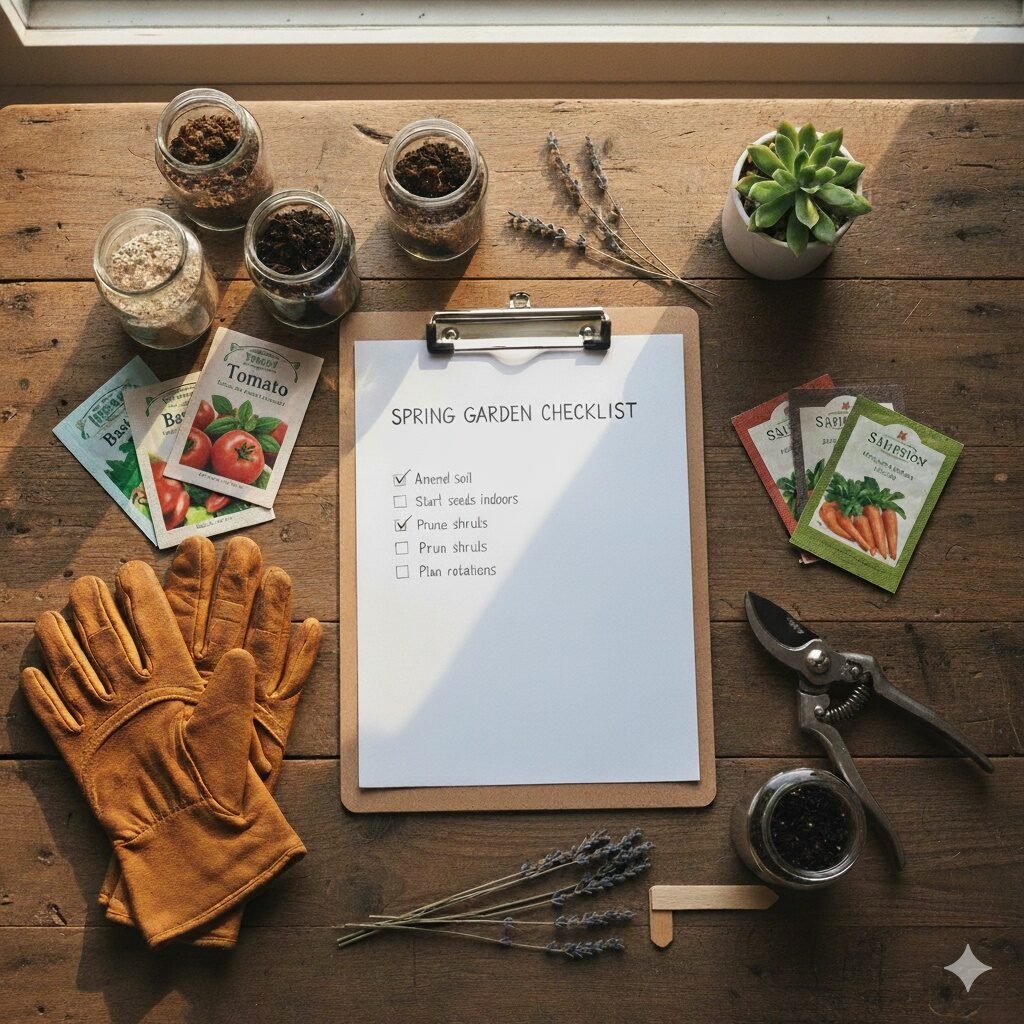
Here’s where it all meets — that mix of soil care, cover crops, and planning that turns a quiet month into something productive. Think of this as your December garden to-do list, short enough to handle over a few weekends, yet big enough to give you a major jump-start next year.
✅ Clear debris and spent plants
✅ Test and amend your soil
✅ Spread compost or mulch on open beds
✅ Identify bare beds and sow a cover crop
✅ Choose hardy cover crop varieties like rye or clover
✅ Protect vulnerable plants and exposed soil
✅ Review this year’s garden performance
✅ Order seeds and supplies early
✅ Service and clean your garden tools
✅ Sketch or update next year’s garden plan
It doesn’t all have to happen at once — maybe you only tick off two or three of these this month. But each one you complete moves your garden closer to that lush, easy-to-manage space you want next season.

Why December Garden Jobs Really Matter
Now that we’ve gone through all the practical stuff, here’s the heart of it — December isn’t “dead garden time.” It’s just quieter. It’s that in-between space where every small action pays off later.
Good soil care keeps your foundation strong. Cover crops lock in nutrients and feed the life underground. Smart planning keeps you from scrambling when the days get longer. Together, these create a rhythm that helps your garden not just survive winter, but get stronger because of it.
So instead of waiting until spring rushes in, start now. Grab a bucket of compost, sketch a new layout, or toss down a few handfuls of rye seed. You’ll thank yourself when the first green shoots push through the warming soil.
In this video, you’ll discover how winter cover crops can recharge your soil, restore nutrients, and protect it from erosion while preparing your beds for a productive spring. Whether you’re growing vegetables, flowers, or fruits, these living blankets of green will ensure your garden wakes up healthier than ever next season.




Pingback: Winter-Sowing Magic: 7 Easy Steps for Spring Veggies