
Why Spring Is the Right Moment to Start an Edible Garden
So, spring, in some respects, feels like the season where gardening finally becomes forgiving again. The soil starts to loosen up, daylight stretches just enough to matter, and temperatures, usually, stop swinging as wildly as they do in late winter. For edible gardening, that shift is a big deal.
Across the USA and Europe, more people are turning to homegrown food, partly for freshness, partly for control, and partly, honestly, for peace of mind. Spring fits neatly into that goal since many vegetables grow well before heat or pests become serious problems. You don’t need advanced tools or deep experience either, which, in a way, lowers the barrier for beginners.
What this guide does is walk you through the best edible spring vegetables, how timing changes depending on where you live, and how to avoid common early-season mistakes. Whether you’re planting in open soil, raised beds, or containers, spring offers a short but generous window to get things growing.
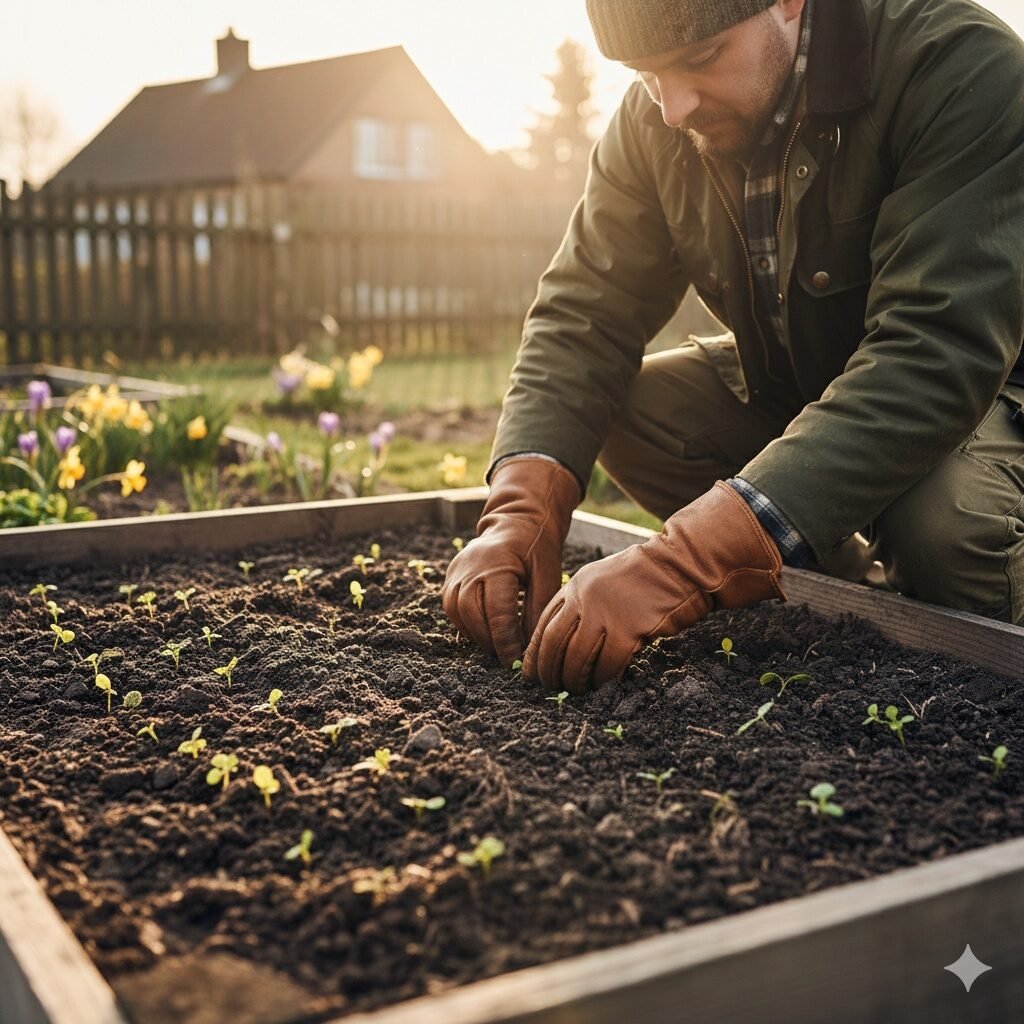
My Recommendations: Tools & Supplies That Actually Help in Spring
So, when it comes to spring gardening gear, more tools do not always mean better results. What usually helps, especially early in the season, are a few well-chosen items that support soil health, protect young plants, and make daily tasks a bit easier. The products listed below are ones that, in practice, tend to matter most during spring planting, whether you’re gardening in open soil, raised beds, or containers.
These recommendations focus on usefulness rather than hype. Each item supports common spring needs like soil prep, frost protection, pest control, or space-saving growth. You don’t need everything at once, yet adding the right tools at the right time often makes spring gardening smoother and far less frustrating.
| ITEM NAME | BUYING TIPS | WHY IT MATTERS | MY RECOMMENDATION (LINKS) |
|---|---|---|---|
| Raised Garden Bed | Choose untreated wood | Warms soil early | Cedar raised beds |
| Organic Compost | Dark, crumbly texture | Improves soil health | Local organic compost |
| Seed Starting Mix | Lightweight blend | Supports germination | Quality seed mix |
| Neem Oil Spray | Cold-pressed option | Natural pest control | OMRI-listed neem oil |
| Fabric Row Covers | Breathable material | Frost protection | Reusable covers |
| Garden Trellis | Sturdy, rust-free | Supports peas | Metal trellis |
| Container Pots | Drainage holes | Prevents root rot | Fabric grow bags |
| Hand Trowel | Comfortable grip | Easier planting | Stainless steel tool |
| Soil Thermometer | Easy-to-read dial | Prevents early planting | Garden thermometer |
| Mulch (Straw) | Weed-free source | Moisture control | Organic straw |
| Liquid Seaweed Feed | Mild formula | Supports early growth | Organic seaweed feed |
1. Understanding Spring Growing Seasons in the USA & Europe
1.1 Spring Climate Differences: Europe vs USA
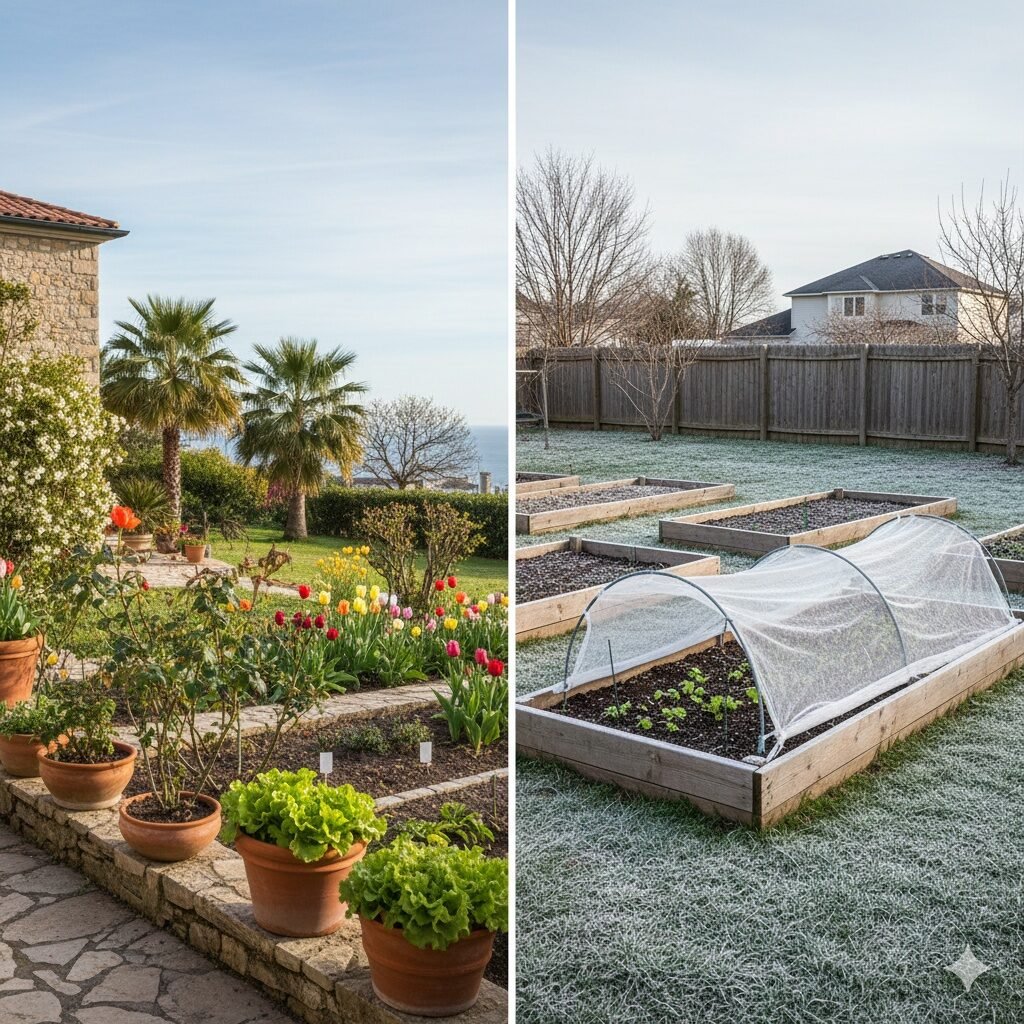
Ok, so spring doesn’t behave the same everywhere, and that’s something gardeners often underestimate. In large parts of the USA, especially inland regions, spring temperatures swing fast. Warm afternoons can be followed by cold nights, which stresses young plants. Europe, by contrast, tends to see steadier spring conditions, especially in coastal areas influenced by ocean air.
That difference affects planting timing more than people expect. A gardener in Spain or the UK may plant weeks earlier than someone in the northern US, even though both call it “spring.” Climate patterns matter more than calendar dates.
1.2 Why Frost Dates Matter for Spring Vegetables
Frost dates, basically, act like guardrails. The last frost date tells you when overnight freezes usually stop. Cool-season crops can handle light frost, yet planting warm-sensitive vegetables too early often leads to stalled growth or failure.
Finding your last frost date is simple through local weather services. Planting slightly before that date works for hardy crops, while planting far ahead often causes setbacks. Timing, in short, keeps effort from being wasted.
1.3 Cool-Season vs Warm-Season Spring Crops
Spring vegetables fall into two groups. Cool-season crops, like spinach or peas, prefer lower temperatures and grow steadily early in the season. Warm-season crops, like tomatoes, may start indoors in spring but move outside later.
Most edible spring gardens rely heavily on cool-season vegetables, since they mature quickly and tolerate unpredictable weather better.
2. Best Edible Spring Vegetables to Grow (With Timing & Tips)

2.1 Leafy Greens: Reliable and Fast-Growing Choices
Leafy greens, in a way, carry the spring garden. They grow fast, don’t need deep soil, and recover quickly from light frost.
Lettuce grows best when temperatures stay cool. Sow seeds 2–4 weeks before the last frost in the USA, or early spring across much of Europe. Loose-leaf types allow repeated harvests, while head lettuce needs more space. Containers work well, especially for patios.
Spinach prefers cold soil and often germinates before other crops. It grows quickly but bolts when temperatures rise. Harvesting outer leaves regularly helps extend its season.
Kale handles cold better than most greens. Baby leaves grow quickly and stay tender, while mature plants tolerate frost and wind. Spring-grown kale tends to taste milder than summer crops.

2.2 Root Vegetables Perfect for Spring Planting
Root vegetables grow quietly beneath the soil, which makes early preparation important.
Radishes mature fast, often within 25–30 days. Succession planting every two weeks keeps harvest consistent. They tolerate cold well and suit containers.
Carrots need loose soil free of stones. Cold, wet soil slows germination, so waiting until soil dries slightly helps. Thinning seedlings early prevents misshapen roots.
Beets provide both edible roots and greens. They grow steadily in cool weather and tolerate light frost. Proper spacing improves root size and reduces competition.
2.3 Spring Legumes: Peas and Early Beans
Legumes, especially peas, thrive in cool spring air.
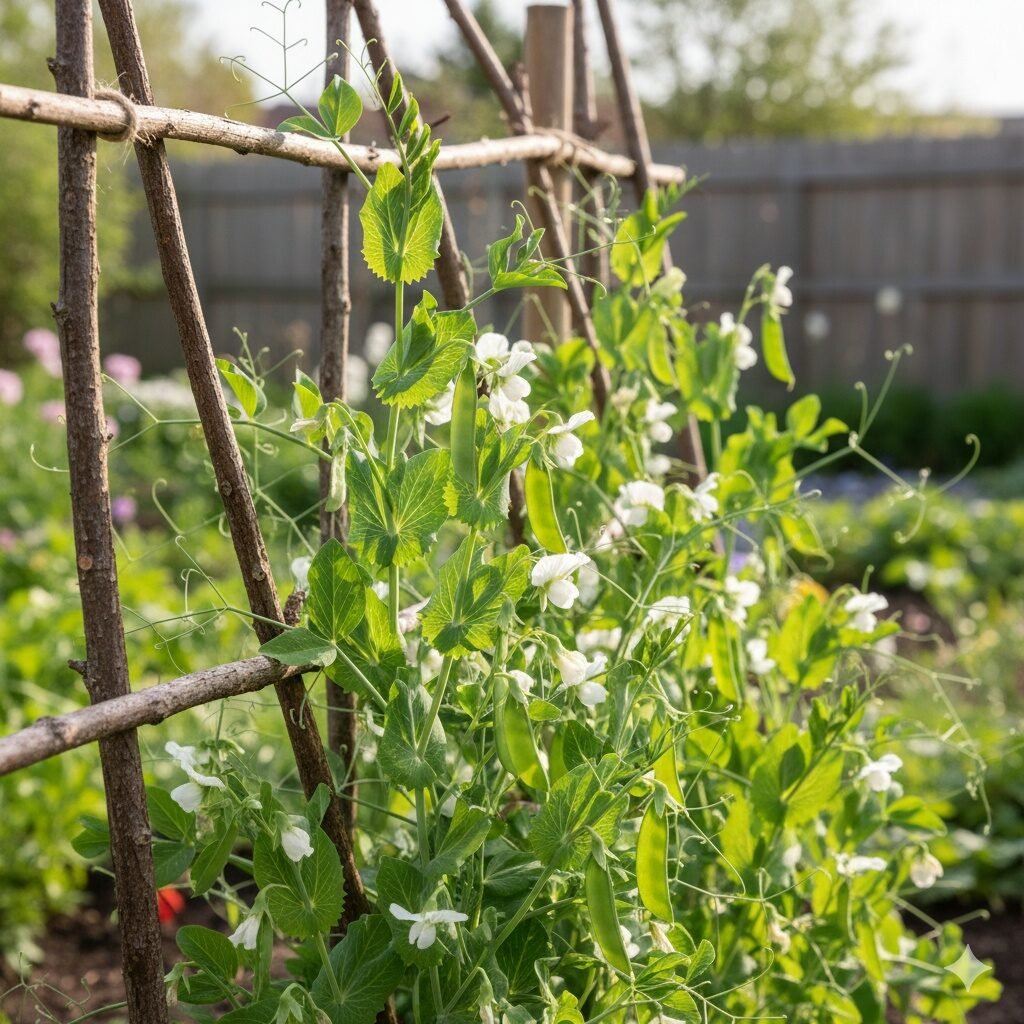
Garden Peas grow best when planted early. In many regions, seeds go in as soon as soil can be worked. Climbing varieties benefit from trellises, while bush peas suit small gardens. Once temperatures rise, production slows, so early planting matters.
2.4 Allium Crops for Early Harvest
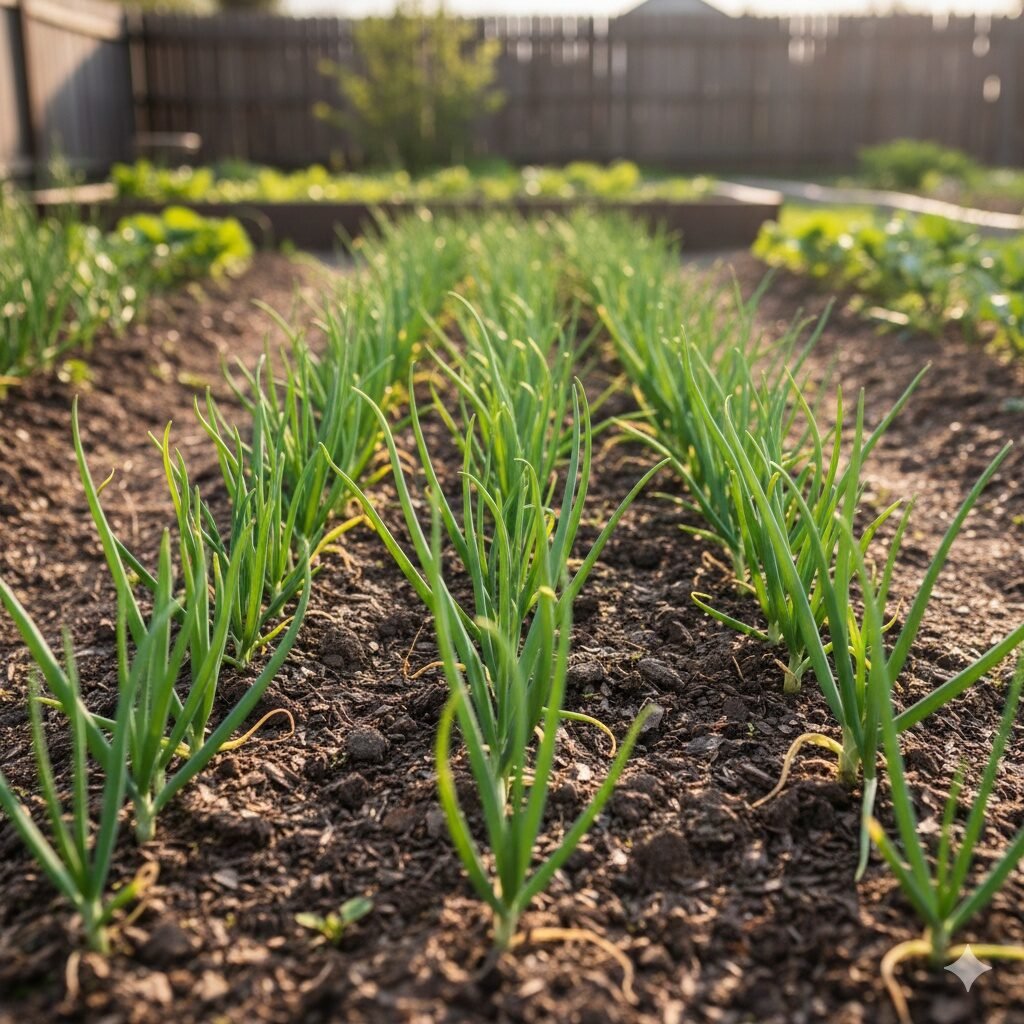
Green Onions (Scallions) grow quickly and tolerate crowding. They work from seed or regrown from kitchen scraps. Regular harvesting encourages new growth.
Garlic (Spring-Planted) produces smaller bulbs than fall-planted garlic but still yields usable cloves. It suits mild climates best and benefits from well-drained soil.
2.5 Spring Herbs for Edible Gardens
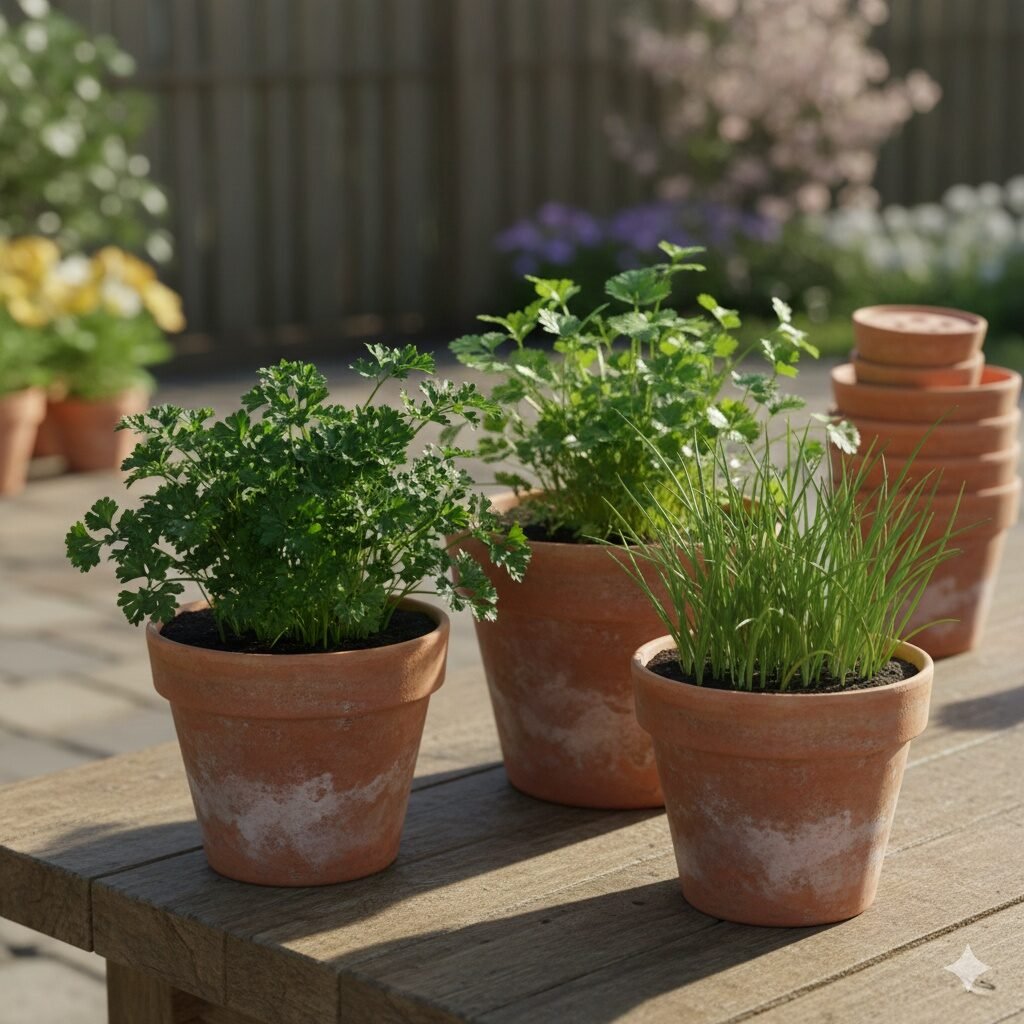
Ok, so spring herbs, in a way, quietly carry more value than most people expect. They grow early, tolerate cooler nights, and give fast returns without needing much space. For gardeners in both the USA and Europe, herbs often become the first edible harvest of the season, which, honestly, builds confidence fast.
Parsley tends to grow slowly at first, yet once established, it keeps producing for months. It prefers cool air and steady moisture, and spring planting helps delay bolting. Flat-leaf parsley works well for cooking, while curly types handle containers better. Soaking seeds overnight can improve germination, which is helpful since parsley seeds take their time.
Cilantro, also called coriander, behaves a bit differently. It grows fast in cool weather, then bolts once days warm up. That makes spring the ideal window. Succession planting every two weeks keeps leaves coming longer. Containers work well, especially when moved into partial shade during warmer afternoons.
Chives return year after year and start growing early, often before many vegetables wake up. They tolerate cold, need little care, and thrive in containers or garden beds. Cutting leaves regularly encourages fresh growth, and the purple flowers are edible too.
Herbs, in general, prefer well-drained soil and moderate watering. Overwatering, especially in cool spring soil, leads to slow growth. Planting herbs near vegetables helps with space use and pest reduction, which is helpful in smaller gardens.
3. Spring Vegetable Planting Calendar (USA & Europe)
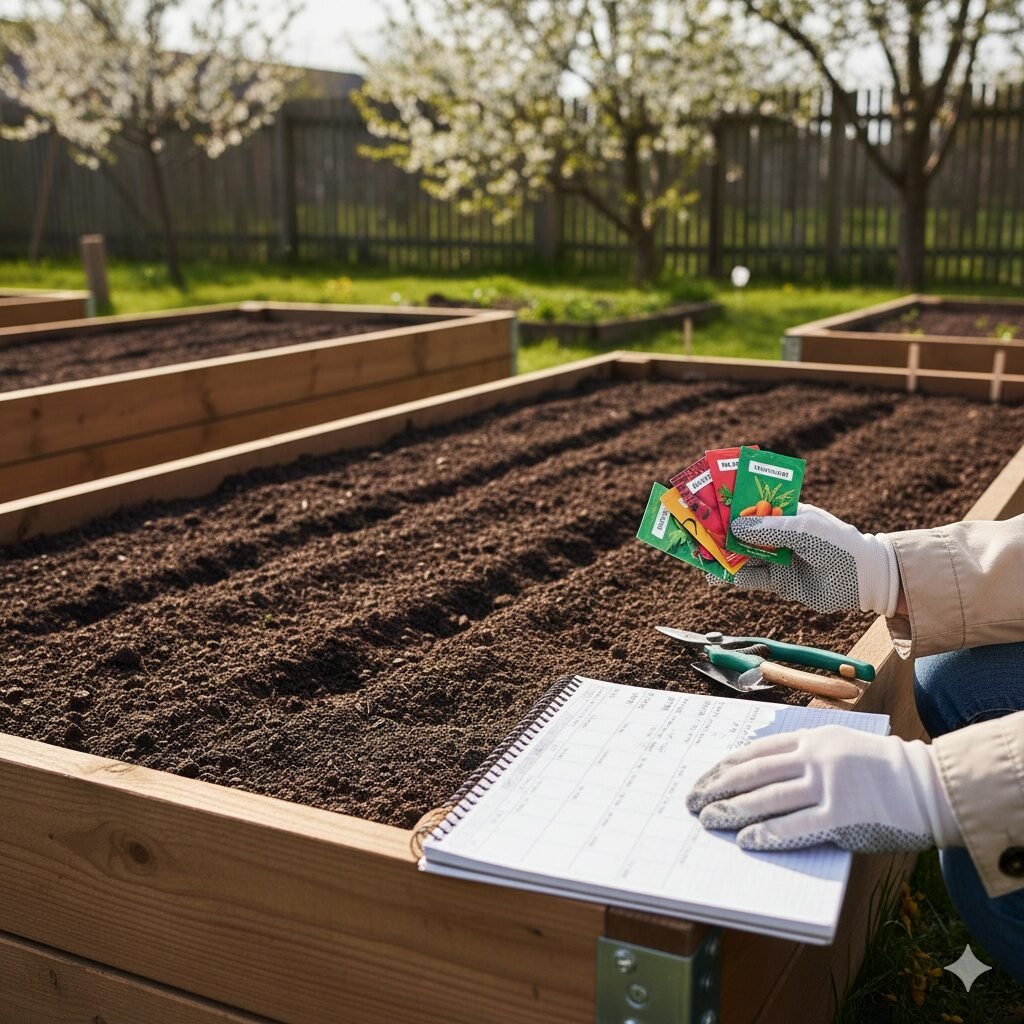
So, a spring planting calendar, basically, acts as a flexible guide rather than a strict rulebook. Dates shift depending on climate, elevation, and local weather patterns, which is why frost dates matter more than months printed on paper.
Early Spring (March)
Early spring suits cold-tolerant crops. Spinach, peas, lettuce, radishes, green onions, and parsley grow well once soil becomes workable. In many parts of Europe, early spring planting starts sooner than in colder US regions. Soil temperature, not air warmth, determines success here.
Covering soil with fabric row covers helps retain warmth and protect seedlings from late frost. Seeds may sprout slowly, yet growth speeds up once daylight increases.
Mid Spring (April)
Mid spring opens the door for carrots, beets, cilantro, chives, and additional lettuce sowings. Soil drains better by this stage, which supports root growth. Succession planting during this window keeps harvest consistent.
Gardeners often thin seedlings during mid spring. Removing extra plants improves airflow and root development, even though it feels counterproductive at first.
Late Spring (May)
Late spring focuses on transition. Cool-season crops continue producing, yet gardeners start planning space for summer vegetables. Succession planting of fast crops like radishes and lettuce fills gaps. Monitoring soil moisture becomes more important as temperatures rise.
4. Soil Preparation Tips for Spring Edible Gardens
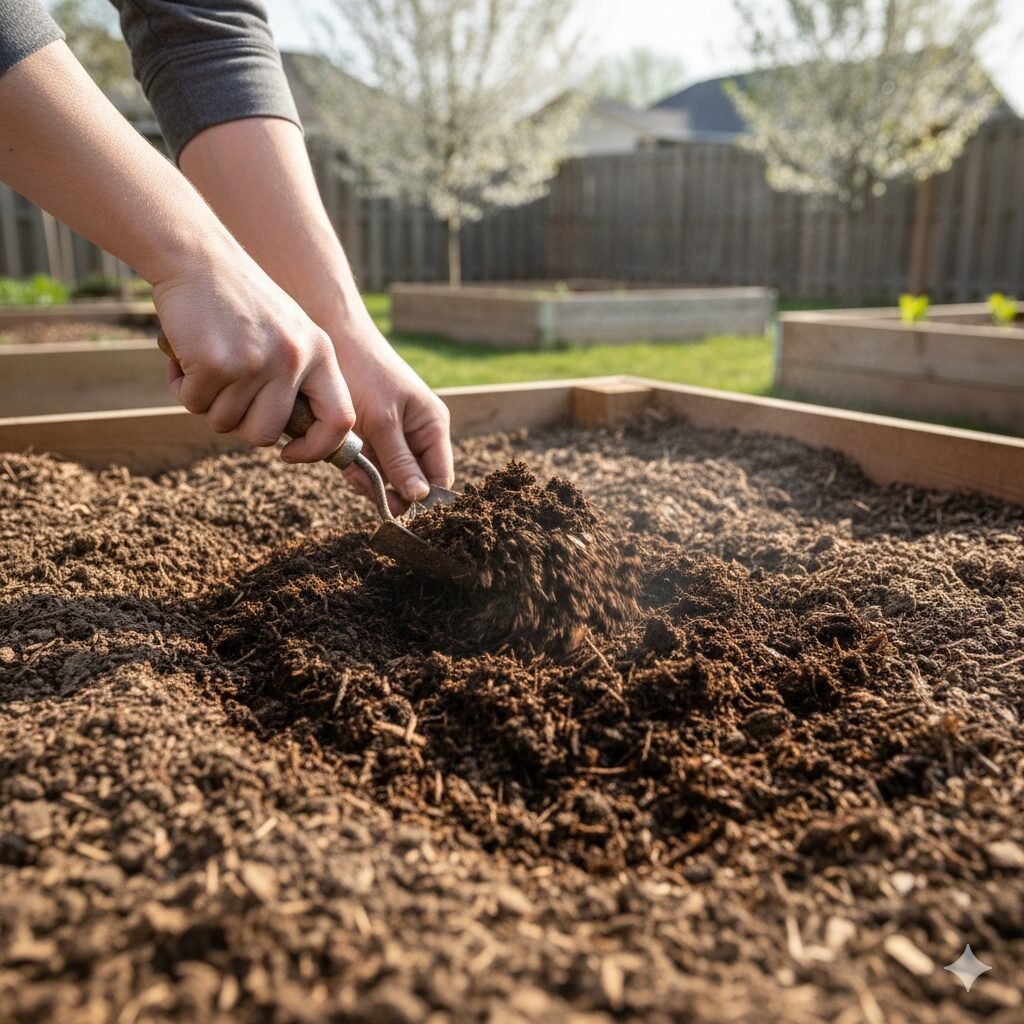
Soil preparation, in a way, sets the entire season’s tone. After winter, soil often feels compacted, wet, or uneven. Working soil too early damages structure, which slows growth later.
Testing soil moisture helps. If soil sticks together when squeezed, waiting a few days improves conditions. Adding compost improves texture and supports root development. Compost also increases microbial activity, which helps plants access nutrients naturally.
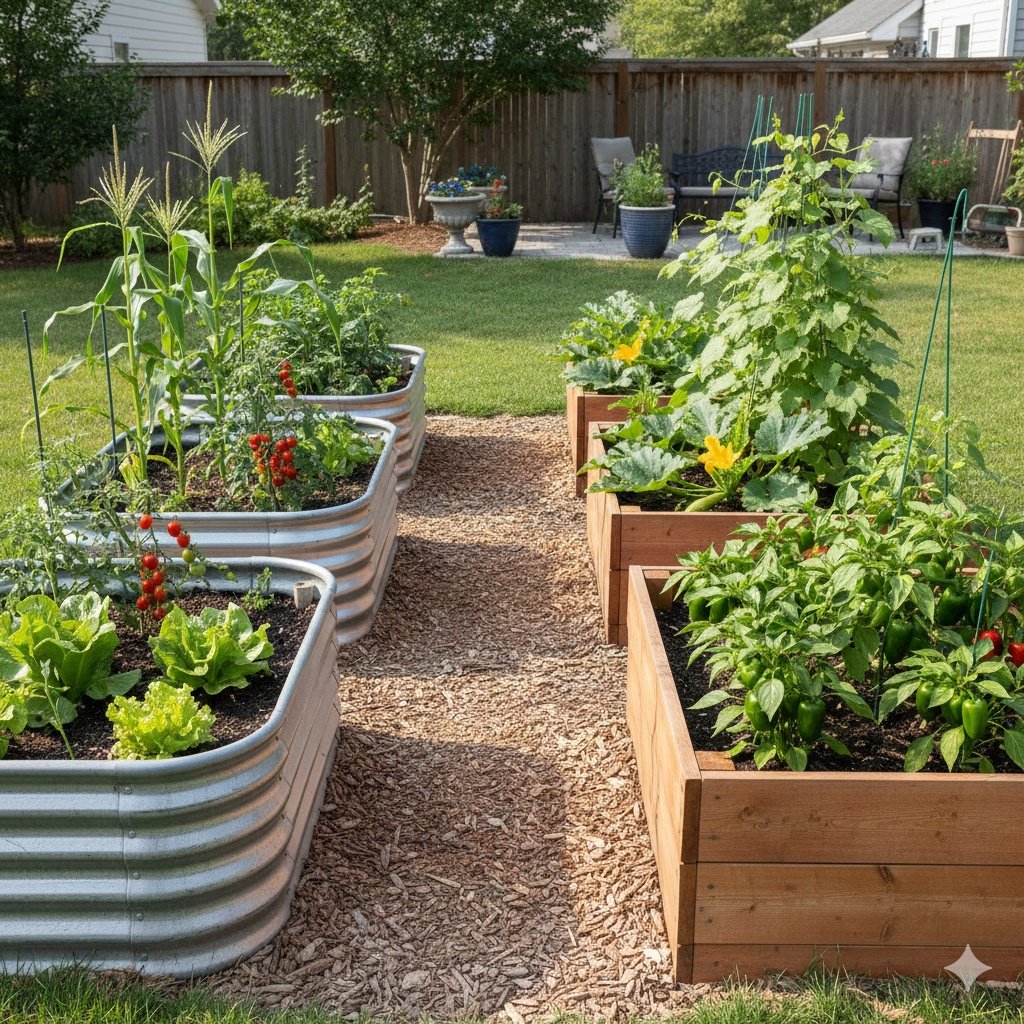
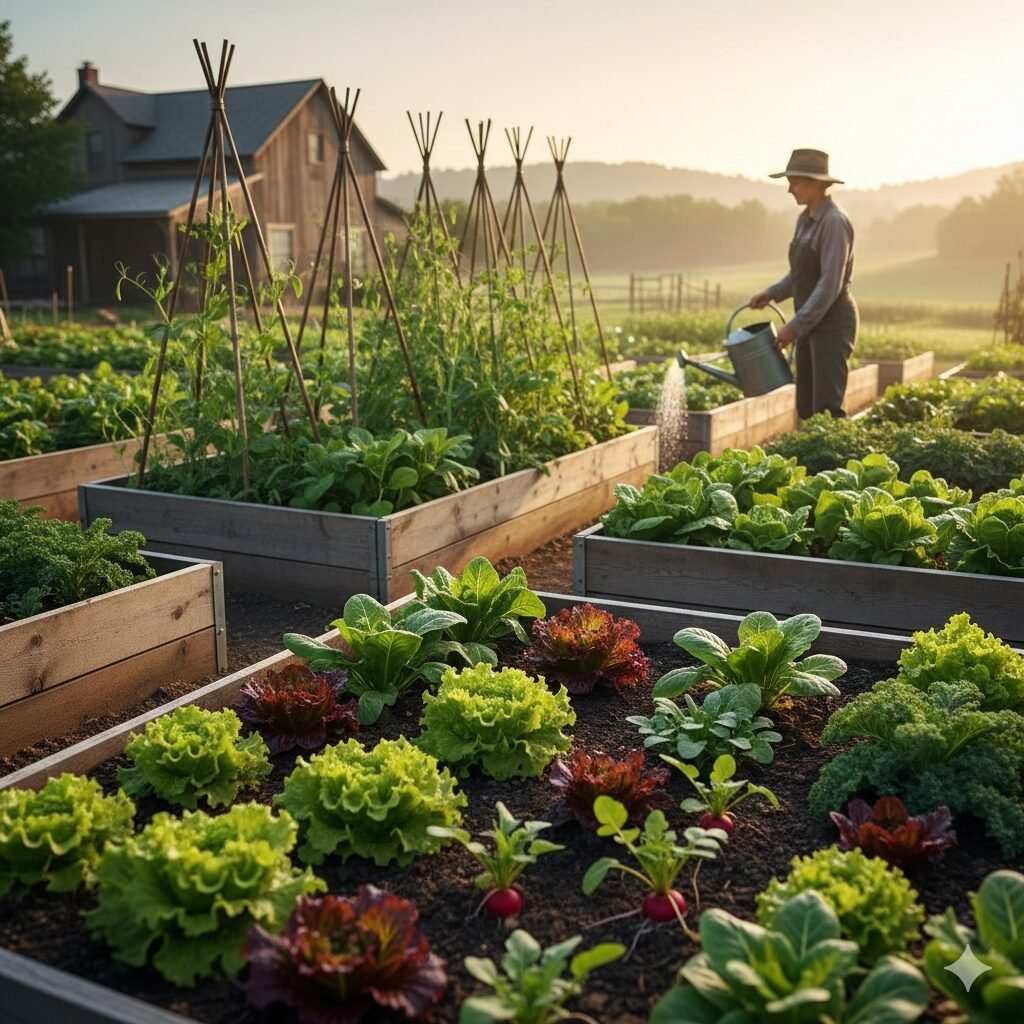
Raised beds warm faster than in-ground soil. That advantage allows earlier planting and better drainage during heavy spring rain. In-ground gardens benefit from gentle loosening rather than deep digging.
Avoid heavy fertilizers early in spring. Cool soil limits nutrient uptake, and excess fertilizer often washes away. Slow, steady improvement works better for long-term results.
5. Common Spring Gardening Mistakes to Avoid
Spring gardening mistakes often come from excitement rather than neglect. Planting too early remains the most common issue. Cold soil slows germination, and seedlings sit idle, which increases disease risk.
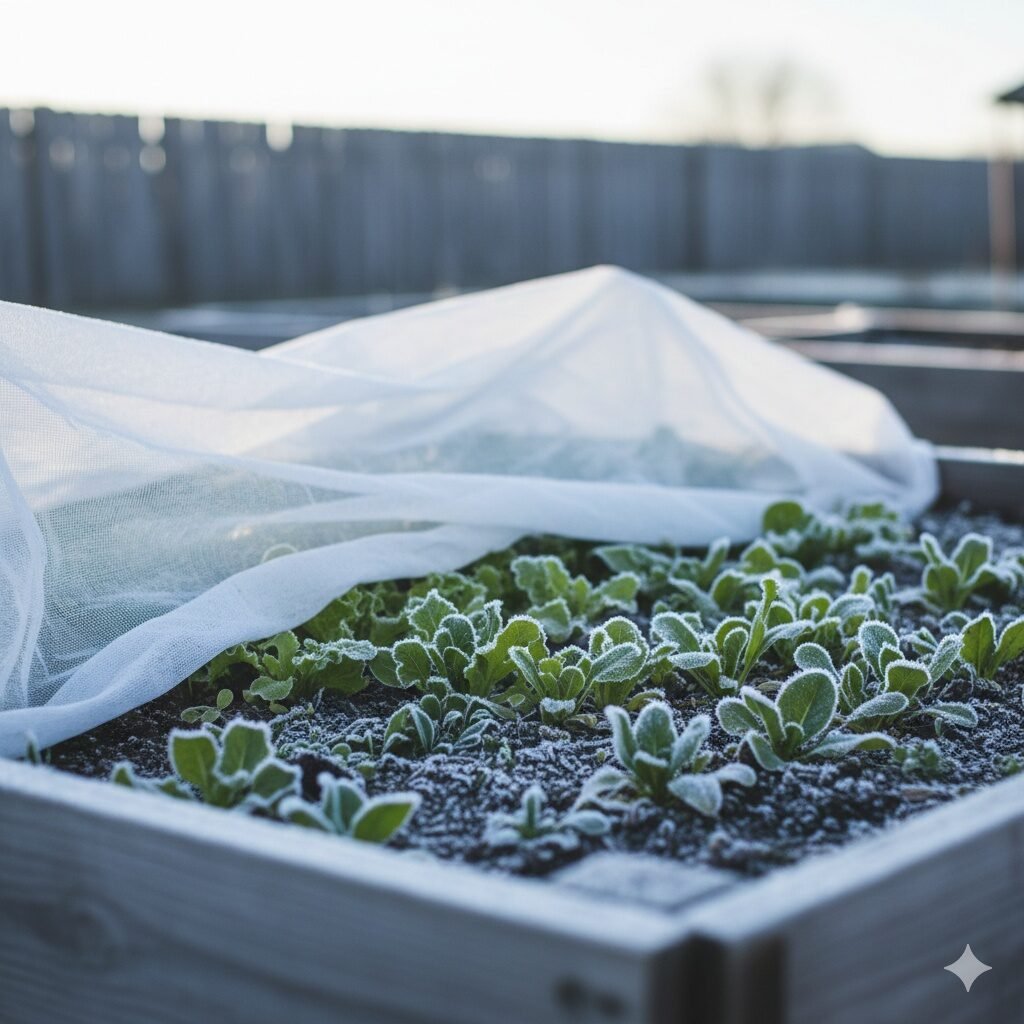
Ignoring late frost warnings also causes trouble. Even cold-tolerant plants suffer damage during unexpected freezes. Row covers, cloches, or light fabric help protect young plants during cold nights.
Overwatering cool-season crops creates root problems. Spring rain already provides moisture, and adding more often leads to rot. Checking soil before watering prevents this.
Skipping hardening-off seedlings stresses plants. Gradually exposing seedlings to outdoor conditions over several days reduces shock and improves survival.
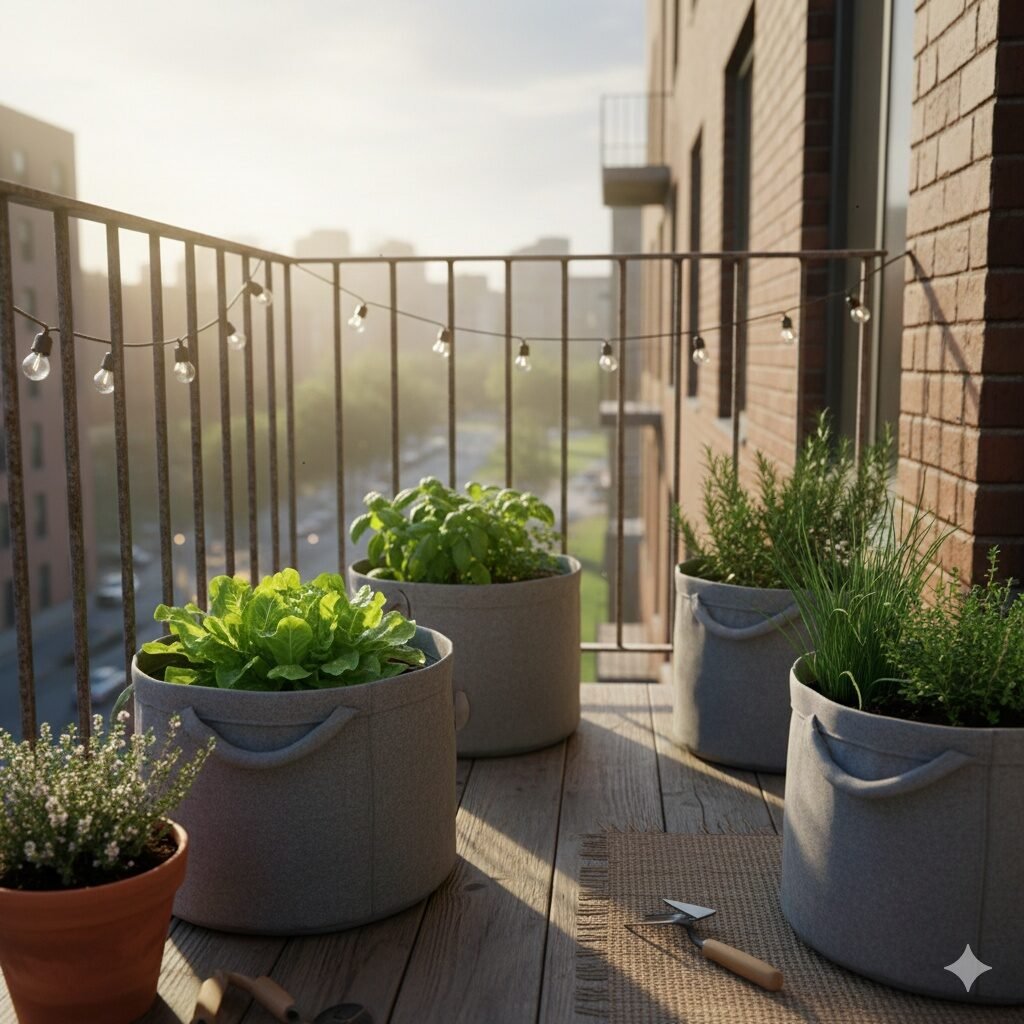
6. Container and Small-Space Spring Vegetable Gardening
Ok, so container gardening, in some respects, fits spring perfectly. Containers warm faster than ground soil and allow better control over moisture and placement. That helps gardeners dealing with unpredictable spring weather.
Lettuce, spinach, radishes, herbs, green onions, and peas perform well in containers. Using pots with drainage holes prevents water buildup. Fabric grow bags work well for spring crops, since they improve airflow around roots.
Balcony gardeners should watch sunlight patterns. Early spring sun stays lower, and buildings cast longer shadows. Moving containers during the day improves growth. Wind protection also matters, especially in exposed spaces.
Watering containers requires balance. Cool temperatures slow evaporation, yet containers dry faster than garden beds. Checking moisture daily helps prevent stress.
If space is tight, you may want to check out my other article, “Vertical & Small Space Gardening: 5 Smart Ideas to Grow More in Less Space,” for practical ideas to grow more in less space.
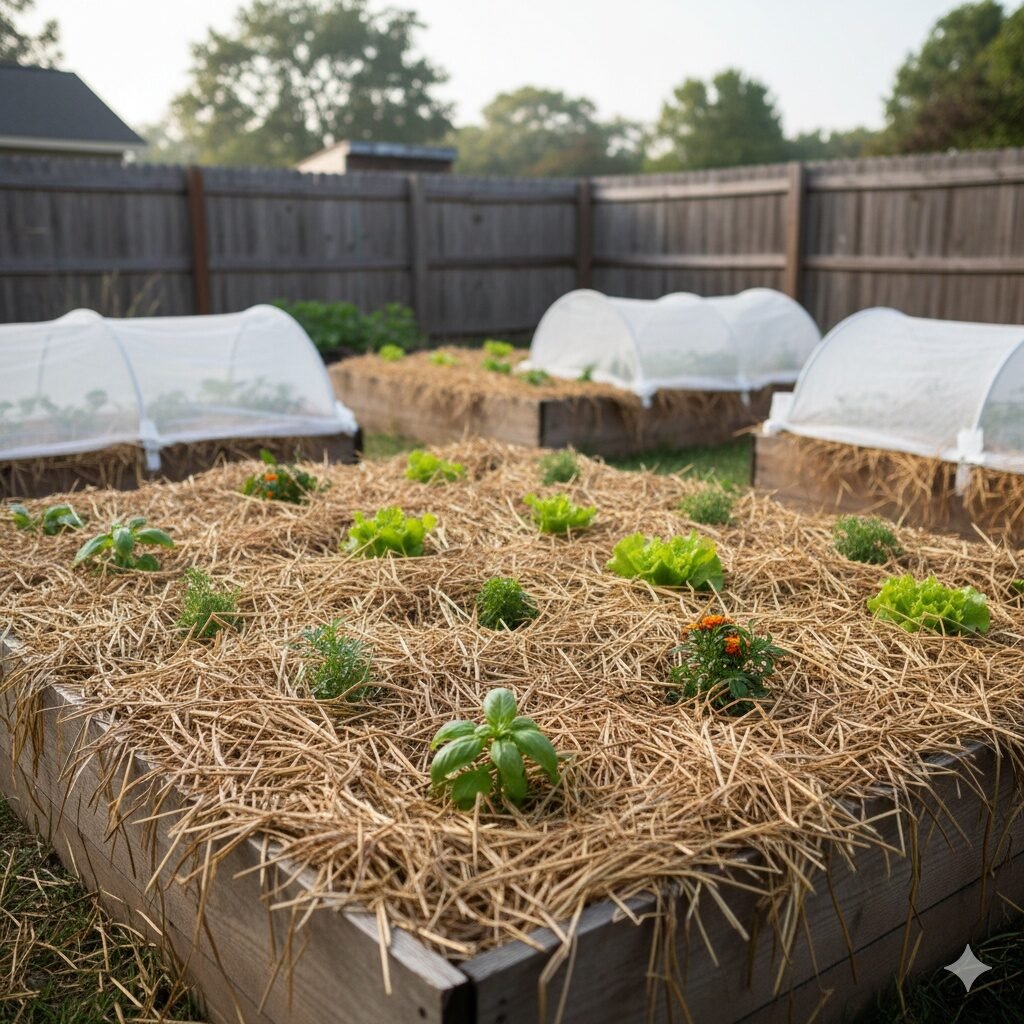
7. Organic and Sustainable Spring Gardening Tips
Organic spring gardening focuses on prevention rather than reaction. Mulching helps regulate soil temperature, reduce weeds, and maintain moisture. Straw, leaves, or composted bark work well in early season beds.
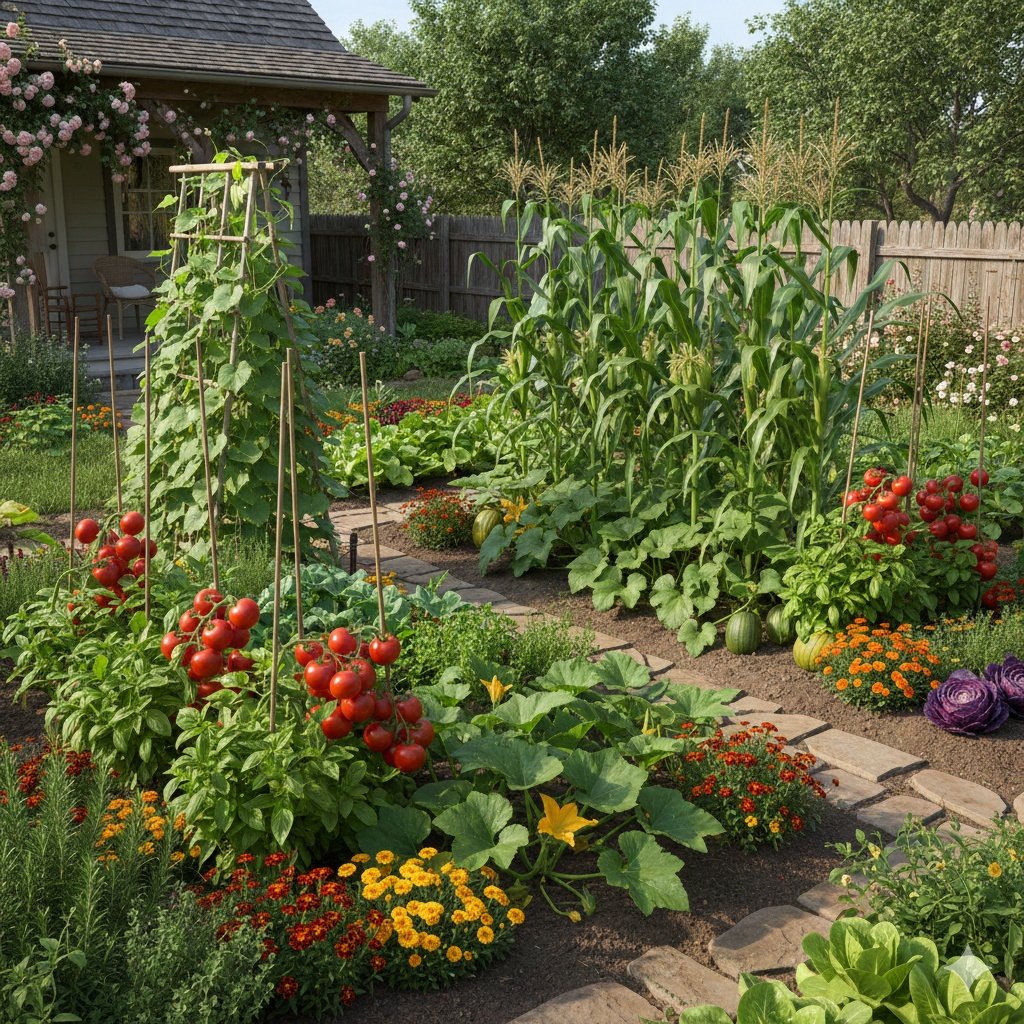
Companion planting supports pest management. Herbs near vegetables confuse pests and attract beneficial insects. For example, chives near carrots reduce pest pressure.
Row covers serve multiple roles. They protect against frost, insects, and wind without chemical sprays. Removing covers during flowering allows pollination when needed.
Avoiding harsh chemicals early in the season protects soil life, which supports long-term garden health.

Frequently Asked Questions
What vegetables grow best in spring?
Leafy greens, peas, radishes, carrots, beets, green onions, and herbs grow well in cool conditions and mature quickly.
When should I start planting spring vegetables?
Planting usually begins 2–4 weeks before the last frost date for cold-tolerant crops. Soil readiness matters more than calendar dates.
Can vegetables survive early spring frost?
Some vegetables tolerate light frost, especially spinach, kale, peas, and chives. Protection improves survival during sudden cold nights.
What vegetables can I plant before the last frost?
Spinach, lettuce, radishes, peas, green onions, and parsley handle cold soil better than most crops.
What are the easiest spring vegetables for beginners?
Lettuce, radishes, green onions, spinach, peas, and herbs grow quickly and forgive small mistakes.
Can I grow spring vegetables in containers?
Yes, many spring vegetables thrive in containers, especially leafy greens, herbs, and radishes.
How do I protect spring vegetables from pests naturally?
Row covers, companion planting, and regular inspection reduce pest damage without sprays.
How long do spring vegetables take to grow?
Many spring crops mature within 30–60 days, depending on variety and conditions.
Final Thought: Making Spring Gardening Work for You
So, at the end of the day, spring gardening, in some respects, is less about getting everything perfect and more about working with what the season already gives you. Cooler air, steady moisture, and forgiving crops create a window where small efforts tend to pay off faster than expected. That’s why spring vegetables, herbs, and simple setups feel so rewarding, especially for beginners.
What usually matters most is timing, not complexity. Paying attention to frost dates, soil condition, and daylight often does more good than buying extra tools or chasing quick fixes. Cool-season vegetables grow at their own pace, and letting them do that, without rushing, leads to healthier plants and better harvests.
Spring is also a good moment to experiment. Trying herbs in containers, testing succession planting, or using row covers teaches lessons that carry into summer and beyond. Mistakes, which happen to everyone, tend to be easier to recover from during this season.
Basically, whether you’re growing food for savings, taste, or just the habit of stepping outside each day, spring gives you room to learn without pressure. Start small, stay flexible, and let the season guide the rest. Before starting your new garden, you might enjoy watching Epic Gardening’s helpful video below.