
A backyard greenhouse can change how you grow vegetables, herbs, and flowers. Instead of waiting for warmer weather to start seedlings or worrying about an unexpected frost, you have a protected space where plants can grow for longer.
But choosing one isn’t as simple as buying the biggest greenhouse you can afford.
Some gardeners need a compact structure for a few tomato plants and seed trays. Others want a walk-in greenhouse with room for raised beds, shelving, and winter vegetables. The right choice depends on your garden, local weather, available space, and how much time you plan to spend growing.
This guide compares 15 outdoor greenhouse styles worth considering, from premium polycarbonate kits to traditional glass structures and larger growing spaces.
A quick note: The recommendations below are greenhouse types and buying profiles, not verified individual product models. Before purchasing, check current product specifications, prices, warranties, and availability through your preferred retailer. That way, you can compare actual products without relying on outdated prices or unverified claims.
My Recommended Greenhouse Plans: 3 Price Tiers
1. Low-Ticket Greenhouse Kits
$100–$200
Affordable, compact, and beginner-friendly greenhouse kits for small backyards, patios, seedlings, and seasonal plant protection. A good starting point for gardeners who want a protected growing space without spending too much.
2. Mid-Ticket Greenhouse Kits
$200–$1,000
Practical greenhouse options for gardeners who need more growing space, stronger construction, and better organization. These kits can suit vegetable growing, seed starting, and extending the growing season.
3. High-Ticket Premium Greenhouses
$1,000–$4,000+
Premium greenhouse structures for serious home gardeners who want a larger, more permanent growing space. These options can accommodate multiple vegetable beds, containers, and growing zones.
15 Best Outdoor Greenhouses for Backyard Gardening
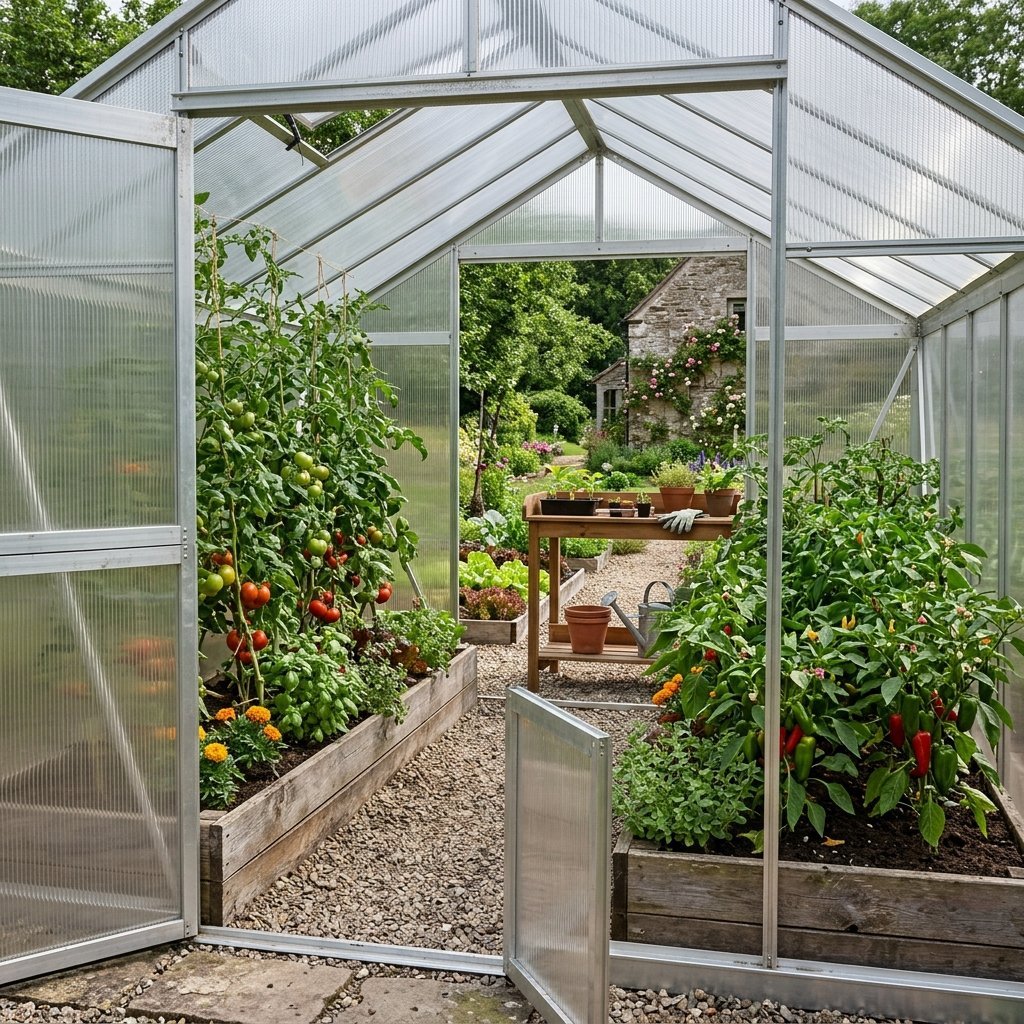
1. Best Premium Polycarbonate Greenhouse for Backyard Gardening
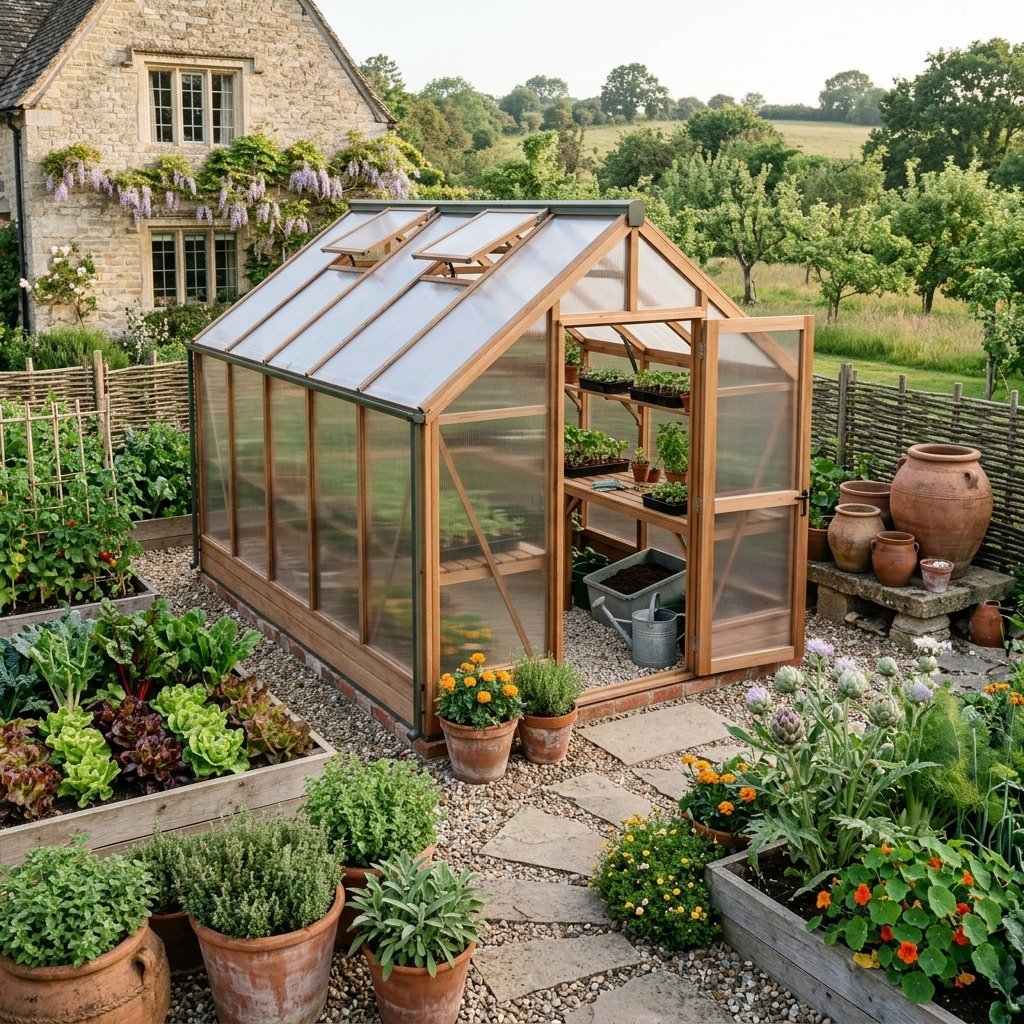
A premium polycarbonate greenhouse is a sensible starting point for gardeners who want a structure for regular use rather than occasional seasonal protection.
Look for twin-wall or multi-wall polycarbonate panels paired with an aluminum frame. The panel construction can help reduce heat loss compared with single-layer glazing, although insulation varies by thickness and design.
This type works well for tomatoes, peppers, herbs, seedlings, and container plants. Before buying, check the panel thickness, frame connections, ventilation, and warranty.
Best for: Gardeners who want a practical greenhouse for extending the growing season.
Watch out for: Thin panels and weak frame connections that may struggle in exposed locations.
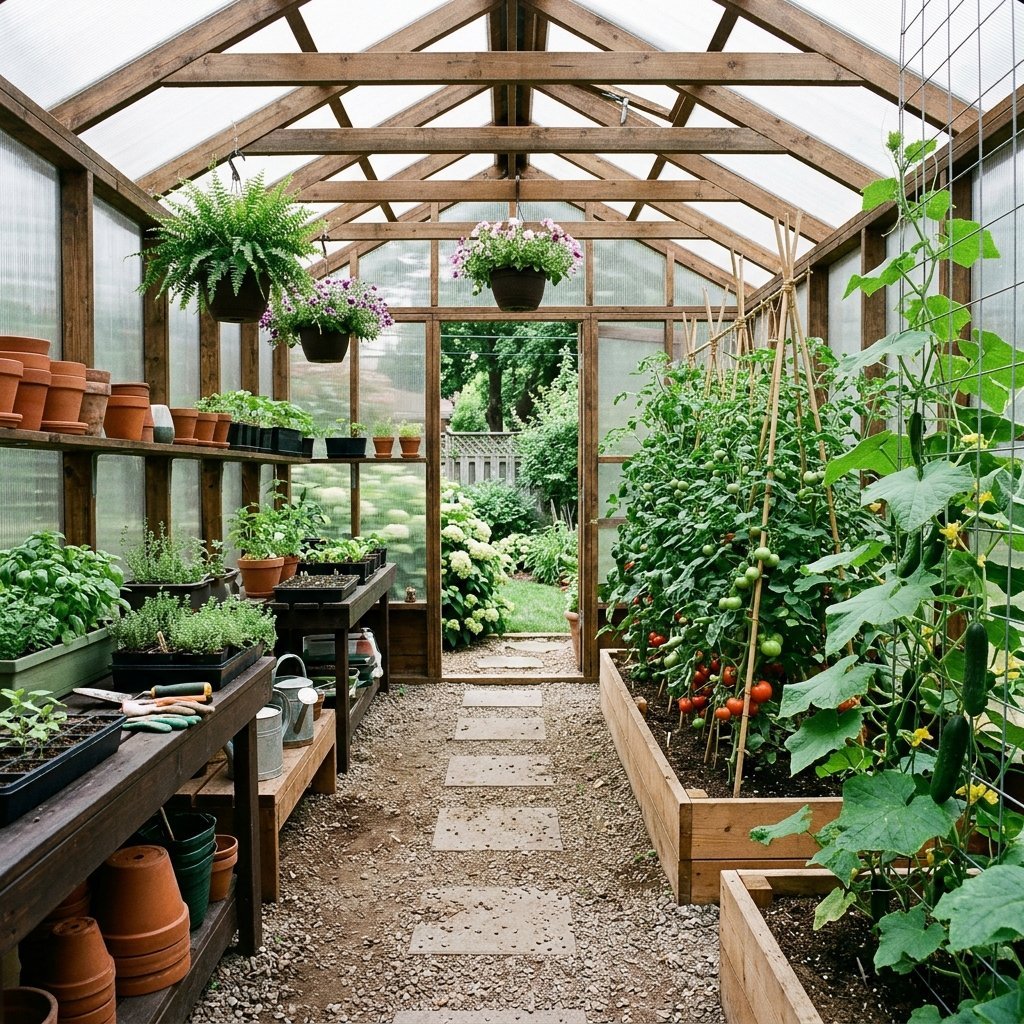
2. Best Large Walk-In Greenhouse for Growing Vegetables
A large walk-in greenhouse gives you room to grow several crops without constantly moving pots around.
Depending on the layout, you could dedicate one side to tomatoes, another to cucumbers, and a shelf to seedlings. Standing-height access also makes watering, pruning, and harvesting more comfortable.
Check the usable interior dimensions rather than relying only on the advertised footprint. A greenhouse can look spacious online but feel cramped once shelves and growing containers are installed.
Best for: Families, vegetable gardeners, and people planning several growing areas.
Watch out for: Larger structures need more space, stronger anchoring, and careful installation.

3. Best Heavy-Duty Aluminum Greenhouse for Long-Term Gardening
An aluminum greenhouse is worth considering if you want a permanent structure and prefer a frame that doesn’t need regular painting.
Aluminum resists corrosion, making it useful in many outdoor settings. However, the metal itself doesn’t guarantee strength. Frame thickness, connection points, bracing, and anchoring all matter.
Choose a model with suitable glazing and clear installation instructions. If your garden is exposed to strong winds, check the manufacturer’s wind rating before buying.
Best for: Gardeners planning to use their greenhouse for many seasons.
Watch out for: Lightweight frames that may need additional support or a stronger foundation.
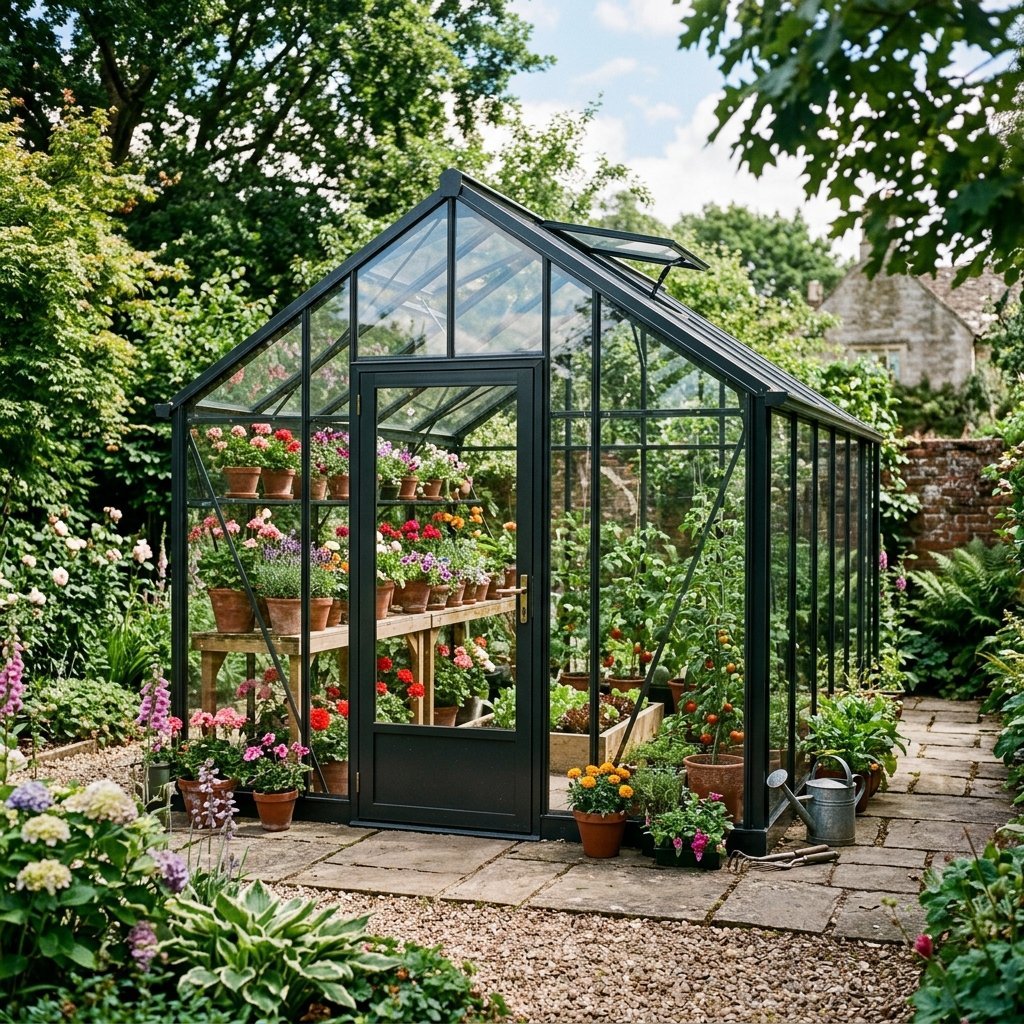
4. Best Glass Greenhouse for a Traditional Backyard Garden
A glass greenhouse offers the classic greenhouse appearance many gardeners prefer.
Glass provides clear visibility and good light transmission. It also makes the structure feel like a permanent part of the garden rather than a temporary growing shelter.
Look at the glazing options carefully. Horticultural glass, tempered glass, and other glazing products differ in strength, handling requirements, and replacement costs.
A well-built glass greenhouse can suit ornamental plants, seedlings, and vegetables, but installation quality is important.
Best for: Gardeners who value appearance and a traditional greenhouse design.
Watch out for: Breakage, heavier glazing, and the need for a strong supporting frame.

5. Best Compact Outdoor Greenhouse for Small Backyards
A compact greenhouse can fit into a narrow garden, small patio, or limited outdoor growing area.
It provides enough room for herbs, young vegetable plants, and a modest collection of containers without taking over the yard.
Before purchasing, check the door opening, interior height, and shelf placement. A small greenhouse with poor access can become frustrating once plants start growing.
Think about what you actually want to grow. A compact structure may be perfect for seedlings but unsuitable for tall tomato plants.
Best for: Beginners and gardeners with limited space.
Watch out for: Buying a greenhouse with too little usable growing room.
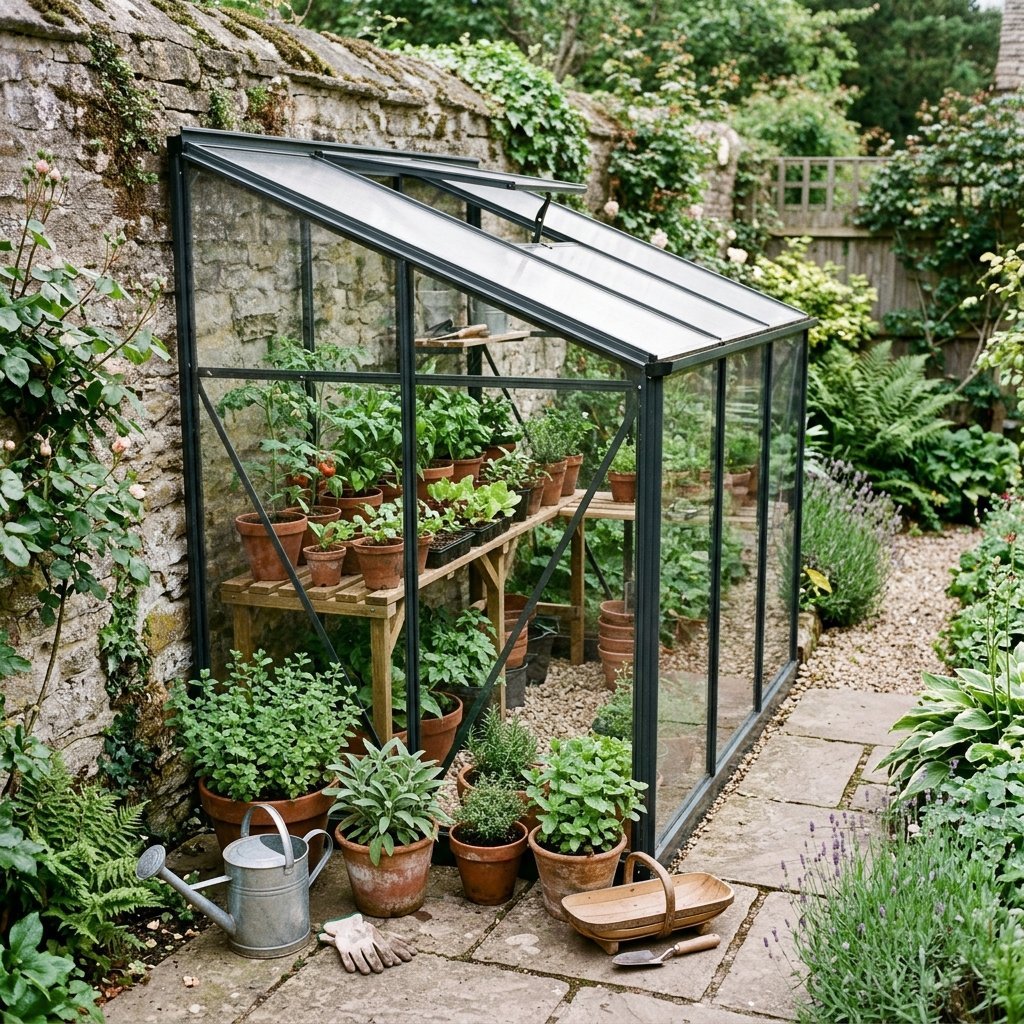
6. Best Lean-To Greenhouse for Patios and Garden Walls
A lean-to greenhouse sits beside a suitable wall, making it a useful option when there isn’t enough room for a freestanding structure.
It can work beside a garage, garden building, or house wall, depending on the design and installation requirements.
The wall may provide some shelter, but it can also affect temperature and airflow. A sunny wall can create extra heat, particularly during summer.
Check drainage, wall suitability, ventilation, and whether the greenhouse needs independent support.
Best for: Small gardens, patios, and gardeners who want to use existing outdoor space efficiently.
Watch out for: Heat buildup and installation restrictions near buildings.

7. Best High-Tunnel Greenhouse for Vegetable Growing
A high-tunnel greenhouse uses a frame covered with greenhouse film or another suitable covering.
It’s particularly useful for protecting vegetable beds and extending the growing season. Depending on the size, you can grow rows of lettuce, spinach, tomatoes, and other crops directly in the ground.
High tunnels often provide more growing space for the money than rigid greenhouse kits.
However, the covering, frame, and anchoring need to suit your local weather. Access doors and ventilation also deserve attention.
Best for: Vegetable gardeners who want to protect existing beds.
Watch out for: Wind exposure, cover replacement, and seasonal maintenance.

8. Best Gothic Arch Greenhouse for Snow-Prone Regions
A Gothic arch greenhouse has a curved roof that may help snow slide off more easily than a flatter design.
That doesn’t mean every Gothic greenhouse is suitable for heavy snowfall.
The frame, roof supports, covering, anchoring, and manufacturer-rated snow load determine whether the structure is appropriate for your location.
If you live in a colder region, check the published snow-load rating and local building requirements before purchasing.
Best for: Gardeners in areas where winter weather affects greenhouse selection.
Watch out for: Assuming the roof shape alone makes a greenhouse snow-resistant.

9. Best Portable Greenhouse for Seasonal Backyard Gardening
A portable greenhouse is a practical choice if you want temporary protection for seedlings, potted plants, or young vegetables.
These structures usually have lightweight frames and flexible covers. They can be assembled without the same installation commitment as a permanent greenhouse.
They’re useful during spring and autumn, especially when temperatures fluctuate.
Still, lightweight construction has limits. A portable greenhouse may need to be secured, moved, or dismantled when strong winds arrive.
Best for: Seasonal gardeners and people who want a flexible growing space.
Watch out for: Wind damage, cover wear, and limited insulation.
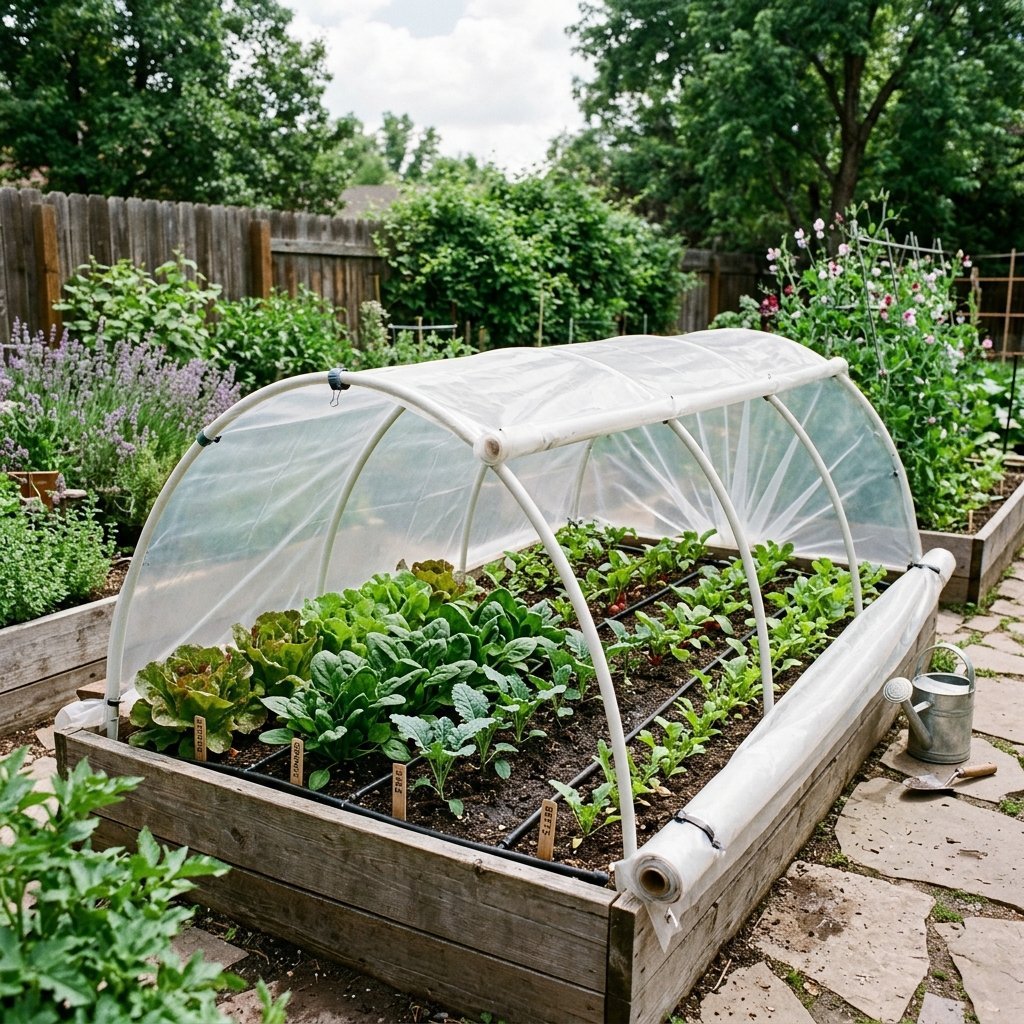
10. Best Raised-Bed Greenhouse for Protected Vegetable Growing
A raised-bed greenhouse places a protective cover over an existing raised bed or a compatible growing frame.
It allows you to keep vegetables in a dedicated area while protecting them from some weather conditions.
This arrangement works well for leafy greens, young plants, and vegetables that benefit from protection during cooler periods.
Check the cover height and ventilation before buying. Tall plants may quickly outgrow a low structure.
Best for: Gardeners who already use raised beds.
Watch out for: Restricted headroom and limited airflow.

11. Best Greenhouse Kit With Shelving for Seed Starting
A greenhouse with shelving makes better use of vertical space.
Instead of placing every seed tray on the ground, you can organize seedlings, small pots, and gardening supplies across several levels.
Look for shelves that can support the weight of wet trays and containers. Metal shelving may offer durability, while adjustable designs make it easier to accommodate different plant sizes.
Light access matters, too. Upper shelves shouldn’t leave lower plants struggling for sunlight.
Best for: Seed starting, propagation, and growing small plants.
Watch out for: Overcrowding shelves or blocking light and airflow.

12. Best Greenhouse With Automatic Ventilation
Automatic ventilation can make greenhouse gardening easier during warmer weather.
An automatic vent opener responds to temperature changes and opens or closes a vent without requiring you to adjust it manually.
This is useful when the greenhouse heats up during the day, especially if you aren’t home to monitor it.
However, automatic vents don’t replace good greenhouse design. Check the number of vents, their position, and whether additional windows or fans are needed.
Best for: Gardeners who want easier temperature management.
Watch out for: Assuming one automatic vent will provide enough airflow for a large greenhouse.
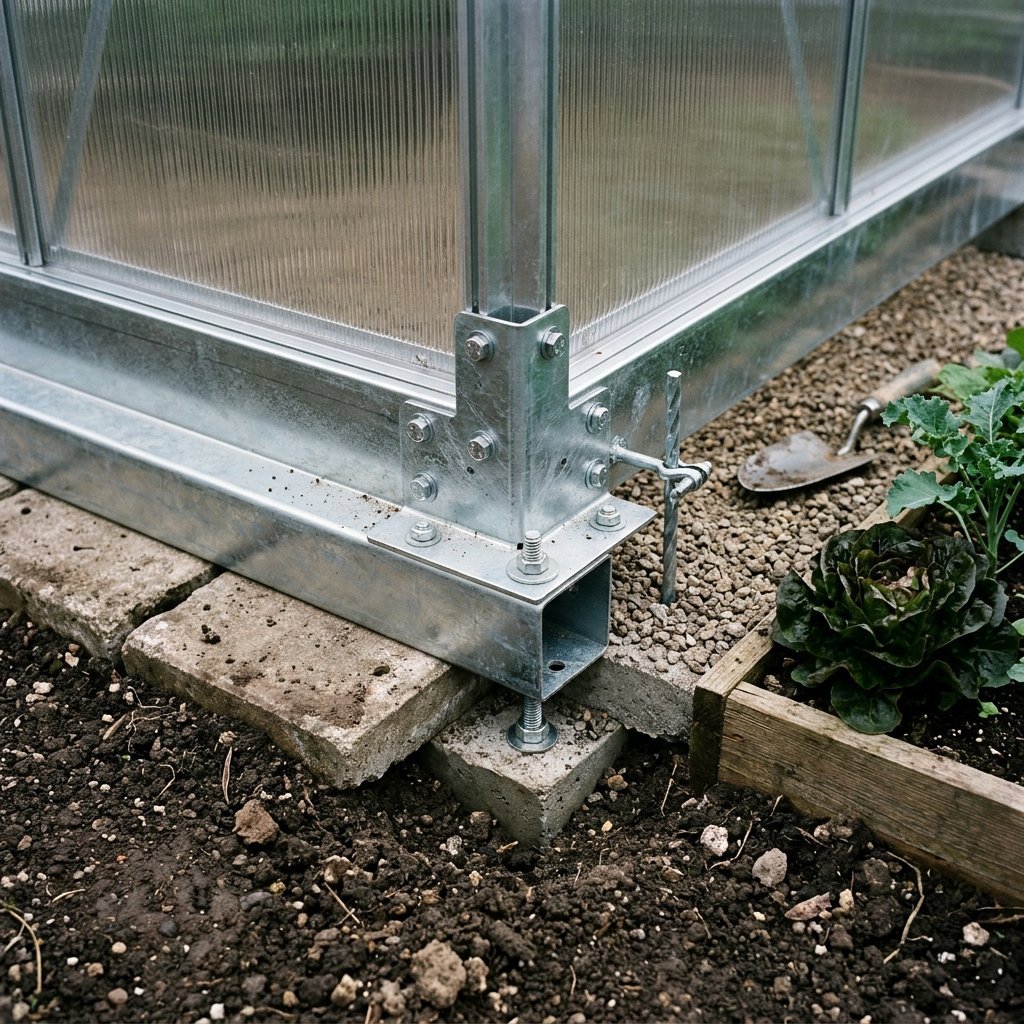
13. Best Greenhouse Kit With a Foundation Frame
A foundation frame can help create a stable base for a greenhouse.
It may also simplify installation by providing a defined structure for attaching the greenhouse frame.
Before buying, check whether the foundation is included or sold separately. Some greenhouse kits require a prepared base, additional anchors, or other installation materials.
The ground should be level and suitable for the structure. Foundation requirements vary according to greenhouse size, design, and local conditions.
Best for: Gardeners installing a permanent greenhouse.
Watch out for: Unexpected installation costs and unsuitable ground conditions.

14. Best Premium Cedar Greenhouse for an Attractive Backyard
A cedar greenhouse can look especially attractive in a landscaped garden.
Timber framing creates a natural appearance that works well beside raised beds, patios, and ornamental planting.
Depending on the design, cedar greenhouses may use glass or polycarbonate panels.
Wood still needs care. Exposure to rain, sunlight, and changing temperatures can affect the finish and long-term condition.
Check the timber treatment, maintenance instructions, glazing options, and warranty before purchasing.
Best for: Gardeners who want a greenhouse that complements their outdoor space.
Watch out for: Maintenance requirements and the cost of premium materials.
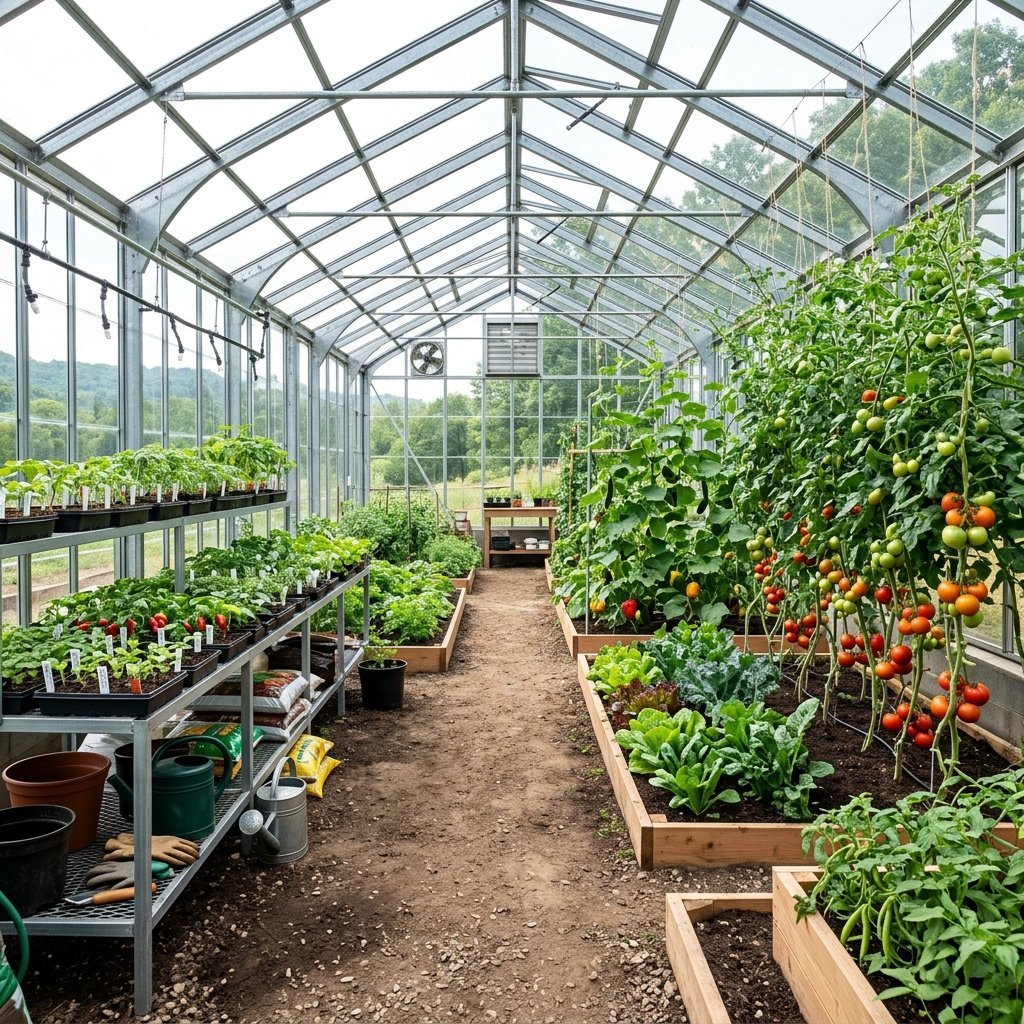
15. Best Large Commercial-Style Greenhouse for Serious Home Growers
A commercial-style greenhouse can provide the growing capacity needed for a large vegetable garden.
With enough room, you can organize separate areas for seedlings, mature vegetables, containers, and seasonal crops.
This type of greenhouse may also support more advanced equipment, including irrigation, fans, heaters, and monitoring systems.
But a larger greenhouse brings additional responsibilities. You’ll need to consider installation, temperature control, watering, maintenance, and the cost of running equipment.
Best for: Experienced gardeners who grow substantial amounts of food.
Watch out for: Higher installation costs and greater demands on time and energy.
How to Choose the Best Outdoor Greenhouse for Your Backyard
1. Choose the Right Greenhouse Size
Start with the space available in your backyard.
Measure the area where the greenhouse will sit, including room for doors, access paths, and maintenance.
A compact greenhouse may suit herbs and seedlings, while a large walk-in greenhouse gives you room for vegetables, containers, and shelving.
Think about future plans, too. If you expect to grow more vegetables next year, buying a slightly larger structure now may be more practical than replacing a small greenhouse later.
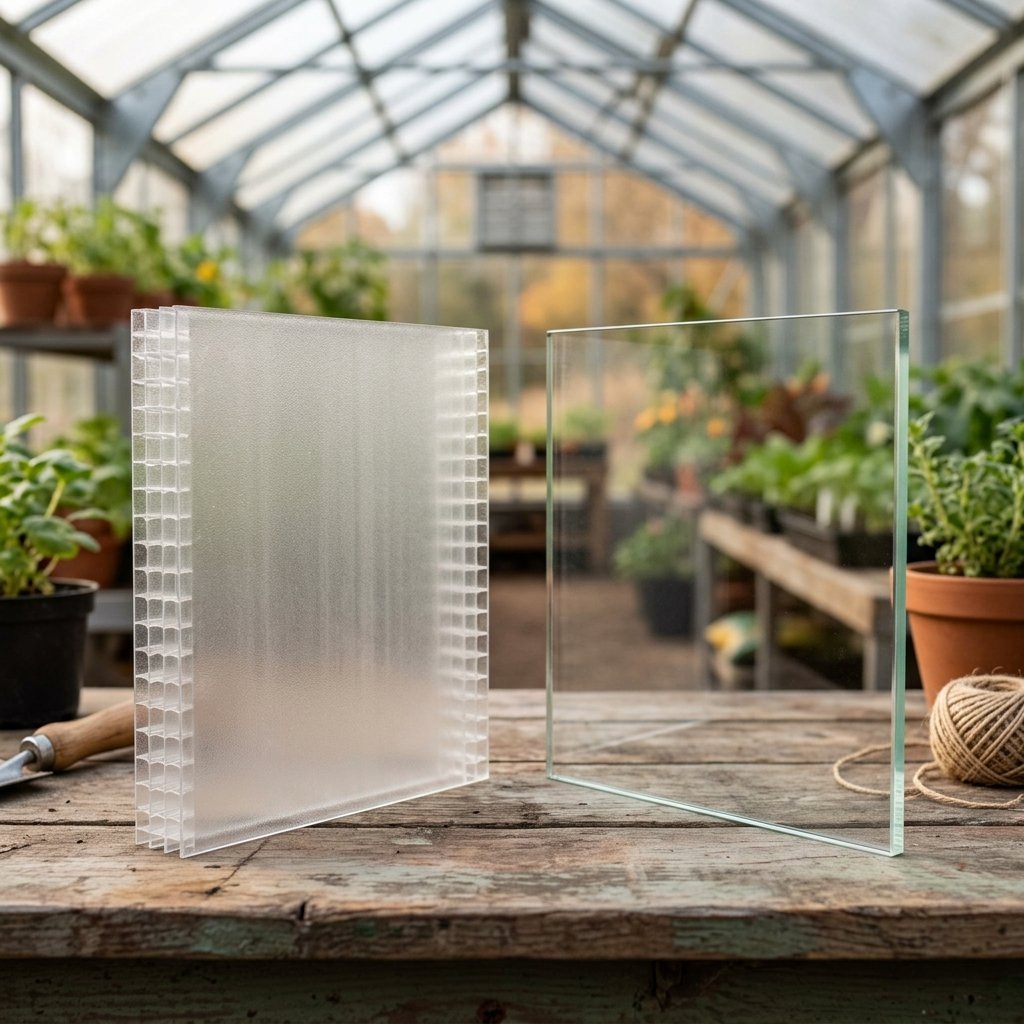
2. Compare Polycarbonate, Glass, and Plastic Greenhouse Covers
The covering affects light, insulation, durability, and maintenance.
| Material | Main considerations |
|---|---|
| Polycarbonate | Panel thickness, insulation, durability |
| Glass | Light transmission, appearance, breakage |
| PE cover | Cost, seasonal use, replacement |
| PVC cover | Cover quality, durability, specifications |
Polycarbonate greenhouse kits are popular because multi-wall panels can offer better insulation than single-layer glazing.
Glass is attractive and provides clear visibility, but its strength and handling requirements depend on the glazing type.
PE and PVC covers are common in portable structures. Their performance varies by product, so check the material specifications and replacement options.
3. Consider Your Local Climate and Winter Conditions
Your local weather should influence the greenhouse you choose.
Gardeners in mild coastal areas may need a different structure from those dealing with heavy snow, strong winds, or freezing temperatures.
Check the manufacturer’s wind and snow ratings. Look at anchoring requirements and consider how rainwater will drain around the greenhouse.
For winter gardening, remember that an unheated greenhouse won’t maintain warm temperatures simply because it has a protective cover.
Cold-sensitive plants may need additional insulation, heating, or a different growing schedule.
4. Check Ventilation and Temperature Control
Greenhouses can become hot quickly when sunlight enters through the covering.
Roof vents, side windows, doors, and fans help move air through the structure.
Automatic vent openers can reduce the need for manual adjustments, while fans may improve airflow in larger greenhouses.
Choose ventilation based on greenhouse size, local weather, and the plants you intend to grow.
Good airflow also helps manage excess humidity.
5. Check the Foundation, Anchoring, and Installation
A greenhouse needs a suitable base.
The installation area should be level, stable, and able to support the structure.
Depending on the greenhouse, you may need a foundation frame, ground anchors, prepared paving, or another suitable base.
Read the installation instructions before buying. If the structure is large or the ground conditions are difficult, professional installation may be worth considering.
6. Compare Price, Warranty, and Long-Term Value
The advertised greenhouse price doesn’t always include everything you’ll need.
Check whether the kit includes the foundation, vents, shelving, anchors, and installation hardware.
Also consider replacement panels, cover materials, maintenance, and any heating or ventilation equipment.
Warranty terms matter. Look at what is covered, how long coverage lasts, and whether damage caused by weather is excluded.
A slightly more expensive greenhouse may offer better value if it includes useful features and has suitable construction for your garden.
7 High-Value Greenhouse Accessories Worth Considering
The right accessories can make greenhouse gardening easier, but you don’t need to buy everything at once.
1. Greenhouse Heater
A greenhouse heater can help maintain temperatures for sensitive plants during colder periods.
Choose equipment intended for greenhouse use and follow the manufacturer’s safety instructions.
2. Automatic Vent Opener
An automatic vent opener helps regulate temperature by responding to heat.
It’s a useful addition for gardeners who can’t check their greenhouse throughout the day.
3. Greenhouse Shelving
Shelving provides space for seed trays, pots, and gardening supplies.
Choose shelves with a suitable load rating and enough room for airflow.
4. Greenhouse Fans
Fans help move air around the greenhouse.
They can be useful during warmer weather, particularly in larger structures.
5. Drip Irrigation System
Drip irrigation delivers water directly to plants.
It can help simplify watering when growing vegetables in containers or organized planting areas.
6. Greenhouse Thermometer and Humidity Monitor
A thermometer helps you track temperature changes.
A humidity monitor provides additional information about growing conditions, especially when raising seedlings or managing sensitive plants.
7. Greenhouse Shade Cloth
Shade cloth can reduce direct sunlight during hot weather.
Choose a suitable shade level for your plants and climate rather than covering the greenhouse without considering their light requirements.
Related Reads
You might find these helpful as you keep going:
7 Best Fertilizers for Raised Beds (Top Picks + Feeding Guide)
7 Best Self-Watering Systems for Balcony Vegetable Gardens (That Actually Work)
How to Plant, Grow, and Care for ‘Sugar Magnolia’ Snap Peas
FAQ
1. What is the best outdoor greenhouse for backyard gardening?
The best greenhouse depends on your available space, climate, budget, and growing plans. A polycarbonate walk-in greenhouse suits many home gardeners, while compact structures and high tunnels may work better for smaller gardens or existing vegetable beds.
2. Are polycarbonate greenhouses better than glass greenhouses?
Neither material is always better. Polycarbonate can offer useful insulation and impact resistance, depending on its construction. Glass provides clear visibility and strong light transmission. Compare panel specifications, durability, maintenance, and price before choosing.
3. Can you use an outdoor greenhouse during winter?
Yes, but winter growing conditions depend on the greenhouse, local temperatures, and plant selection. An unheated greenhouse may protect plants from some weather without keeping temperatures above freezing. Sensitive crops may need supplemental heating.
4. What size greenhouse is best for a backyard?
Choose a size that fits your available space and growing plans. A compact greenhouse works for herbs and seedlings, while a larger walk-in structure provides room for vegetables and shelving. Measure the interior growing area before purchasing.
5. Do outdoor greenhouses need a foundation?
Many greenhouses need a stable, level base and suitable anchoring. Some kits include a foundation frame, while others require separate preparation. Follow the manufacturer’s installation instructions and consider local wind conditions.
6. Are greenhouse kits worth buying?
Greenhouse kits can simplify purchasing by combining the frame, panels, and required components. Their value depends on construction quality, included accessories, installation requirements, and warranty coverage. Compare the complete setup rather than the advertised price alone.
7. What is the best greenhouse for growing vegetables all year?
A suitable greenhouse depends on your climate, crops, and temperature-control needs. A well-built polycarbonate greenhouse may suit many home gardeners, but winter vegetables and warm-season crops have different requirements. Heating, ventilation, and growing conditions matter as much as the structure itself.
Final Thoughts
The best greenhouse is the one that fits your garden and the way you actually grow.
A compact greenhouse may be enough for seedlings and herbs. A walk-in polycarbonate structure offers more room for vegetables, while a glass greenhouse can suit gardeners who want a traditional design.
Before buying, compare the dimensions, panel materials, ventilation, foundation requirements, warranty, and weather ratings.
Premium greenhouse kits can be a worthwhile investment when you’re planning to grow for several seasons. But the structure alone won’t do the work.
Choose a greenhouse that fits your backyard, match it to your local climate, and add the equipment you genuinely need. That’s a better starting point for productive gardening than buying the biggest or most expensive kit available.