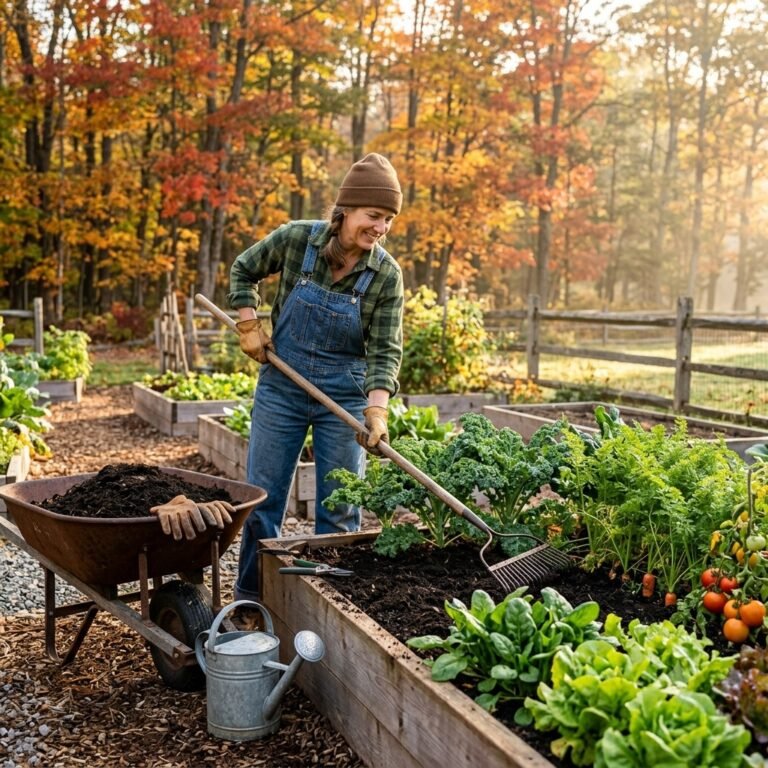

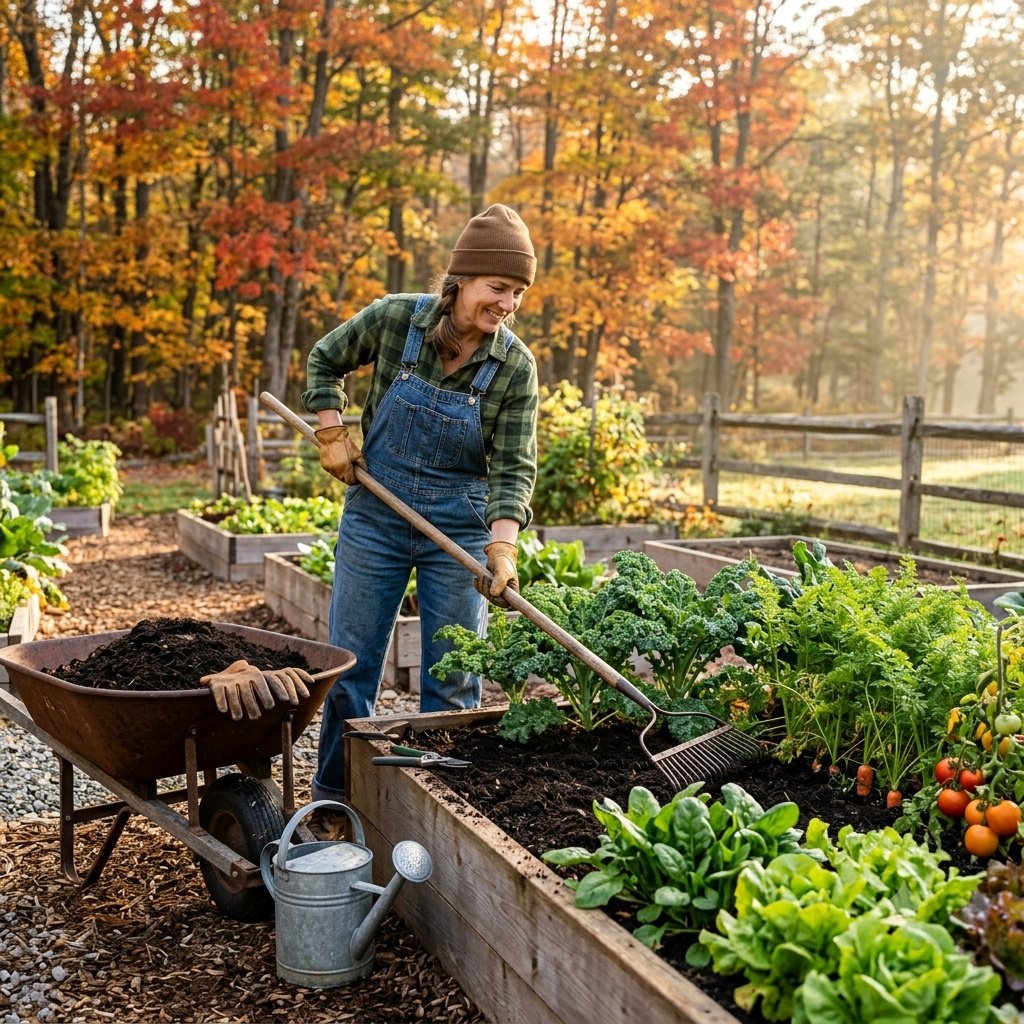
As summer winds down, it’s tempting to think the gardening season is over. The harvest baskets are lighter, many plants have reached the end of their life cycle, and cooler mornings signal it’s time to put the garden to bed. But experienced gardeners know something that beginners often discover later: the work you do now has a direct impact on next year’s harvest.
Fall Garden Preparation isn’t simply about cleaning up. It’s about building healthier soil, reducing pest problems, protecting valuable garden beds, and giving your vegetables the best possible start when spring arrives. Nature doesn’t stop working during winter. Soil organisms remain active, organic matter continues to break down, and earthworms keep improving the soil structure whenever temperatures allow.
I’ve noticed this in my own garden over the years. The seasons when I spent a few weekends removing diseased plants, spreading compost, and covering beds with mulch always rewarded me with stronger seedlings and fewer weeds the following spring. Skipping those jobs, on the other hand, usually meant spending extra time fixing problems that could have been prevented.
Whether you grow vegetables in raised beds, traditional garden rows, or containers, these practical fall tasks will help you protect everything you’ve worked so hard to build throughout the growing season
Why Fall Garden Preparation Matters More Than Most Gardeners Realize
Many gardeners wait until spring to improve their soil, but autumn often provides the perfect opportunity. Organic materials have months to break down naturally, creating rich, crumbly soil before planting season begins.
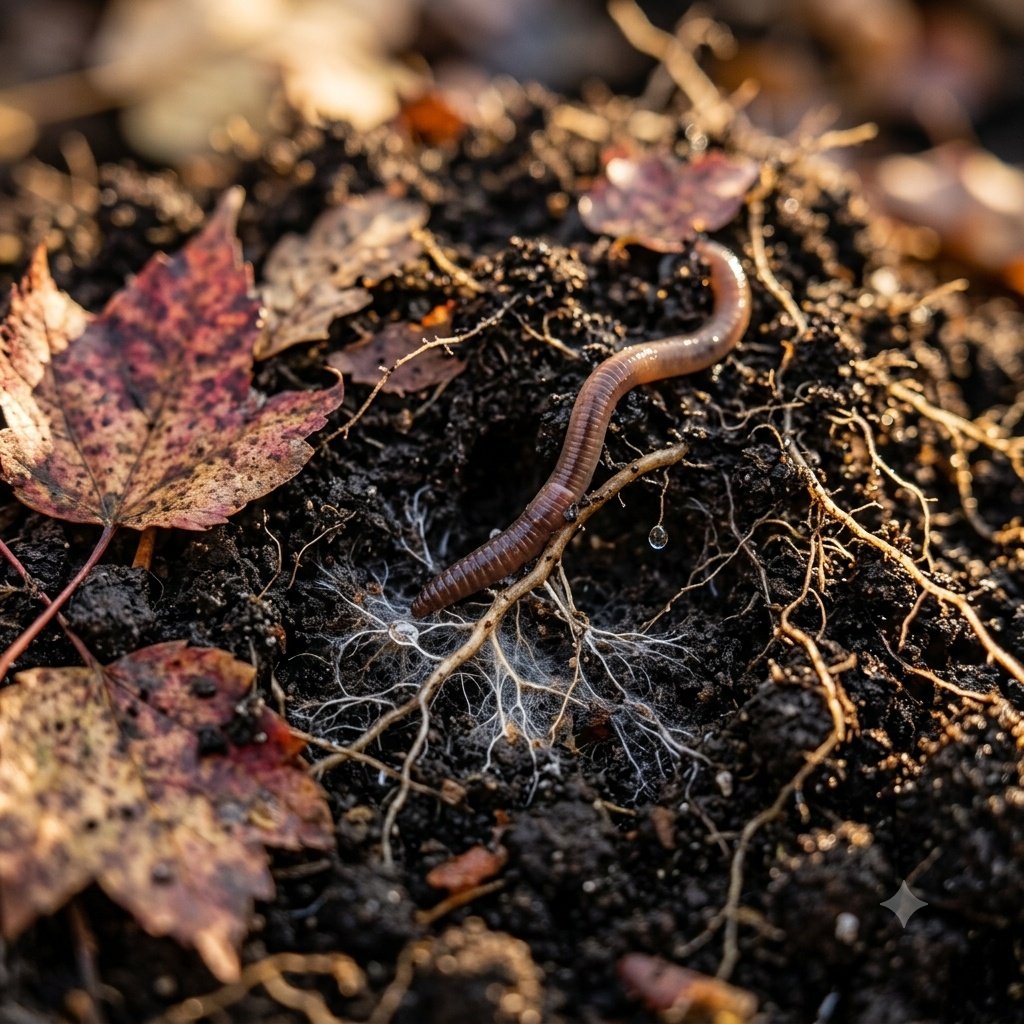
Cooler weather also slows weed growth while giving beneficial microbes time to process compost and other organic matter. Even during winter, earthworms continue tunneling whenever the ground isn’t frozen solid, improving drainage and aeration.
Fall cleanup also interrupts the life cycle of many insects and plant diseases. Removing infected foliage, clearing away weeds before they produce seeds, and protecting exposed soil all reduce the number of problems waiting for you next year.
Perhaps the biggest advantage is peace of mind. Instead of rushing through dozens of chores during busy spring weekends, you’ll be able to focus on planting, watering, and enjoying your garden.
Recommended Products for Fall Garden Preparation
1. Remove Dead and Diseased Plants
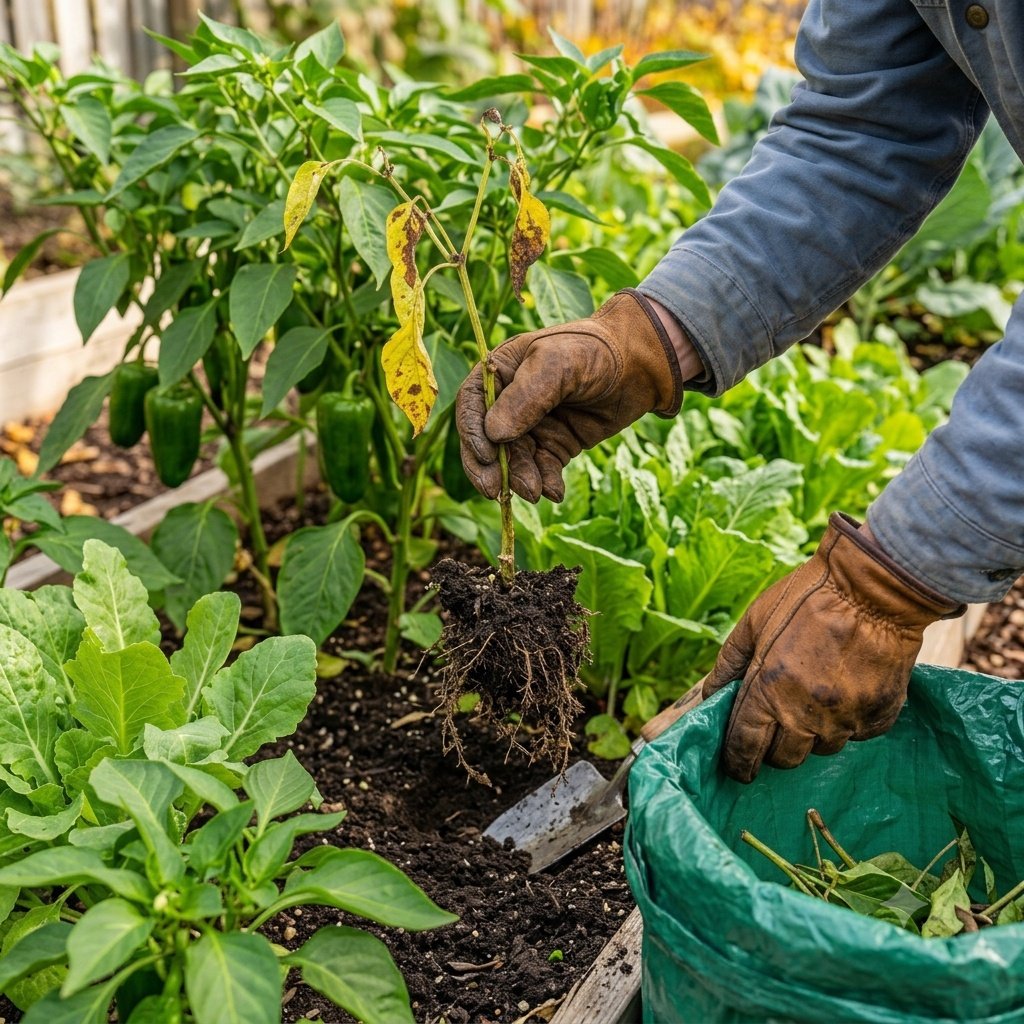
Start by clearing away vegetable plants that have finished producing, especially those showing signs of disease.
Tomato blight, powdery mildew, bacterial spots, and fungal infections can survive the winter on infected plant material. If left behind, these problems often return once warm weather arrives.
Healthy plants can be composted, but anything diseased should be disposed of according to local recommendations instead of adding it to your compost pile.
One season I left a few infected tomato vines in place because I planned to remove them later. Winter arrived first, and the following summer those same beds developed disease much earlier than expected. Since then, removing infected plants has become one of my first fall jobs.
Recommended Products
- Heavy-duty garden gloves
- Bypass pruners
- Reusable garden waste bags
2. Pull Out Stubborn Weeds Before They Set Seed
Autumn offers one last opportunity to get ahead of next year’s weeds.
Many annual weeds are busy producing seeds before frost arrives. Pulling them now prevents thousands of new weeds from appearing in spring.
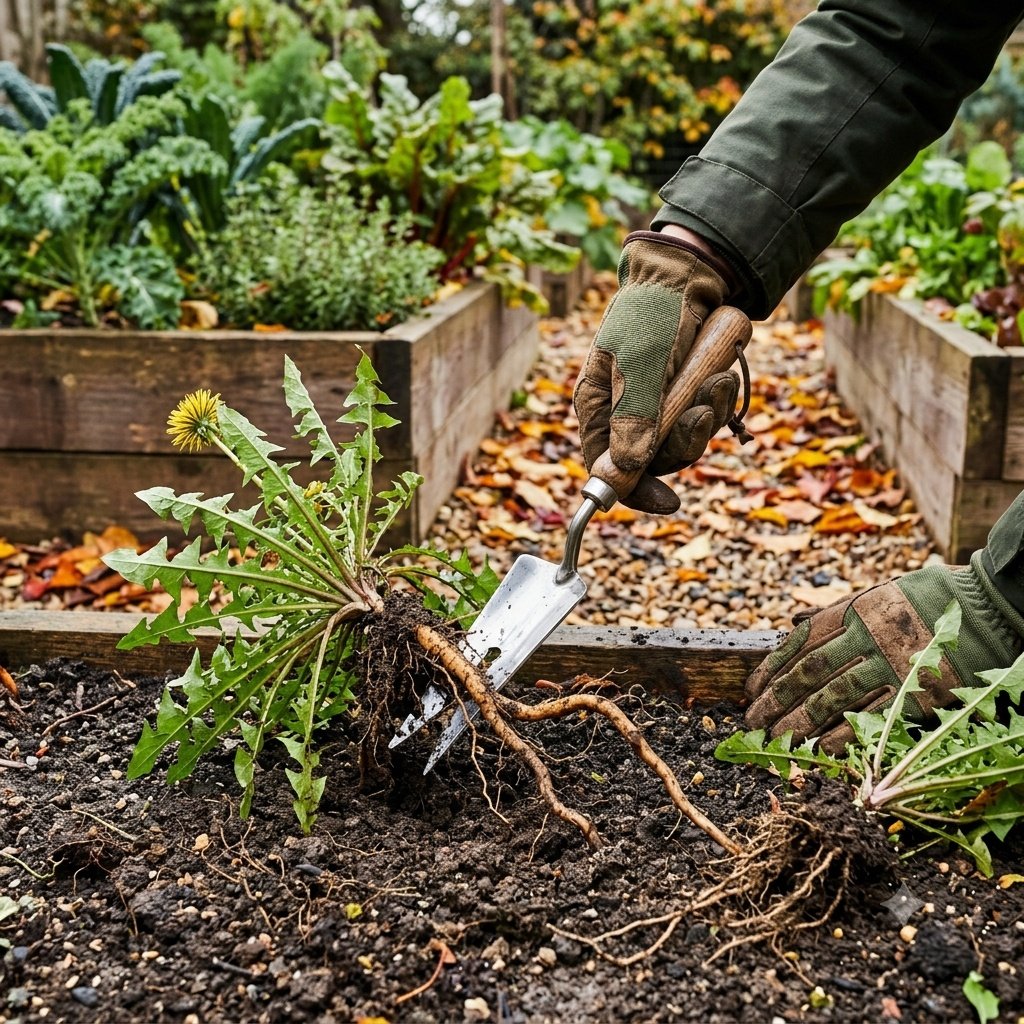
Don’t overlook perennial weeds such as dandelions, thistles, and bindweed. Their roots continue storing energy during fall, making this one of the most effective times to remove them completely.
A hand weeder works well after a light rain when the soil is soft enough to pull entire root systems without breaking them apart.
Recommended Products
- Stand-up weed puller
- Stainless steel hand weeder
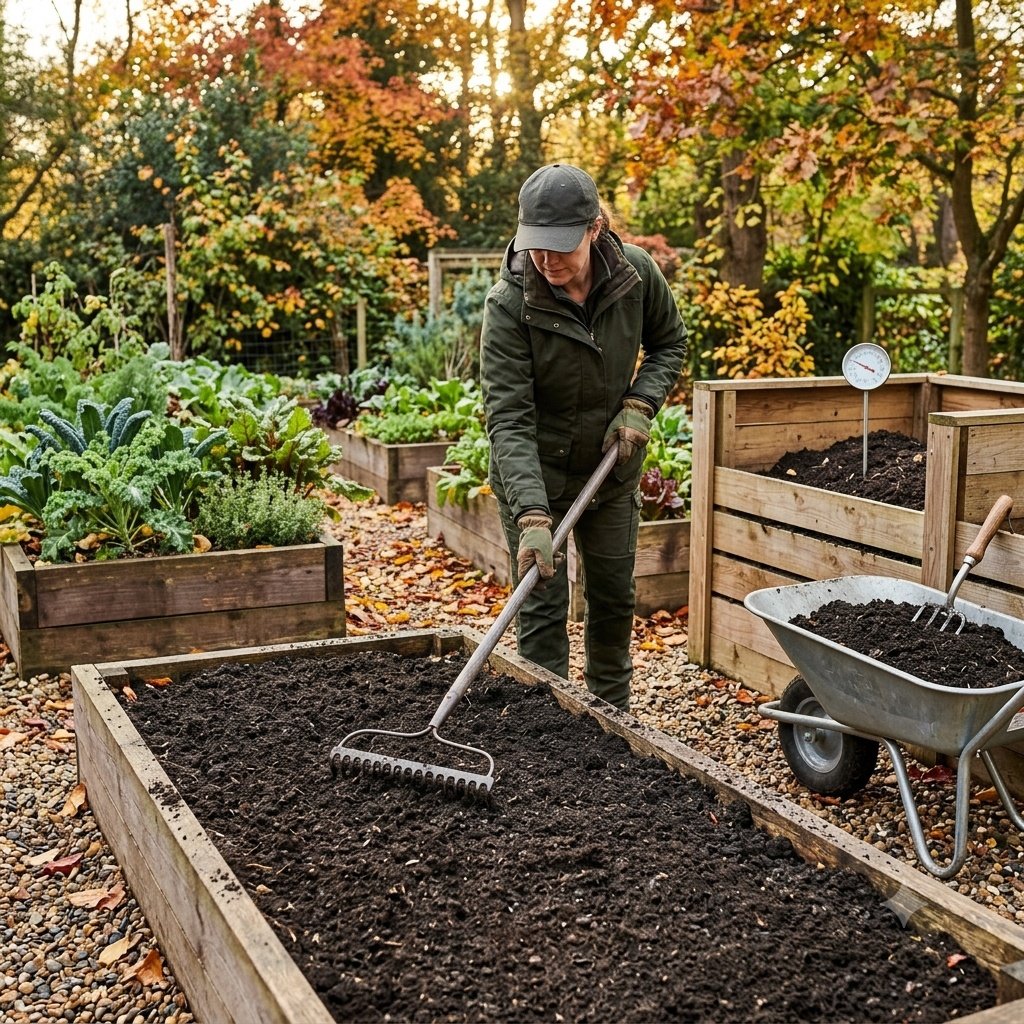
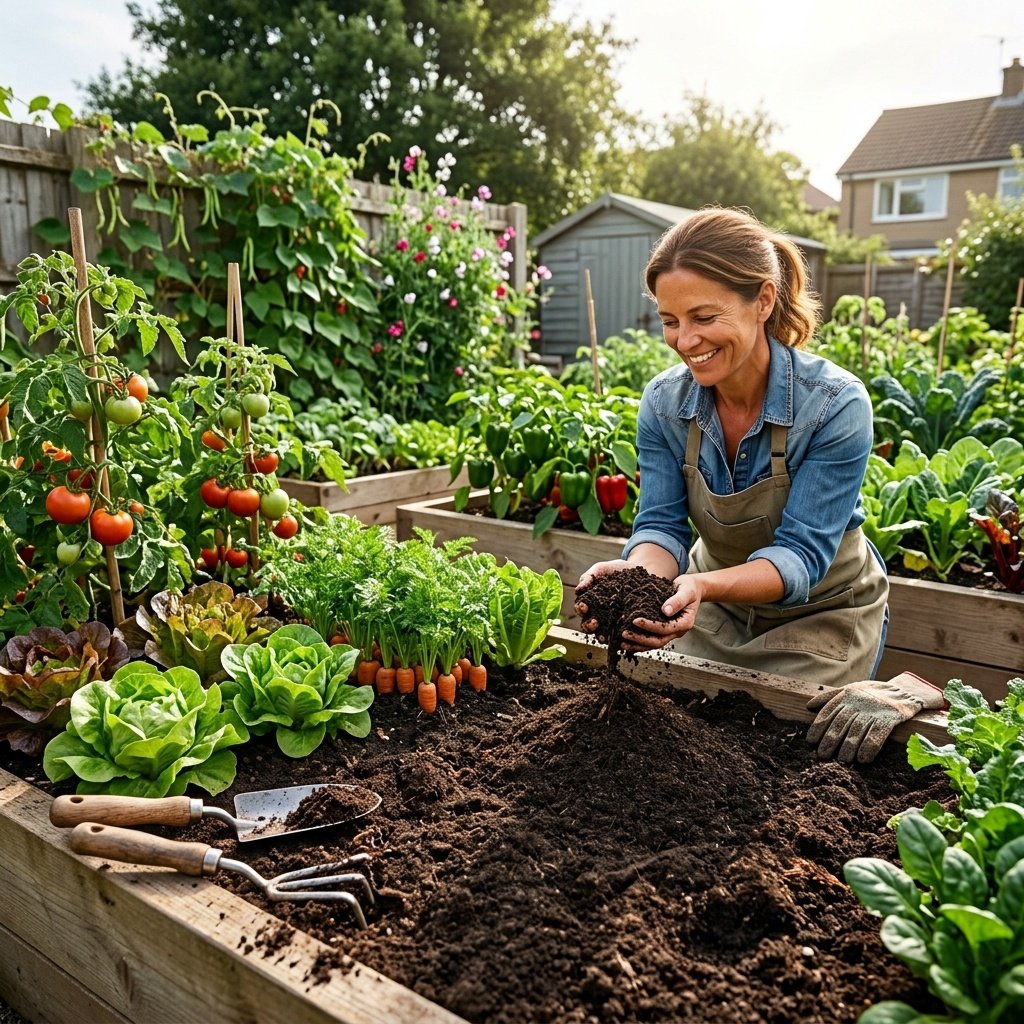
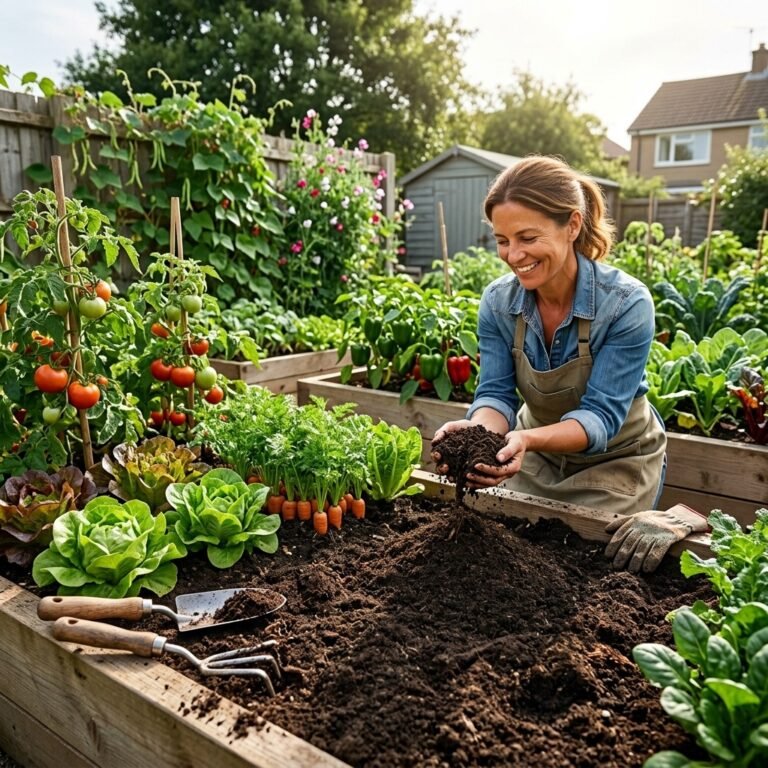
3. Add Compost to Every Garden Bed
If there’s one fall task that consistently improves next year’s harvest, it’s adding compost.
Compost replaces nutrients that vegetables removed throughout the growing season while improving soil structure at the same time. Clay soils become easier to work, sandy soils hold moisture longer, and beneficial microbes receive a fresh supply of organic matter.
Homemade compost is ideal if it’s fully finished, but quality bagged compost also produces excellent results.
Spread two to three inches across each bed and allow winter weather to help work it into the soil naturally. By spring, you’ll have darker, richer soil that’s ready for planting.
Healthy soil isn’t built overnight. It’s created one season at a time, and fall is one of the best times to invest in it.
Recommended Products
- Compost tumbler
- Organic compost
- Compost thermometer
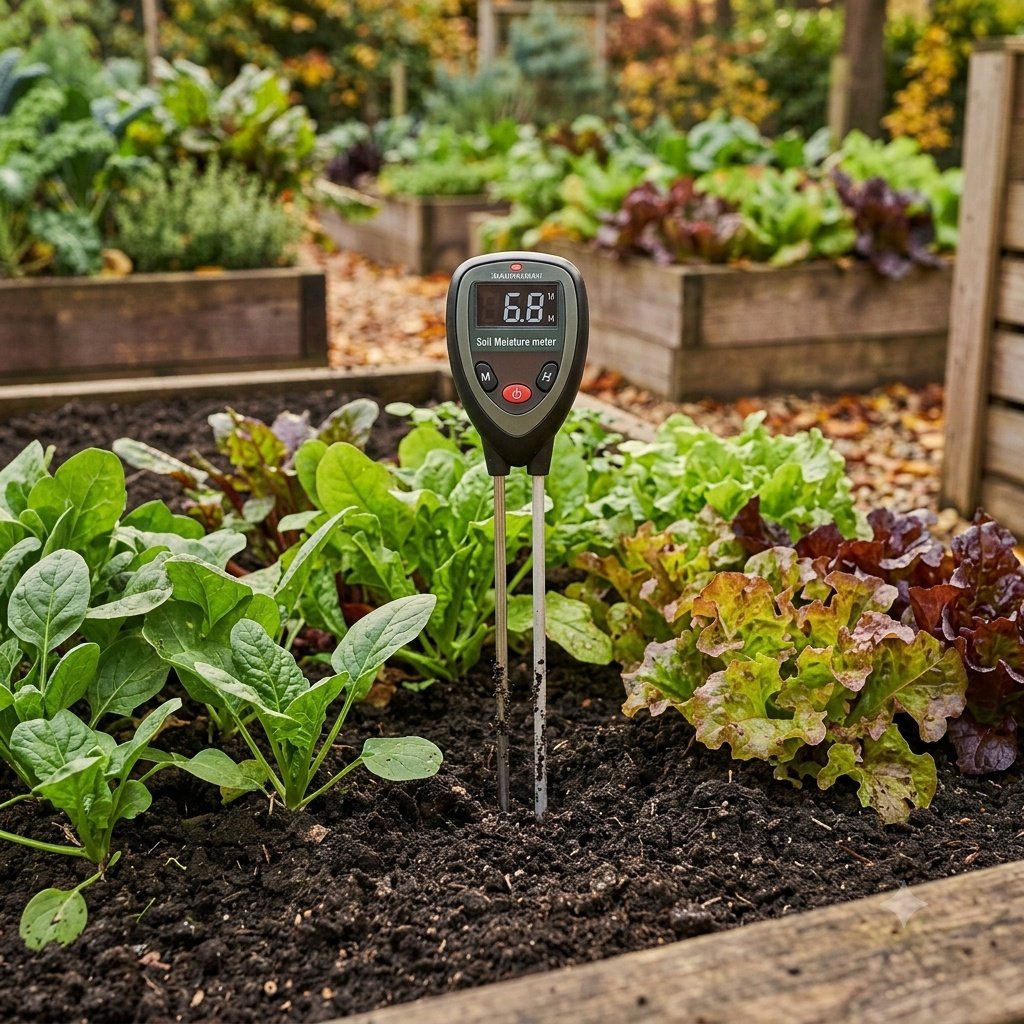
4. Test Your Soil Before Winter
Many gardeners guess what their soil needs. A simple soil test removes the guesswork.
Testing in fall gives you plenty of time to adjust pH or nutrient levels before planting season begins. If lime, sulfur, or other soil amendments are needed, winter moisture helps them move into the soil gradually.
Most home test kits measure:
- Soil pH
- Nitrogen
- Phosphorus
- Potassium
Knowing your soil’s condition also prevents unnecessary fertilizer applications, saving both money and effort.
Recommended Products
- Home soil test kit
- Digital soil meter
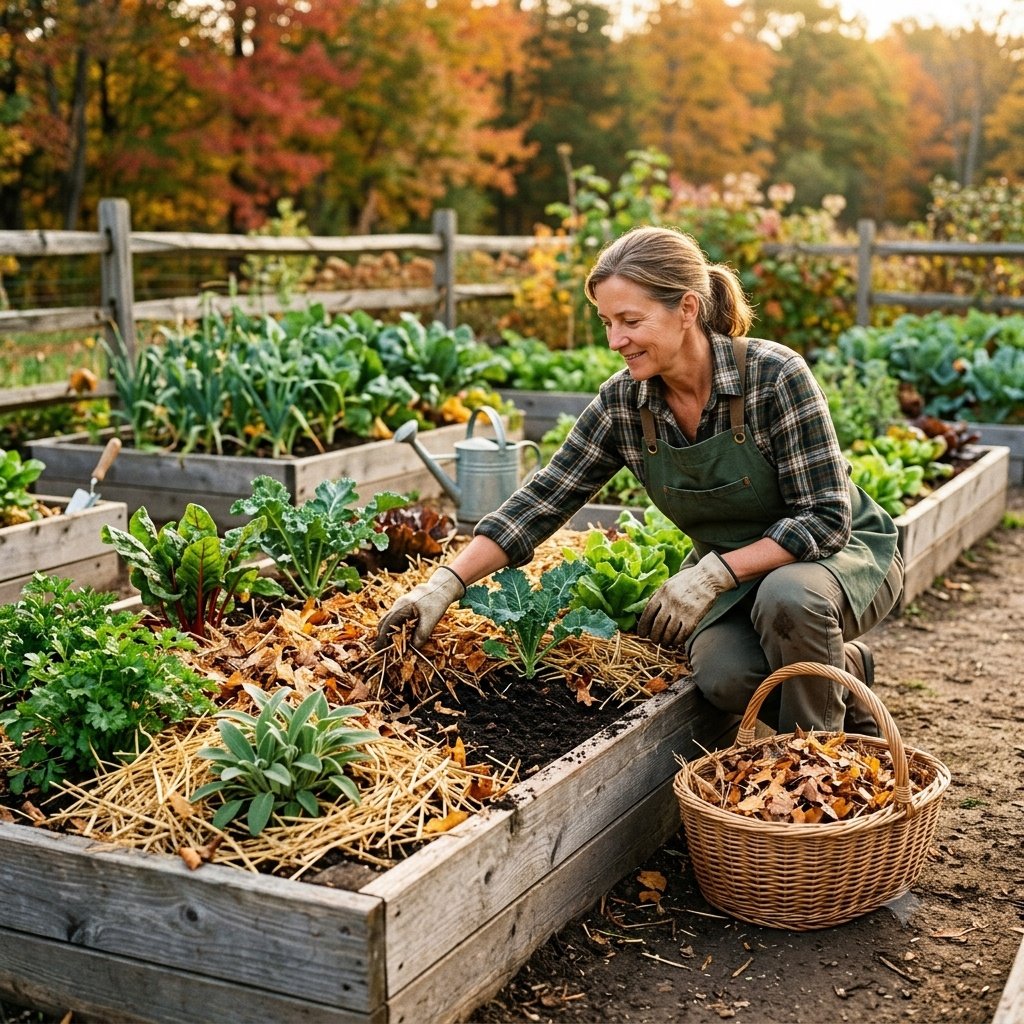
5. Mulch Garden Beds Generously
Bare soil spends the entire winter exposed to rain, snow, freezing temperatures, and erosion.
Adding mulch protects that investment.
Organic mulch helps regulate soil temperature, reduces erosion from heavy rainfall, conserves moisture, and slowly feeds beneficial soil organisms as it breaks down.
Excellent fall mulch options include:
- Shredded leaves
- Clean straw
- Pine needles
- Partially composted wood chips
A layer about two to four inches deep usually provides good protection without smothering the soil.
If you have mature trees on your property, fallen leaves are one of the most valuable free resources available. Run them through a leaf shredder first so they’ll break down faster and stay in place during windy weather.
Recommended Products
- Organic garden mulch
- Leaf shredder
- Mulching rake
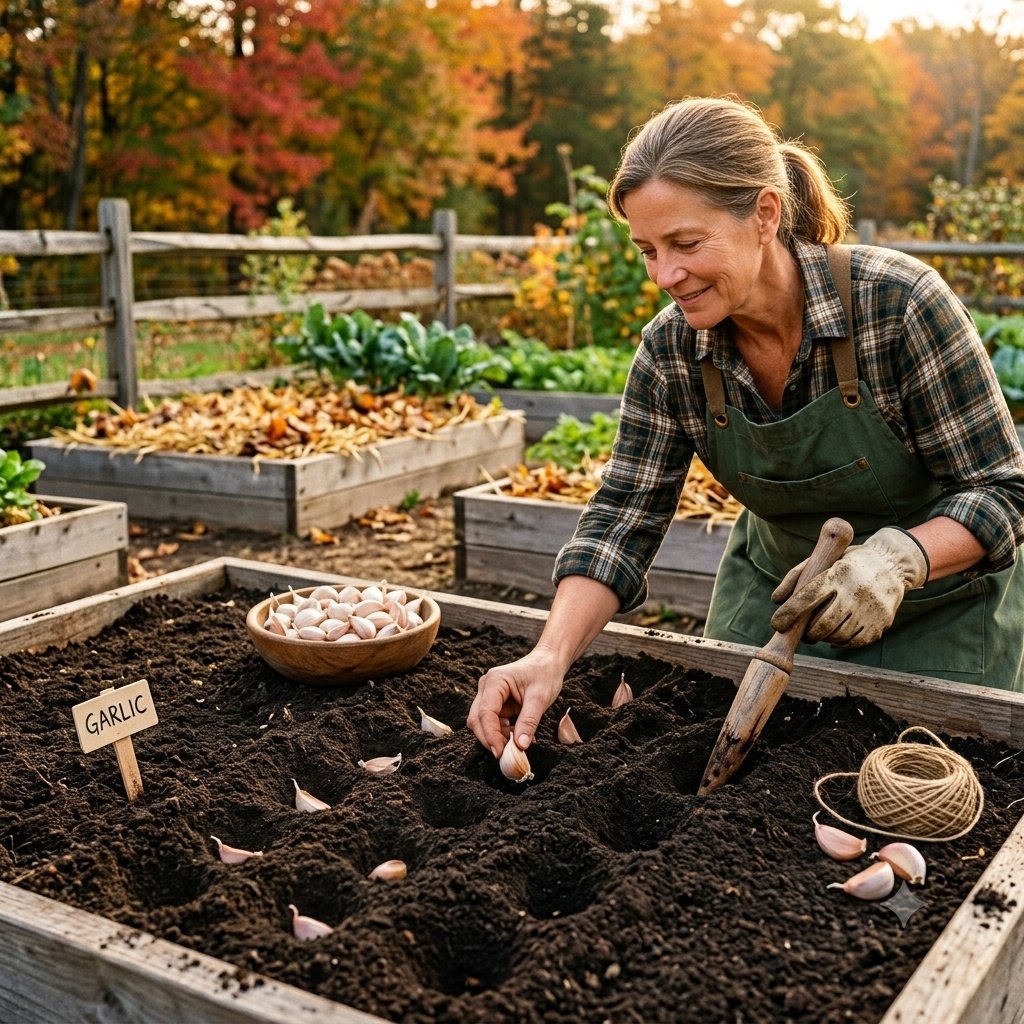
6. Plant Garlic and Other Cool-Season Crops
Fall isn’t only about cleanup.
It’s also one of the best planting seasons for certain vegetables.
Garlic is perhaps the easiest example. Plant individual cloves several weeks before the ground freezes, cover them with mulch, and they’ll establish roots before winter. By next summer, you’ll harvest full-sized bulbs with rich flavor.
Depending on your climate, you can also plant:
- Shallots
- Overwintering onions
- Spinach
- Kale
- Mâche
- Certain cold-tolerant lettuces
Gardeners in milder regions may continue harvesting fresh greens well into winter by using row covers or low tunnels.
Recommended Products
- Certified seed garlic
- Garden dibber
- Row cover hoops
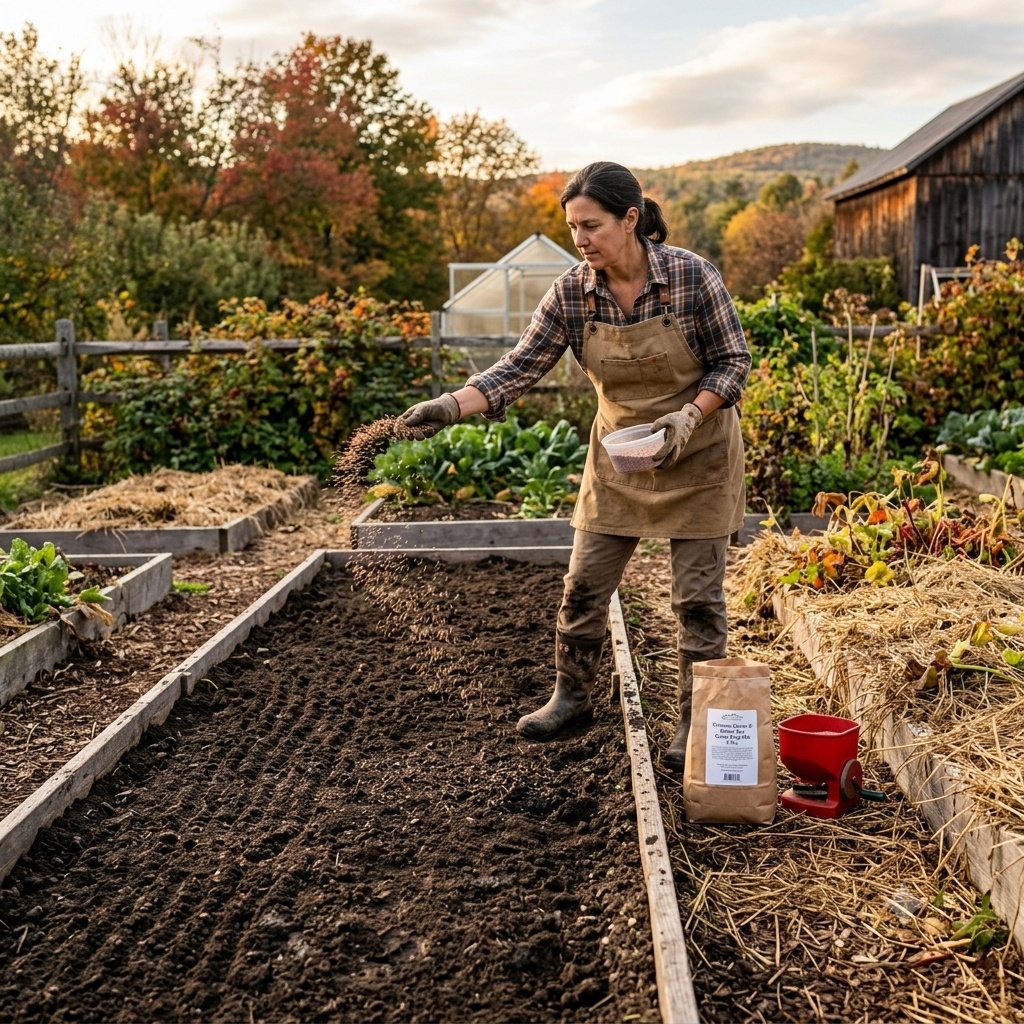
7. Sow a Cover Crop
Instead of leaving empty beds exposed, consider planting a cover crop.
These plants aren’t grown for harvest. They’re grown to improve your soil.
Popular choices include cereal rye, crimson clover, winter peas, and hairy vetch. Each offers different benefits, but together they help reduce erosion, suppress weeds, improve soil structure, and add valuable organic matter.
Legume cover crops also fix nitrogen from the air, making it available to future vegetable crops once the plants break down.
Come spring, the cover crop can be cut and incorporated into the soil or left on the surface as natural mulch, depending on your gardening method.
It’s one of the simplest ways to build healthier soil without relying entirely on purchased amendments.
Recommended Products
- Cover crop seed mix
- Broadcast seed spreader
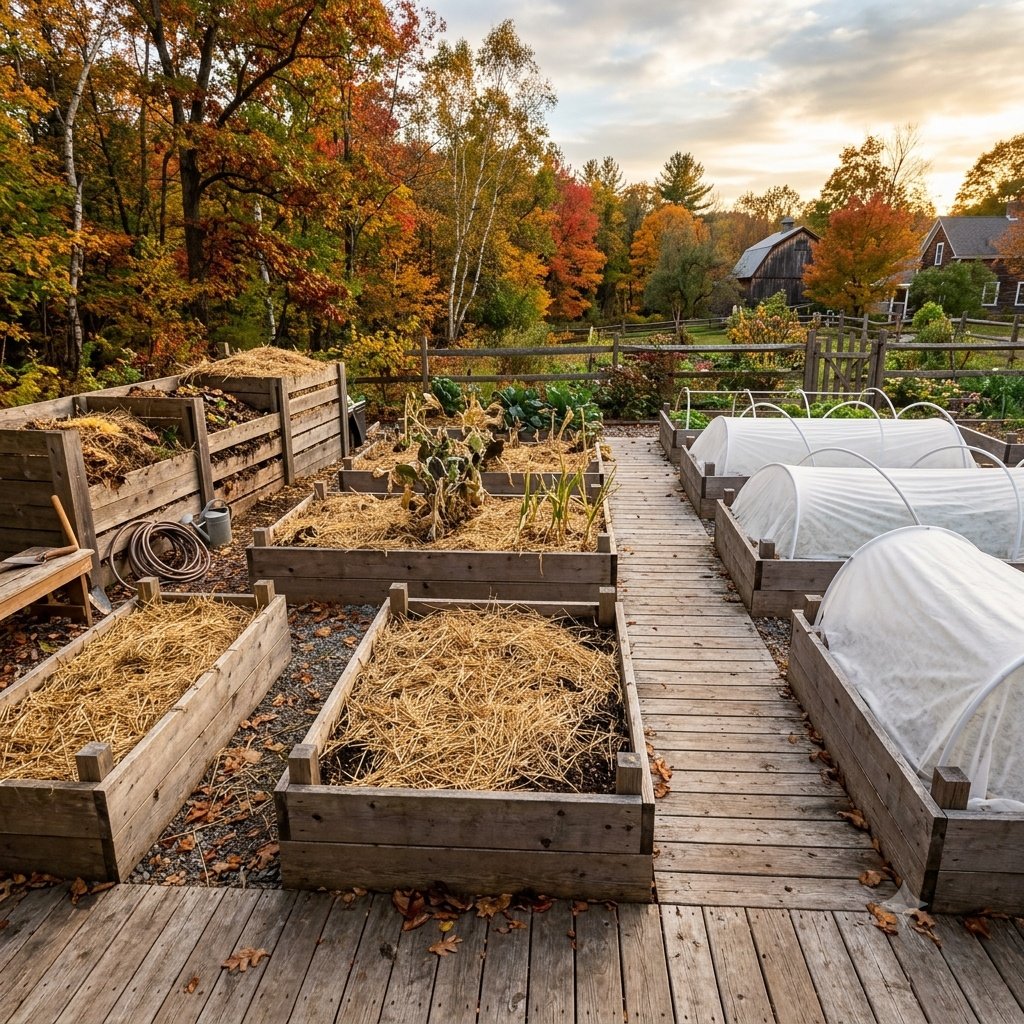
8. Protect Raised Beds from Winter Damage
Raised beds offer excellent drainage during the growing season, but they’re also more exposed to winter weather.
Heavy rain can wash nutrients away, repeated freezing and thawing can disturb the soil surface, and strong winds may leave beds dry and compacted by spring.
If a raised bed will remain empty through winter, don’t leave the soil uncovered.
Apply a generous layer of mulch or plant a cover crop to shield the surface. In areas with harsh winters, temporary covers or frost fabric can help reduce weather-related damage while still allowing airflow.
It’s also a good time to inspect bed frames. Tighten loose screws, replace damaged boards, and make any repairs before cold weather makes outdoor work less enjoyable.
A little maintenance now helps your raised beds stay productive for many growing seasons.
Recommended Products
- Raised bed covers
- Frost protection fabric
- Weather-resistant bed clips
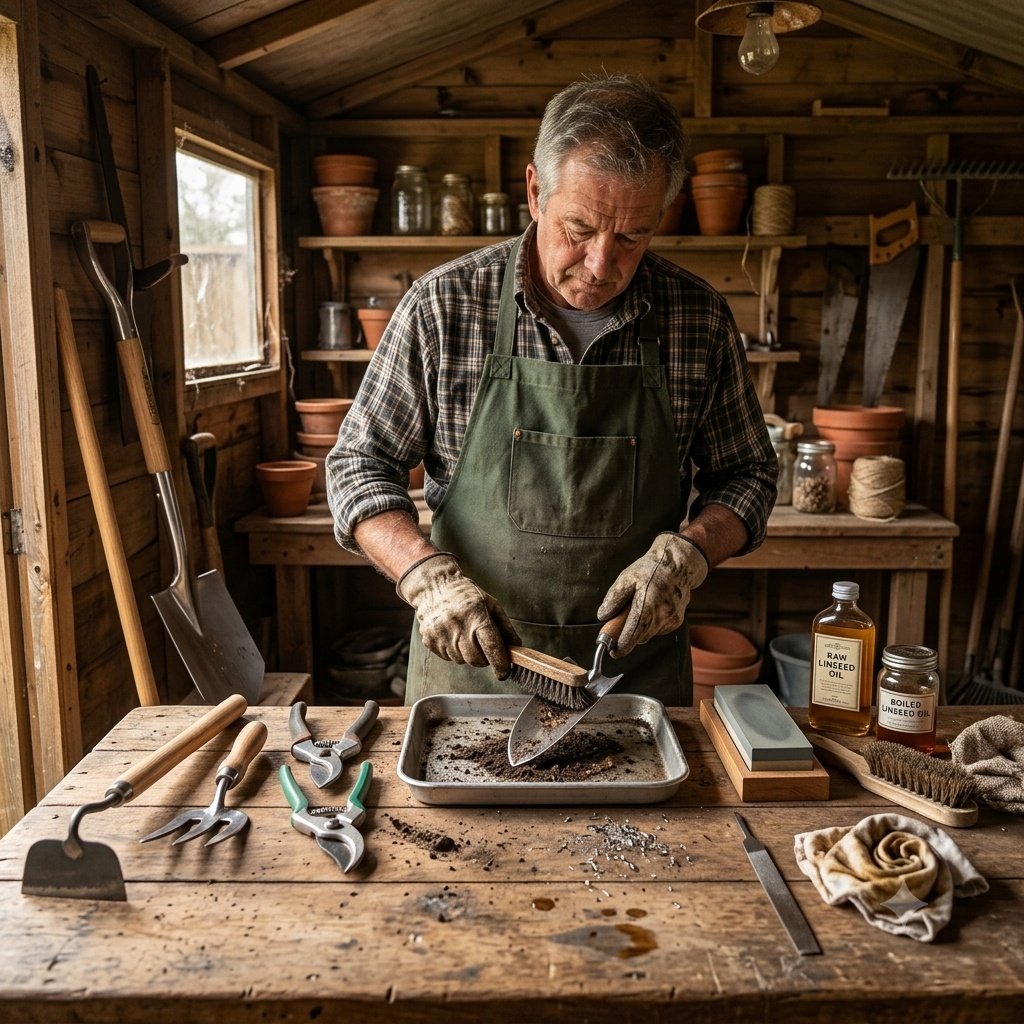
9. Clean, Sharpen, and Oil Your Garden Tools
Your garden tools work hard all season, so don’t put them away covered in dirt and moisture. A little maintenance now will help them last for years and make spring gardening much easier.
Wash off soil with water and a stiff brush, then dry each tool thoroughly. Sharpen pruners, shovels, hoes, and other cutting tools to ensure clean cuts that reduce stress on plants. Finish by wiping metal parts with a light coat of linseed oil or another rust-preventive oil.
Check wooden handles for cracks or splinters, replacing damaged ones before they become a safety hazard.
Recommended Products
- Tool sharpening stone
- Linseed oil
- Garden tool cleaning kit
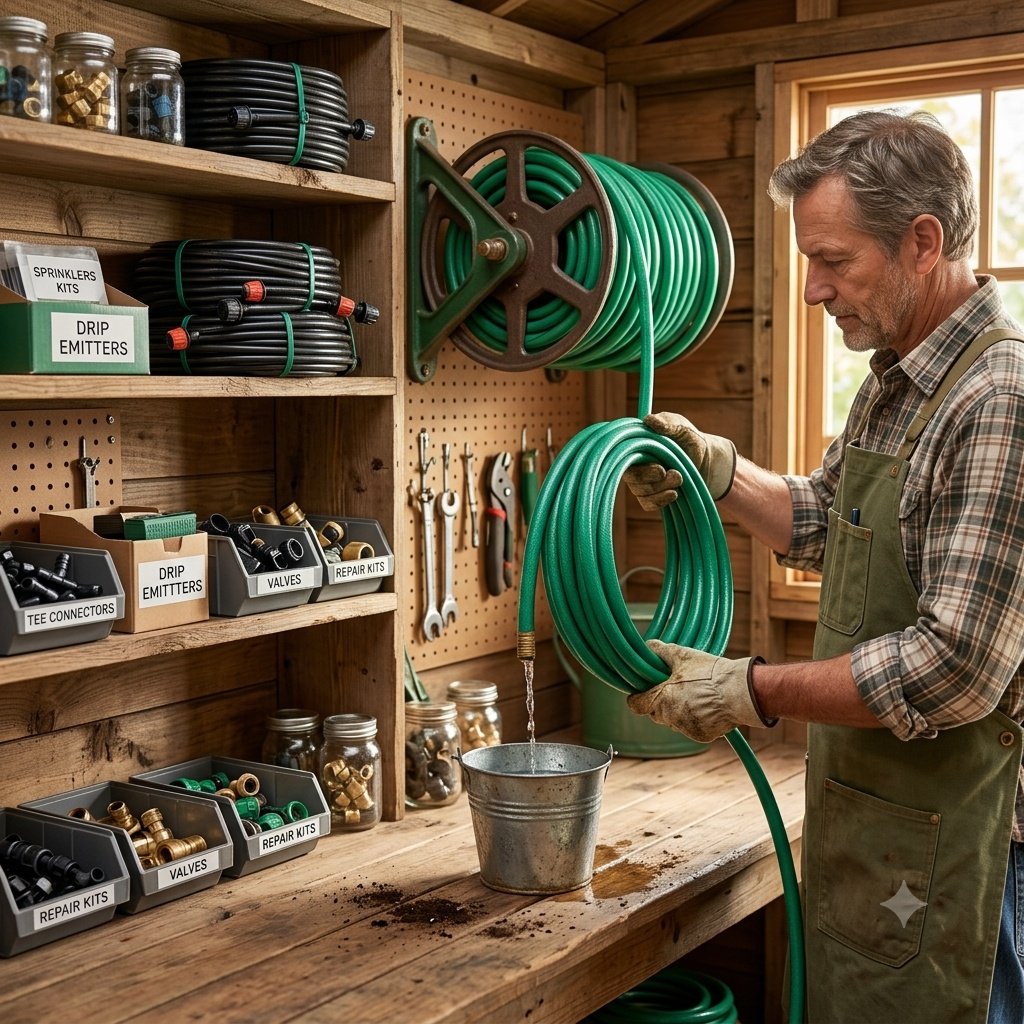
10. Drain and Store Irrigation Equipment
Freezing temperatures can crack hoses, sprinklers, and drip irrigation lines if water is left inside.
Disconnect garden hoses, drain them completely, and coil them neatly before storing them in a garage or shed. Empty timers, filters, and connectors, and inspect drip lines for damage that should be repaired before next season.
Taking a few minutes now can save you from replacing expensive irrigation equipment in spring.
Recommended Products
- Hose reel
- Hose end caps
- Drip irrigation repair kit
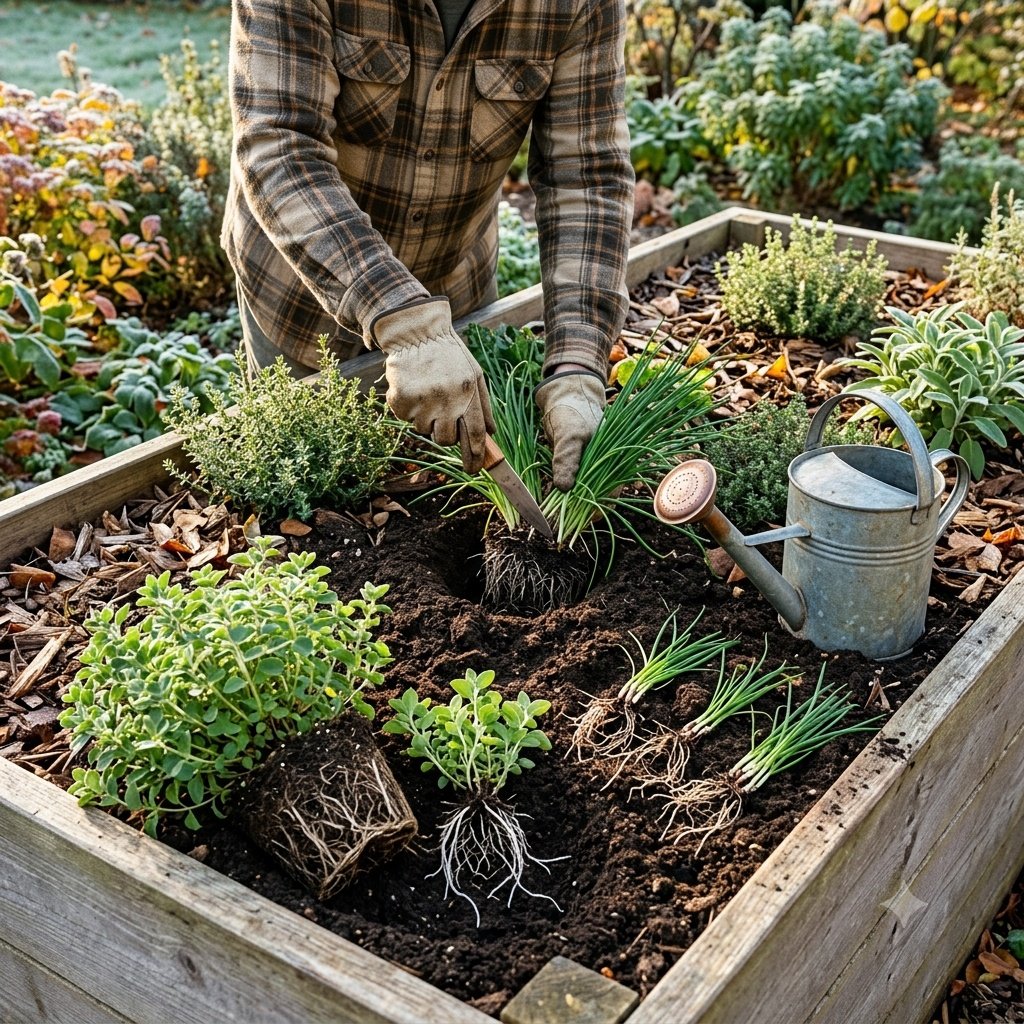
11. Divide and Replant Perennial Herbs
Many perennial herbs benefit from being divided every few years. Plants such as chives, oregano, thyme, and lemon balm often become crowded, reducing their vigor over time.
Carefully dig up mature clumps, divide the roots into healthy sections, and replant them with enough space to grow. Water well after planting and apply a light layer of mulch for winter protection.
If you grow mint, consider keeping it in containers since it spreads aggressively in garden beds.
Recommended Products
- Garden knife
- Hand trowel
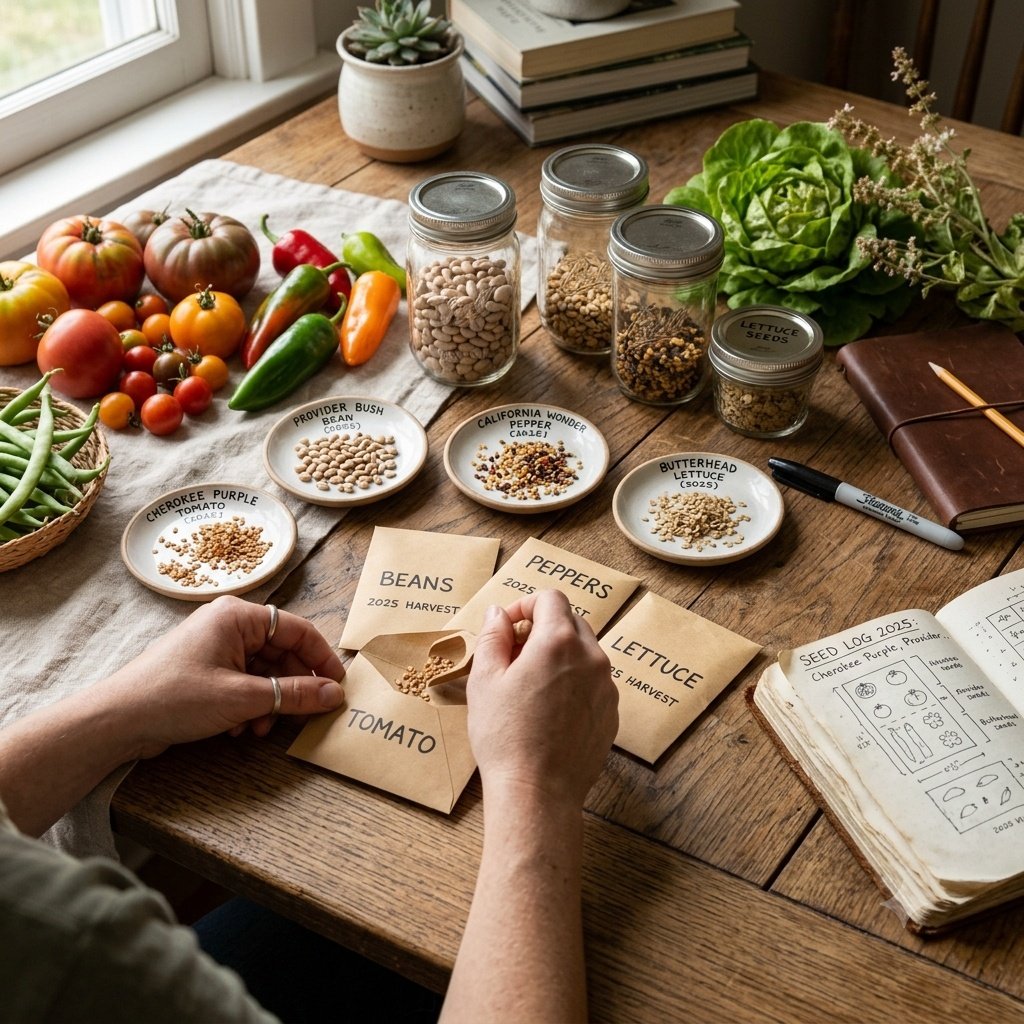
12. Save Seeds from Healthy Plants
Seed saving is a rewarding habit that can reduce gardening costs while preserving varieties that perform well in your local conditions.
Choose seeds only from healthy, disease-free plants. Tomatoes, beans, peas, peppers, lettuce, and many herbs are good choices for beginners.
Allow seeds to dry completely before storing them in labeled paper envelopes or airtight containers in a cool, dry place. Proper storage helps maintain good germination rates for the following season.
It’s also satisfying to grow vegetables from seeds you’ve collected yourself.
Recommended Products
- Seed storage envelopes
- Airtight storage containers
- Waterproof labels
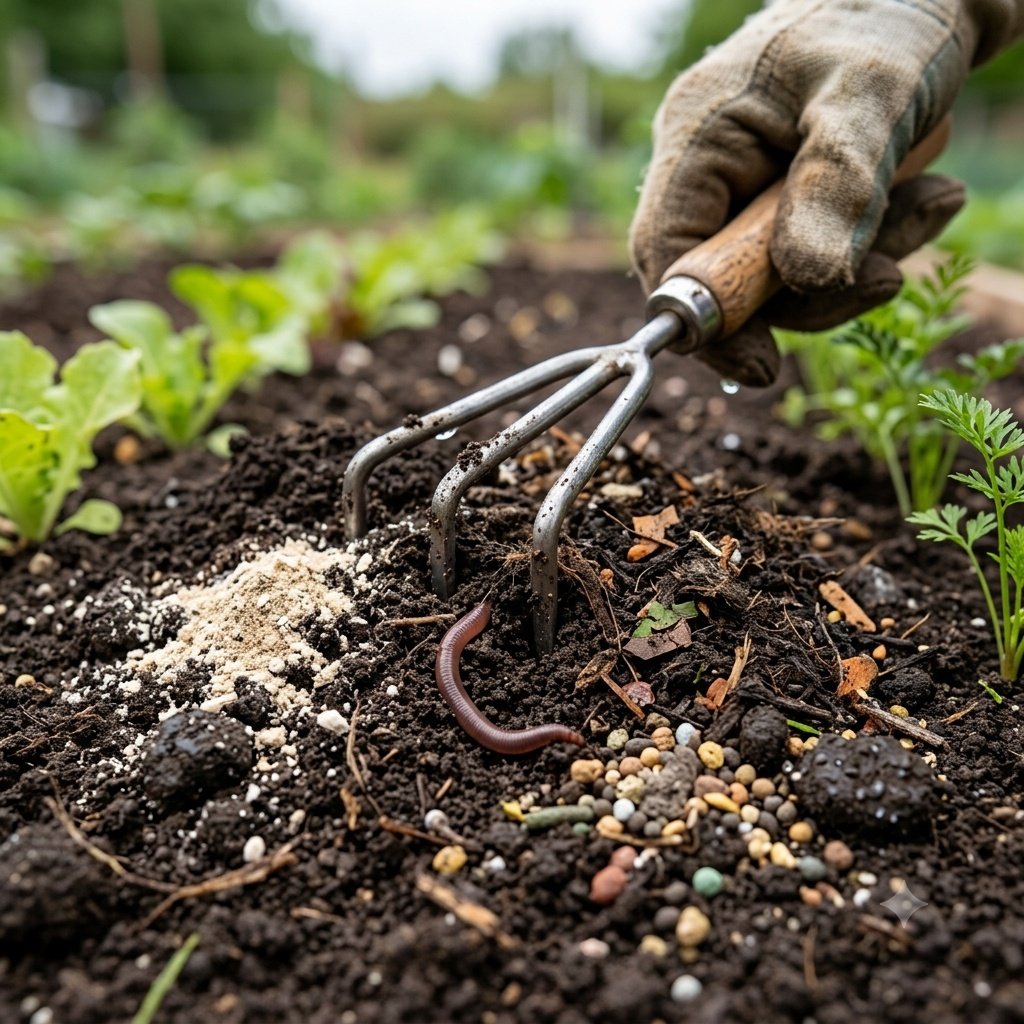
13. Feed the Soil, Not Just the Plants
Healthy gardens begin with healthy soil. Instead of focusing only on fertilizers, improve the living ecosystem beneath the surface.
Organic amendments such as worm castings, aged manure, bone meal, and rock phosphate slowly release nutrients while supporting beneficial microbes.
Over time, richer soil holds moisture better, drains more effectively, and produces stronger plants with fewer nutrient deficiencies.
Think of every fall soil improvement as an investment that continues paying off long after winter has passed.
Recommended Products
- Organic vegetable fertilizer
- Premium worm castings
- Bone meal
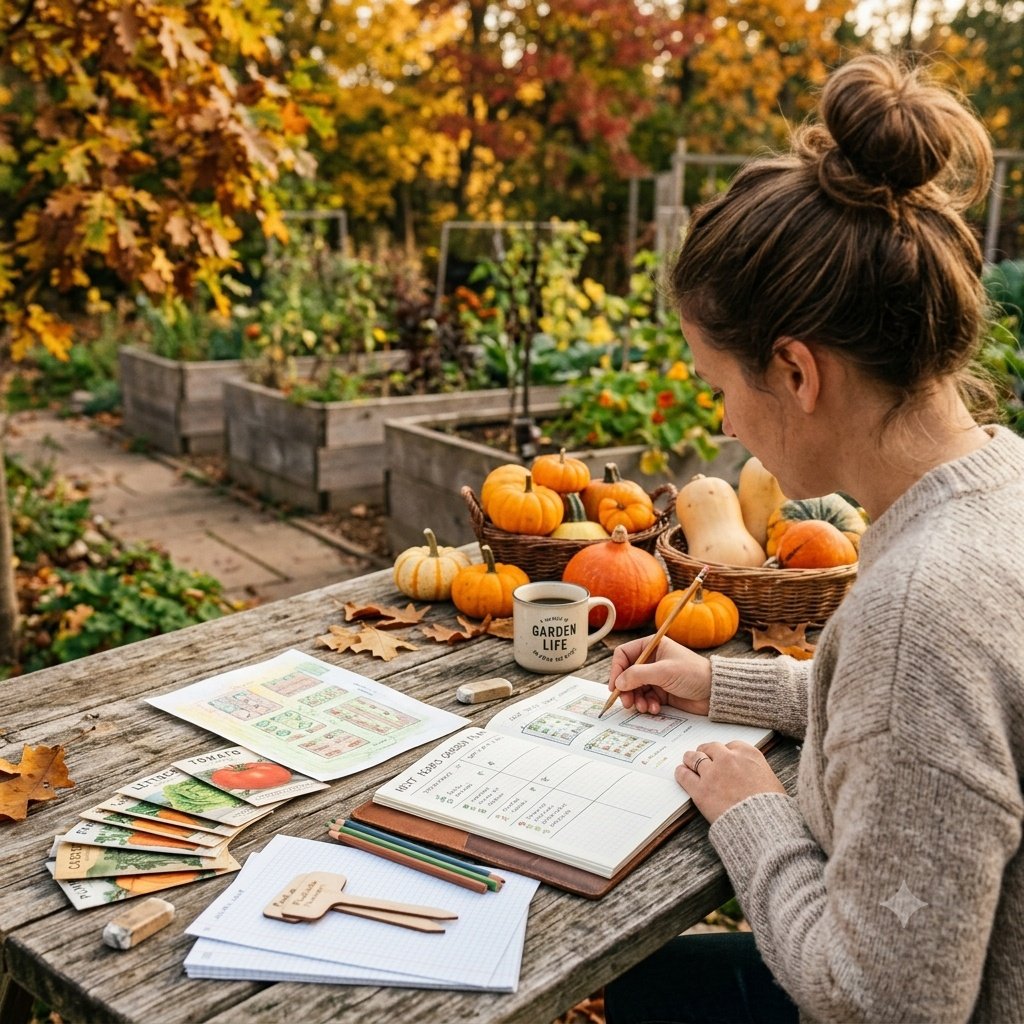
14. Plan Next Year’s Garden Layout
While this season is still fresh in your mind, sketch next year’s garden plan.
Note which crops performed well, where pests appeared, and which beds received the most sunlight. Rotate crop families to reduce disease buildup and improve soil health.
A simple notebook or garden journal can help you remember planting dates, harvest times, and successful companion planting combinations.
Planning ahead also makes spring planting far less stressful.
Recommended Products
- Garden planner journal
- Weatherproof plant labels
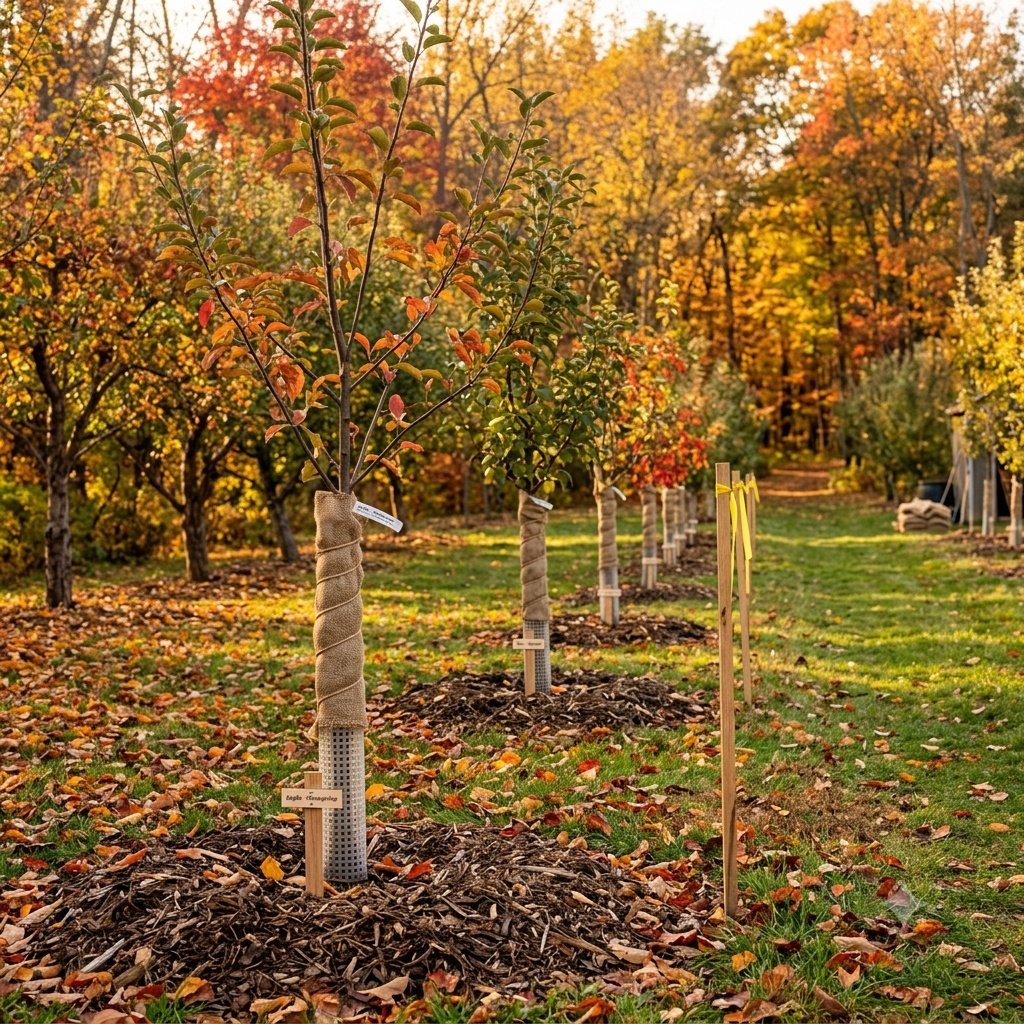
15. Protect Young Trees, Shrubs, and Perennials
Young fruit trees, berry bushes, and perennial vegetables benefit from extra protection during winter.
Apply mulch around the base to insulate roots, keeping it a few inches away from trunks to discourage rot. Install tree guards to prevent damage from rabbits, mice, and other animals that feed on bark during colder months.
In areas with severe winters, wrap vulnerable trunks and use frost blankets to protect tender plants from extreme temperature swings.
These simple steps can prevent costly losses before spring arrives.
Recommended Products
- Tree guards
- Frost blankets
- Tree wrap
Bonus Tips for an Even Better Spring Harvest
Small details can make a noticeable difference when spring returns.
- Water garden beds deeply before the ground freezes if rainfall has been limited.
- Leave a small area of stems or leaf litter for beneficial insects that overwinter in the garden.
- Label empty beds so you remember what was planted there.
- Store leftover seeds in a cool, dry place to maintain viability.
- Take photos of this year’s garden for future planning.
- Keep a simple gardening journal to record successes, challenges, and ideas for next season.
These quick habits require very little time but often lead to better planning and healthier gardens.
Common Fall Garden Preparation Mistakes to Avoid
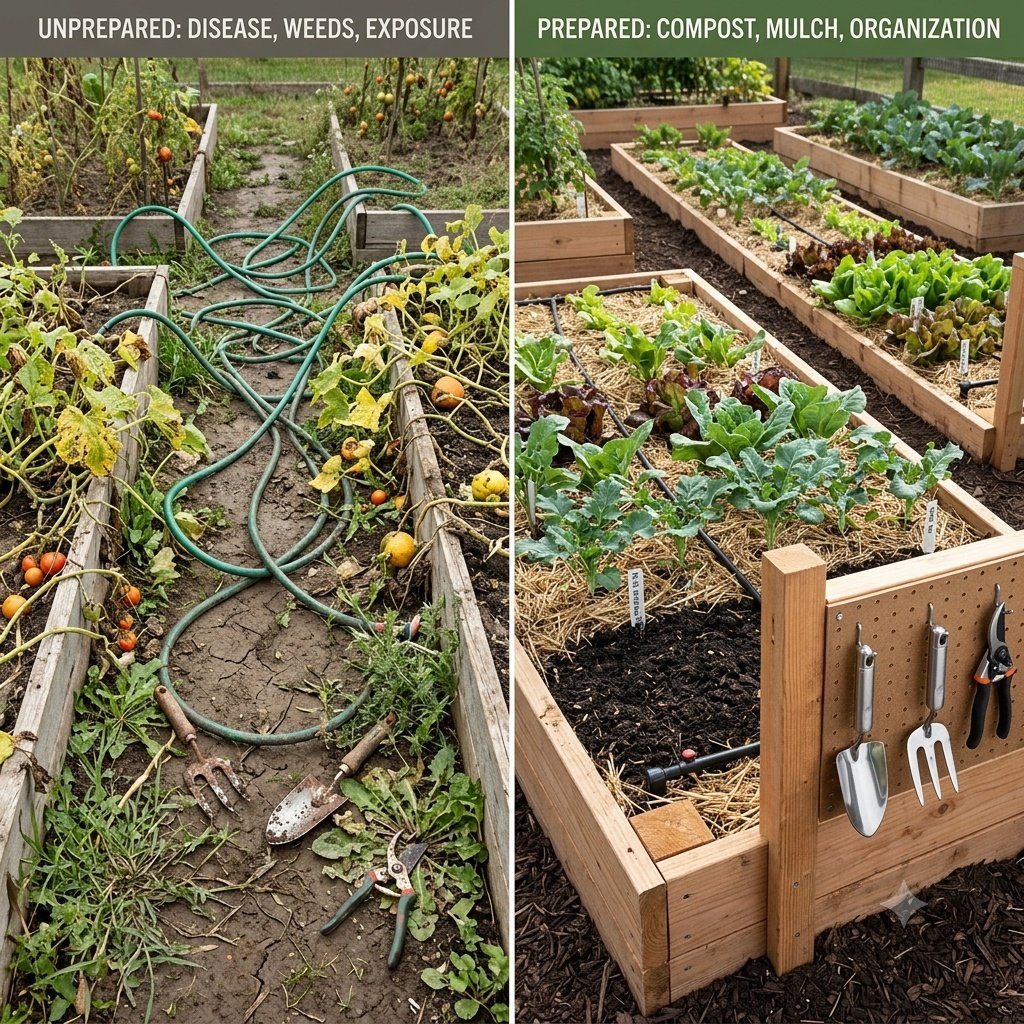
Even experienced gardeners occasionally overlook important fall chores.
Avoid composting diseased plants unless your compost pile consistently reaches temperatures high enough to destroy pathogens. Leaving infected material in the garden can spread problems into the next growing season.
Don’t leave mature weeds standing over winter. Many release thousands of seeds that quickly become next year’s headache.
Skipping a soil test is another common mistake. Guessing what your soil needs often leads to unnecessary amendments while failing to correct real deficiencies.
It’s also easy to forget irrigation equipment. Water trapped inside hoses or drip lines can freeze and cause expensive damage.
Many gardeners ignore tool maintenance until spring, only to discover rusted pruners and dull shovels when they’re ready to plant.
Finally, avoid leaving bare soil exposed all winter. Mulch or cover crops help protect valuable topsoil from erosion while supporting healthy soil life beneath the surface.
Related Reads
You might find these helpful as you keep going:
7 Best Fertilizers for Raised Beds (Top Picks + Feeding Guide)
7 Best Self-Watering Systems for Balcony Vegetable Gardens (That Actually Work)
7 July Tasks for the Midsummer Garden
FAQ
Should I till my vegetable garden in the fall?
If your soil is compacted, light cultivation may help. However, many gardeners prefer adding compost and mulch without deep tilling to protect soil structure and beneficial organisms.
Is fall the best time to add compost?
Yes. Compost has several months to break down before spring planting, improving soil texture and fertility naturally.
Can I leave dead plants in my garden?
Healthy plants may be composted, but diseased plants should be removed to reduce the risk of pests and diseases returning next year.
Should raised beds be covered during winter?
Covering raised beds with mulch or a cover crop helps protect soil from erosion, nutrient loss, and winter weather.
What vegetables can I plant in fall?
Garlic, spinach, kale, onions, shallots, and certain lettuces are popular cool-season choices, depending on your climate.
Do I need to fertilize before winter?
Heavy fertilizing isn’t usually necessary. Organic amendments such as compost and worm castings are often a better choice for long-term soil health.
When should I stop watering my garden?
Continue watering until the ground begins freezing, especially for newly planted trees, shrubs, and perennial vegetables.
What’s the single most important fall gardening task?
If you only have time for one job, improve your soil with compost and remove diseased plants. Those two steps alone can make a noticeable difference next season.
Final Thoughts
The growing season may be winding down, but your garden is far from finished. Fall is the perfect time to strengthen the foundation that supports next year’s vegetables, herbs, and fruit.
You don’t have to complete every task in a single weekend. Start with the essentials—remove diseased plants, add compost, pull weeds, and protect your soil with mulch or a cover crop. Each step helps create healthier beds that require less work when spring arrives.
Over time, these seasonal habits become second nature, and the rewards are easy to see: richer soil, fewer weeds, healthier plants, and bigger harvests.
Which fall garden task do you never skip? Share your favorite tip in the comments, and don’t forget to bookmark this checklist so it’s ready when autumn rolls around again.