
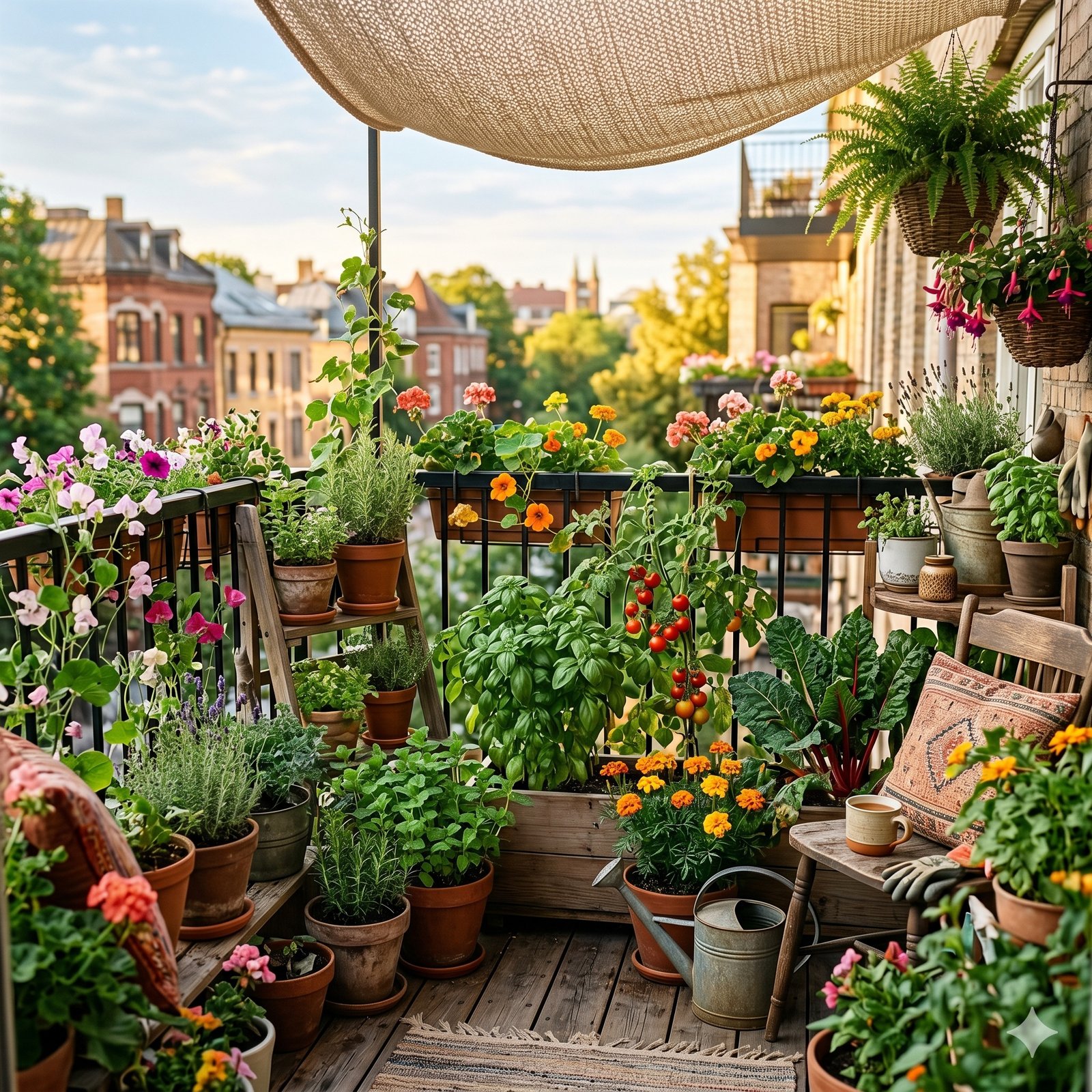
How to Keep Balcony Plants Alive in Summer
Spring makes balcony gardening feel easy. Everything looks fresh, green, and full of life. Then summer arrives, and suddenly the same plants start drooping by noon. Leaves curl. Soil turns dry within hours. Flowers fall off before blooming properly.
I remember standing on my balcony one July afternoon thinking I was doing everything right. I watered daily. I used good pots. I even added fertilizer. Still, my plants looked exhausted every evening.
The problem wasn’t lack of care. It was heat.
Balcony gardens face tougher summer conditions than most ground gardens. Concrete walls trap warmth. Containers heat up fast. Wind pulls moisture out of the soil almost nonstop. By late afternoon, some balconies feel more like ovens than garden spaces.
The good news is that most summer plant problems can be fixed with a few simple changes. You don’t need expensive equipment or years of gardening experience. Small adjustments in watering, shade, soil, and container choice can keep vegetables, herbs, and flowers healthy through the hottest months.
This guide breaks everything down in a practical way so beginners can follow along without feeling overwhelmed.
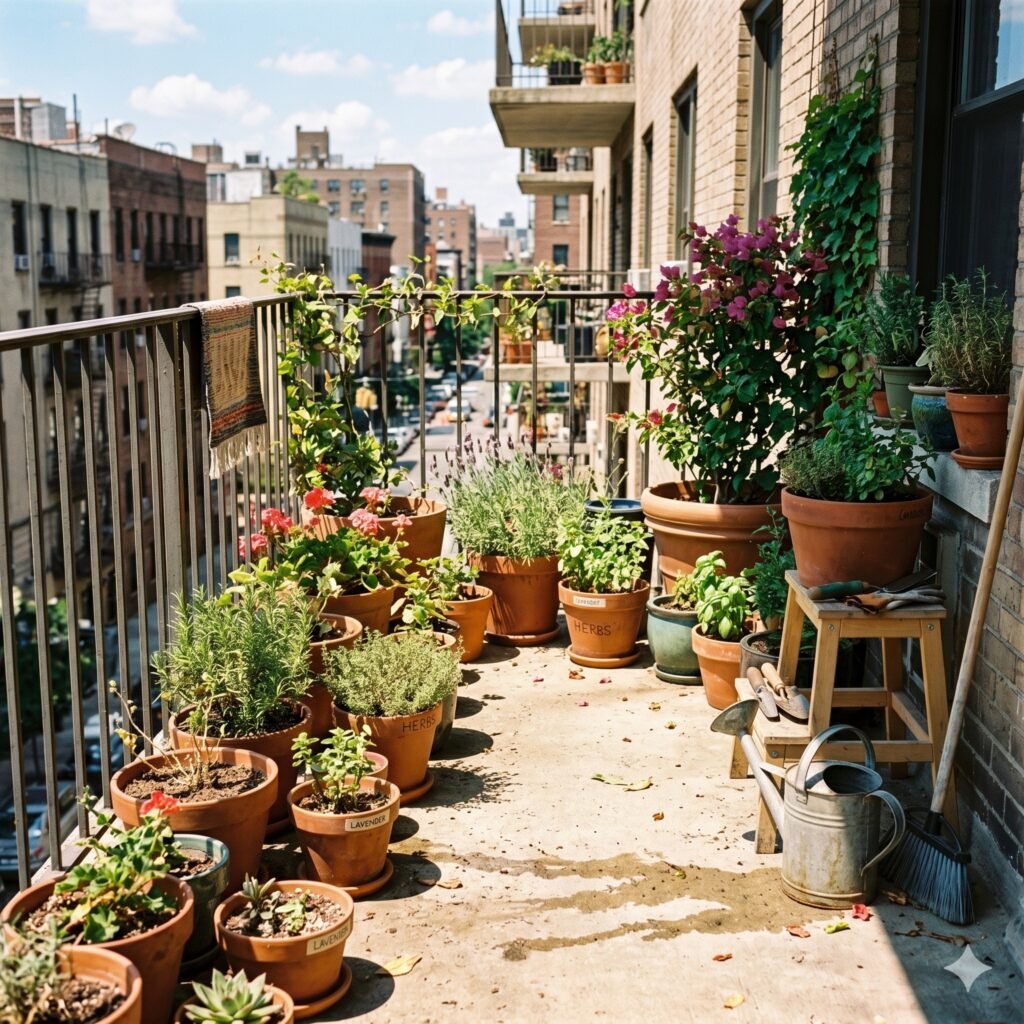
Why Balcony Plants Struggle More in Summer
Balcony plants deal with heat differently than plants growing directly in the ground.
Garden soil stays cooler because it holds moisture deeper below the surface. Containers don’t have that protection. Once the sun hits a pot for several hours, the roots inside can heat up quickly.
Concrete balconies make things worse. They absorb heat all day and slowly release it back into the air during the evening. Metal railings also become extremely hot and reflect extra warmth toward nearby plants.
Wind is another hidden problem. Many apartment balconies stay windy even on calm days. That airflow dries containers faster than most people realize. A pot that looked moist in the morning may become bone dry by afternoon.
South-facing balconies usually face the biggest challenge because they receive strong sunlight for most of the day. West-facing balconies can also become difficult during intense afternoon heat.
This is why balcony gardening in summer often feels frustrating. Plants may appear healthy one day and stressed the next.
But heat stress rarely happens for one single reason. Usually it’s a mix of sunlight, hot containers, dry soil, and watering mistakes happening together.
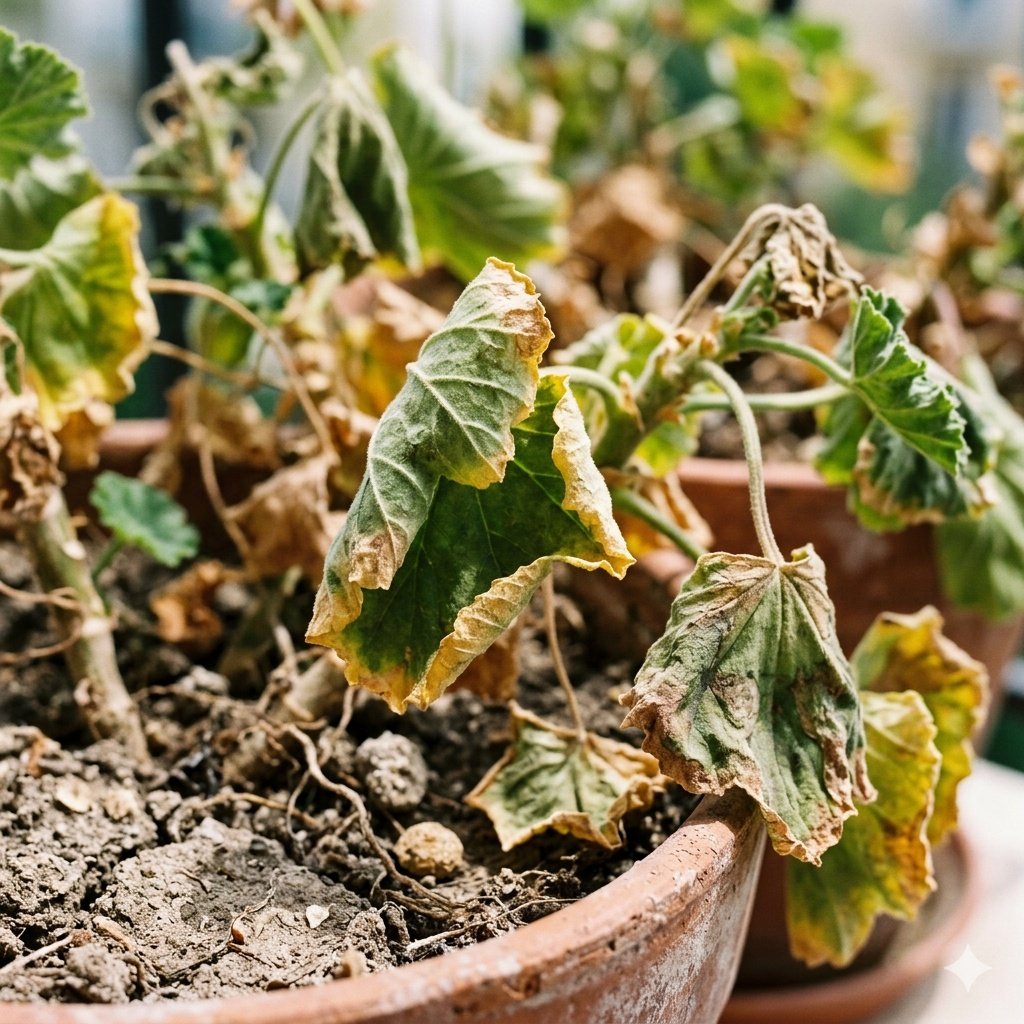
Signs Your Balcony Plants Are Suffering From Heat
Plants often warn you before serious damage happens.
One of the first signs is wilting during the hottest part of the day. Some plants recover after sunset, while others continue looking weak overnight.
Watch for these common symptoms:
- Crispy or brown leaf edges
- Yellowing leaves
- Flowers dropping early
- Curled leaves
- Soil drying out within a few hours
- Slow growth
- Vegetables stopping production
- Burn spots on leaves
Heat-stressed plants also become more vulnerable to pests. Spider mites, aphids, and whiteflies often attack weakened balcony plants during hot weather.
A little afternoon drooping isn’t always dangerous. Many plants temporarily wilt to protect themselves from water loss. The real concern starts when they fail to recover later in the evening.
That usually means the roots are struggling.
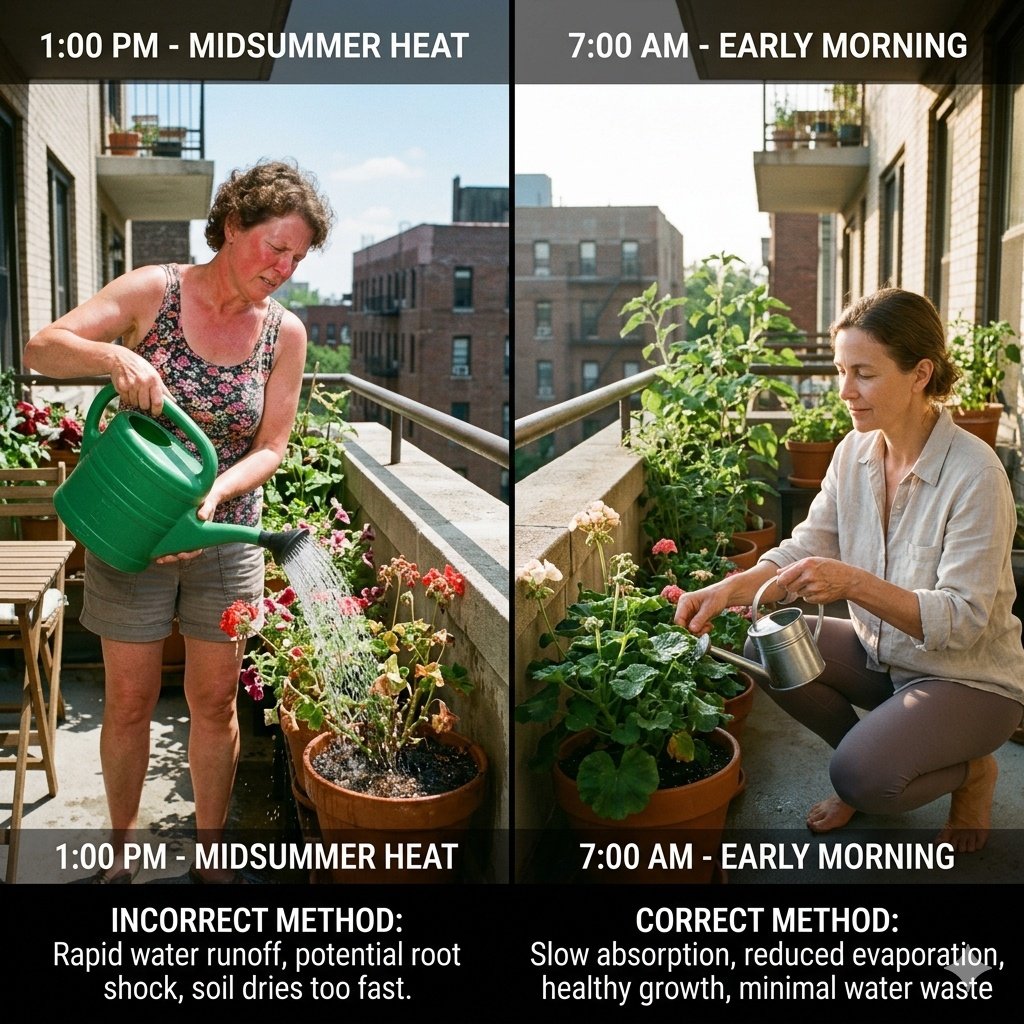
Watering Mistakes That Kill Balcony Plants in Summer
A. Watering at the Wrong Time
Timing matters more than many beginners expect.
Midday watering sounds helpful, but much of the water evaporates before roots can absorb it properly. Water droplets on leaves can also increase burn damage under strong sunlight.
Early morning watering works best because plants absorb moisture before temperatures rise.
B. Giving Too Little Water
Quick surface watering creates weak roots.
Many people splash a little water on top of the soil and assume the plant is fine. Meanwhile, the lower roots stay dry.
Deep watering is far better. Water slowly until it drains from the bottom holes. This encourages stronger roots that handle heat better.
C. Watering Leaves Instead of Soil
Leaves don’t need heavy soaking every day.
Direct your watering toward the soil instead. Wet leaves during humid evenings may increase fungal problems, especially with herbs and vegetables.
A watering can with a narrow spout helps control placement better than spraying everything randomly.
D. Overwatering in Panic
Heat stress and overwatering can look surprisingly similar.
When leaves droop, people often add more water immediately. But roots sitting in constantly soggy soil may start rotting.
Check the soil before watering again. If the top inch still feels moist, wait a little longer.
Good drainage matters just as much as watering itself.
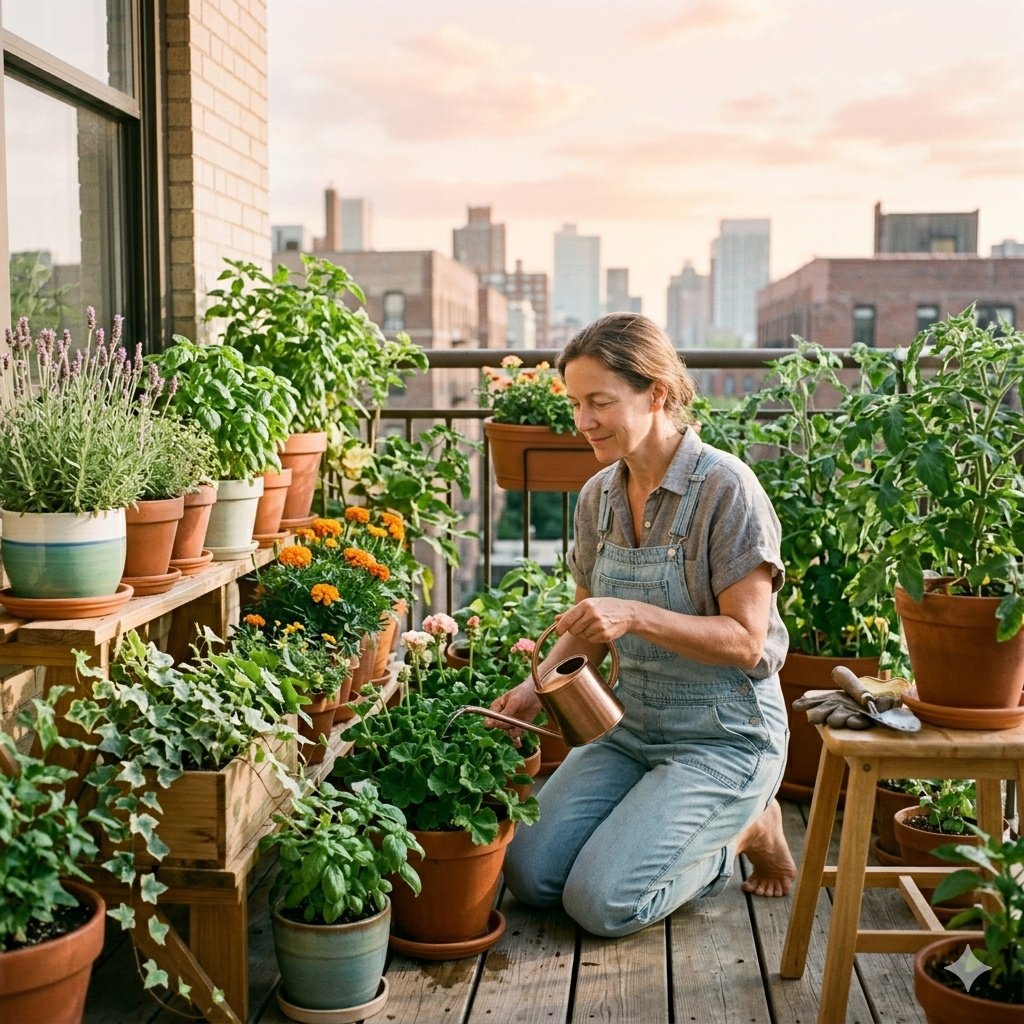
Best Time to Water Balcony Plants During Summer
Early morning is usually the best time to water balcony plants.
The temperatures are cooler, evaporation is lower, and plants have time to absorb moisture before direct sunlight becomes intense. Morning watering also helps leaves dry faster, reducing disease risk.
Evening watering works too, especially during heatwaves. But avoid watering too late at night if humidity stays high in your area.
Afternoon watering should be avoided whenever possible. Most of the moisture disappears quickly, especially on hot concrete balconies.
During extreme heat, some containers may need double watering. One deep watering early in the morning and another lighter watering during the evening can prevent severe stress.
Pay attention to container size as well. Small pots dry much faster than larger ones.
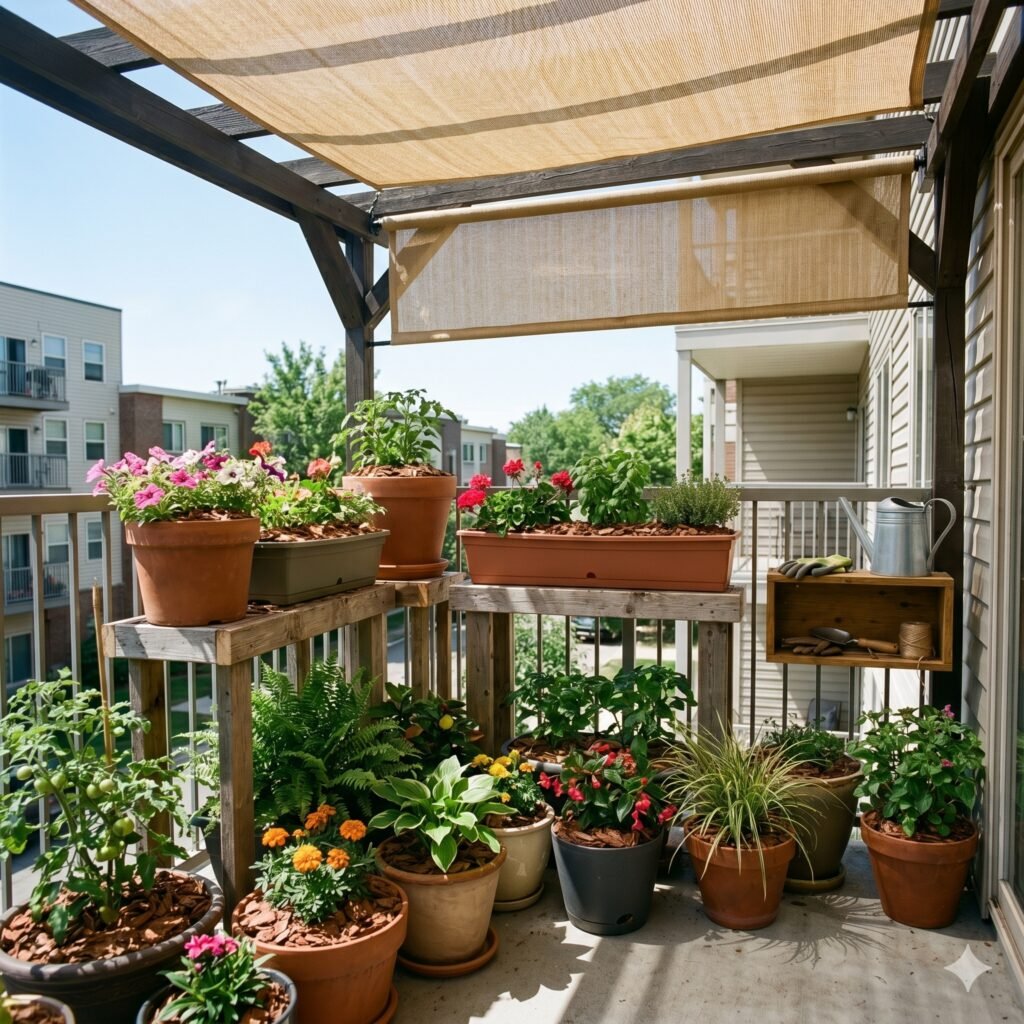
How to Protect Balcony Plants From Extreme Heat
A. Use Shade Cloth or Curtains
Strong afternoon sunlight damages leaves fast.
A simple shade cloth can lower heat exposure without blocking all sunlight. Even outdoor curtains or bamboo screens help soften harsh rays during peak hours.
Many gardeners only shade plants between noon and 4 PM. That’s often enough.
B. Move Sensitive Plants
Not every plant wants full sun all day.
Leafy greens, herbs, and young seedlings usually benefit from temporary afternoon shade. Moving containers closer to walls or behind taller plants can reduce stress quickly.
Portable plant stands make this easier.
C. Group Plants Together
Plants naturally create humidity around each other.
When containers sit closely together, moisture evaporates slower and the area stays slightly cooler. Isolated pots dry much faster under direct sun and wind.
Grouping also protects delicate plants from strong airflow.
D. Add Mulch to Containers
Mulch works surprisingly well for balcony gardens.
A thin layer of mulch helps soil stay cooler and slows evaporation. It also reduces temperature swings inside the container.
Good mulch options include:
- Coconut husk
- Bark chips
- Straw
- Dry leaves
- Coco coir
Even a small amount can make a noticeable difference during hot weeks.
E. Use Bigger Pots
Tiny pots become dangerous in summer.
Small containers heat quickly and lose moisture fast. Larger pots hold more soil, which keeps roots cooler for longer periods.
If your plants constantly dry out by afternoon, container size may be the problem.
F. Avoid Black Plastic Pots
Dark plastic absorbs heat aggressively.
Roots inside black containers can become extremely hot under direct sun. Light-colored ceramic pots, fabric grow bags, or terracotta containers stay cooler overall.
If replacing pots isn’t possible, wrap black containers with cloth or place them inside decorative outer pots.
G. Raise Pots Off Hot Floors
Balcony floors often become scorching hot during summer afternoons.
Containers sitting directly on concrete absorb extra heat from below. Pot stands, wooden pallets, or bricks create airflow underneath and reduce temperature buildup.
This small change helps more than people expect.
H. Protect Plants During Heatwaves
Heatwaves need emergency-level care.
During extreme temperatures:
- Water deeply early in the morning
- Add temporary shade immediately
- Avoid fertilizing
- Remove badly damaged leaves
- Move sensitive plants indoors if possible
- Check soil twice daily
Some plants may still struggle, and that’s normal. Focus on helping roots survive. Healthy roots often produce fresh growth once temperatures improve.
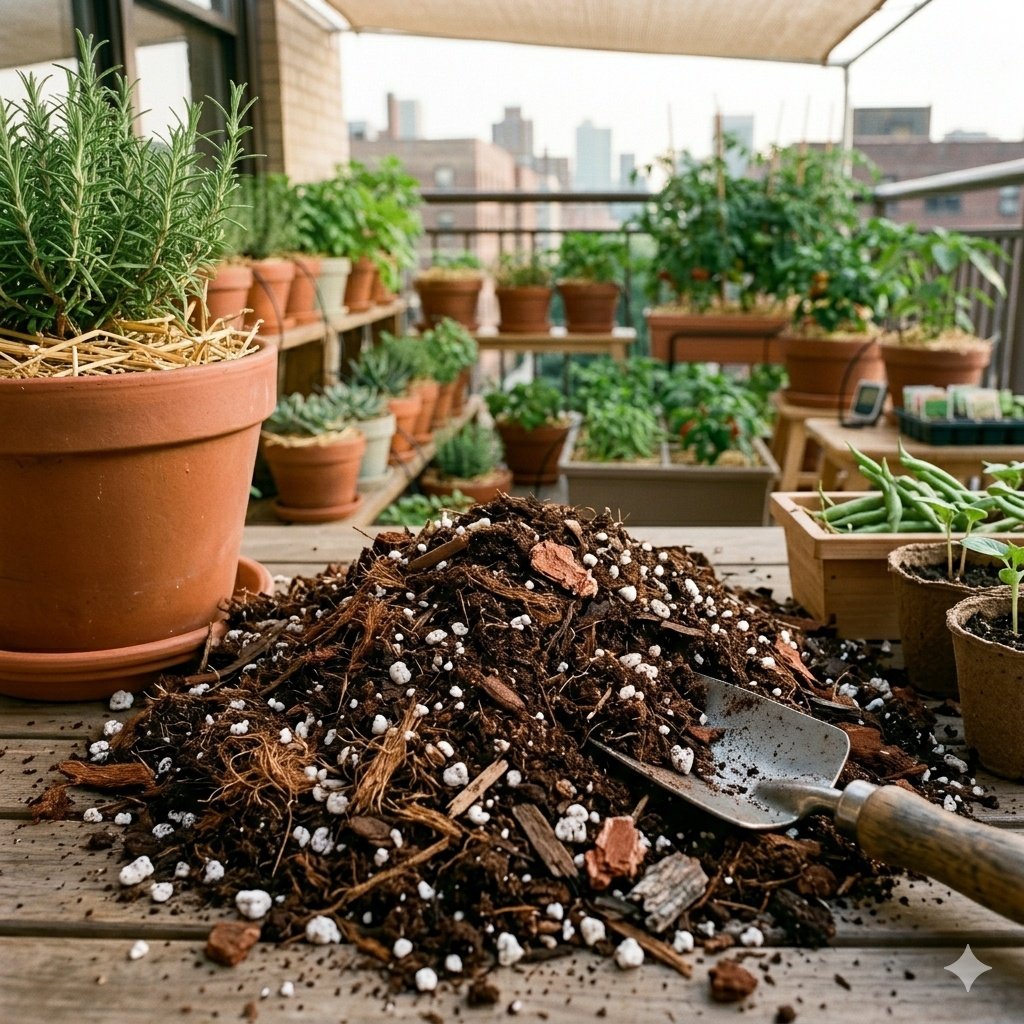
Best Soil for Balcony Plants in Hot Weather
Summer balcony soil needs balance.
It should hold enough moisture to keep roots hydrated while still draining properly. Soil that dries too fast causes stress. Soil that stays soggy can suffocate roots.
A good summer potting mix usually includes:
- Compost
- Coco coir
- Perlite
- Organic matter
Coco coir helps containers retain moisture longer without becoming heavy. Perlite improves airflow around roots and prevents compaction.
Regular garden soil is usually too dense for balcony containers. It hardens quickly in heat and drains poorly.
Adding compost improves water retention naturally while feeding plants slowly over time.
Mulch also helps protect soil from direct sun exposure. Without mulch, the top layer can become extremely hot by midday.
Useful gardening products for summer balconies include:
- Moisture meters
- Organic mulch
- Quality potting mix
- Self-watering containers
Healthy soil makes summer gardening far easier.
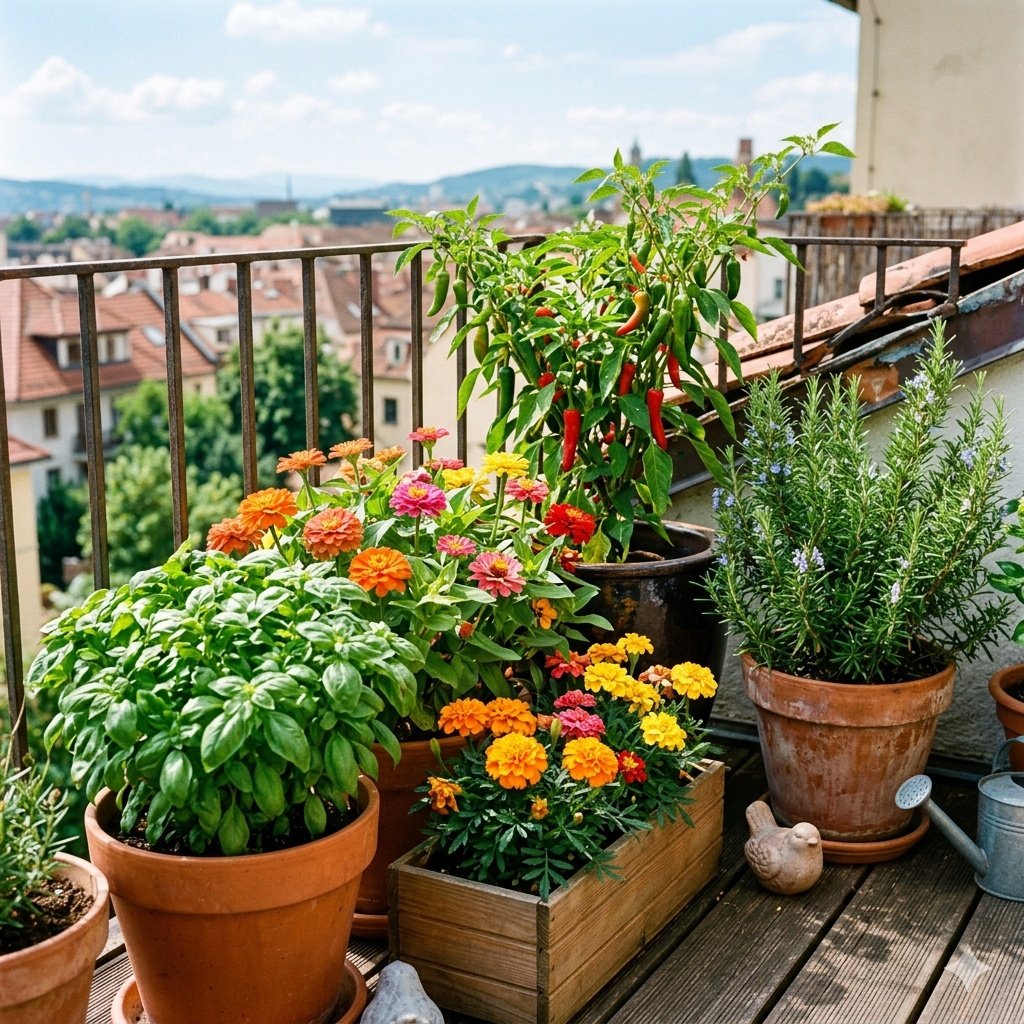
Best Balcony Plants That Survive Summer Heat Easily
Some plants handle heat far better than others.
If your balcony gets intense sunlight daily, choosing heat-tolerant plants saves a lot of frustration.
Vegetables
Okra loves warm conditions and keeps growing through hot weather with minimal trouble.
Chili peppers handle sunny balconies well once established. They actually prefer warmth.
Eggplant grows surprisingly well in containers during summer if watered consistently.
Sweet potato vine spreads quickly and tolerates heat better than many leafy plants.
Herbs
Basil thrives during warm months as long as the soil stays evenly moist.
Rosemary enjoys dry heat and doesn’t mind strong sunlight.
Mint grows fast in summer but needs extra watering because it dries out quickly.
Flowers
Marigold handles direct sunlight extremely well and blooms for months.
Portulaca almost seems built for hot balconies. It thrives in sunny, dry conditions.
Zinnia produces colorful flowers even during high temperatures.
For beginners, marigold, basil, and chili peppers are excellent starting choices because they recover well from minor mistakes.
Heat-tolerant plants won’t remove all summer challenges, but they make balcony gardening much more manageable.
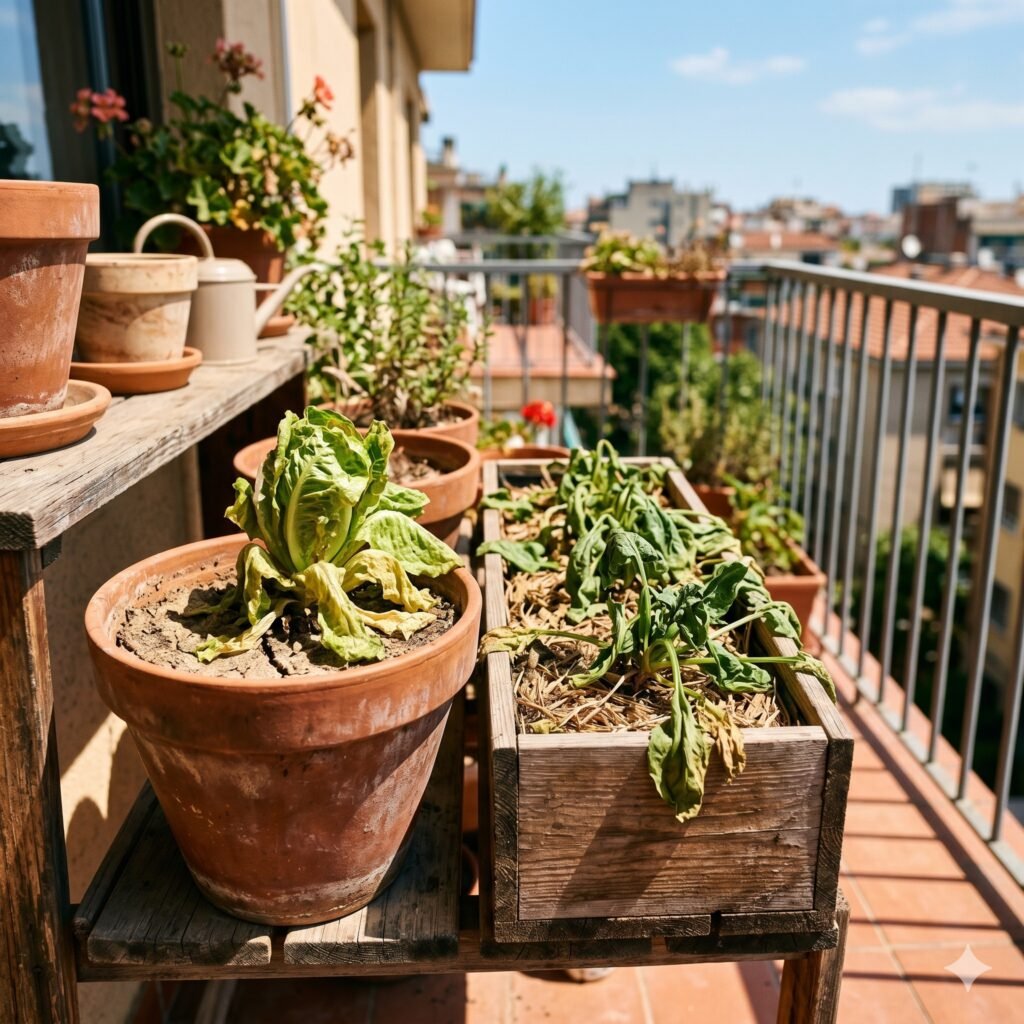
Plants That Often Struggle in Hot Balconies
Some plants simply dislike intense summer conditions.
Cool-season vegetables usually suffer first. Lettuce, spinach, and coriander often bolt quickly once temperatures rise. Instead of producing healthy leaves, they rush into flowering and become bitter.
Ferns also struggle on sunny balconies because they prefer cooler, humid environments.
Delicate herbs may develop burnt edges after repeated afternoon heat exposure.
That doesn’t mean these plants are impossible to grow. They just need better timing and more shade.
Many gardeners grow cool-season crops during spring and autumn instead of peak summer.
Knowing which plants naturally prefer heat saves time, money, and disappointment.
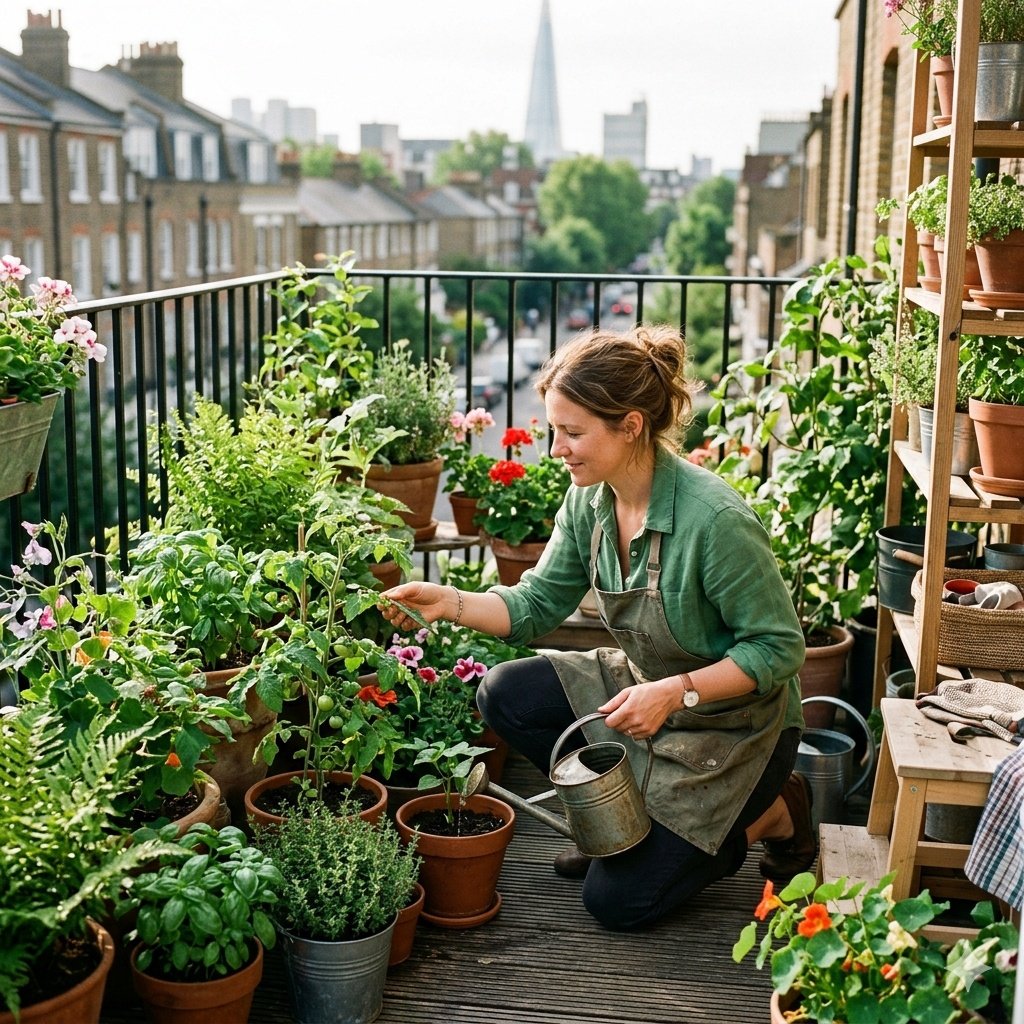
Simple Summer Balcony Garden Routine
A basic daily routine keeps problems from becoming serious.
Morning Routine
- Check soil moisture first
- Water deeply if needed
- Look for pests or damaged leaves
- Rotate containers for balanced sunlight
Morning observation matters. You’ll spot stress before plants collapse later in the day.
Afternoon Routine
- Watch for severe wilting
- Add temporary shade during extreme heat
- Move sensitive plants if necessary
Don’t panic over mild afternoon drooping. Focus on whether plants recover later.
Evening Routine
- Remove dead leaves or flowers
- Check containers that dry quickly
- Mist around plants if the climate is very dry
Consistency helps more than perfection.
A few minutes daily usually prevents major summer plant problems.
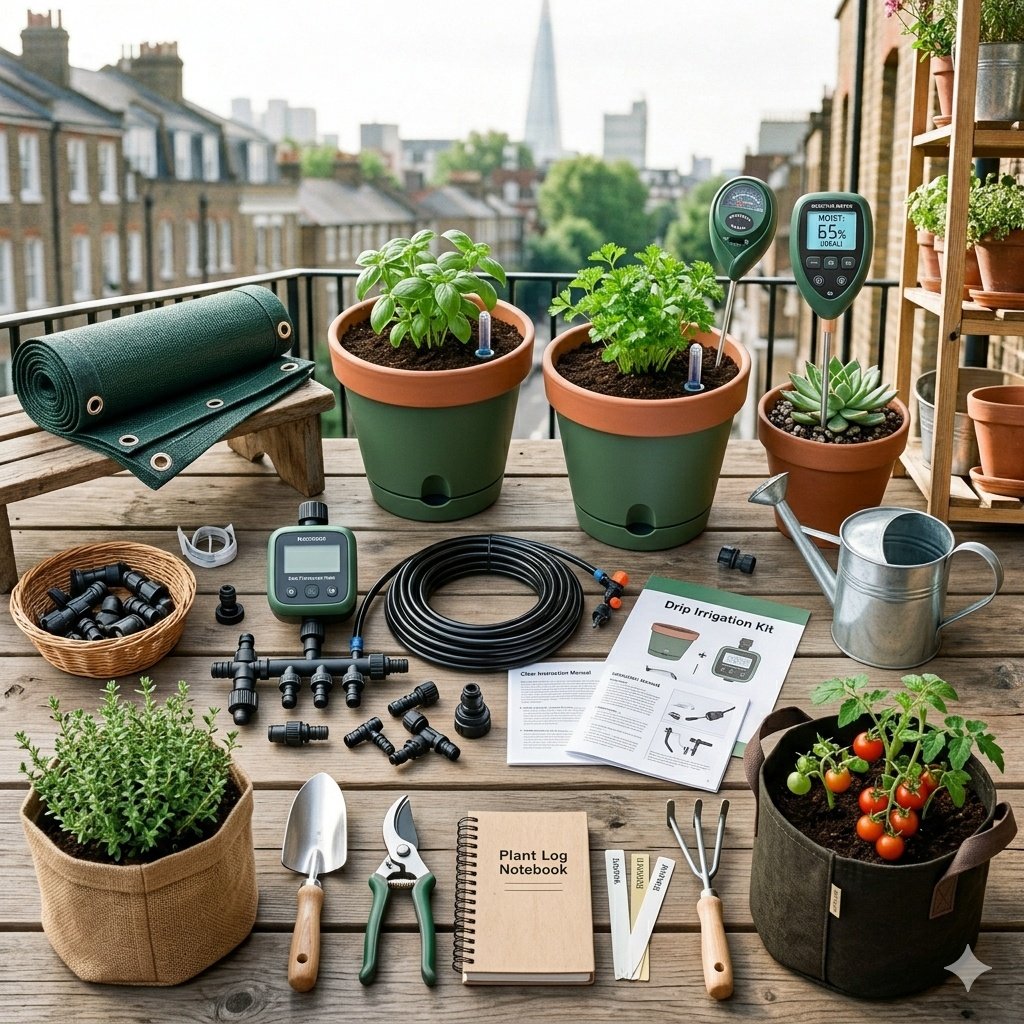
Best Products That Help Balcony Plants Survive Summer
Some gardening products genuinely make summer care easier.
Self-Watering Pots
Cheap Option: Basic plastic self-watering containers
Best Overall: Mid-sized reservoir planters
Premium Option: Smart self-watering systems with indicators
These reduce watering stress during hot weeks.
Shade Cloth
Cheap Option: Mesh garden fabric
Best Overall: Adjustable balcony shade cloth
Premium Option: UV-resistant outdoor roller shades
Even partial shade lowers leaf damage dramatically.
Mulch
Cheap Option: Dry leaves or straw
Best Overall: Coco coir mulch
Premium Option: Decorative bark mulch blends
Mulch helps containers stay cooler for longer.
Moisture Meter
Cheap Option: Analog moisture meter
Best Overall: Dual moisture and pH meter
Premium Option: Digital smart soil monitor
Helpful for beginners who struggle with overwatering.
Drip Irrigation Kit
Cheap Option: Manual drip spikes
Best Overall: Balcony drip irrigation set
Premium Option: Automated timer irrigation system
Very useful during vacations or heatwaves.
Fabric Grow Bags
Fabric pots improve airflow around roots and stay cooler than black plastic containers.
They dry faster than ceramic pots, though, so regular watering still matters.
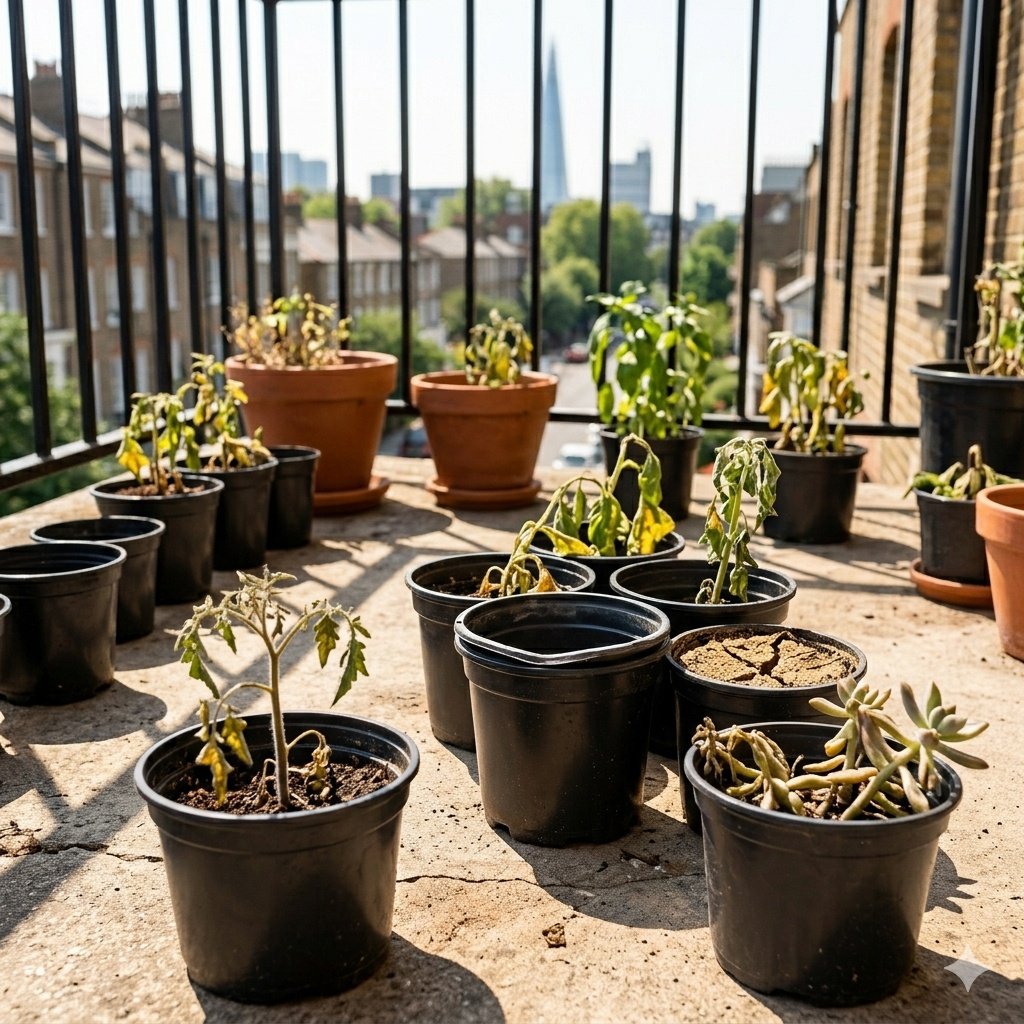
Common Summer Balcony Gardening Mistakes
Many summer gardening problems come from small habits.
Using tiny pots is one of the biggest mistakes. Small containers simply can’t hold enough moisture during intense heat.
Ignoring afternoon sunlight is another common issue. Morning sun and afternoon sun feel very different in summer.
Fertilizing during heatwaves can also stress plants further. Wait until temperatures cool slightly before feeding heavily again.
Other frequent mistakes include:
- Watering too lightly
- Using pots without drainage holes
- Leaving plants on hot concrete floors
- Crowding roots in small containers
- Forgetting mulch
Balcony gardening becomes much easier once you understand how quickly containers react to weather changes.
Related Reads
You might find these helpful as you keep going:
- Metal vs Wood Raised Garden Beds: Which Is Better?
- 17 Full Sun Plants to Grow in May
- 7 Best Fertilizers for Raised Beds (Top Picks + Feeding Guide)
Frequently Asked Questions
How often should I water balcony plants in summer?
Most balcony plants need watering once daily during hot weather. Small pots and thirsty plants may need water twice a day during heatwaves.
Can balcony plants recover from heat stress?
Yes, many plants recover if the roots remain healthy. Move stressed plants into partial shade, water deeply, and remove badly damaged leaves.
Is direct sunlight too much for balcony plants?
Some plants love direct sunlight, while others struggle with intense afternoon exposure. The strongest heat between noon and late afternoon usually causes the most stress.
Should I fertilize plants during a heatwave?
It’s better to wait. Fertilizing during extreme heat may increase plant stress and damage weak roots.
What is the best mulch for container plants?
Coco coir, bark chips, straw, and dry leaves work well for balcony containers because they help soil retain moisture.
Why do my plants wilt even after watering?
This often happens when roots become overheated or damaged. It can also happen from overwatering, poor drainage, or compacted soil.
Final Thoughts
Summer balcony gardening can feel discouraging at times.
One week your plants look healthy. The next week they appear tired, dry, and burnt from the heat. Every balcony behaves differently too. Sun direction, wind exposure, floor temperature, and container size all affect plant health more than most beginners expect.
But small adjustments create big improvements.
Better watering habits, larger pots, shade during peak heat, and moisture-retaining soil can completely change how your plants survive summer. You don’t need a perfect setup. You just need to understand what your balcony environment is doing to your containers every day.
Pay attention to patterns. Notice which spots stay hottest. Watch which plants dry fastest. Observe how long moisture stays in different containers.
That awareness matters more than expensive gardening tools.
Even a struggling balcony garden can bounce back surprisingly fast once you understand how summer heat affects container plants.