
I didn’t expect much when I started.
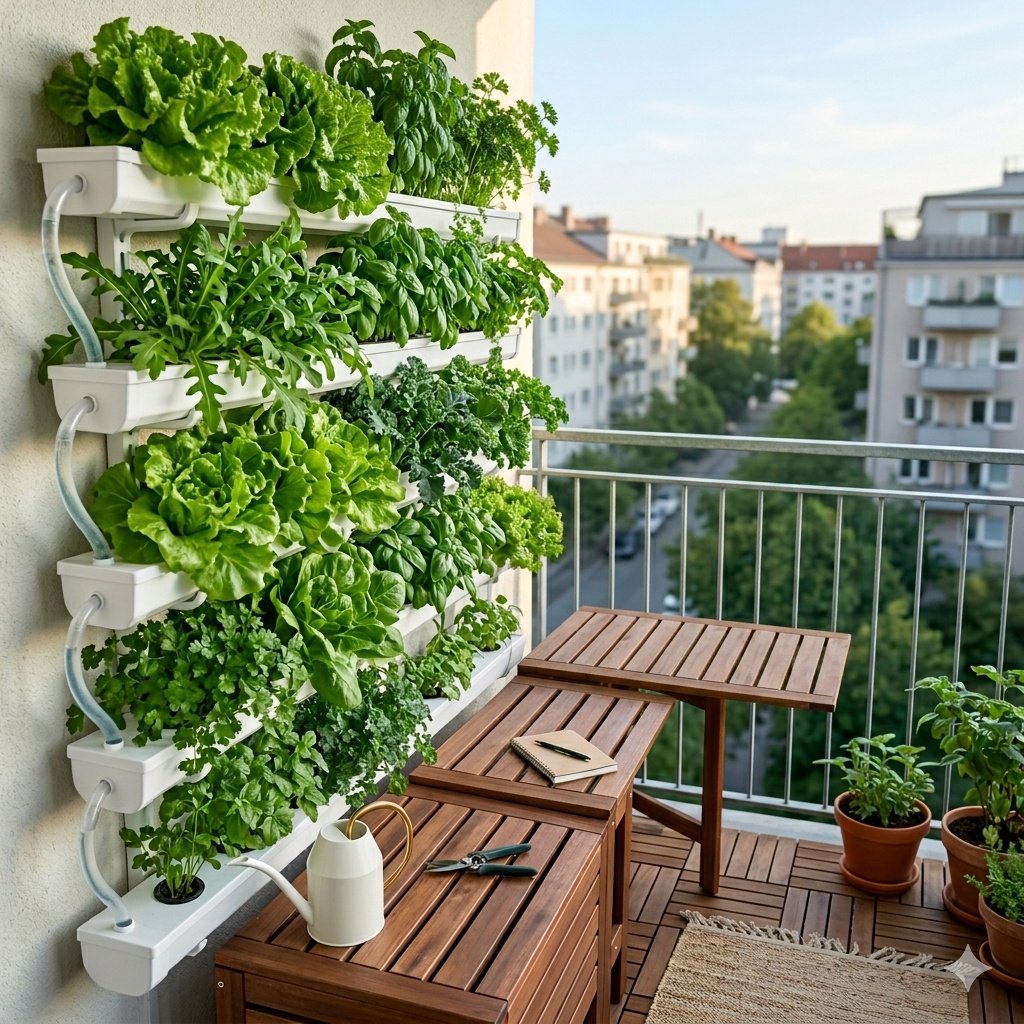
My balcony had already seen a few failed attempts—dry pots, uneven watering, and that stubborn layer of dirt that somehow made its way everywhere. I wanted fresh herbs and greens, but I didn’t want the mess or the constant babysitting. That’s what pushed me toward hydroponics.
No soil. Less cleanup. Faster growth—at least that’s what everyone says.
So I gave it a shot.
Thirty days later, I had a very different opinion about growing food at home.
What Is a Hydroponic Garden?
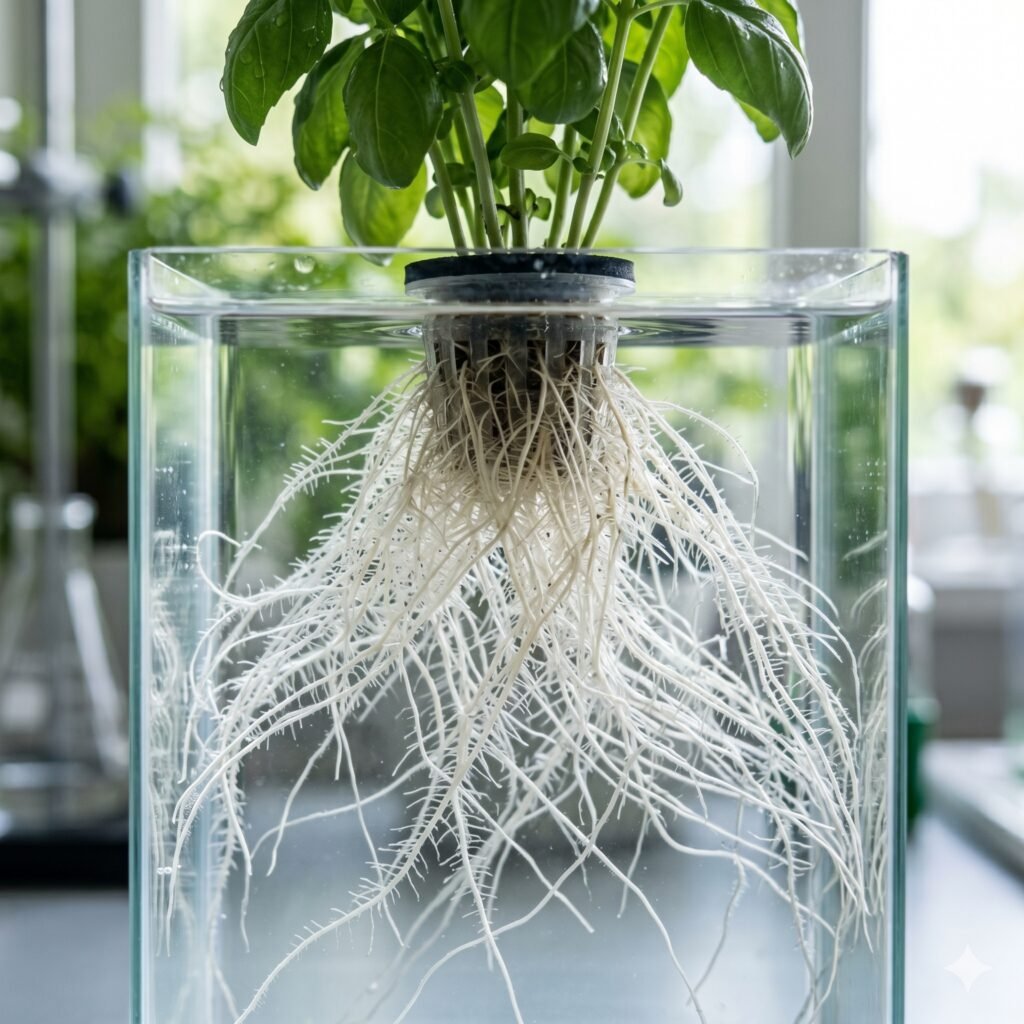
At its core, hydroponics is simple: plants grow in water instead of soil. But not just plain water—it’s mixed with nutrients that plants usually get from the ground.
That’s it.
No digging. No repotting. No hauling bags of soil up the stairs.
For small spaces like balconies, this is a big deal. You can grow more in less room, and you’re not dealing with mud every time you water your plants.
There are a few common setups:
- Deep water culture – roots sit directly in nutrient-rich water
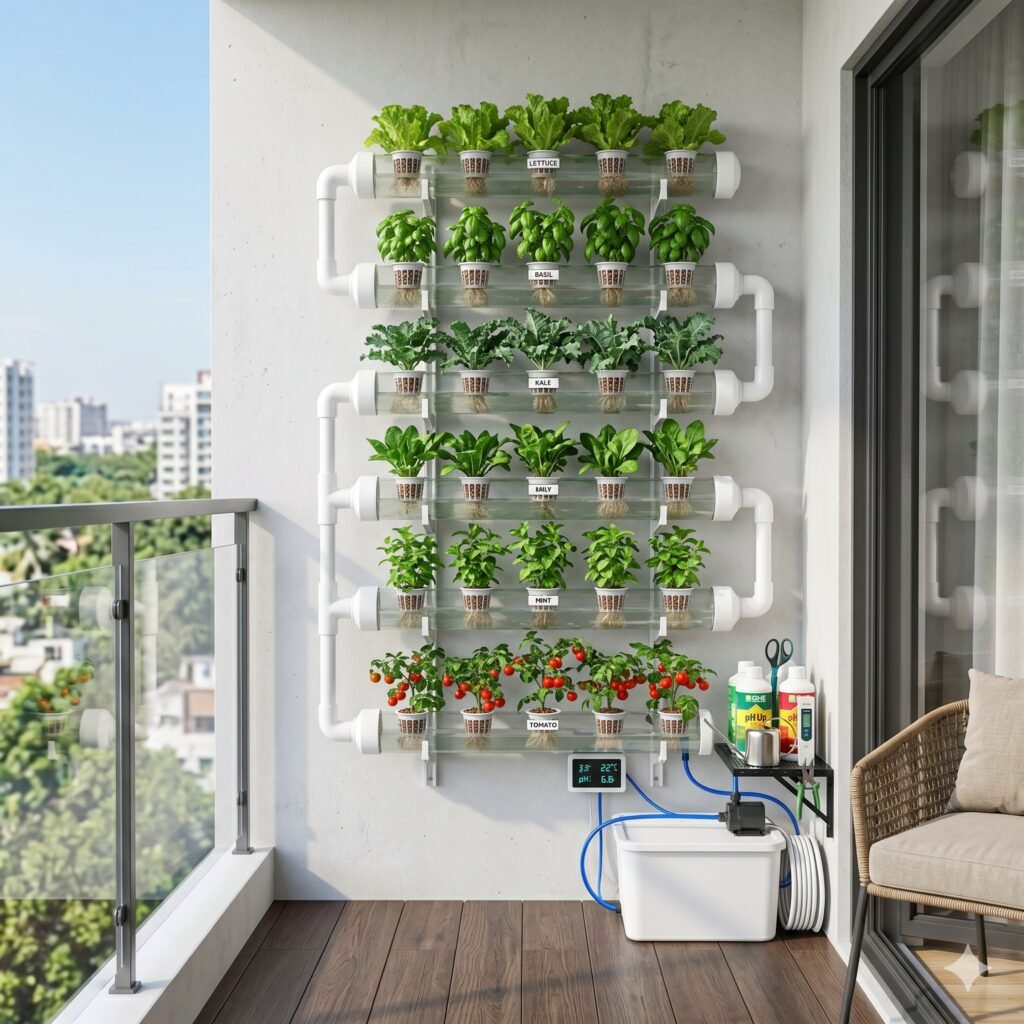
- Vertical systems – plants stacked upward instead of spread out
- Countertop kits – compact, beginner-friendly units
You don’t need to memorize the science. If it grows your food, it works.
Why I Chose Hydroponics for My Balcony
Space was my biggest limitation.
I didn’t have room for multiple pots, and honestly, I didn’t want them. Soil gardening on a balcony sounds nice—until you’re cleaning up spills or dealing with bugs.
Hydroponics felt cleaner. More contained.
And then there was the promise of faster growth. That caught my attention. If I could grow lettuce in half the time, why wouldn’t I try?
Less mess. Fewer pests. Better use of space.
That was enough to get me started.
My Setup: What I Used
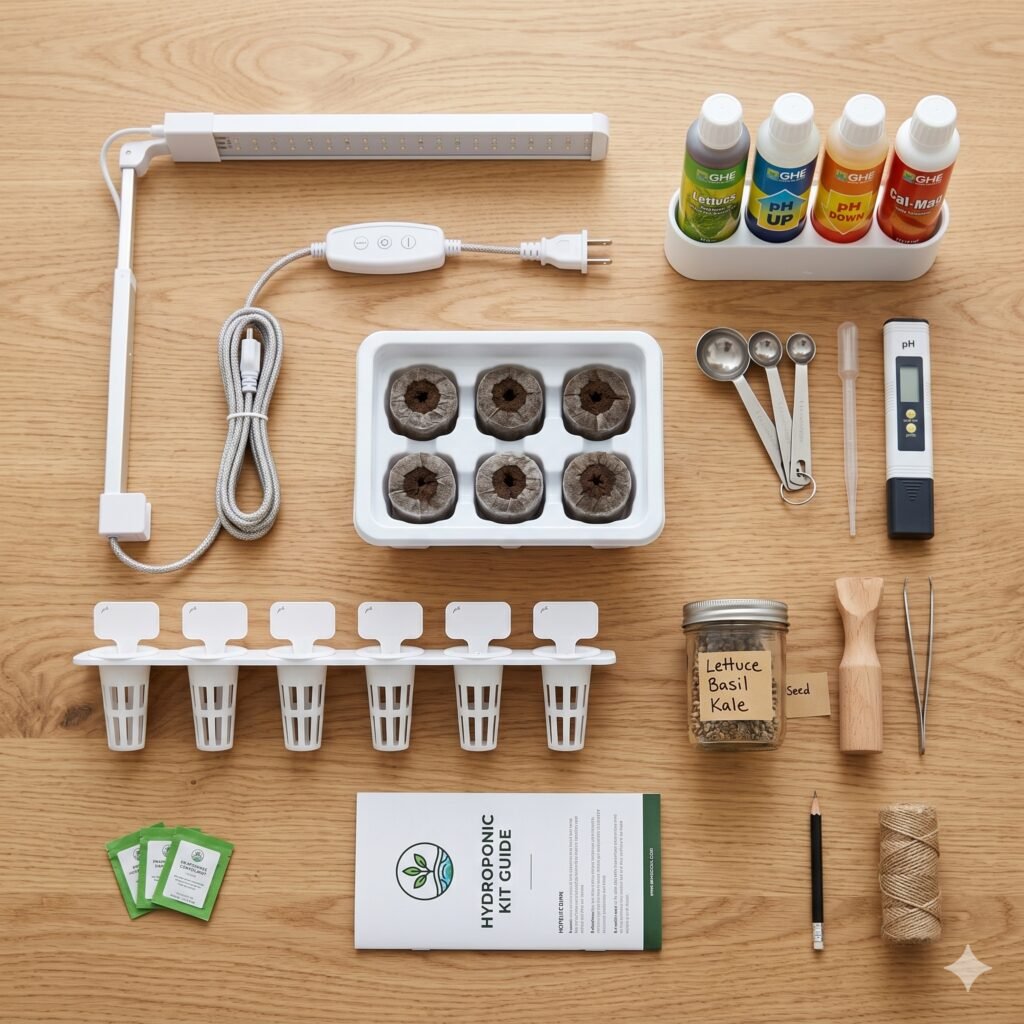
I didn’t go all-in right away. I kept things simple.
- System: A small countertop hydroponic kit
- Grow lights: Built-in LED lights (nothing fancy)
- Nutrients: Basic liquid solution
- Seeds: Lettuce, mint, and spinach
I had two options when choosing gear: go cheap and test things out, or spend more for convenience.
I went somewhere in the middle.
The idea was to keep it easy. If setup feels like a chore, most people quit before they even start.
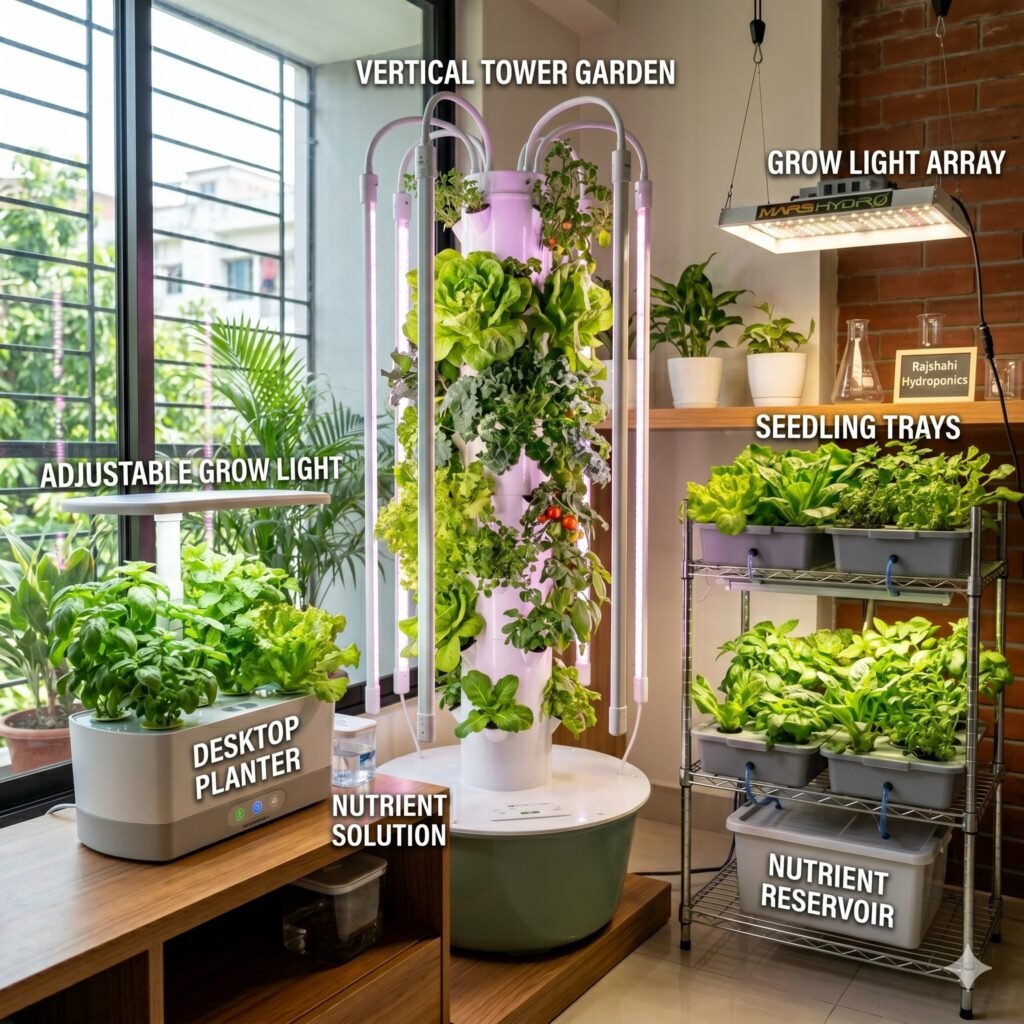
The Kits That Actually Make or Save You Money
This is the part most people care about once the curiosity wears off—what should you buy, and what’s actually worth it?
I’ve split this into two camps. The bigger, more expensive systems that can turn your balcony into a mini farm. And the smaller, cheaper kits that are easier to start with—and easier to justify.
Both have their place. It just depends on how far you want to take this.
Best Expensive Hydroponic Kits (High-Ticket Picks)
These aren’t impulse buys. But when someone commits to one of these, they’re usually serious about growing their own food.
Gardyn 3.0 Hydroponic Indoor Garden System
This one feels closer to a smart appliance than a garden.
It’s a vertical system with built-in lighting, watering, and app control. You can grow over 30 plants at once without constantly checking on it.
What stands out:
- Handles a large number of plants
- Tracks growth and adjusts automatically
- Delivers strong yields if you stick with it
Where it falls short:
- Price is high
- Needs a dedicated spot and power
If you want something close to “set it and monitor from your phone,” this is it.
Rise Gardens Personal Garden (3-Tier System)
This one is modular, which means you can expand it over time.
Start small, then stack more levels as you get comfortable.
What works well:
- Expandable design
- Clean look—doesn’t feel like a DIY setup
- Produces a steady amount of food
Downside:
- Takes up more room than you expect
- Not ideal for tight balconies
It’s better suited for people thinking long-term.
Lettuce Grow Farmstand (Vertical Tower)
This one hits a sweet spot for balcony use.
It grows upward, not outward, so you save space while still growing a lot.
Why people like it:
- Can hold dozens of plants
- Efficient use of vertical space
- Works indoors or outdoors
Trade-offs:
- Needs regular nutrient checks
- Assembly takes a bit of patience
If your balcony is small but you still want volume, this makes sense.
LetPot LPH-Max Smart Hydroponic System
This one leans into tech.
App controls, automation, and a bigger pod capacity make it feel modern, but there’s a small learning curve.
Pros:
- Controlled through an app
- Handles more plants than basic kits
- Automates most tasks
Cons:
- You may need extra accessories
- Not fully plug-and-play at first
Good middle ground between beginner kits and full systems.
AeroGarden Bounty Elite
A more polished version of the classic countertop setup.
Reliable, simple, and a bit more powerful than entry-level models.
What works:
- Easy to use
- Faster plant growth with better lighting
- Trusted brand
Limitations:
- Not for larger plants
- Still pricey for its size
If you want something dependable without going full vertical system, this fits.
Best Cheap Hydroponic Kits (Easy Wins)
These are the ones people actually start with.
Lower cost. Lower risk. And honestly, enough to see real results.
AeroGarden Harvest 6-Pod
This is where a lot of people begin—including me.
Small, simple, and does exactly what you expect.
Why it works:
- Quick setup
- Built-in reminders
- Consistent results
Where it’s limited:
- Only 6 plants
- Not something you scale with
Still one of the easiest entry points.
iDOO 8-Pod Hydroponic System
A step up in capacity without a big jump in price.
What you get:
- Adjustable lighting
- Room for more plants
- Faster growth compared to soil
What to watch:
- Build quality can vary
- Not fully automated
It’s a solid budget option if you want a bit more flexibility.
Click & Grow Smart Garden 3
This one is about simplicity.
No tweaking. No adjusting. Just insert pods and let it run.
Pros:
- Extremely easy to use
- Clean, minimal design
- Low effort
Cons:
- Limited plant choices
- Smaller output
Good for herbs. Not much beyond that.
Back to the Roots Hydroponic Grow Kit
This feels like a starter pack.
Everything comes in the box—seeds, setup, instructions.
Why it’s useful:
- Beginner-friendly
- Affordable
- Straightforward setup
Limitations:
- Small scale
- Not built for expansion
If you’ve never grown anything before, this removes friction.
Basic 6-Pod Generic Hydroponic Kit
You’ve probably seen these online.
No big brand name, but they get the job done.
What stands out:
- Very low cost
- Includes lights and pump
- Multiple grow modes
Downside:
- Durability isn’t always great
- Less consistency
Still, for the price, it’s hard to ignore.
Quick Comparison (What Actually Matters)
| Feature | Gardyn 3.0 | Lettuce Grow Tower | AeroGarden Bounty Elite | AeroGarden Harvest | iDOO 8-Pod |
|---|---|---|---|---|---|
| Price Range | $$$$ | $$$ | $$$ | $$ | $ |
| Plant Capacity | 30+ | 20–50 | 9–12 | 6 | 8 |
| Automation | High | Medium | High | Medium | Low |
| Best For | Serious growers | Balcony setups | Indoor kitchens | Beginners | Budget users |
| Space Needed | Large | Medium | Small | Small | Small |
If you’re just testing the waters, go small.
If you already know you’ll stick with it, investing in a bigger system early can save time—and frustration—later.
That’s really the trade-off.
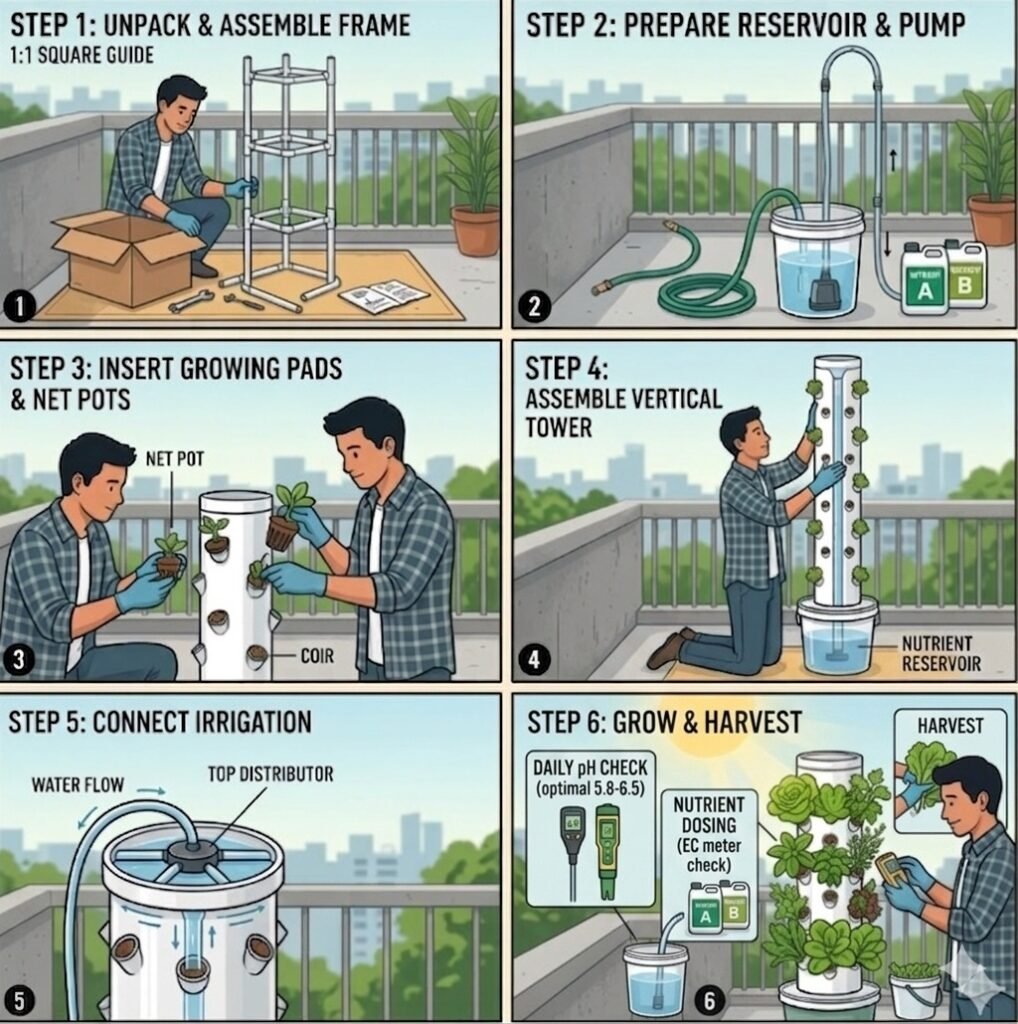
Setting Up My Hydroponic Garden
The setup was easier than I expected.
Step 1: Pick a spot
I chose a corner of my balcony that got partial sunlight.
Step 2: Assemble the system
Most of it snapped together. No tools needed.
Step 3: Add water and nutrients
Filled the tank and mixed in the solution based on instructions.
Step 4: Plant seeds
Dropped them into the pods.
Step 5: Turn on the lights
Set a timer and let it run.
That’s it. No digging. No heavy lifting.
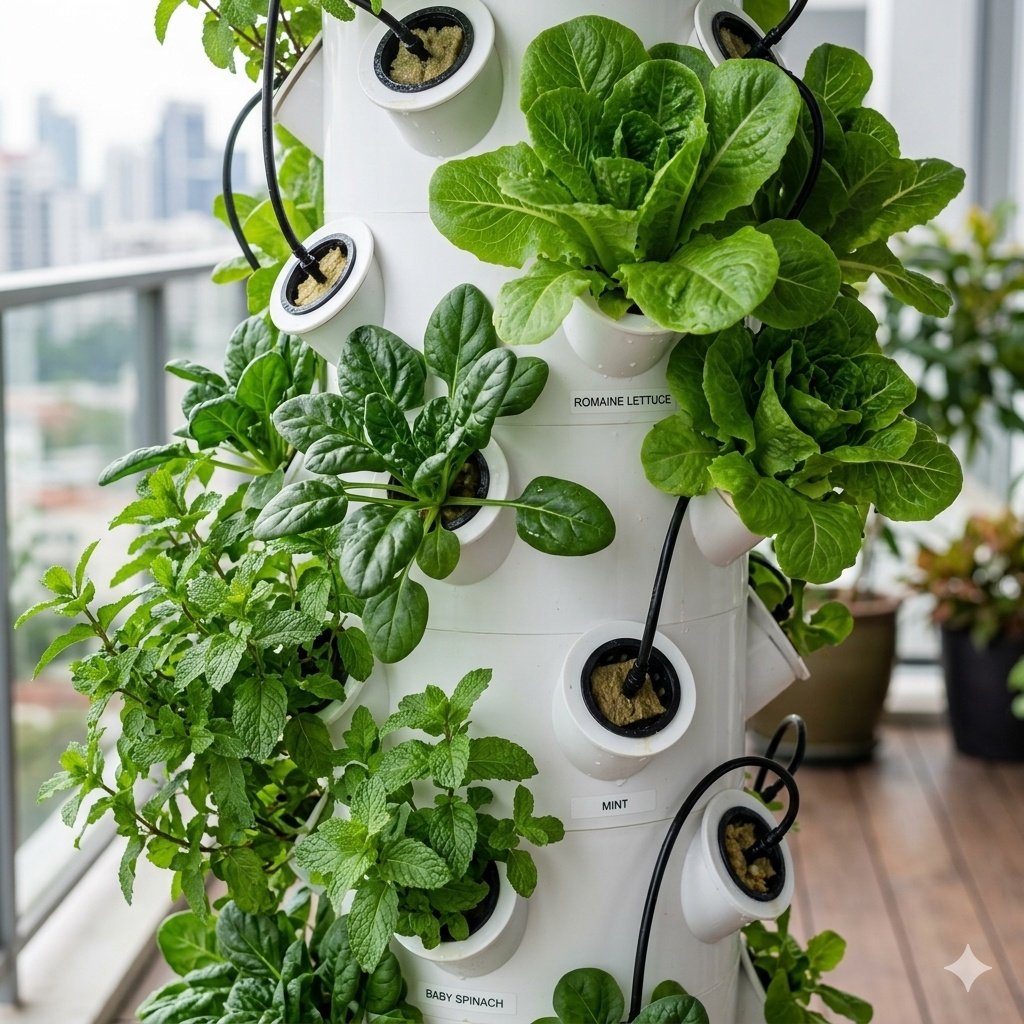
What I Grew
I kept it simple for the first round.
- Lettuce
- Spinach
- Mint
- Coriander
Lettuce was the fastest. I saw noticeable growth within a week.
Spinach took a little longer but stayed consistent.
Mint? Almost too easy. It just kept growing.
Coriander was the only one that struggled a bit early on, but it picked up after adjusting the light.
Results After 30 Days
This is where things got interesting.
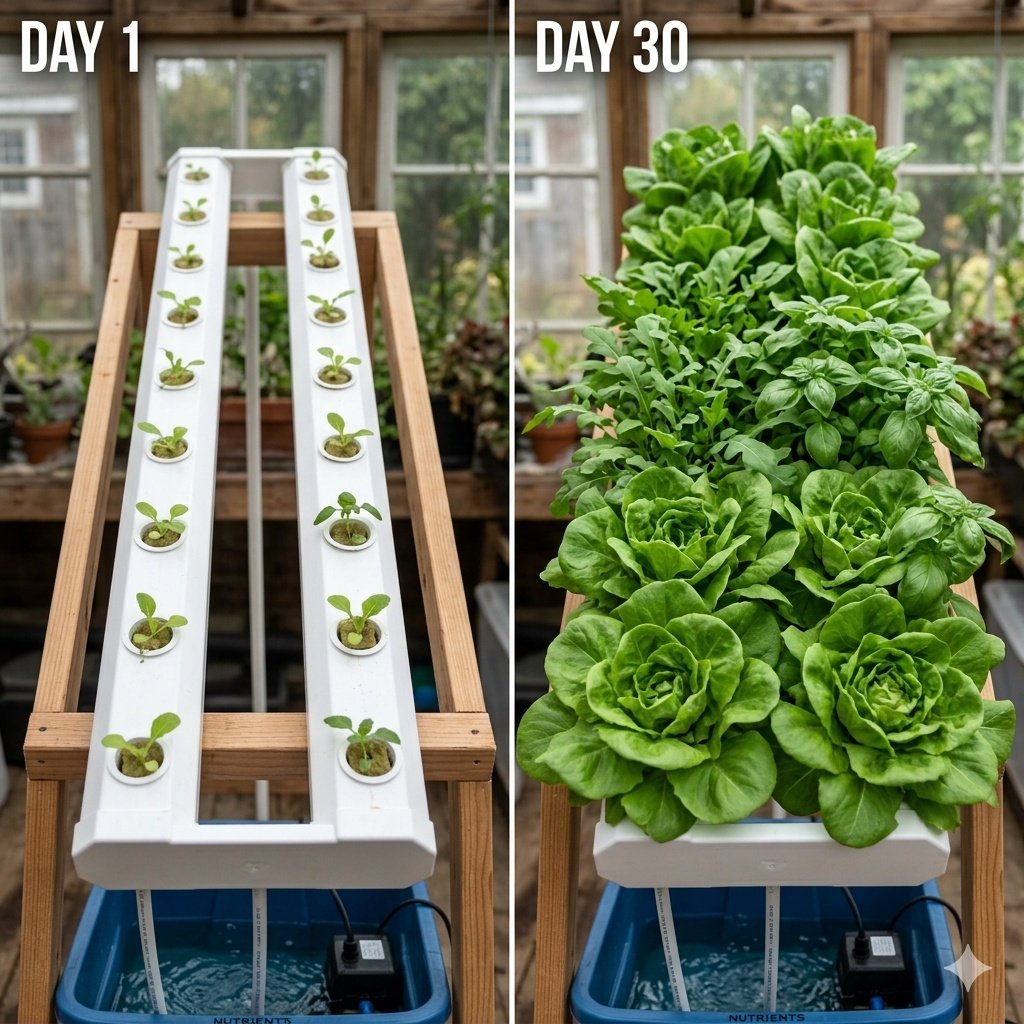
Growth was faster than soil. Not dramatically at first—but by the third week, the difference was obvious.
Lettuce was ready to harvest sooner than I expected.
The taste? Fresh. Slightly cleaner, if that makes sense.
Maintenance was lighter than soil gardening. I checked water levels every few days and added nutrients once a week.
No dirt. No mess.
And surprisingly—no pests.
What I Loved
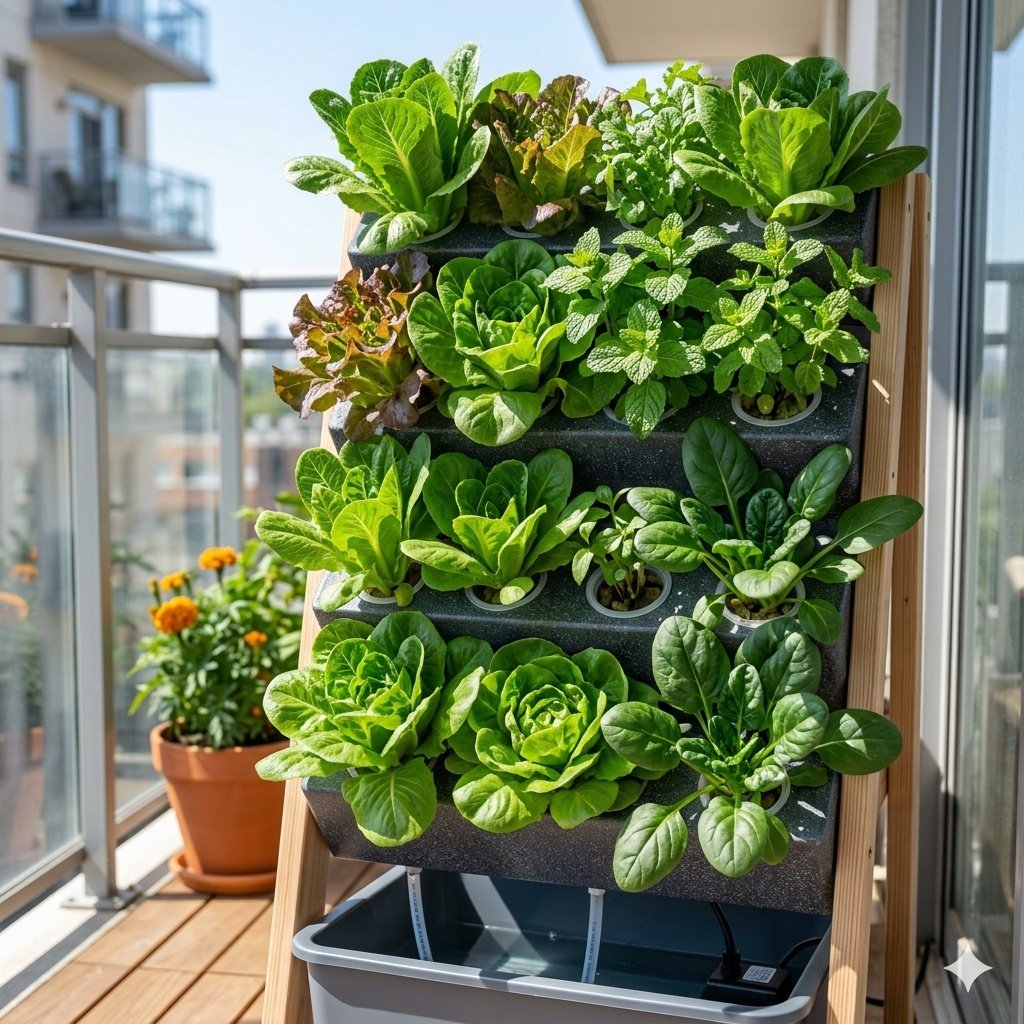
The biggest win was how clean everything stayed.
No muddy footprints. No spilled soil. Just water and plants.
Growth speed was another plus. Watching things grow quickly keeps you engaged.
It also made better use of space. I was growing more in a smaller area than I ever could with pots.
And fewer bugs. That alone made it worth trying.
What I Didn’t Like
The upfront cost is real.
Even a basic setup costs more than a few pots and soil.
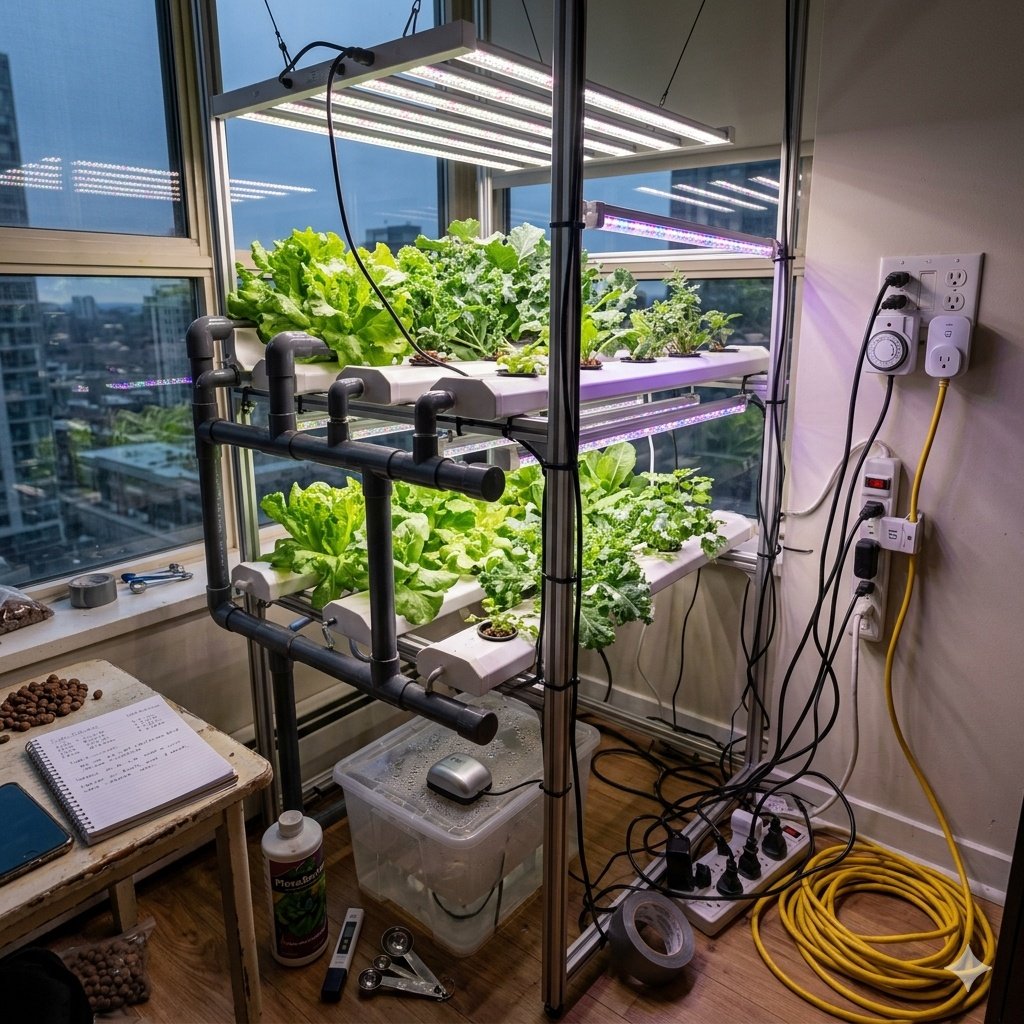
There’s also a learning curve. You need to understand water levels, nutrients, and light timing. It’s not hard—but it’s different.
And then there’s electricity. The system relies on it, especially if you’re using lights or pumps.
No power, no system.
Problems I Faced (And How I Fixed Them)
It wasn’t perfect from day one.
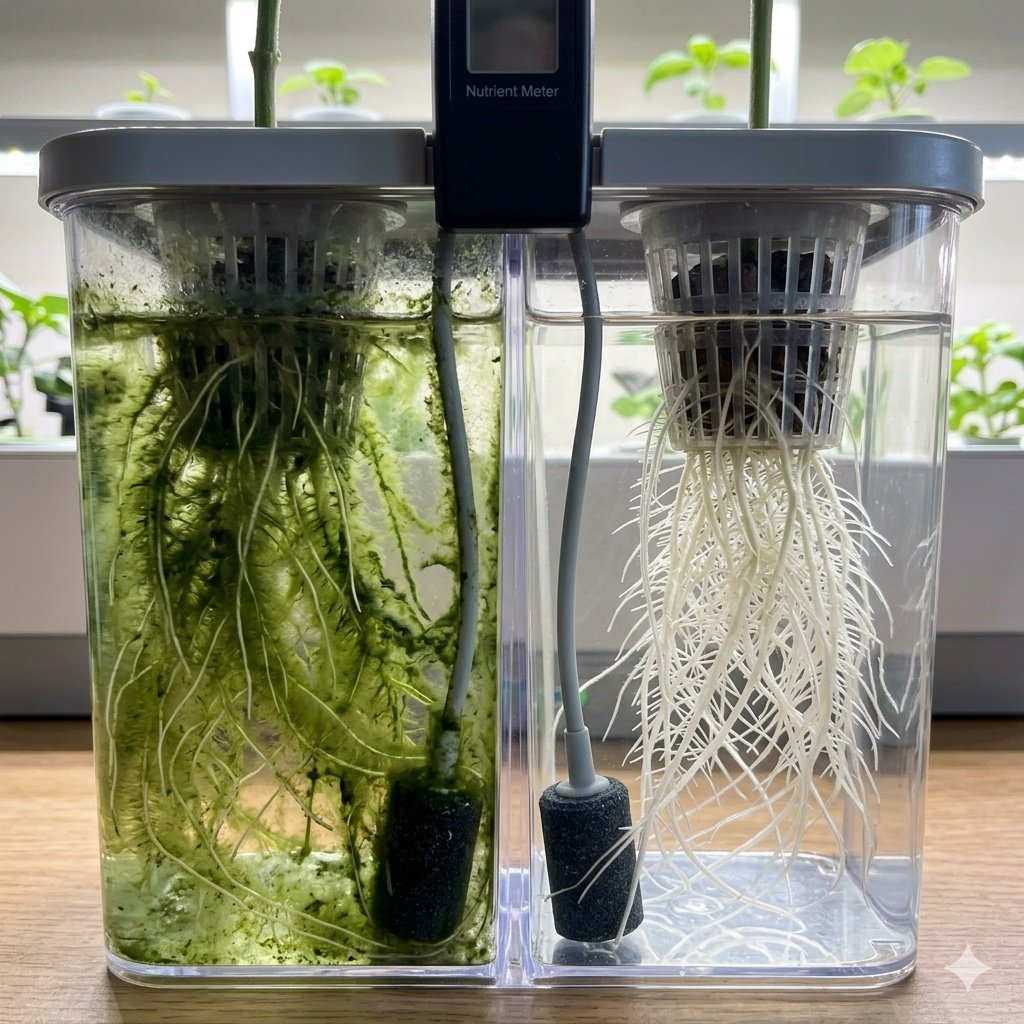
Algae growth
I noticed some green buildup in the water. Fixed it by reducing light exposure to the tank and cleaning it regularly.
Nutrient imbalance
Some leaves looked off early on. Adjusted the nutrient mix—problem solved within days.
Light issues
A few plants weren’t getting enough light. I repositioned the setup and added a small LED.
Each issue had a fix. You just have to pay attention.
Is Hydroponic Gardening Worth It?
It depends on what you want.
If you’re a beginner, it’s a great way to start growing food without dealing with soil.
If you’re on a tight budget, it might feel like a stretch at first.
If you’re serious about growing regularly, it makes a lot of sense.
It’s not magic. But it’s efficient.
Hydroponics vs Soil Gardening
| Feature | Hydroponics | Soil Gardening |
|---|---|---|
| Growth Speed | Faster | Slower |
| Maintenance | Medium | Medium |
| Cleanliness | High | Low |
| Cost | Higher | Lower |
Neither is perfect. It comes down to your space and preference.
Pro Tips
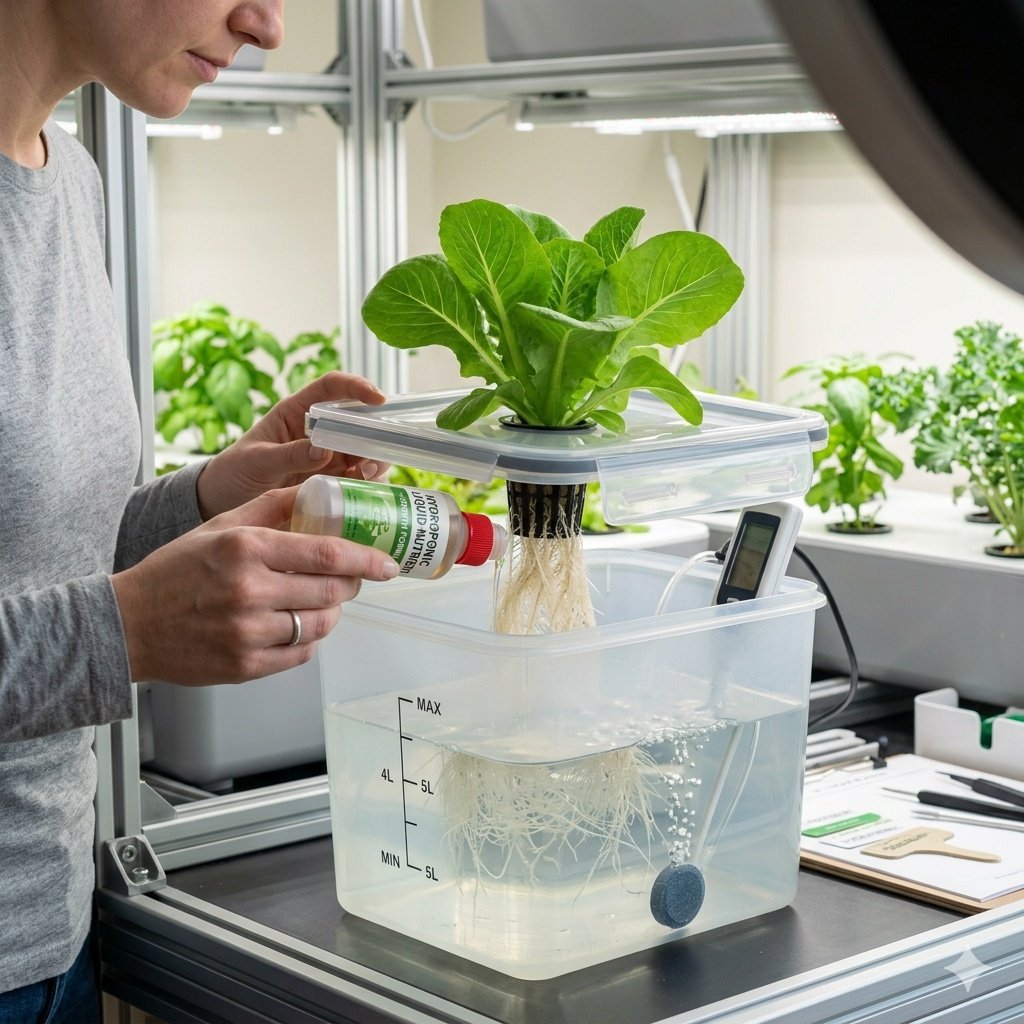
Start small. Don’t overbuild your first setup.
Check water levels often. Plants depend on it.
Keep your system clean—it prevents most problems.
Use good nutrients. It shows in the results.
Common mistakes I made (and how to avoid them)
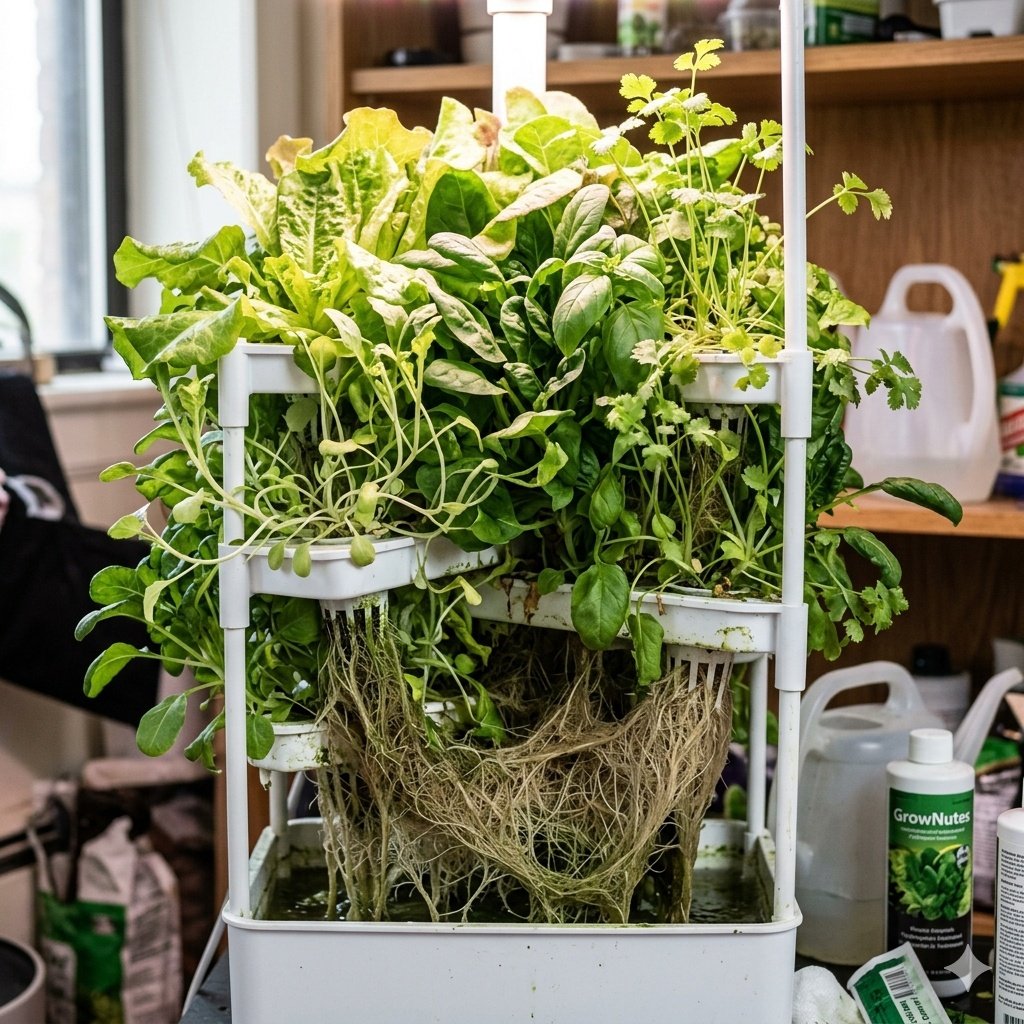
Most of these aren’t dramatic failures. They’re small things that quietly slow your plants down—or stall them completely. I ran into a couple of these myself, and the pattern was always the same: trying to “help” too much, too soon.
Adding too many nutrients too quickly
This one’s common. You see slow growth, so you assume the plants need more food. So you add more.
That usually backfires.
Too many nutrients can stress the roots, cause leaf burn, or throw the whole system out of balance. Instead of growing faster, the plant struggles to recover.
What worked better for me was sticking to the recommended dose, then adjusting slowly. Plants don’t need a sudden boost—they need consistency. If something looks off, tweak the mix slightly and give it a few days before changing anything again.
Ignoring light placement
Light isn’t just about turning it on and walking away. Distance and angle matter more than most people expect.
I had a few plants growing unevenly at first—leaning toward the light, stretching thin. That’s usually a sign they’re not getting enough or not getting it evenly.
Once I adjusted the height of the light and made sure all plants were covered, growth evened out quickly.
A simple rule: if your plants look leggy or tilted, check your lighting before anything else.
Forgetting to check water levels
This one sounds obvious, but it’s easy to overlook—especially when everything seems to be running fine.
In hydroponics, water isn’t just water. It’s the entire support system. When levels drop too low, roots can dry out or stop absorbing nutrients properly.
I got into the habit of checking every couple of days. It takes less than a minute, but it prevents bigger problems later.
If you want to make it easier, set a reminder. It helps more than you’d think.
Trying to grow too many plants at once
It’s tempting to fill every slot in your system right away.
More plants = more food, right?
Not always.
Crowding can limit airflow, block light, and make it harder to manage nutrients evenly. In the beginning, it’s better to grow fewer plants and get those right.
Once you understand how your system behaves, then you can scale up without guessing.
Related Reads
You might find these helpful as you keep going:
- Metal vs Wood Raised Garden Beds: Which Is Better?
- 17 Full Sun Plants to Grow in May
- 7 Best Fertilizers for Raised Beds (Top Picks + Feeding Guide)
FAQ
Can hydroponics work without sunlight?
Yes. Grow lights can replace sunlight completely.
Is it expensive?
Upfront, yes. But ongoing costs are manageable.
What grows fastest?
Lettuce, herbs, and leafy greens.
How often should you change the water?
Every 1–2 weeks works for most setups.
Final Thoughts
My balcony went from unused space to something productive.
Not overnight—but faster than I expected.
Hydroponics didn’t just make gardening easier. It made it possible in a space where traditional methods kept failing.
If you’re thinking about trying it, start small.
A simple setup is enough to see if it fits your routine.
And once you see those first leaves come in, you’ll get why people stick with it.