
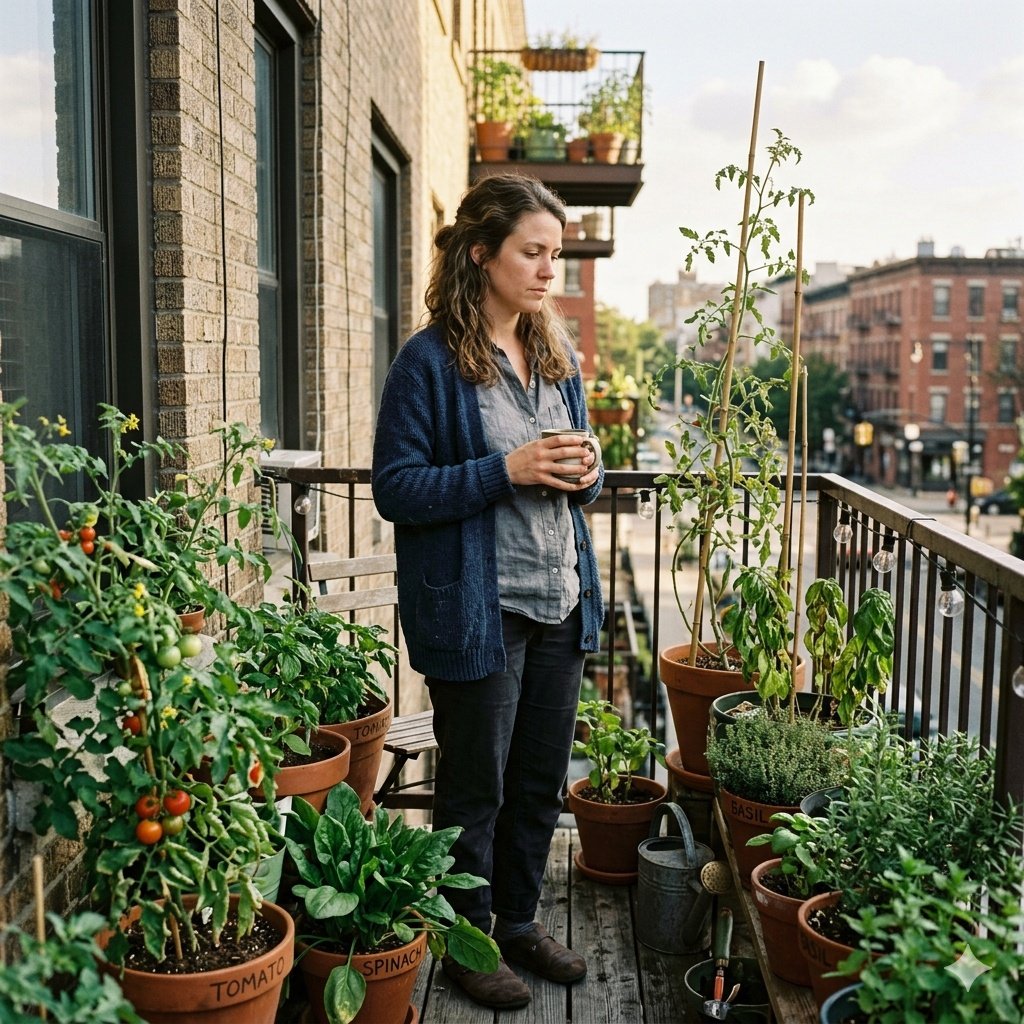
I still remember the first day I set up my edible garden. A few pots, some seeds, big expectations. I pictured fresh herbs on my plate, juicy tomatoes within weeks… the whole thing felt simple.
It wasn’t.
Within a month, half my plants looked tired. Some stopped growing. A few just gave up completely. I kept wondering what I was doing wrong—watering more, moving pots around, even talking to them (yes, really). Nothing worked.
Turns out, I was making a handful of classic beginner gardening mistakes. The kind that don’t seem obvious until your plants start showing signs.
If you’re just starting your edible garden, there’s a good chance you’re making at least one of these right now.
Here are the five mistakes that almost wrecked mine—and what finally fixed them.
Mistake #1: Choosing the Wrong Location
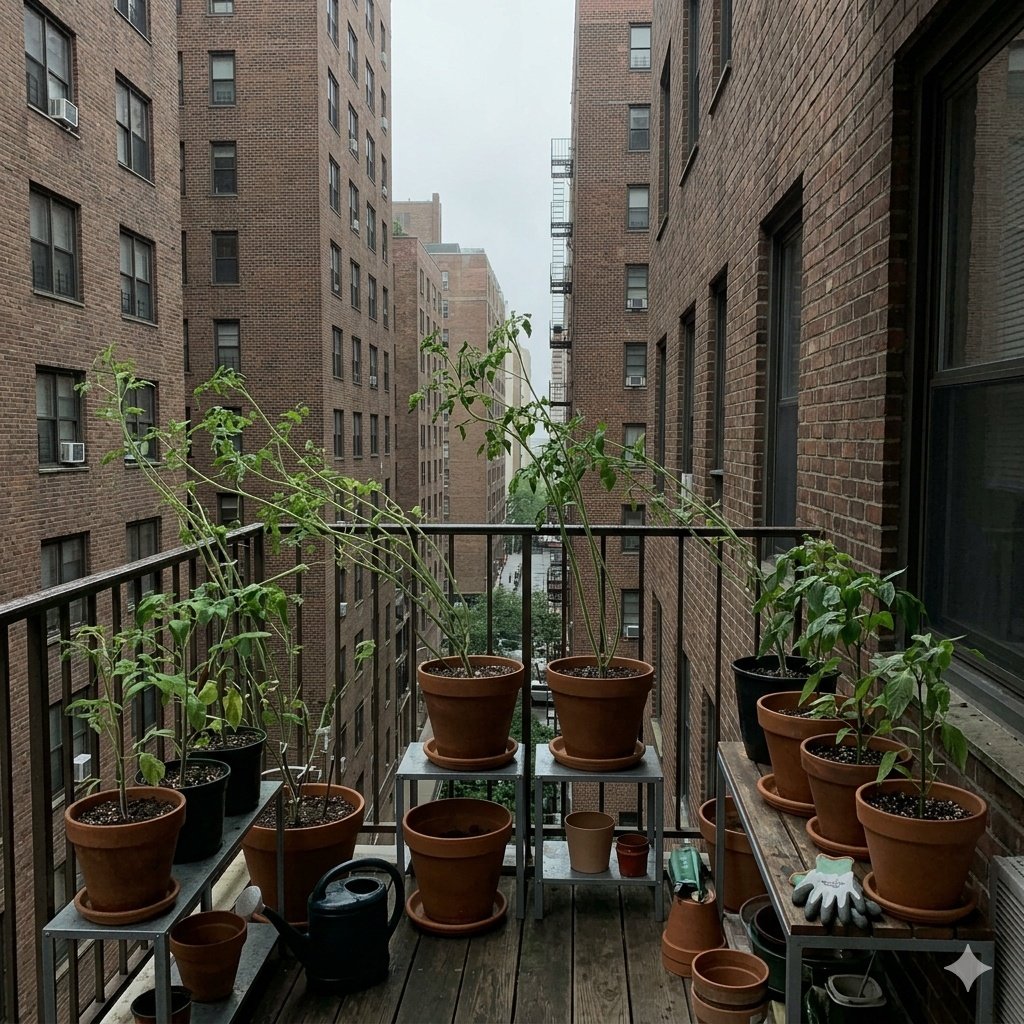
I thought a little sunlight would be enough. My balcony got a couple of bright hours a day, and I figured plants would “adjust.”
They didn’t.
The plants grew tall and thin, like they were stretching for something just out of reach. Leaves looked pale. No flowers, no vegetables. Just… effort with no results.
Most edible plants aren’t shy about their needs. They want sun. A lot of it. Around 6–8 hours of direct sunlight every day.
Without that, they survive—but they don’t produce.
What changed everything
I started paying attention to how sunlight actually moved across my space. Not guessing. Watching.
- Morning light? Good.
- Harsh afternoon light? Even better for some plants.
- Shady corners? Useless for most vegetables.
Once I moved my pots to the sunniest spot, the difference showed up fast. Stronger stems. Richer color. Actual growth.
What you should do
Spend a couple of days observing light patterns before placing anything permanently. It sounds slow, but it saves weeks of frustration.
If you’re stuck with low light:
- Rotate pots during the day
- Use reflective surfaces (a white wall works fine)
- Or consider a simple grow light setup
A plant in the wrong spot will always struggle, no matter how well you care for it.
Mistake #2: Using Poor Soil
This one hurt.
I used regular garden soil. Cheap, easy, and—what I thought—good enough.
It wasn’t.
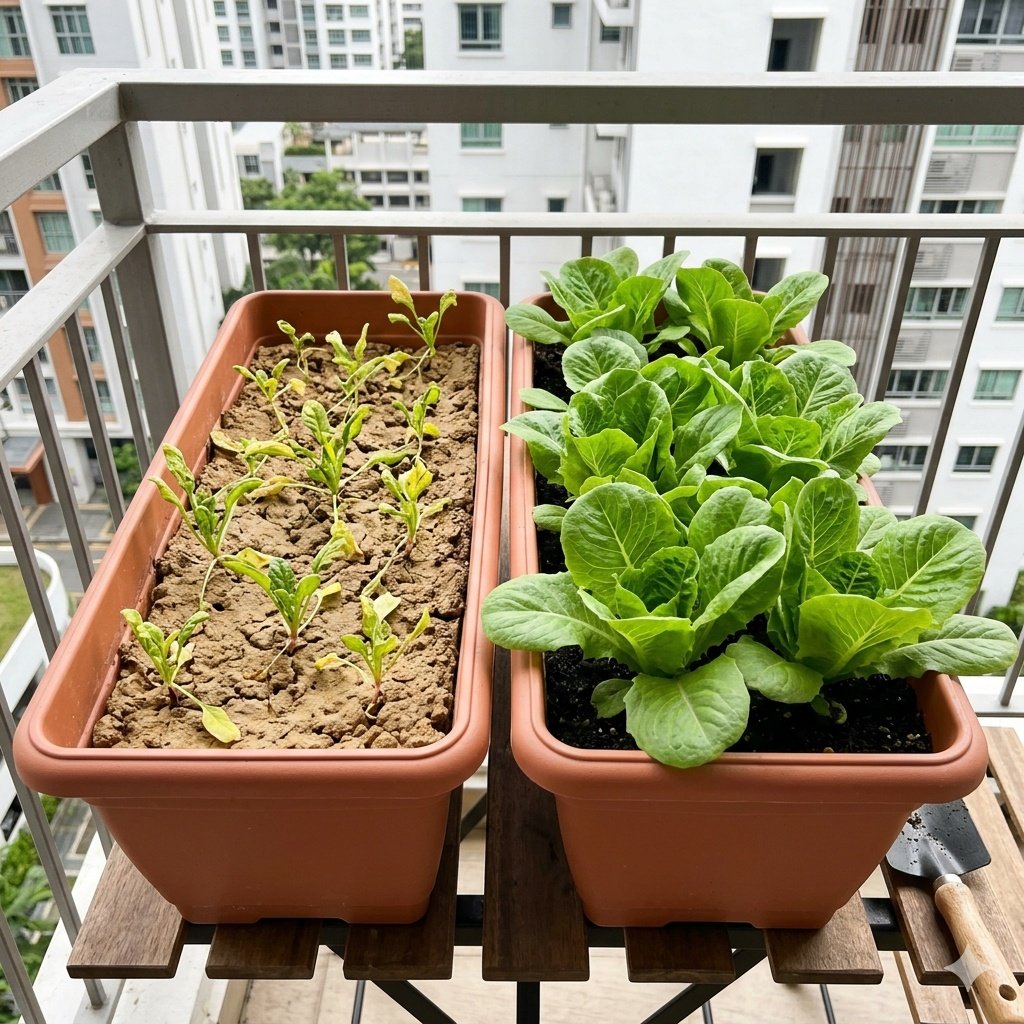
Water would sit on top instead of soaking in. When it finally drained, the soil turned dense and clumpy. Some plants started wilting even though the soil was wet. Others just stopped growing.
That’s when I learned something basic: soil isn’t just dirt. It’s the entire support system.
Bad soil leads to:
- Poor drainage
- Weak roots
- Nutrient deficiencies
And once roots struggle, everything above them follows.
What actually works
I switched to a proper potting mix. Light, airy, and designed for containers.
Then I improved it:
- Compost for nutrients
- Coco peat for moisture balance
- Perlite for drainage
That combination changed everything. Water moved properly. Roots spread. Growth picked up.
A simple way to think about it
If your soil feels heavy, sticky, or turns into a brick when dry—it’s not right for an edible garden.
Good soil feels loose. It holds moisture without drowning the roots.
Get this part right, and you’re halfway there.
Mistake #3: Overwatering (Yes, It’s a Thing)
I thought more water meant more love.
So I watered every day. Sometimes twice.
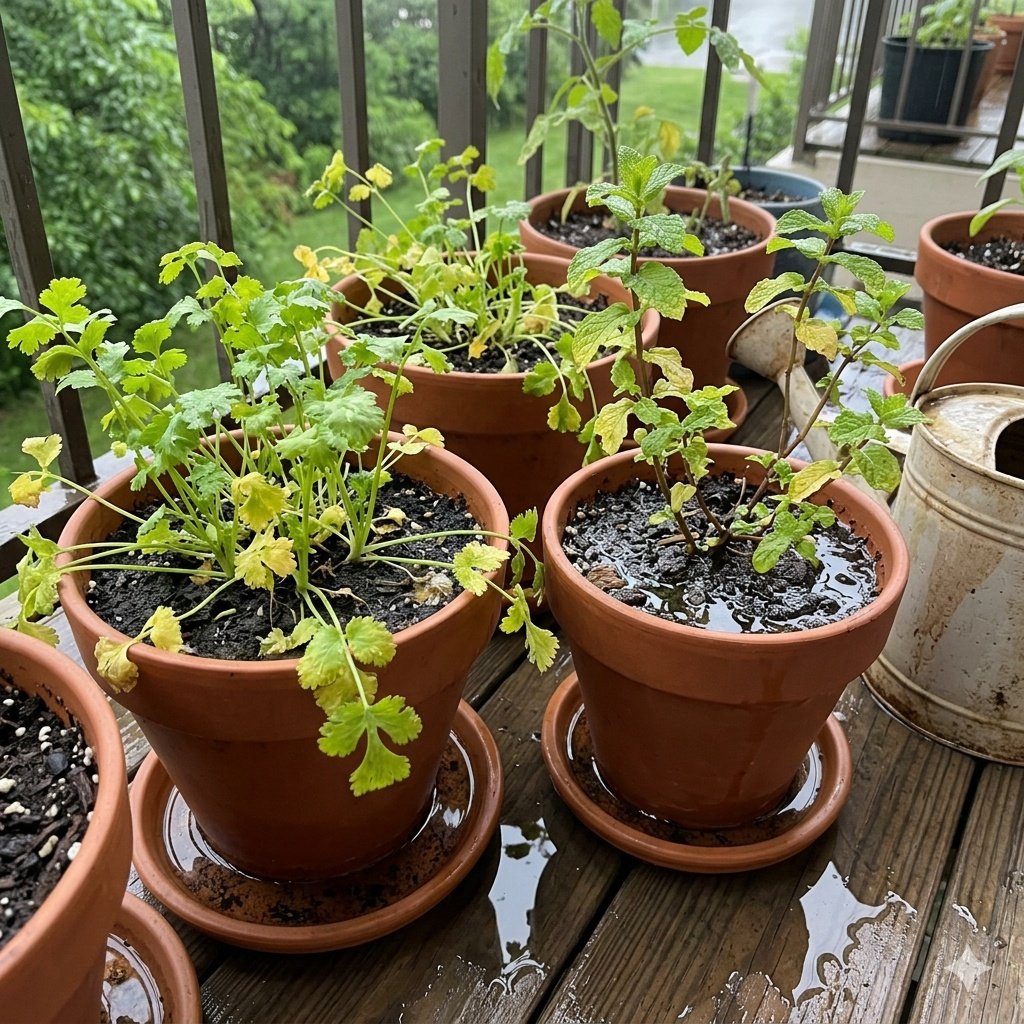
At first, it felt responsible. Then the leaves started turning yellow. Some developed spots. A few plants collapsed completely.
Too much water doesn’t help plants grow. It suffocates them.
Roots need air just as much as they need moisture. When soil stays constantly wet, roots can’t breathe. That’s when rot sets in.
What fixed it
I stopped watering on schedule.
Instead, I checked the soil first. Just a finger pushed an inch deep. If it felt dry, I watered. If not, I waited.
That one habit changed everything.
Better watering habits
- Water deeply, but less often
- Always check soil before watering
- Make sure your pots have drainage holes
Morning watering works best. The plant gets time to absorb moisture before the heat kicks in.
It’s a small shift, but it prevents one of the most common edible garden mistakes.
Mistake #4: Starting with Difficult Plants
I went straight for the “exciting” stuff. Fancy herbs. Plants that looked great in photos.
Big mistake.
They needed specific conditions, constant attention, and way more experience than I had. Most didn’t last long.
And failure, repeated enough times, kills motivation fast.
What I should have done
Start simple.
There are plants that almost want to grow. They’re forgiving. They bounce back. They give you quick wins.
That matters more than you think.
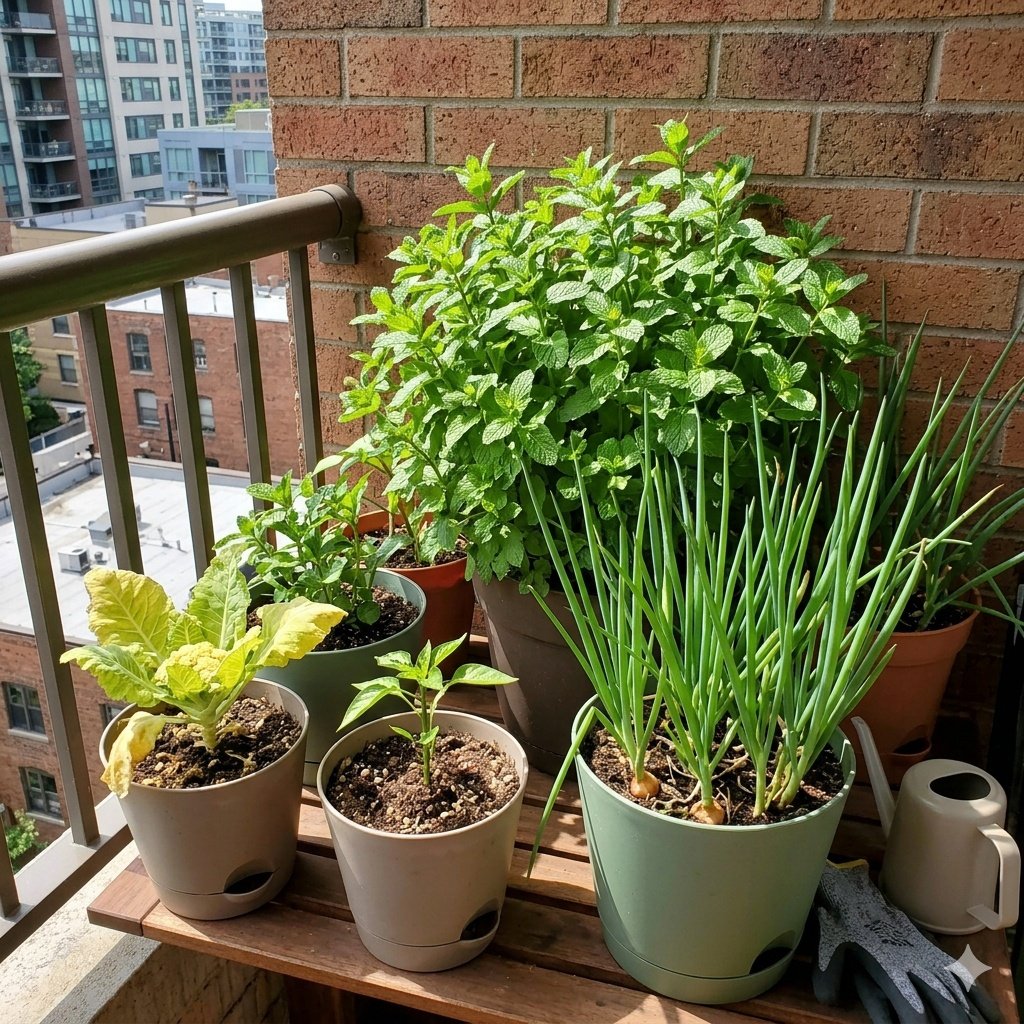
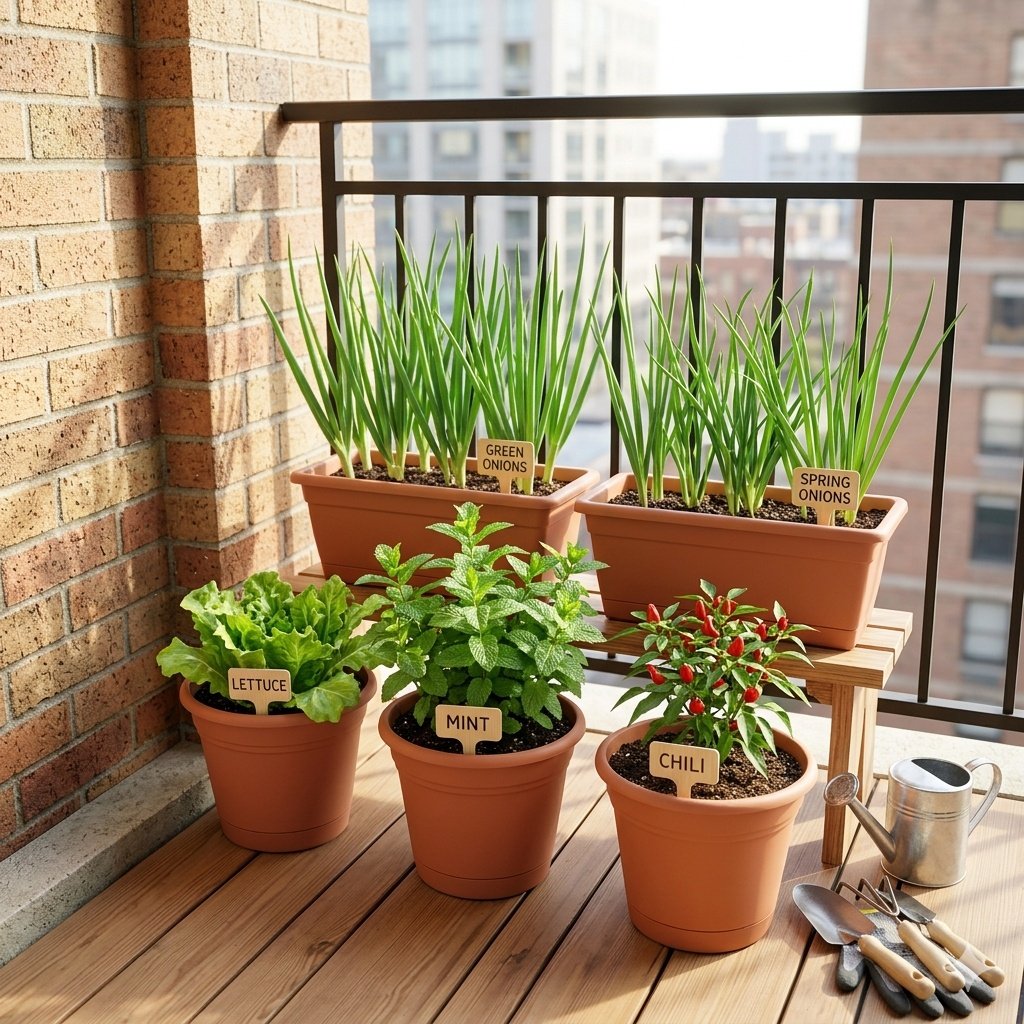
Beginner-friendly plants that actually work
- Spinach
- Lettuce
- Mint
- Green onions
- Chili
These don’t demand perfection. They grow fast, respond well to basic care, and give you visible results early.
That early success builds confidence. And confidence keeps you going.
Mistake #5: Ignoring Plant Spacing & Container Size
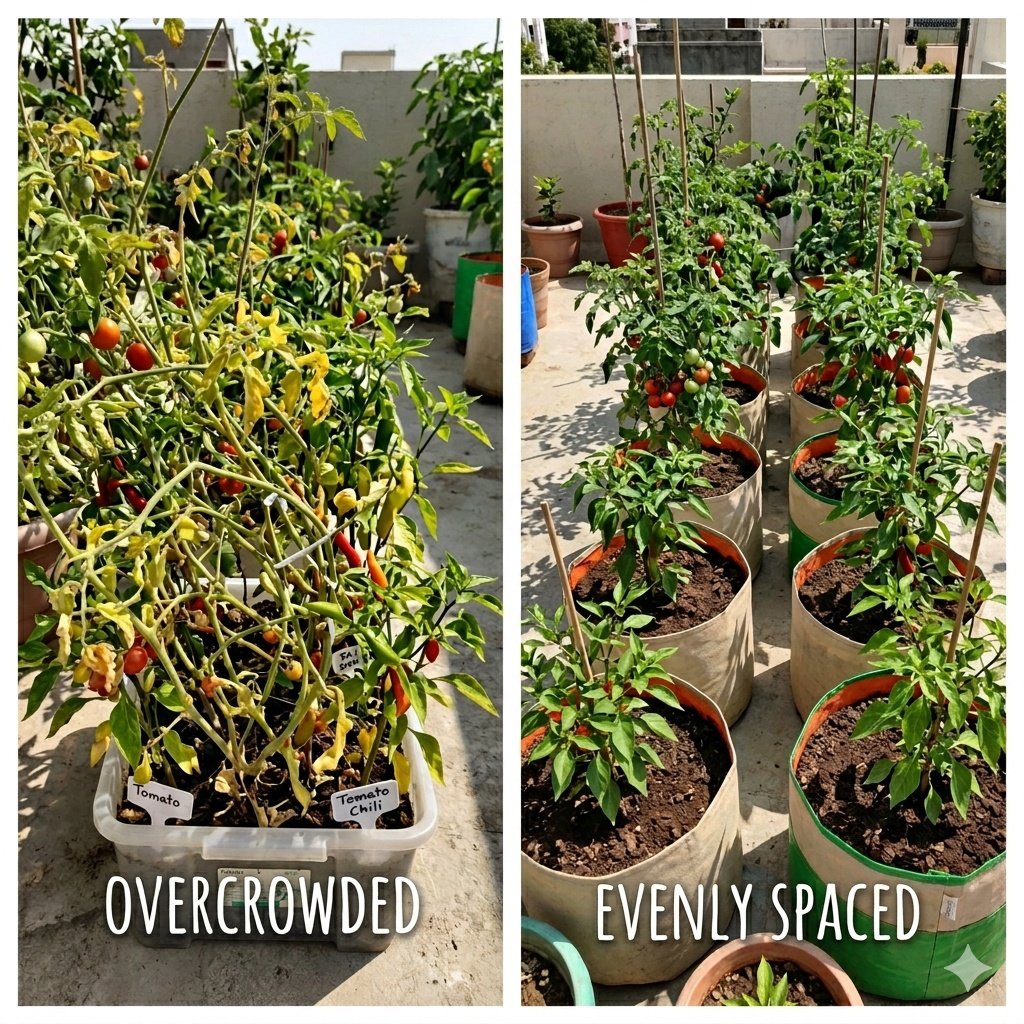
At one point, my garden looked full. Lots of plants packed into small pots.
It felt productive.
It wasn’t.
The plants competed for everything—space, nutrients, water. Roots got cramped. Growth slowed down. Yields dropped.
More plants in one pot doesn’t mean more food. Usually, it means less.
What changed
I started matching plant size to container size.
- Small herbs → small to medium pots
- Tomatoes, peppers → large containers
- Root vegetables → deep pots
I also gave each plant enough breathing room. Not too much, not too little.
A simple rule
If a plant looks crowded now, it’ll be a problem later.
Give it space early.
Bigger pots also mean:
- More stable moisture levels
- Less frequent watering
- Healthier root systems
Which makes your life easier.
Bonus: 3 Quick Mistakes to Avoid
These don’t get talked about enough, but they matter.
1. Skipping fertilizer
Plants in containers run out of nutrients fast. A simple organic feed every couple of weeks helps more than you think.
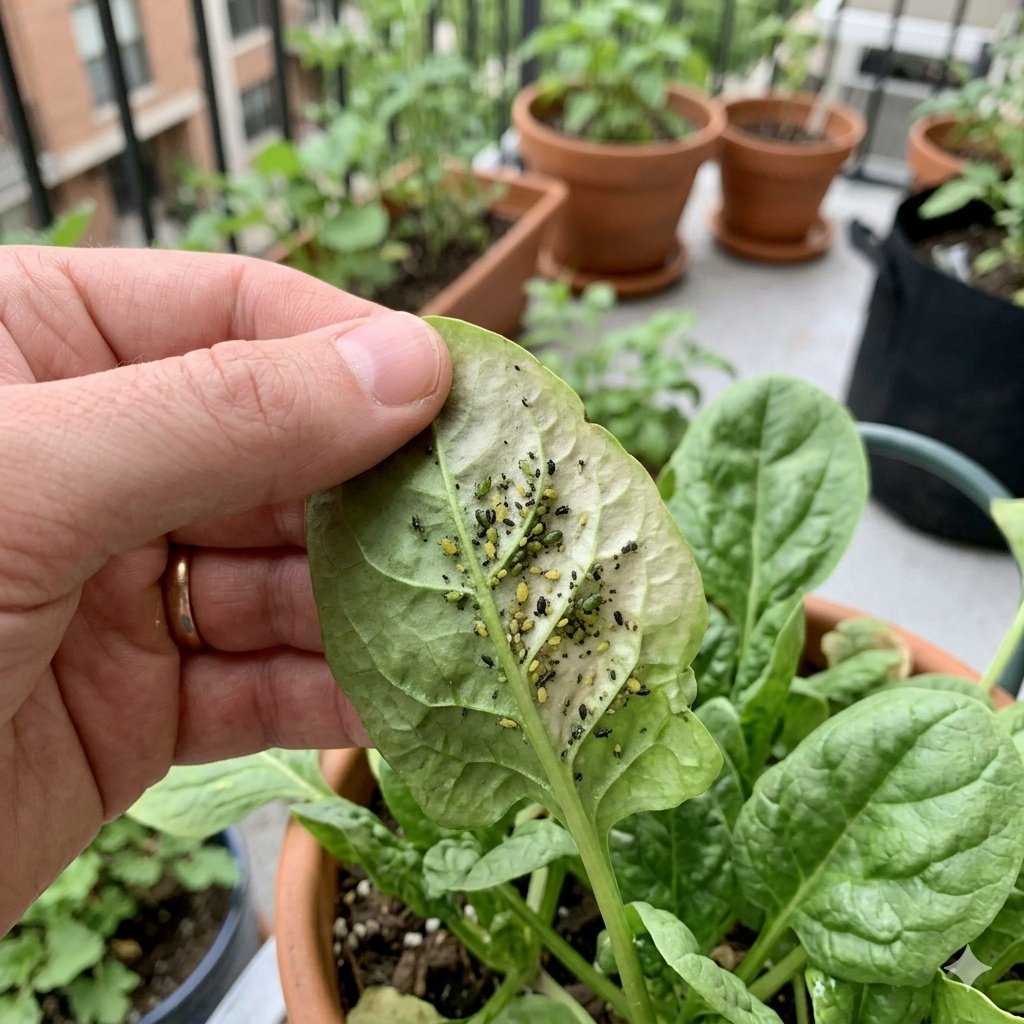
2. Ignoring pests early
A few tiny bugs can turn into a full problem quickly. Check leaves regularly—especially the undersides.
3. Poor drainage
No drainage holes = trapped water = root rot. Always make sure excess water can escape.
If I Had to Start Again (Simple Setup Plan)
If I could reset everything, I’d keep it simple.
No overthinking. No experimenting too early.
Here’s exactly what I’d do:
- Pick the sunniest spot available
- Use a high-quality potting mix from day one
- Start with 3–5 easy plants
- Choose the right container sizes
- Water only when needed
That’s it.
No complicated systems. No fancy tools.
Just the basics, done right.
Starter essentials that actually help
- Good potting mix
- Beginner seed kit or seedlings
- Containers with drainage
- Basic watering can or hose
- Optional: moisture meter for accuracy
You don’t need a lot to get started. You just need the right foundation.
Related Reads
You might find these helpful as you keep going:
- Metal vs Wood Raised Garden Beds: Which Is Better?
- 17 Full Sun Plants to Grow in May
- 7 Best Fertilizers for Raised Beds (Top Picks + Feeding Guide)
FAQ: Edible Garden Basics
How much sunlight do edible plants need?
Most vegetables and herbs need 6–8 hours of direct sunlight daily. Leafy greens can manage with a bit less, but fruiting plants need full sun.
How often should I water my edible garden?
There’s no fixed schedule. Check the soil first. Water when the top inch feels dry.
What is the best soil mix for vegetables?
A mix of potting soil, compost, coco peat, and perlite works well. It keeps the balance between moisture and drainage.
What are the easiest vegetables for beginners?
Spinach, lettuce, mint, green onions, and chili are great starting points.
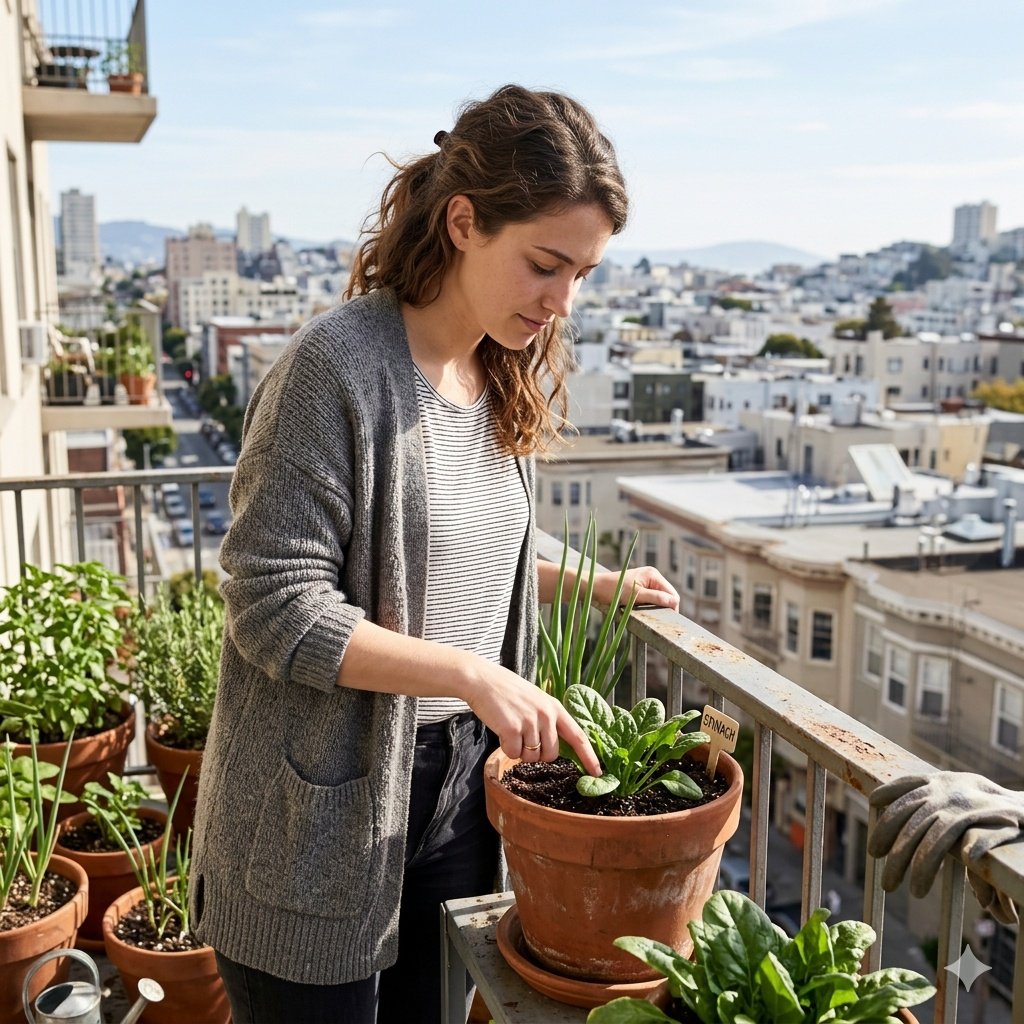
Can I grow an edible garden on a balcony?
Yes, as long as you get enough sunlight. Use vertical space if needed and choose compact plants.
Why are my plants not growing properly?
Usually it comes down to light, soil, or watering. Check those three before anything else.
Do I need fertilizer for container gardening?
Yes. Nutrients run out faster in pots, so occasional feeding helps maintain growth.
Final Thoughts
Looking back, none of these mistakes were dramatic on their own. But stacked together, they slowed everything down and made the whole experience feel harder than it needed to be. That’s the part most beginners don’t see coming. You assume plants will just grow if you care enough, and when they don’t, it feels confusing more than anything else.
What changed things for me wasn’t doing more—it was doing a few basic things better. Giving plants enough light. Using soil that actually supports growth. Watering based on need, not habit. Choosing plants that made sense for my space and skill level. Small shifts, but they added up quickly.
There’s also something worth saying about patience. An edible garden doesn’t reward urgency. You can’t rush roots to grow deeper or leaves to appear faster. But if the setup is right, progress shows up in quiet ways—new leaves, stronger stems, a deeper green color. You start noticing these things, and that’s when it becomes enjoyable.
If you’re at the beginning, don’t try to fix everything at once. Pick one issue. Adjust it. Watch what happens. Then move to the next. That steady approach works better than constantly changing everything and hoping something sticks.
And don’t wait until you feel fully ready. You won’t. Start small, even if it’s just a couple of pots on a windowsill or balcony. Learn as you go. Make mistakes, fix them, repeat. That’s not failure—that’s the process working exactly how it should.