
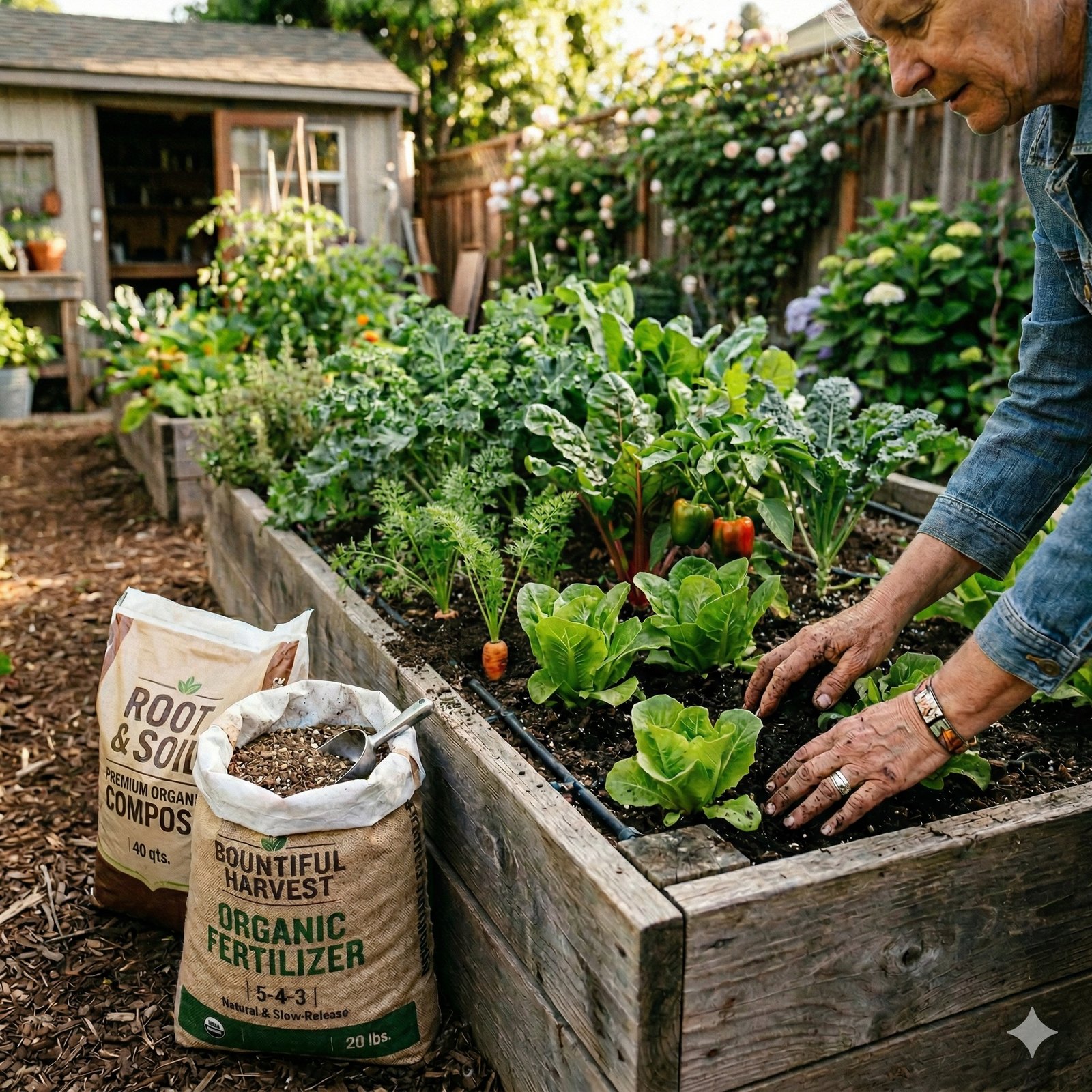
Best Fertilizers for Raised Beds: So, if your raised beds look a bit off, plants growing slower than expected, leaves kind of pale or curling, and harvests not really hitting that full, satisfying level, then yeah, something’s missing. In most cases, it’s not your setup, not even your watering, it’s the feeding part that’s falling short.
As a matter of fact, even if you already built what feels like the best soil mix for raised beds, that soil still runs out of nutrients over time. Plants keep pulling from it day after day, and unless you refill that supply, things slowly stall.
In a way, fertilizer is what keeps everything moving. It’s like topping up fuel before a long drive, you don’t wait for the tank to hit empty.
Now, this guide walks through what fertilizers actually work, how to use them without guesswork, and which ones are worth buying right now.
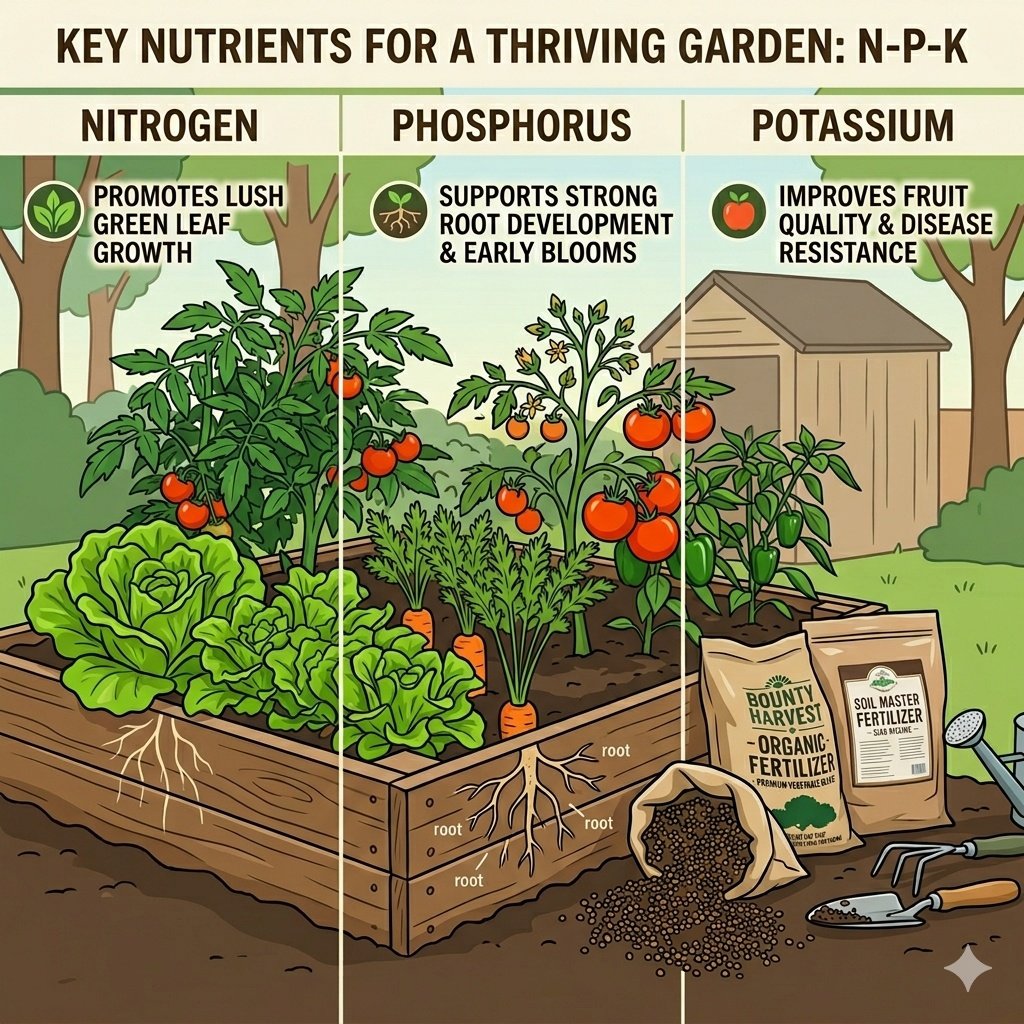
Quick Answer (What Fertilizer Do Raised Beds Need?)
Alright, so the short answer is this, your fertilizer choice depends on what stage your plants are in.
- Leaf growth → Nitrogen (N)
- Root growth → Phosphorus (P)
- Flowers & fruits → Potassium (K)
So, that NPK number you see on fertilizer bags is basically a simple breakdown of those three nutrients.
For instance, a balanced fertilizer like 10-10-10 gives equal support, yet something like 5-10-10 leans more into fruiting, which tomatoes and peppers really like.
In other words, feeding plants is not random, it’s more like matching food to their current needs.
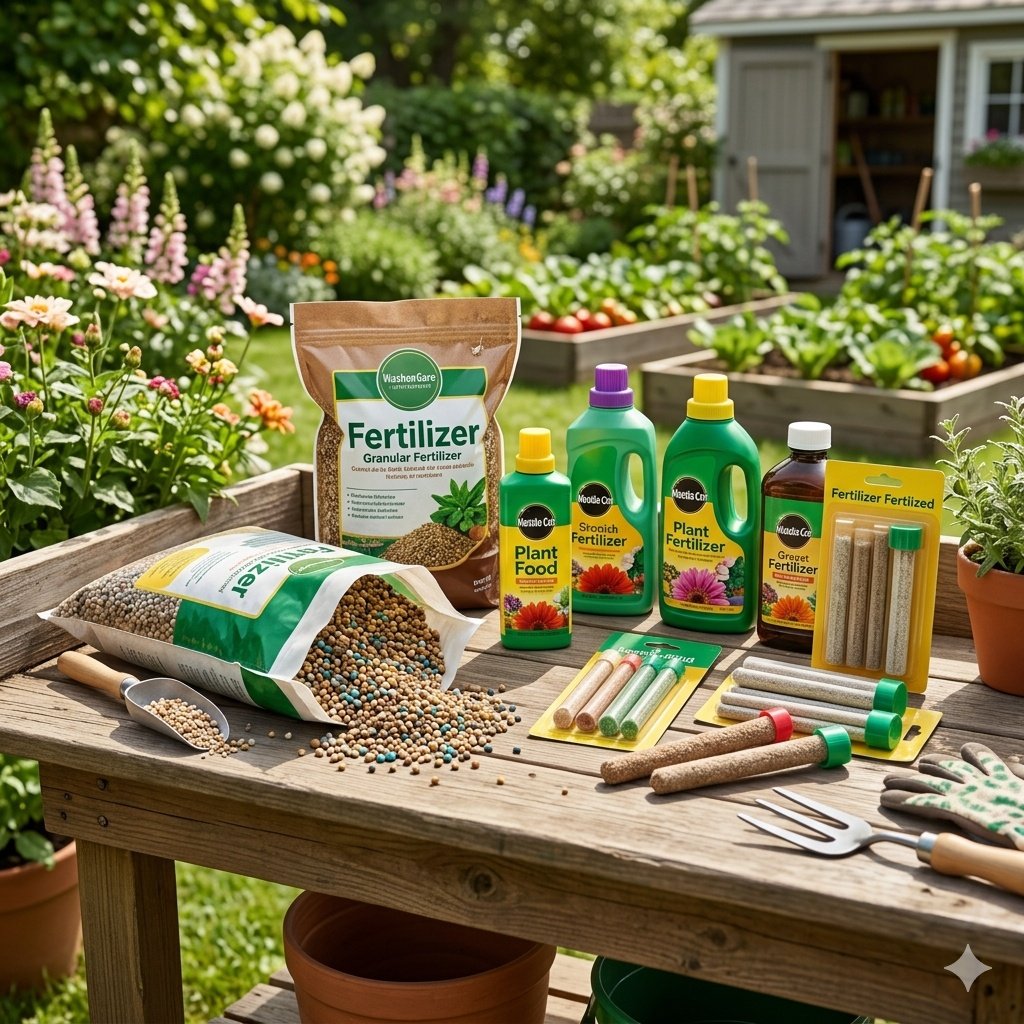
7 Best Fertilizers for Raised Beds
So, now let’s get into the real picks, the ones that gardeners actually use again and again.
1. Espoma Organic Garden-Tone Fertilizer
Best Overall Organic Option
So, this one is kind of the steady, reliable option that just keeps working in the background.
- NPK Ratio: 3-4-4
- Best For: Vegetables, herbs, long-term soil improvement
This fertilizer feeds plants slowly, yet it’s doing more than that. It builds soil quality over time, which makes future planting easier.
Pros:
- Feeds gradually, so plants don’t get overwhelmed
- Helps soil hold nutrients better
- Safe for pets and kids
Cons:
- Results take a bit longer to show
- Smell is slightly strong at first
2. Miracle-Gro All Purpose Plant Food
Fast Results (Synthetic Pick)
Now, if your plants look weak and you want to fix that quickly, this one acts fast.
- NPK Ratio: 24-8-16
- Best For: Quick growth boost, reviving struggling plants
You mix it with water, apply it, and in a few days, plants often look greener and fuller.
Pros:
- Very quick results
- Easy to use
- Affordable
Cons:
- Doesn’t improve soil structure
- Overuse can damage plants
3. Jobe’s Organics Vegetable Fertilizer Spikes
Beginner-Friendly Option
So, if measuring powders feels like too much effort, these spikes simplify everything.
- NPK Ratio: 2-7-4
- Best For: Easy feeding without mixing
You just push them into the soil and let them do their job slowly.
Pros:
- Simple and clean
- Slow nutrient release
- Good for beginners
Cons:
- Less flexible in dosage
- Needs moisture to activate properly
4. Dr. Earth Organic Vegetable Fertilizer
Premium Organic Choice
This one feels like a step up if you want stronger soil and better-tasting crops.
- NPK Ratio: 4-6-3
- Best For: High-yield vegetable beds
It contains natural ingredients and beneficial microbes that support plant health over time.
Pros:
- Supports soil life
- Improves crop flavor
- Clean ingredients
Cons:
- Slightly higher cost
- Needs consistent use
5. Neptune’s Harvest Fish & Seaweed Fertilizer
Liquid Feeding Option
So, this one is more like a quick boost rather than a full meal.
- NPK Ratio: 2-3-1
- Best For: Regular feeding, stressed plants
It absorbs quickly, which makes it useful when plants need immediate help.
Pros:
- Fast absorption
- Adds trace nutrients
- Works for foliar feeding
Cons:
- Strong smell
- Needs frequent use
6. FoxFarm Big Bloom Liquid Fertilizer
Best for Flowering Stage
Now, once your plants start flowering, they need a different kind of support.
- NPK Ratio: 0.01-0.3-0.7
- Best For: Flowers and fruiting plants
This one helps increase bloom size and fruit production.
Pros:
- Encourages bigger harvests
- Gentle on plants
- Works well with other fertilizers
Cons:
- Not a full nutrient solution
- Needs pairing
7. Osmocote Smart-Release Plant Food
Slow-Release Option
So, if you don’t want to think about feeding every few weeks, this one keeps things simple.
- NPK Ratio: 14-14-14
- Best For: Long-term feeding
You apply it once, and it keeps releasing nutrients over months.
Pros:
- Very low maintenance
- Balanced nutrients
- Long-lasting
Cons:
- Synthetic formula
- Limited control after application
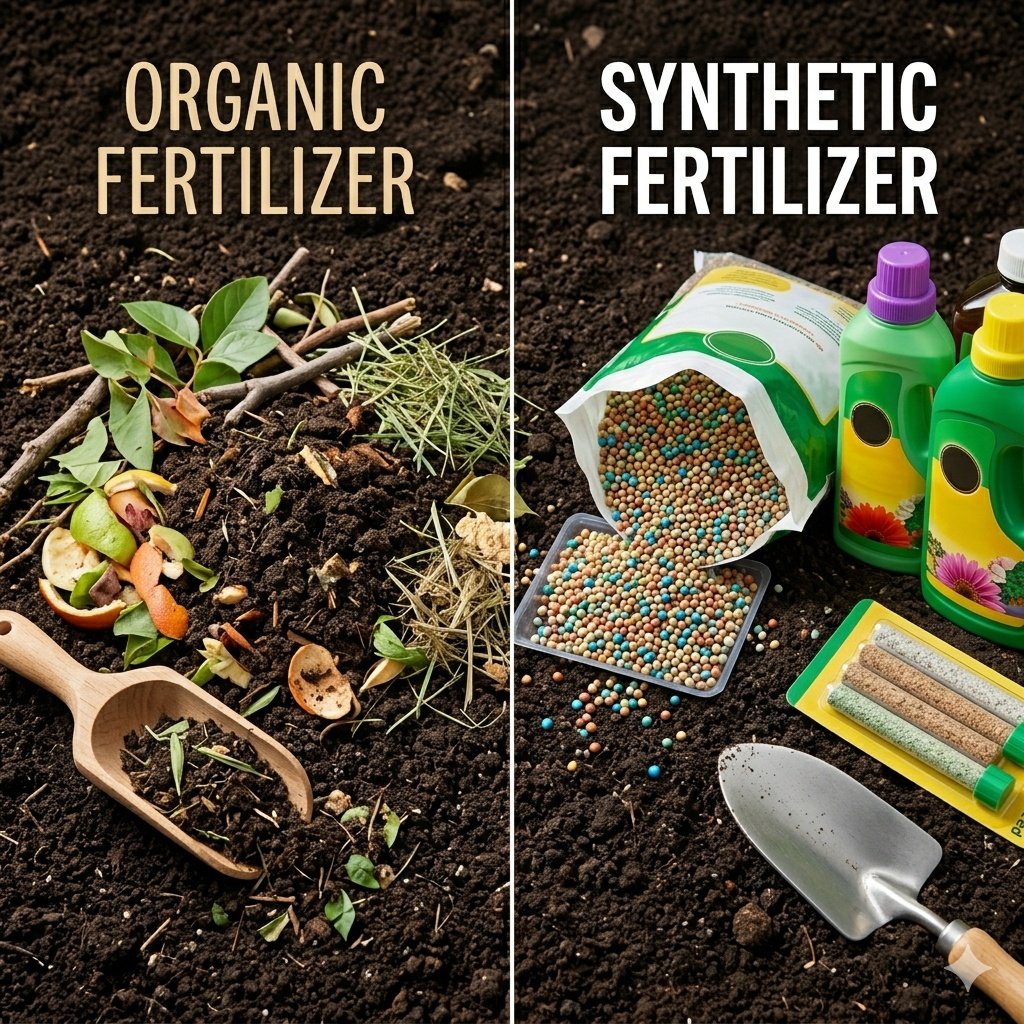
Organic vs Synthetic Fertilizer
So, choosing between organic and synthetic fertilizers is something most gardeners think about at some point.
| Feature | Organic | Synthetic |
|---|---|---|
| Speed | Slow and steady | Fast acting |
| Soil health | Builds over time | Neutral effect |
| Cost | Medium | Lower |
In a way, organic fertilizers feed the soil first, then the plant. Synthetic ones feed the plant directly.
So, if you want quick results, synthetic works faster. If you care about long-term soil health, organic tends to be the better route.
How to Fertilize Raised Beds Properly
Now, even the best fertilizer won’t help much if it’s used the wrong way.
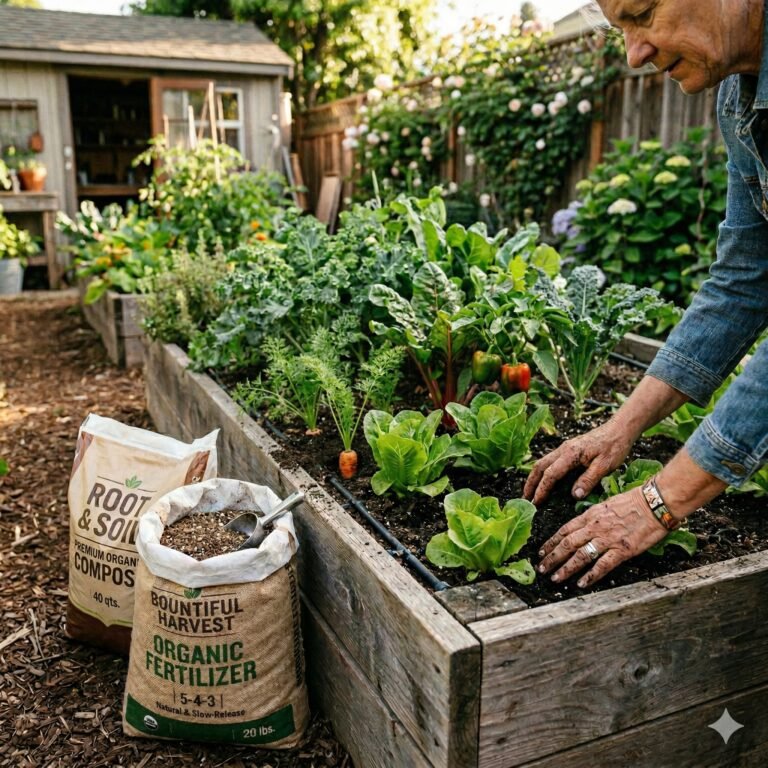
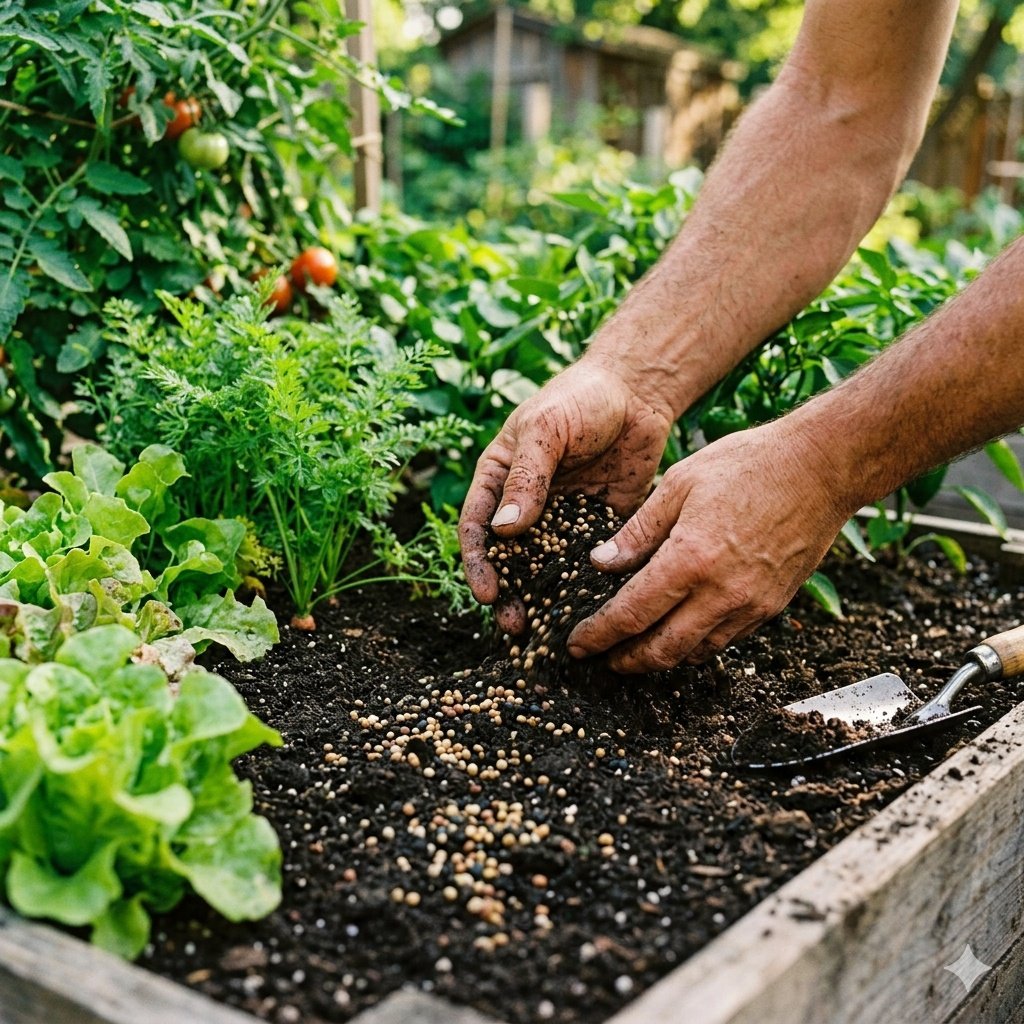
Before planting, mix fertilizer into the soil and keep the fertilizer mixed soil rest for at least 15 days, so roots can access nutrients early. During the growing season, feeding every two to three weeks keeps plants supported.
After applying fertilizer, water the soil. This helps nutrients move down to the roots instead of sitting on the surface.
So, timing and method matter just as much as the product itself.
Choose the Right Fertilizer Application Method
So, how you apply fertilizer matters more than most people think. If you’re using a drip irrigation system, liquid fertilizers tend to work better since they move easily with water and reach plant roots faster.
Organic fertilizers, in a way, feed your soil slowly and help improve structure over time. Synthetic fertilizers, on the other hand, act faster and give plants a quick boost, yet they don’t build long-term soil health.
In some cases, using both methods together gives more balanced results, especially in raised beds where nutrients can run out quicker.
Common Fertilizer Mistakes
So, here are a few things that often go wrong.
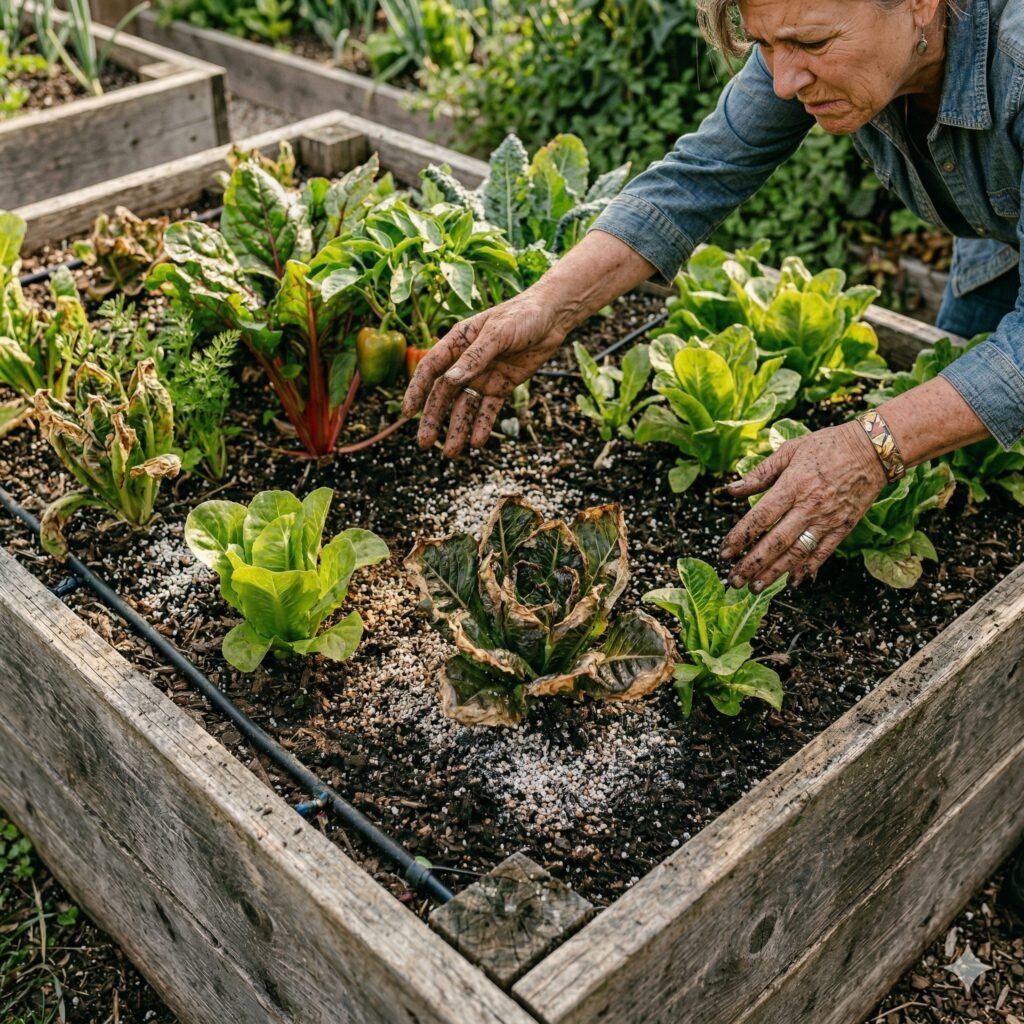
Too much nitrogen leads to big leafy plants but very little fruit. That’s a common issue with tomatoes.
Ignoring soil condition is another one. If soil already has nutrients, adding more doesn’t help and can actually harm plants.
Poor timing is also a factor. Feeding too early or too late reduces effectiveness. In fact, more fertilizer doesn’t mean better results. It usually causes the opposite.
Fertilizer Schedule for Vegetables
So, different plants need different feeding patterns.
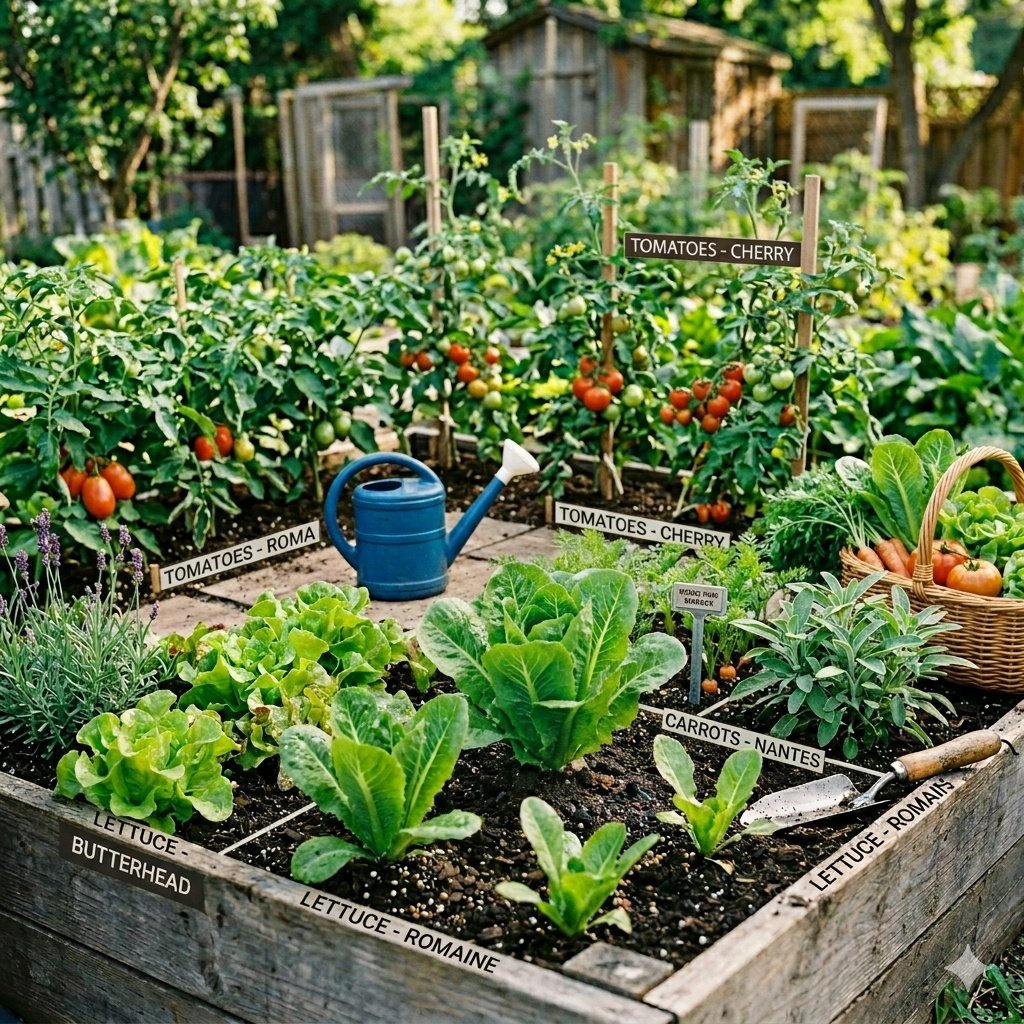
Leafy greens like lettuce benefit from feeding every two weeks since they grow quickly.
Tomatoes and peppers need feeding every two to three weeks, especially during fruiting.
Root crops like carrots and beets require lighter feeding, since too many nutrients can affect root development.
So, adjusting your feeding based on the plant type makes a noticeable difference.
Related Reads
You might find these helpful as you keep going:
- Metal vs Wood Raised Garden Beds: Which Is Better?
- Pros and cons of granular and liquid fertilizers
- 7 Best Soil Mixes for Raised Beds (Perfect for Vegetables & Beginners)
FAQs
- What is the best fertilizer for raised beds overall?
So, for most gardeners, Espoma Garden-Tone is a safe and steady choice since it feeds plants slowly and improves soil over time. Yet, if you want faster results, Miracle-Gro tends to work quicker and shows visible growth in just a few days.
- What NPK ratio works best for vegetable gardens?
In most cases, a balanced ratio like 10-10-10 works fine for general growth. However, fruiting plants like tomatoes usually prefer something like 5-10-10, since it pushes more energy into flowers and fruit instead of just leaves.
- Can I use only compost in raised beds?
Yes, you can use compost, and it helps a lot with soil quality. Still, compost alone often doesn’t supply enough nutrients for heavy feeders, so adding fertilizer from time to time gives better results.
- How often should I fertilize raised beds?
So, most vegetables need feeding every two to three weeks during active growth. Leafy greens may need it more often, while root crops usually need less.
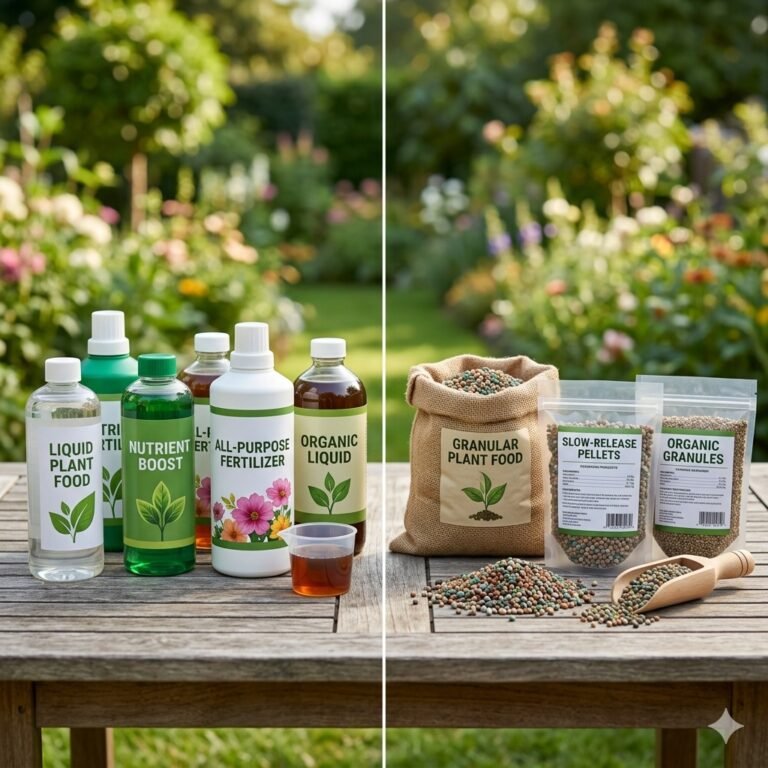
- Is liquid fertilizer better than granular?
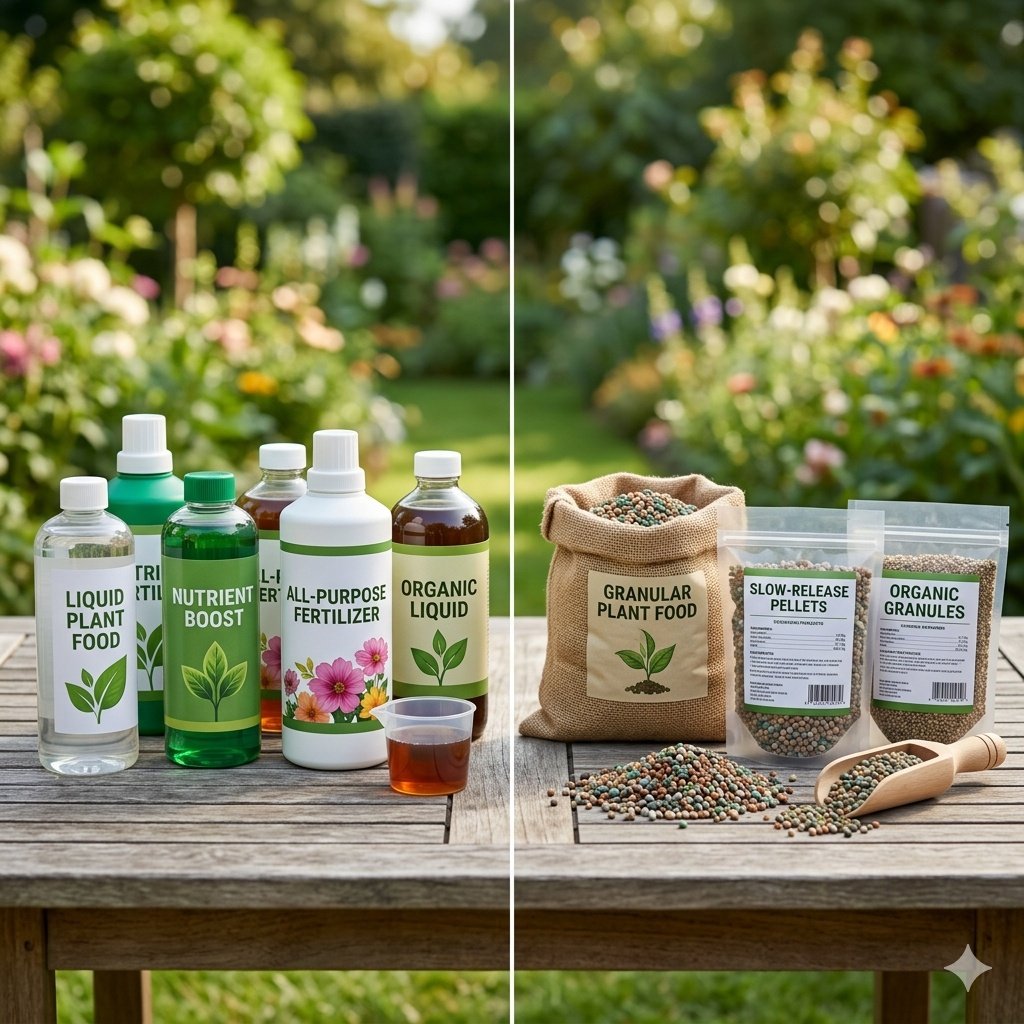
Liquid fertilizers act faster since plants absorb them quickly, which helps in weak or stressed conditions. Granular fertilizers, on the other hand, release nutrients slowly and last longer in the soil.
- Can you over-fertilize raised beds?
Yes, and it happens more often than people expect. Too much fertilizer can burn roots, damage leaves, and actually slow plant growth instead of helping it.
- What is the best organic fertilizer for raised beds?
Espoma Garden-Tone and Dr. Earth are both solid options. They improve soil health over time and are safe for regular use in vegetable beds.
- What is the best fertilizer for tomatoes in raised beds?
Tomatoes usually do better with fertilizers higher in phosphorus and potassium. Something like FoxFarm Big Bloom or a 5-10-10 mix tends to support better fruit production.
- Should I fertilize before planting or after?
So, ideally both. Mixing fertilizer into the soil before planting gives roots a strong start, and feeding during growth keeps plants supported throughout the season.
- Do raised beds need more fertilizer than in-ground gardens?
In a way, yes. Raised beds drain faster and nutrients wash out more quickly, so they often need more frequent feeding.
Final Thoughts
So, choosing the best fertilizer for raised beds is not really about picking one perfect product and sticking with it forever. It’s more about understanding what your plants need at different stages and adjusting as you go.
In many cases, gardeners start with a slow-release organic fertilizer to build a strong base. That keeps soil alive and supports steady growth. Then, when plants need a push, like during flowering or fruiting, they bring in a faster option, usually liquid or synthetic, to give that extra boost.
In a way, it’s less about organic versus synthetic and more about timing and balance. Using only fast fertilizers can leave your soil weak over time, yet relying only on slow ones can make growth feel delayed.
So, the better approach is mixing both styles depending on the situation. Feed the soil first, then support the plant when needed.
Also, watching your plants closely matters more than following any fixed schedule. Yellow leaves, slow growth, or weak stems usually signal that something is off, and adjusting fertilizer early makes a big difference.
At the end of the day, raised beds are controlled environments, which is actually a big advantage. You decide what goes in, how often, and how much. Once you get that rhythm right, plants tend to respond quickly and harvests become more consistent.