
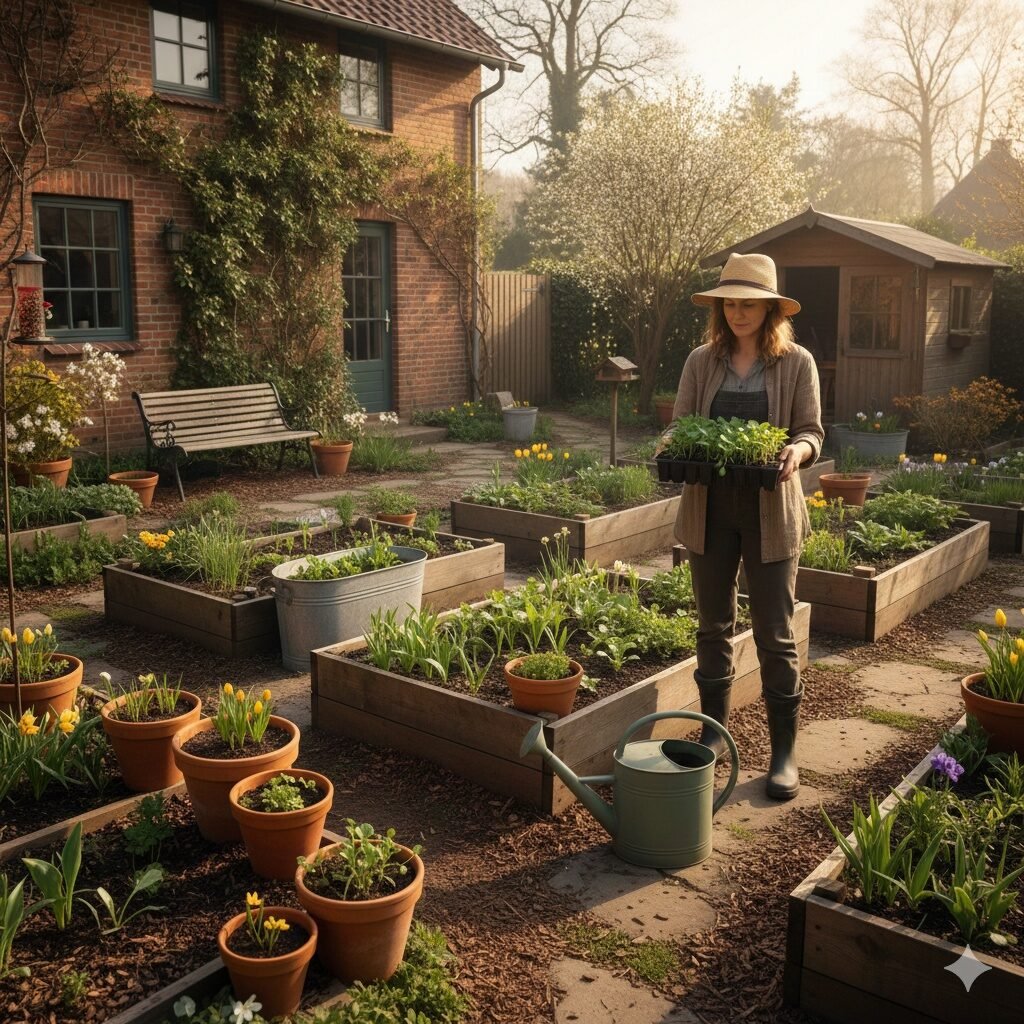
New Year’s resolutions tend to get a bad reputation, and honestly, it’s easy to see why. But a garden feels different—gardening teaches patience, flexibility, and the joy of starting over without guilt.
Every new year, I like to pause and ask one simple question: what would make my garden easier to care for this year? Not bigger or flashier, but calmer, more enjoyable, and realistic. That’s where garden New Year’s resolutions come in. These gardening resolutions focus on achievable habits and new year gardening goals that actually fit real life. The garden goals for the new year shared below are practical, flexible, and designed for small spaces, raised beds, balconies, and busy schedules across the USA and Europe—along with simple gardening tips for the new year that help you start fresh without pressure.
Recommended Gardening Tools & Supplies
Ok, so before jumping into the list, it helps to know that these tools and supplies, in a way, are not about buying more stuff, but about making everyday gardening feel a little easier and more manageable.
These picks, you know, support the resolutions shared below by saving time, reducing effort, and helping beginners avoid common frustrations without overcomplicating things.
Think of this table, basically, as a gentle shortcut list for tools that tend to earn their keep season after season.
| Product | Why It Helps | Links |
|---|---|---|
| Premium Raised Bed Soil Mix | This is great when your soil feels a little tired or clumpy, and it usually fixes a lot of those early raised bed soil problems without fuss. | Check Price on Amazon |
| Organic Compost Blend | This stuff tends to perk up beds that look flat or low on nutrition, and it’s a simple fix for weak growth mid-season. | Check Price on Amazon |
| Drip Irrigation Kit for Raised Beds | If watering feels all over the place, this gives you steady moisture so you don’t bounce between overwatering and underwatering. | Check Price on Amazon |
| Elevated Metal Raised Bed | Pretty sturdy option for anyone wanting something long-lasting, especially if wooden beds keep rotting out. | Check Price on Amazon |
| Mesh Pest Cover Tunnel | Helps a lot when cabbage worms, beetles, and random leaf-munchers show up before you even notice. | Check Price on Amazon |
| Mulch or Straw Bale Pack | Keeps moisture in the soil and stops weeds from popping up all over like they own the place. | Check Price on Amazon |
| Slow-Release Organic Fertilizer | Good for folks who accidentally overfeed or underfeed because it releases nutrients gently over time. | Check Price on Amazon |
| Soil Moisture Meter | Great when you’re still getting a feel for how often your raised bed actually needs water. | Check Price on Amazon |
17 Garden New Year’s Resolutions to Try in 2026:
1. Grow more plants from seed than last year
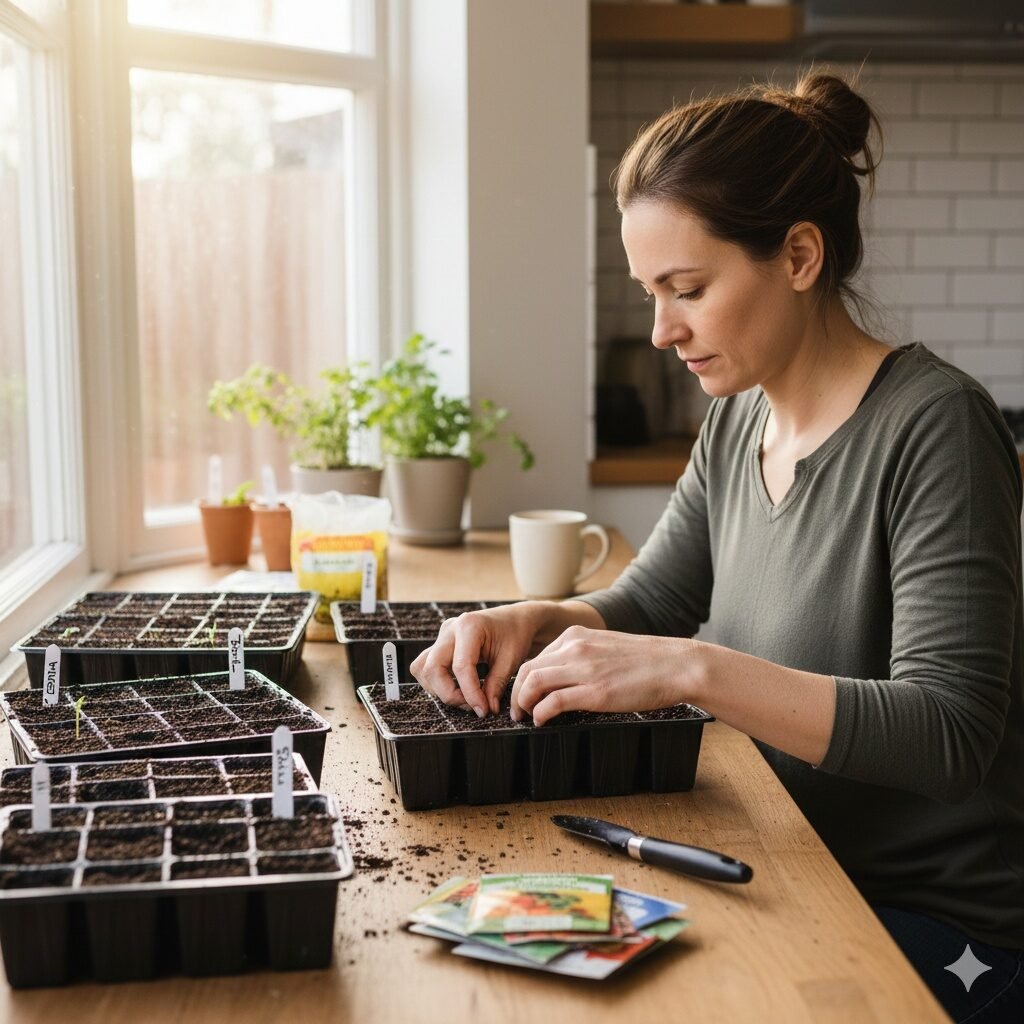
Growing from seed, so, changes how you look at gardening almost immediately. When you start with a seed, you slow down naturally, since nothing happens all at once, and that waiting teaches patience without trying. I’ve noticed, over time, that plants grown from seed tend to feel more personal, like you’re rooting for them from day one instead of expecting instant results.
A realistic goal isn’t to start everything from seed. Instead, try choosing one or two crops that grow easily, such as lettuce, basil, or tomatoes. Use a basic seed tray, place it near a bright window, and keep watering light. Seed-starting kits help keep things tidy, especially indoors, and they prevent that scattered feeling beginners sometimes get. This resolution saves money, builds confidence, and sets a calmer pace for the season.
2. Feed the soil before feeding the plants
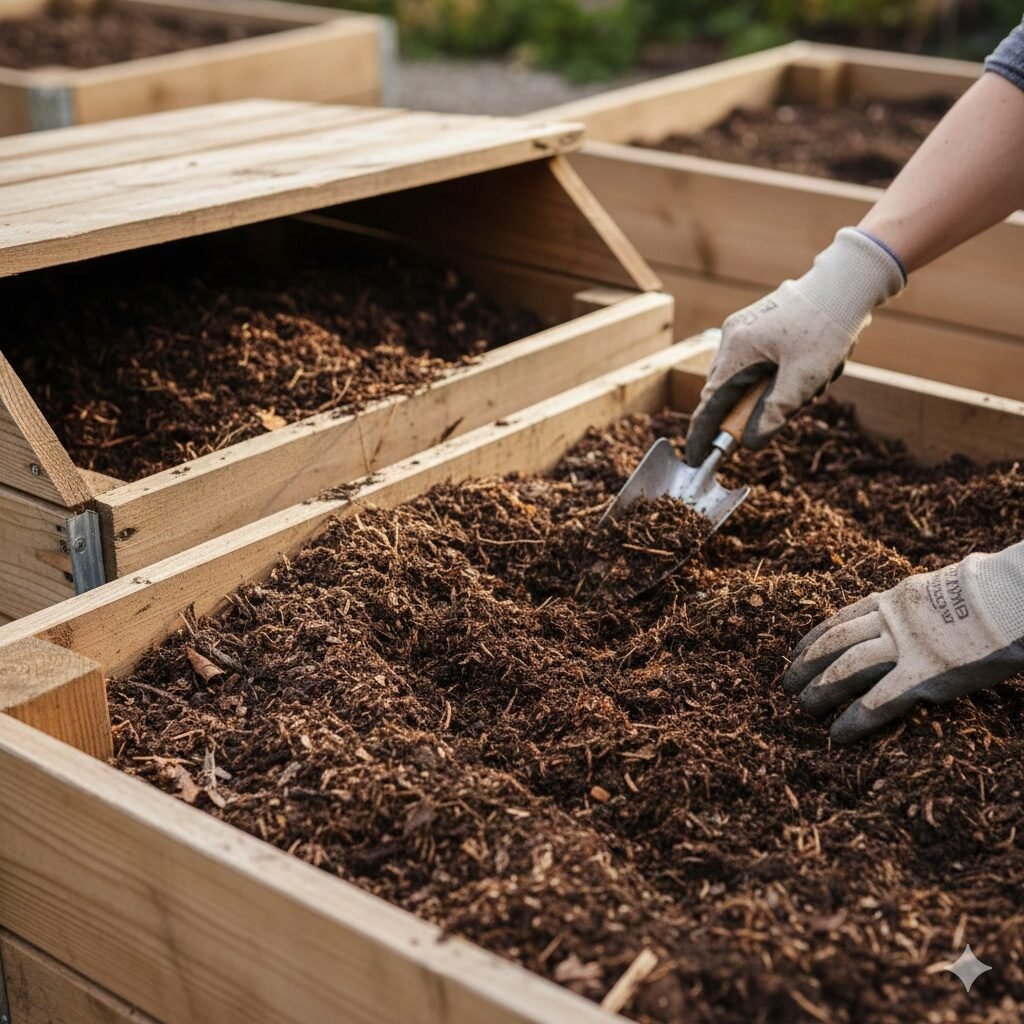
So, soil often gets overlooked, yet it quietly decides how much work you’ll need to do later. I used to focus on buying healthier plants, thinking that was the fix, though the real issue was what they were growing in. Once I shifted attention to soil, everything else started feeling easier. This year, make it a habit to add compost before planting anything new. You don’t need huge amounts, just a thin layer mixed into the top soil.
Bagged compost works perfectly for small gardens and balconies, and compost bins suit yards and raised beds. Healthy soil holds water better, feeds plants slowly, and reduces the need for constant fertilizing. This one change, in fact, lowers stress throughout the entire season.
3. Water with intention, not routine
Watering, you know, becomes automatic fast. Many gardeners water simply because it’s “watering time,” not because plants actually need it.
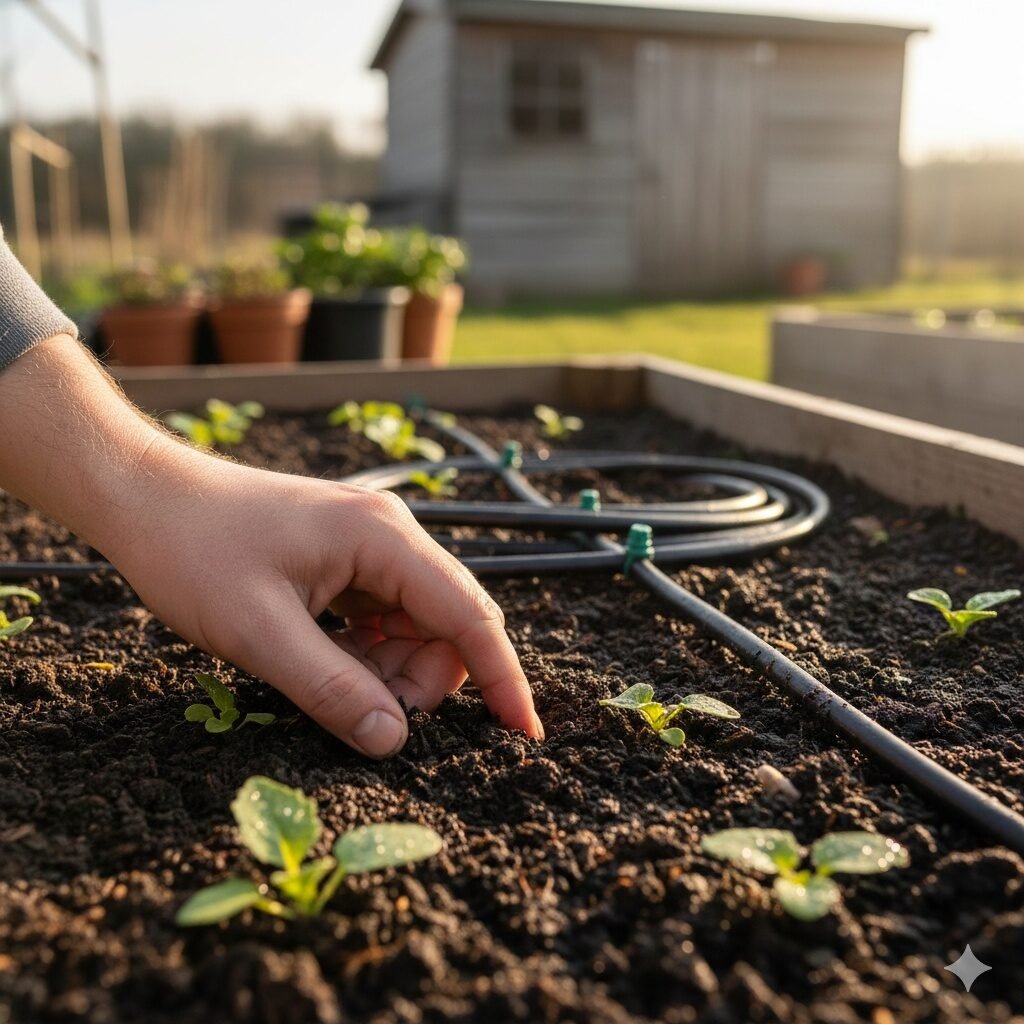
That habit often leads to weak roots and wasted water. A gentler approach starts with checking the soil first. Stick a finger into the soil a couple of inches deep and water only when it feels dry. Morning watering works best, since plants absorb moisture before heat builds.
Drip irrigation or soaker hoses quietly handle this job without constant effort, which helps busy gardeners stay consistent. This resolution saves water, lowers bills, and encourages plants to grow deeper roots that handle dry spells better.
You may also enjoy my guide on modern garden technology, including drip irrigation systems. Check out “Smart Gardening Tools for 2025: Soil Meters, AI Apps & Garden Sensors” for more practical insights.
4. Mulch early and rely on it all season
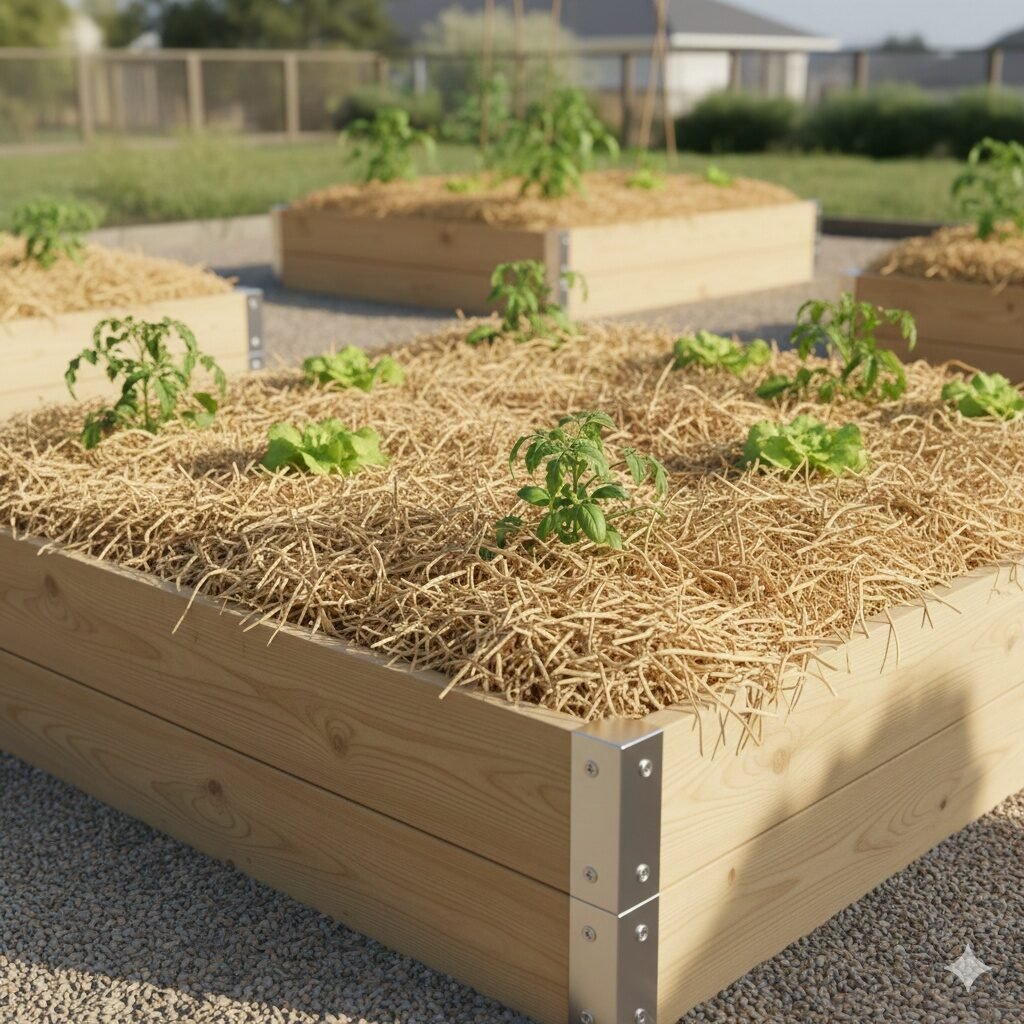
Mulch, so, rarely feels exciting, yet it solves more problems than most garden products combined. Skipping mulch often leads to more watering, more weeding, and more frustration later. Applying mulch early in the season locks moisture into the soil and keeps temperatures steady. A layer about two to three inches deep usually works well. Straw, bark chips, or shredded leaves all do the job. Just leave a small gap around plant stems to avoid moisture buildup.
Mulch bags make this step quick, especially for raised beds or containers. Once mulch is down, you’ll notice fewer weeds popping up and longer gaps between watering days, which gives you more time to enjoy the garden instead of chasing chores.
5. Choose plants that actually like your climate
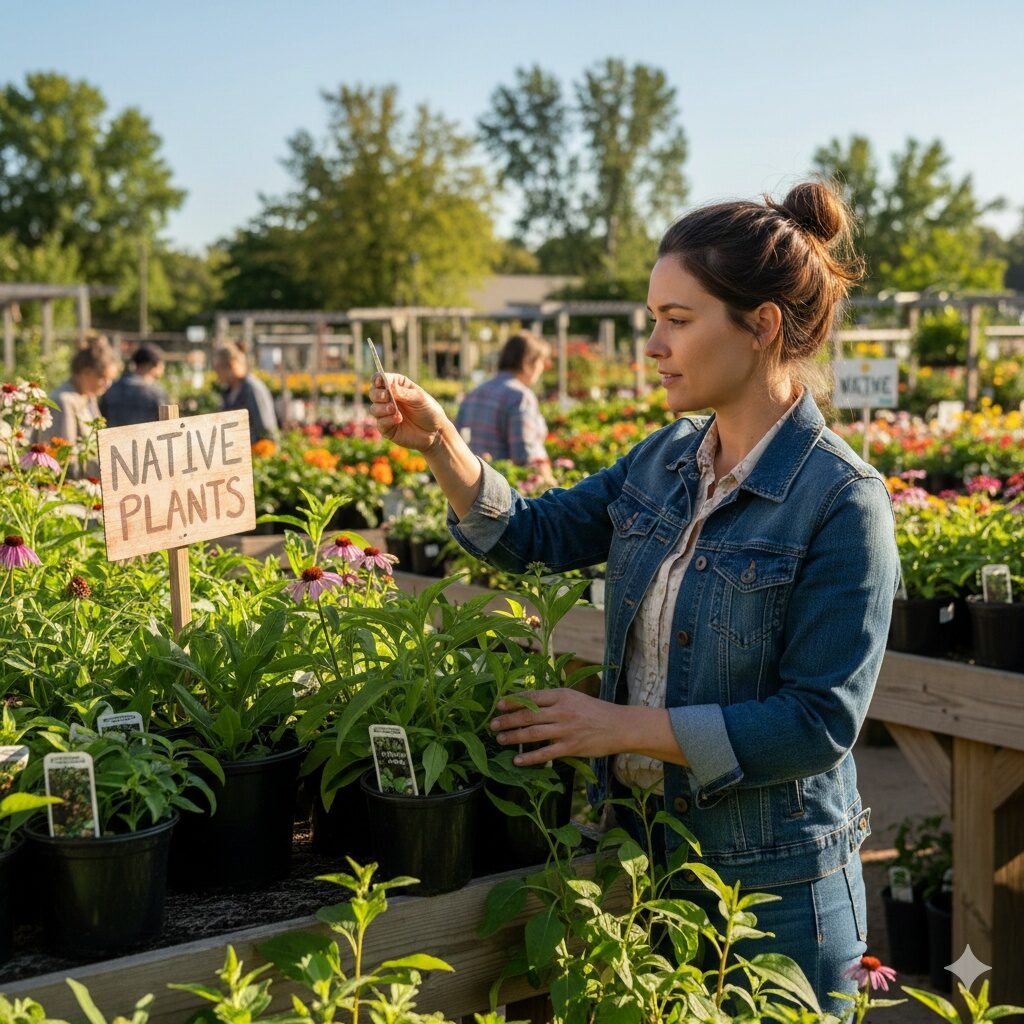
One of the quiet lessons gardening teaches, in some respects, is that fighting nature takes a lot of energy. Plants that suit your local climate grow with less effort and fewer problems. This year, try checking plant hardiness labels before buying. Local garden centers usually stock varieties that already handle your region’s conditions. Native plants and climate-adapted options often need less water and bounce back faster after weather changes.
Starter kits focused on native plants simplify this choice for beginners. When plants want to live where you plant them, your role shifts from constant fixing to simple support, and that makes gardening far more enjoyable over time.
6. Grow fewer varieties, yet care for them better
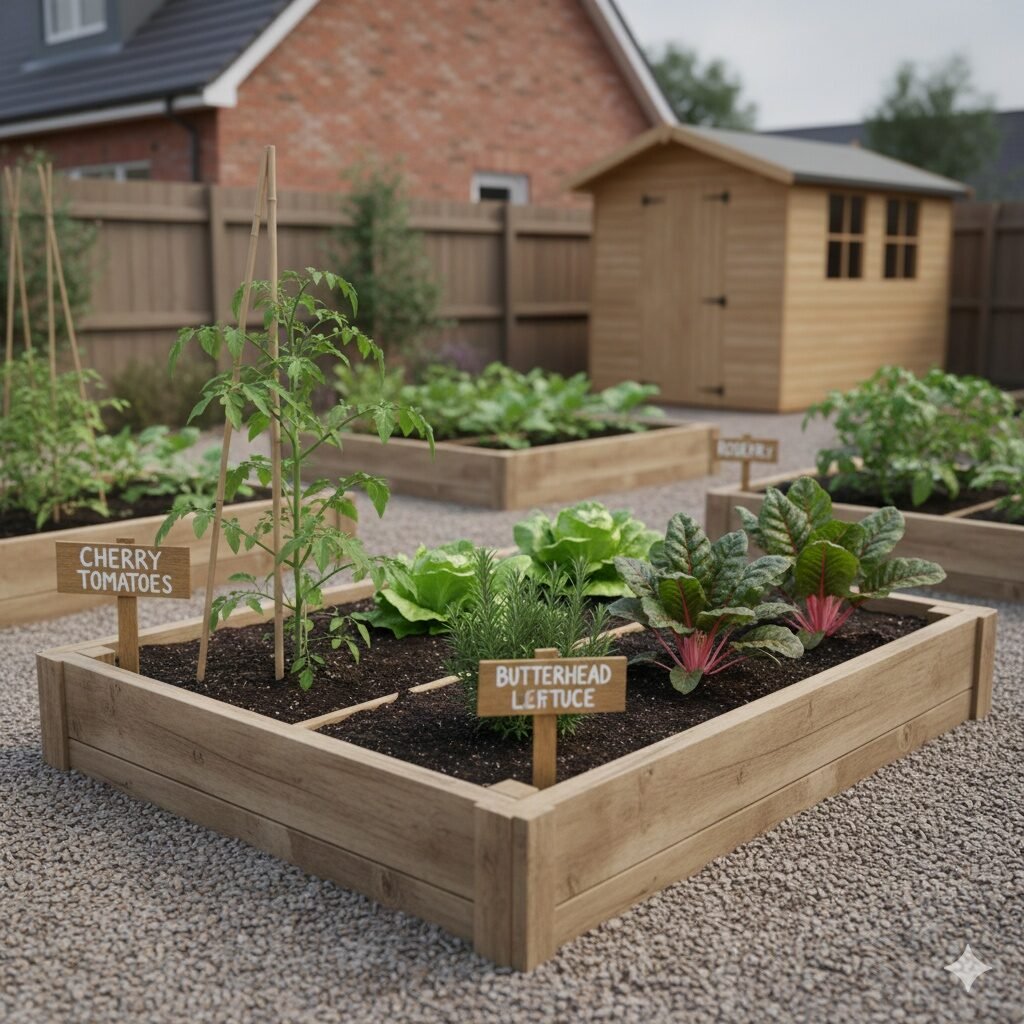
It’s easy, you know, to get excited and plant too many things. The result often looks busy at first and overwhelming later. A calmer approach involves choosing fewer crops and giving them proper attention. Pick vegetables or flowers you genuinely enjoy using or looking at. Growing the same varieties year after year helps you understand their habits, which builds confidence. Keep simple notes about planting dates and results. Plant labels or a small journal help with this. This resolution leads to healthier plants, better harvests, and less mental clutter when you step into the garden.
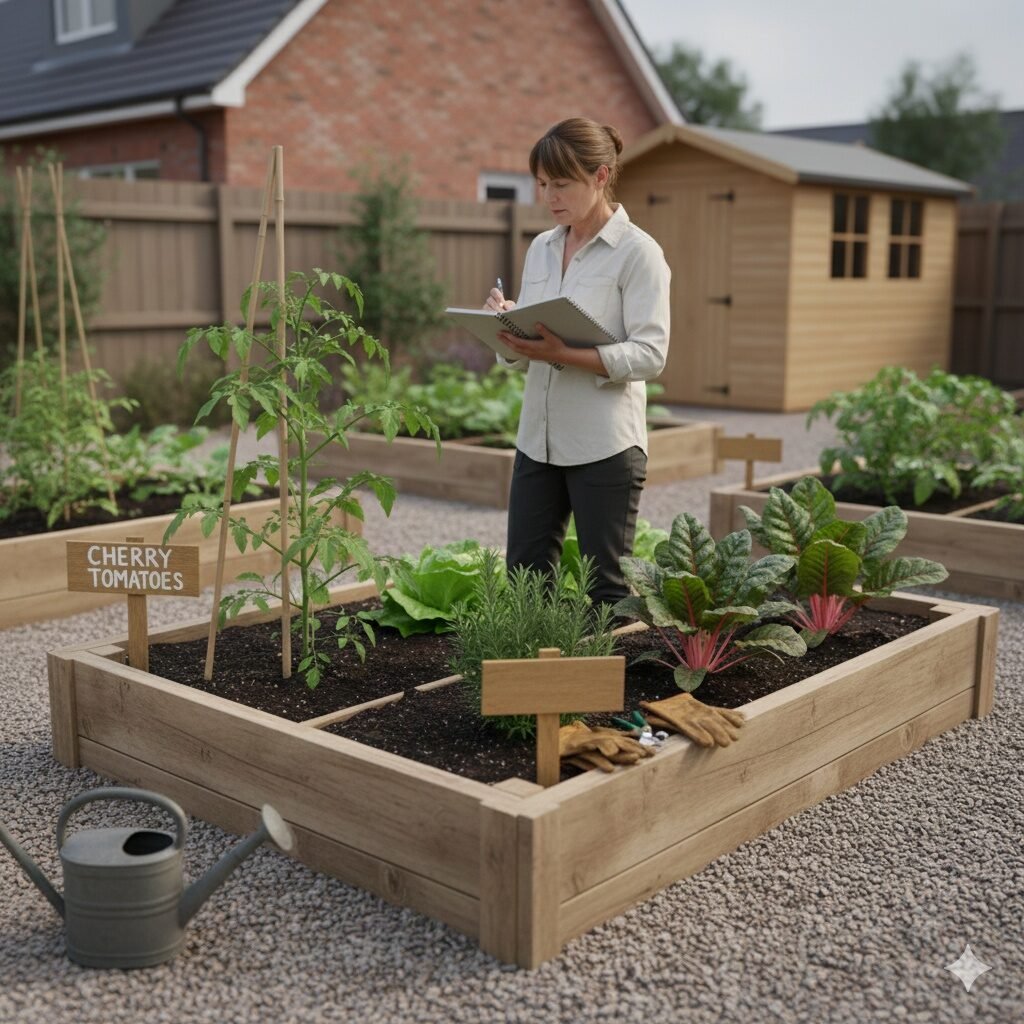
7. Create a garden routine that fits real life
Gardens thrive on rhythm, though life rarely follows a perfect schedule. Instead of daily tasks, set one or two flexible garden days per week. Group jobs together, like watering, checking pests, and light pruning. This approach keeps chores from piling up. Phone reminders or wall calendars help if memory slips during busy weeks. A routine removes decision fatigue, which is a big reason people feel overwhelmed. Once gardening becomes a regular habit instead of a constant question, it starts feeling more relaxing and far less demanding.
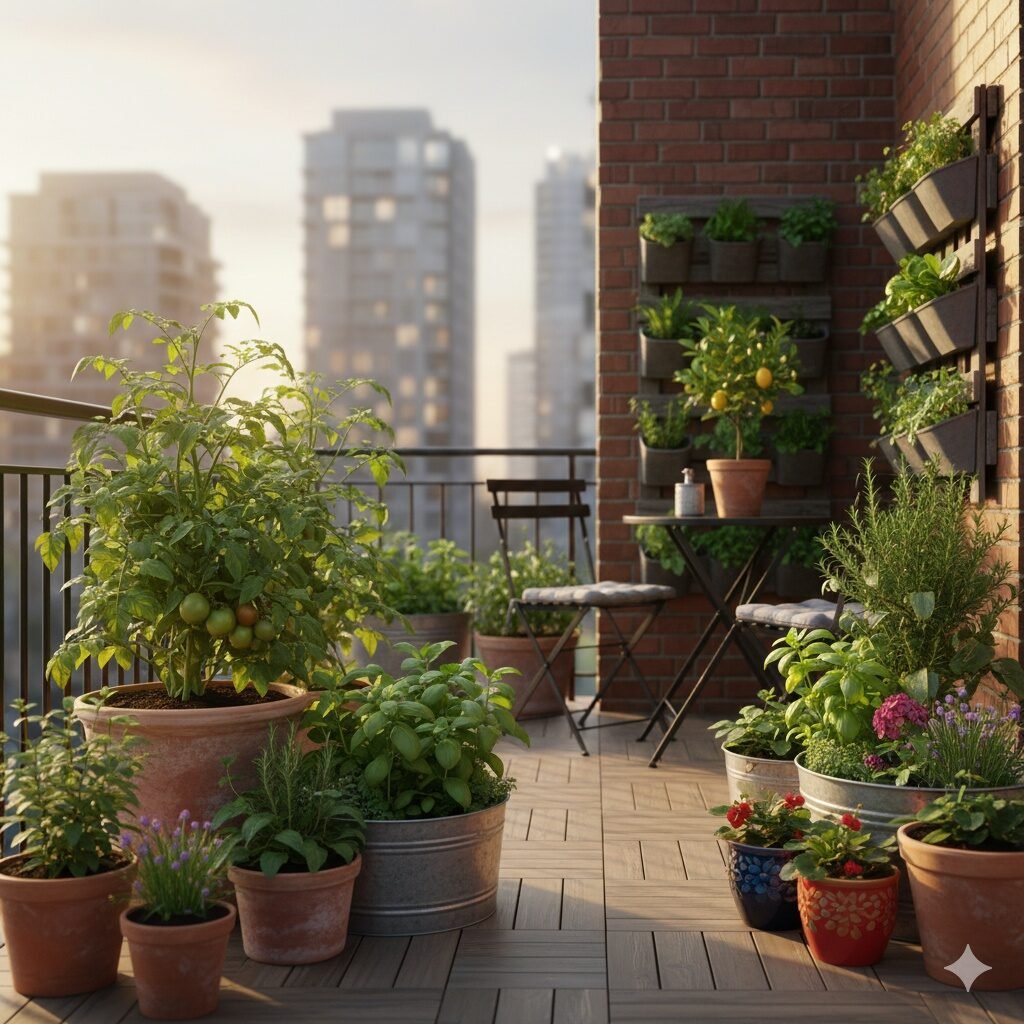
8. Use containers to stay adaptable
Containers, so, offer freedom that in-ground beds don’t always provide. They work well for patios, balconies, and rented spaces where digging isn’t ideal. Choose pots with drainage holes and use lightweight potting mix. Containers allow you to move plants as sunlight shifts throughout the season.
Self-watering containers reduce daily maintenance and prevent accidental overwatering. This resolution makes gardening more flexible and forgiving, especially for beginners who want control without heavy labor.
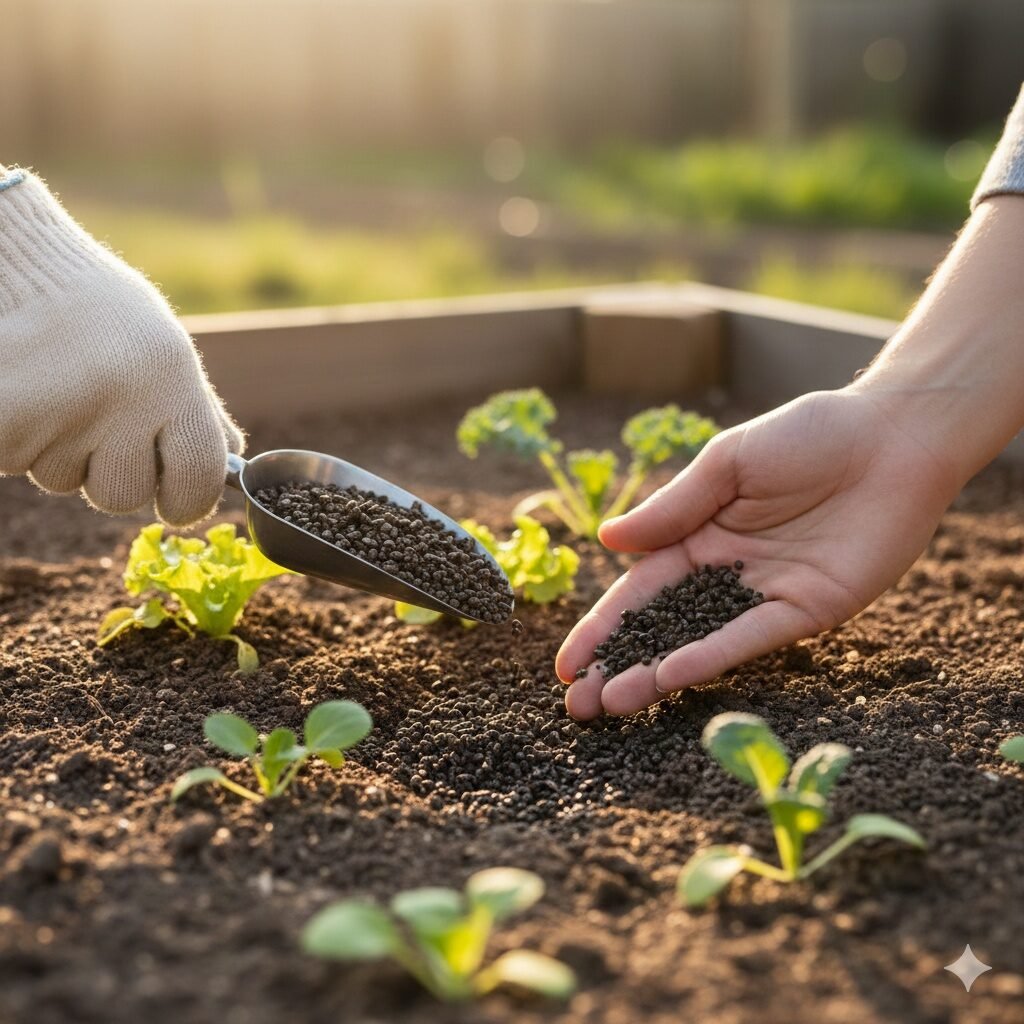
9. Feed plants gently and consistently
Overfeeding plants, you know, often leads to fast growth that struggles later. Slow, steady feeding builds stronger plants that resist stress. Using slow-release fertilizer once a month during active growth usually works well. Always water soil before feeding to protect roots. Organic blends suit beginners since they release nutrients gradually. This approach reduces guesswork and prevents damage caused by heavy feeding schedules.
Plants grow at a natural pace, and gardeners feel less pressure to constantly adjust.
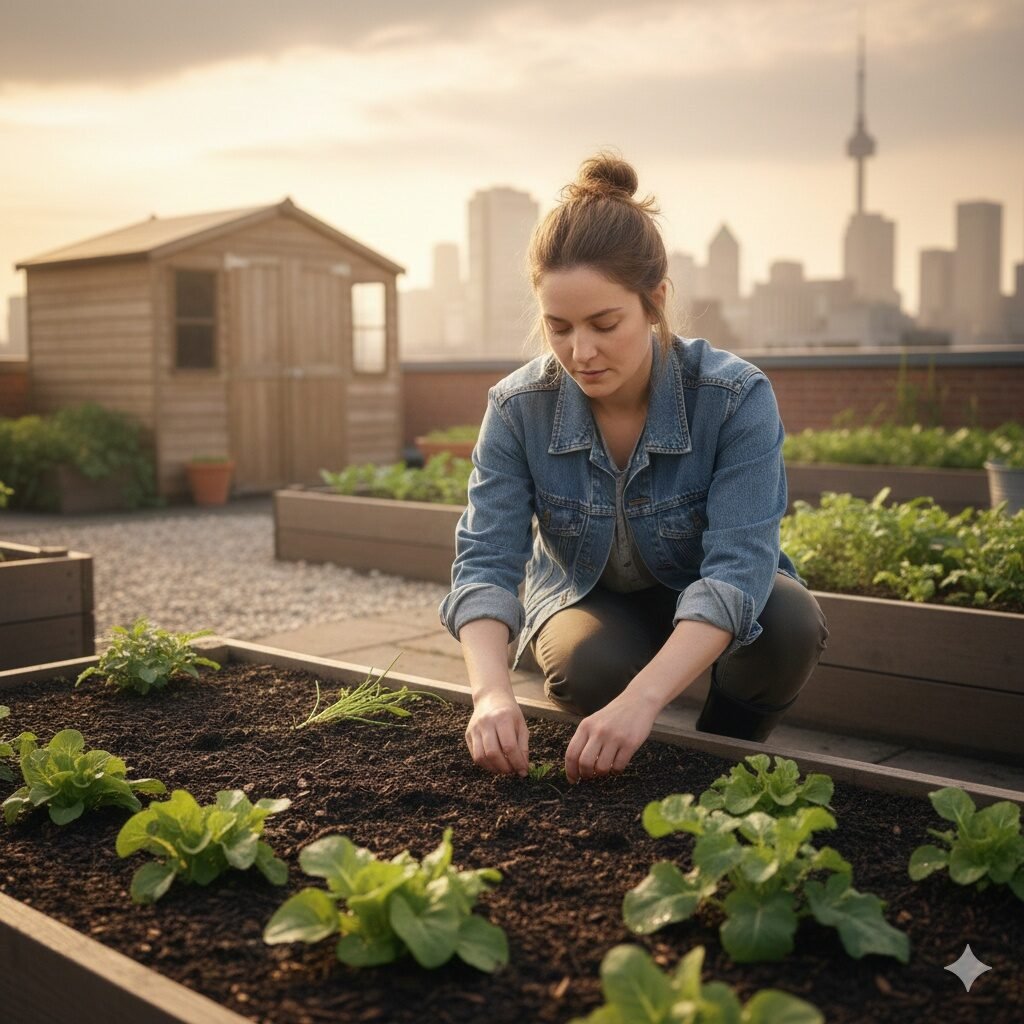
10. Accept that weeds are part of gardening
Weeds, in a way, show up no matter how careful you are. Trying to remove every single one can drain enjoyment quickly. Focus on weeds near young plants and leave less critical areas alone. Weeding after rain makes the job easier. Mulch remains the best long-term solution. Hand weeders save knees and time. This resolution protects energy and keeps expectations realistic.
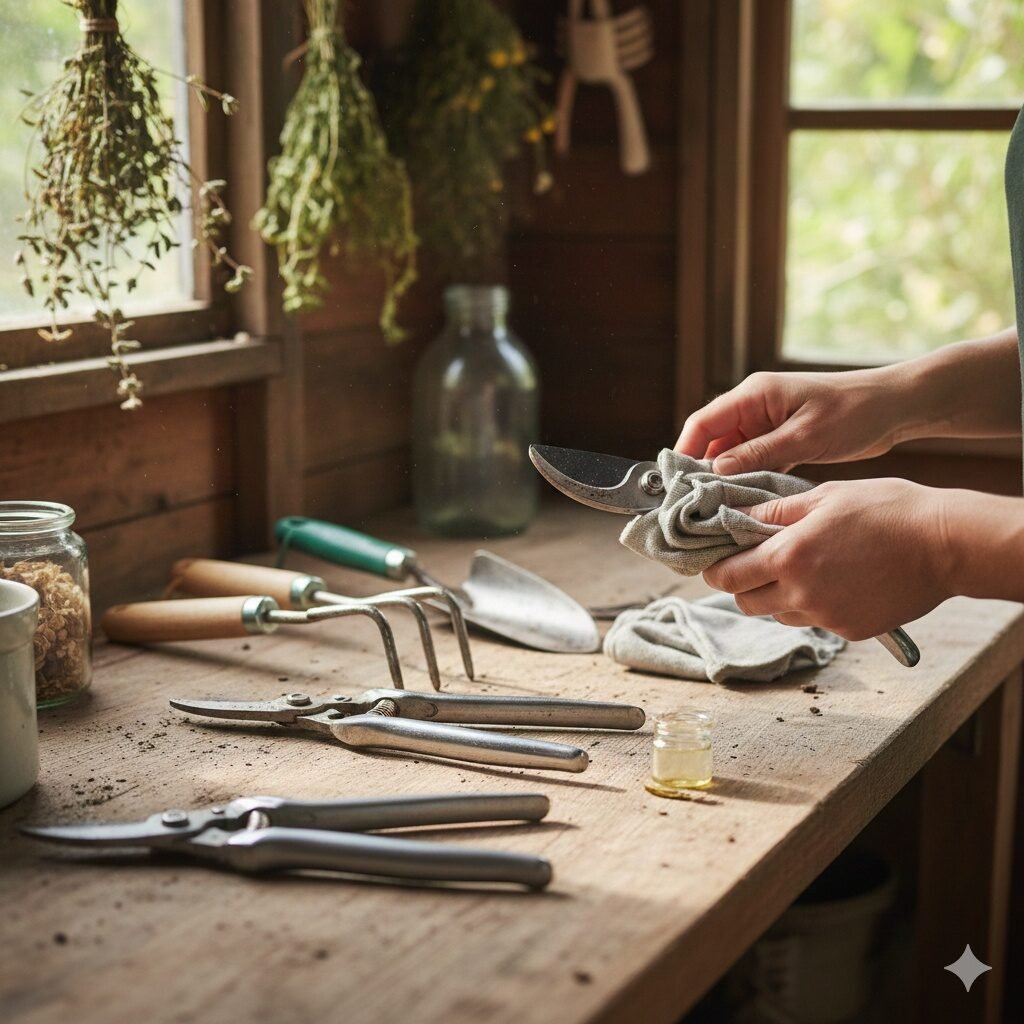
11. Take care of tools before buying new ones
Sharp tools make gardening feel lighter. Dull tools slow everything down and strain hands. Clean tools after use and sharpen pruners once per season.
Store them dry to prevent rust. Simple maintenance kits extend tool life and save money. This habit keeps gardening comfortable and efficient.
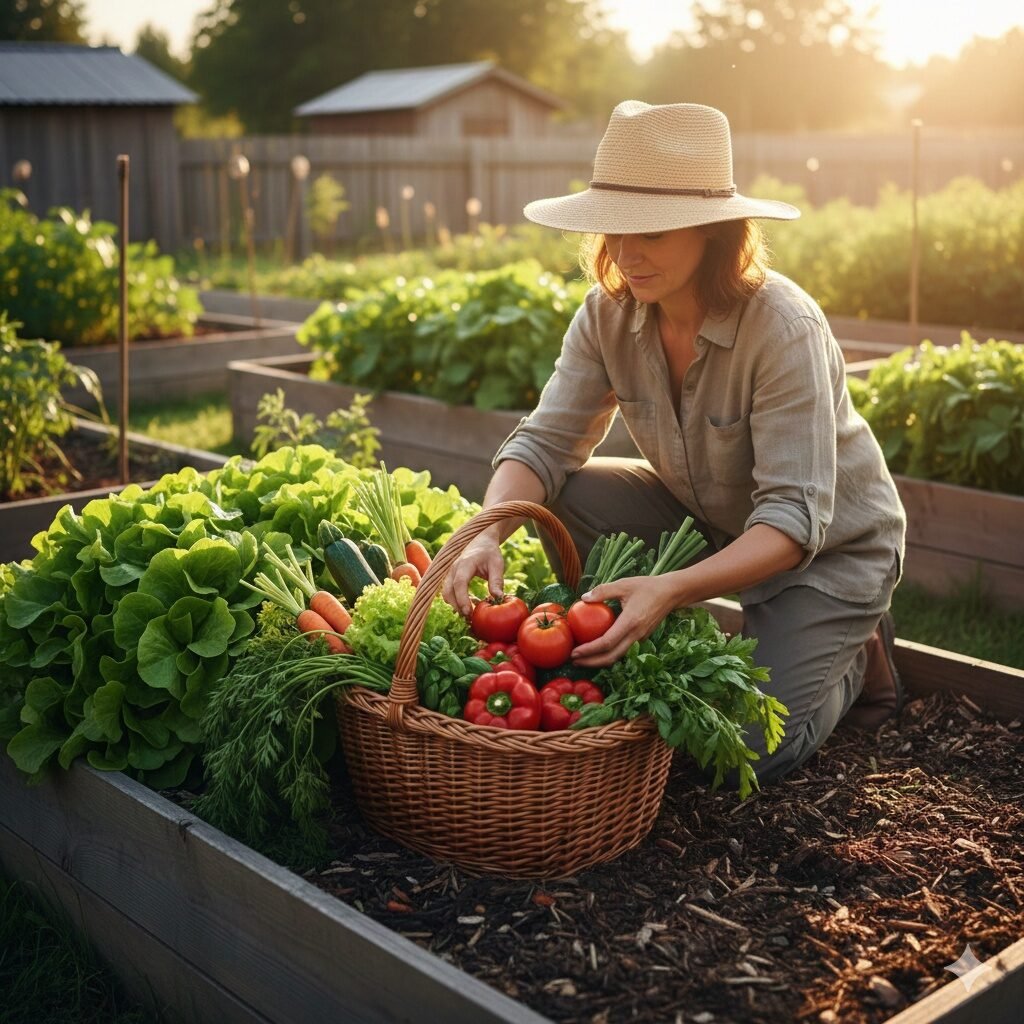
12. Plan harvest times ahead of planting
Knowing when crops mature prevents wasted food and missed harvests. Write planting dates on labels and check seed packets for timelines. Harvesting in the morning improves flavor and storage life. Garden scissors and harvest baskets keep picking simple and gentle. This resolution improves both yield and satisfaction.
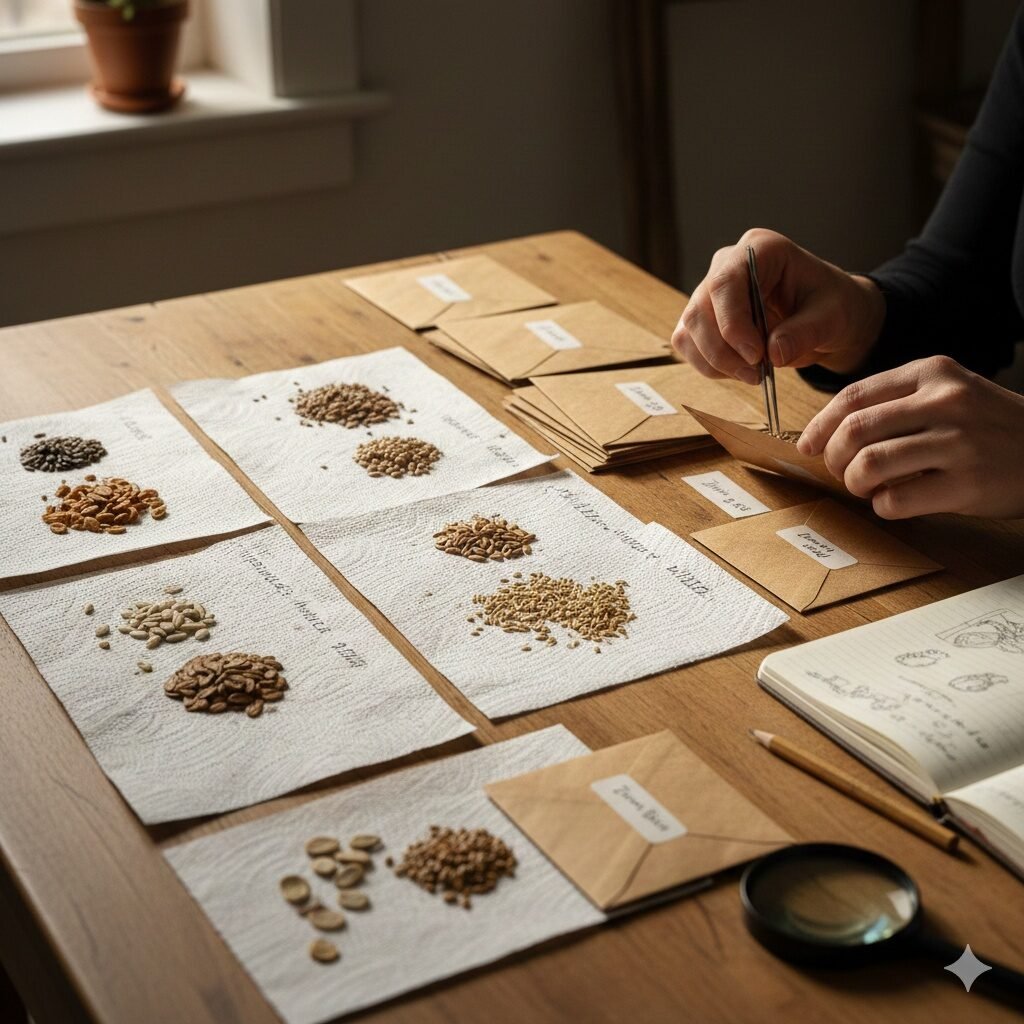
13. Save seeds from easy plants
Seed saving reduces costs and builds independence. Start with tomatoes or beans and dry seeds fully before storage. Label envelopes with dates and plant names. Seed storage containers keep everything organized. This habit turns one season into many.
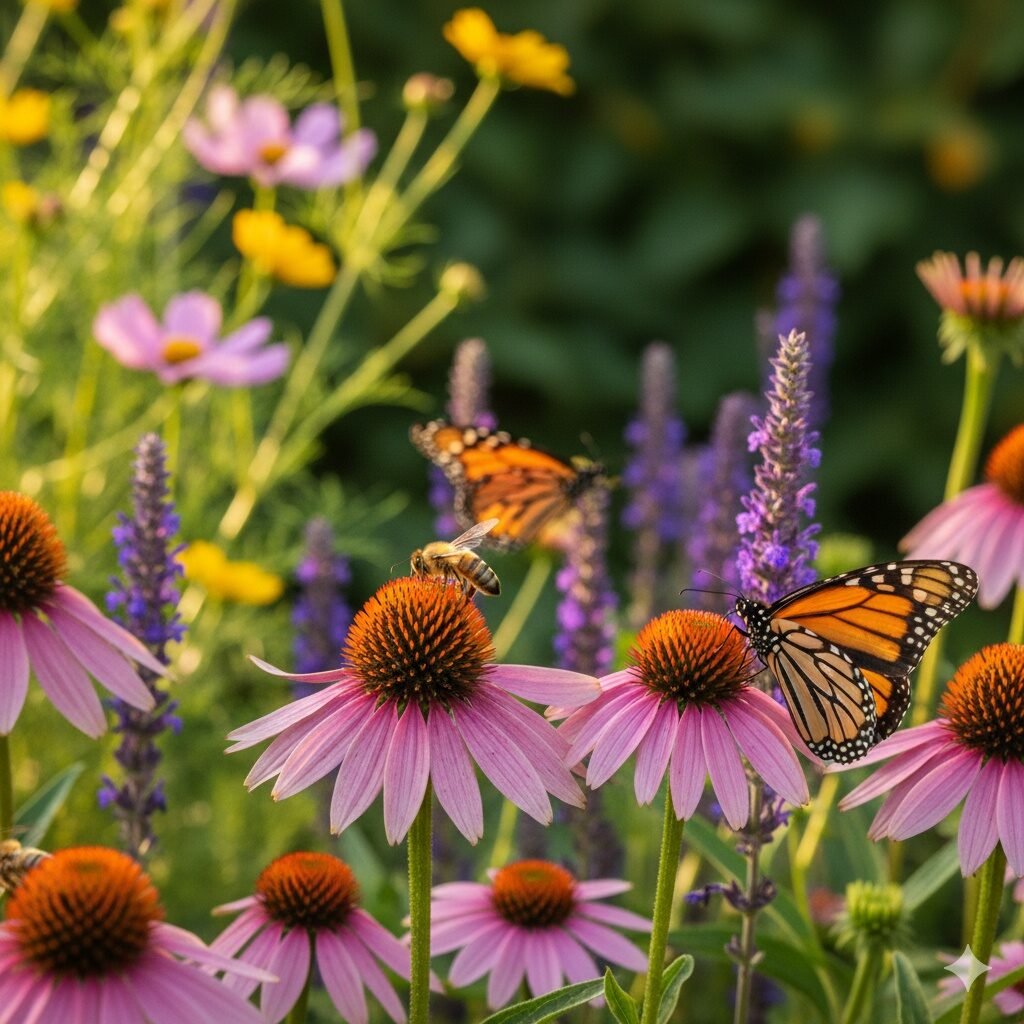
14. Add plants that welcome pollinators
Pollinators quietly improve the entire garden. Open-shaped flowers and long bloom times attract bees and butterflies. Avoid sprays near blooms.
Pollinator seed mixes simplify choices. This resolution supports healthier harvests naturally.
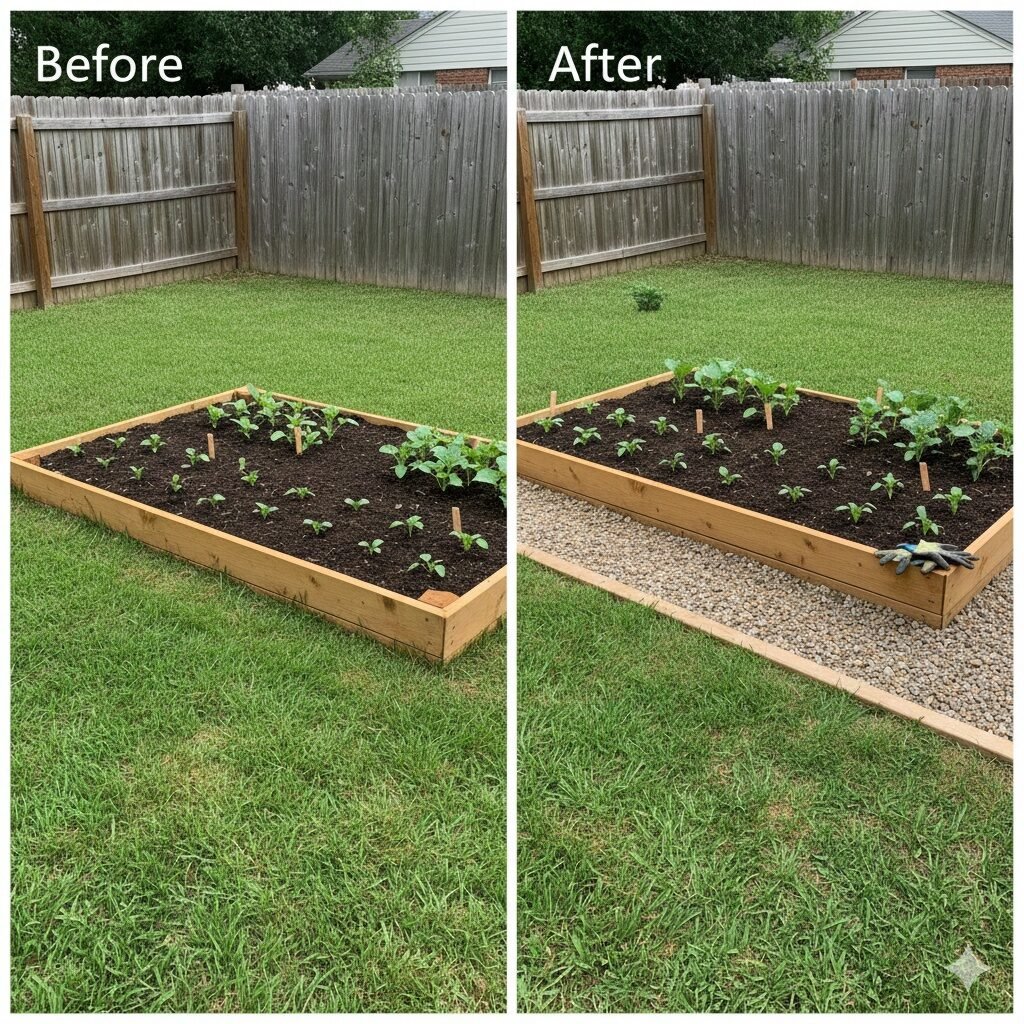
15. Reduce lawn space gradually
Lawns demand water and time. Reducing lawn space bit by bit frees energy for food or flowers. Convert one corner per season. Raised beds and edging tools help keep things tidy. This change saves water and effort long-term.
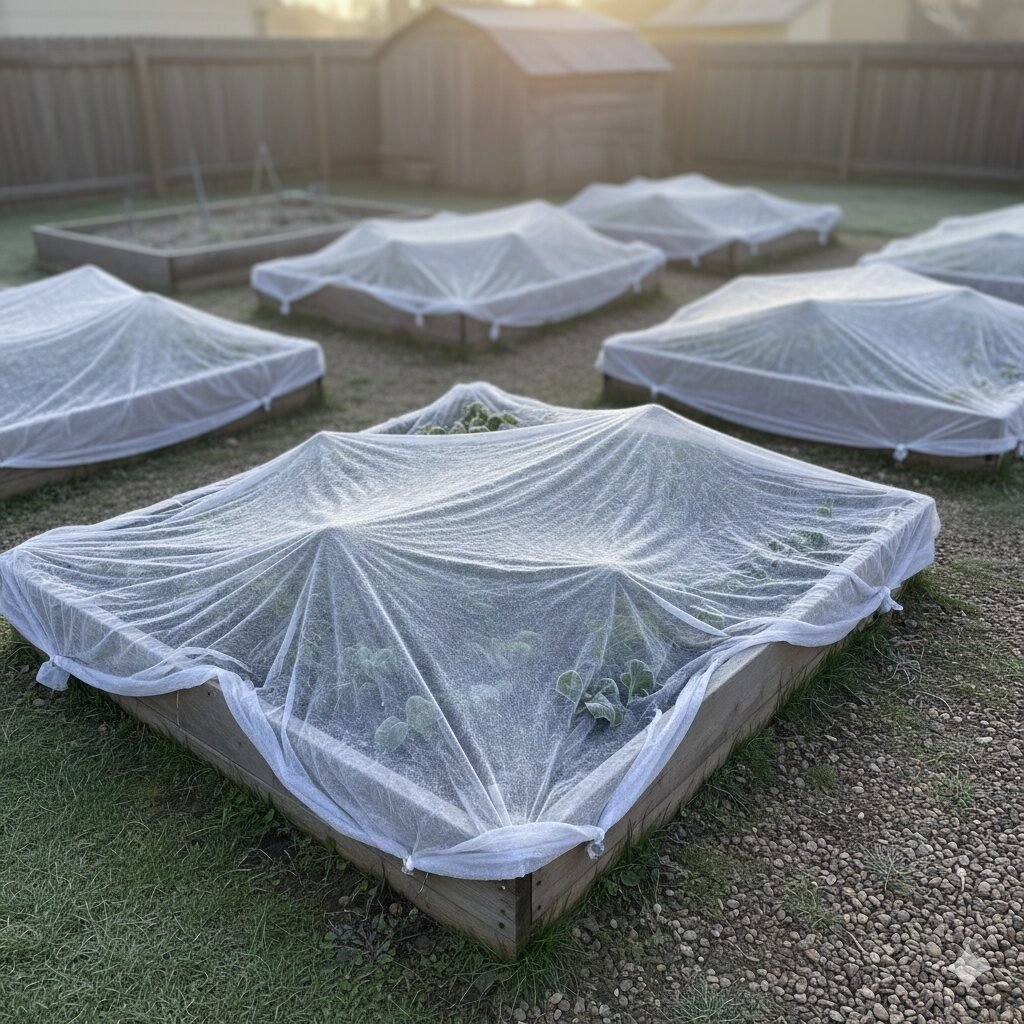
16. Keep plant protection nearby
Weather changes catch plants off guard. Frost cloth protects crops during sudden cold nights. Remove covers during warm days. Reusable covers suit small gardens well. This habit prevents losses without stress.
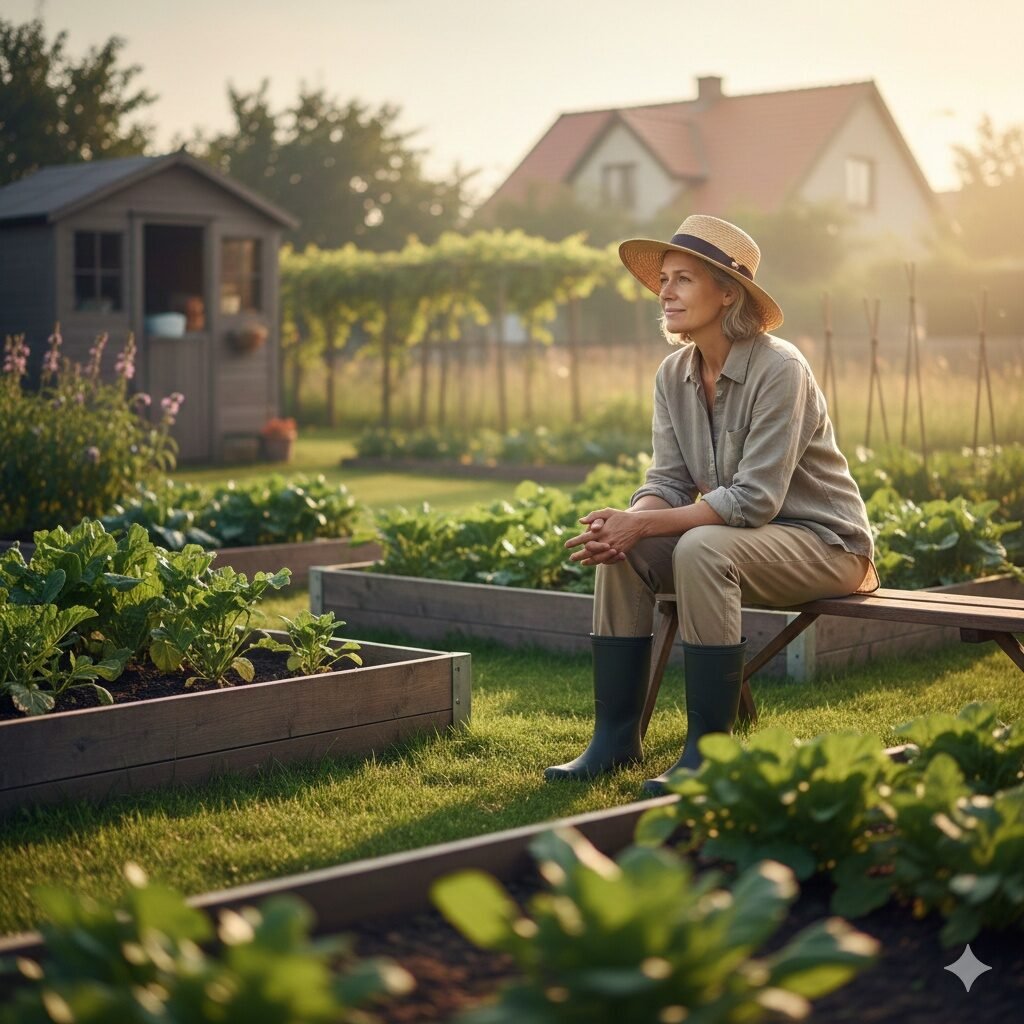
17. Spend time in the garden without fixing anything
Joy keeps gardeners consistent. Sit, observe, and take photos instead of correcting flaws. Garden benches invite these moments.
This resolution protects motivation better than any tool.
Frequently Asked Questions
How many garden resolutions should I start with?
So, most people, honestly, do best with three to five goals, not more.
Is this list suitable for apartment or balcony gardeners?
Yes, in fact, containers, soil care, and watering habits matter even more in small spaces.
Do I need expensive tools to follow these resolutions?
No, basically, simple tools and steady habits do most of the work.
What if I fall behind during the season?
Gardens forgive missed weeks, you know, just restart when you can.
Can beginners really follow all of this?
Yes, that is, each step works on its own without pressure.
Final Thoughts: Pick What Fits Your Life
Gardening resolutions, in some respects, work best when they fit real schedules and real energy levels. You don’t need to change everything this year.
Pick a few habits that feel doable, try them, and let the garden teach you the rest.
I believe in pointing readers to helpful resources beyond my own site. If you’d like another perspective, Epic Gardening’s “17 Garden New Year’s Resolutions To Try” is a thoughtful and inspiring read that complements this topic nicely.

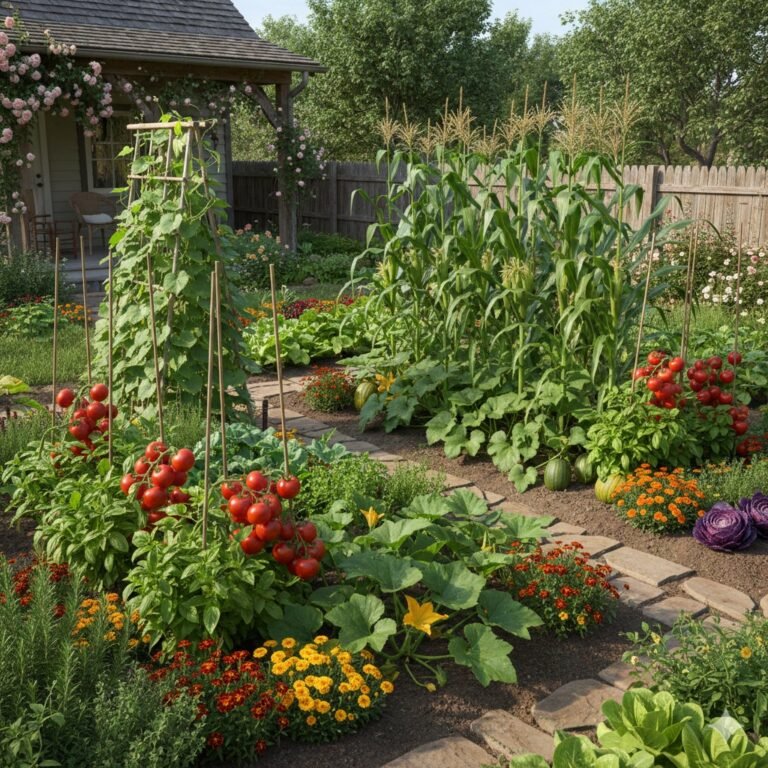
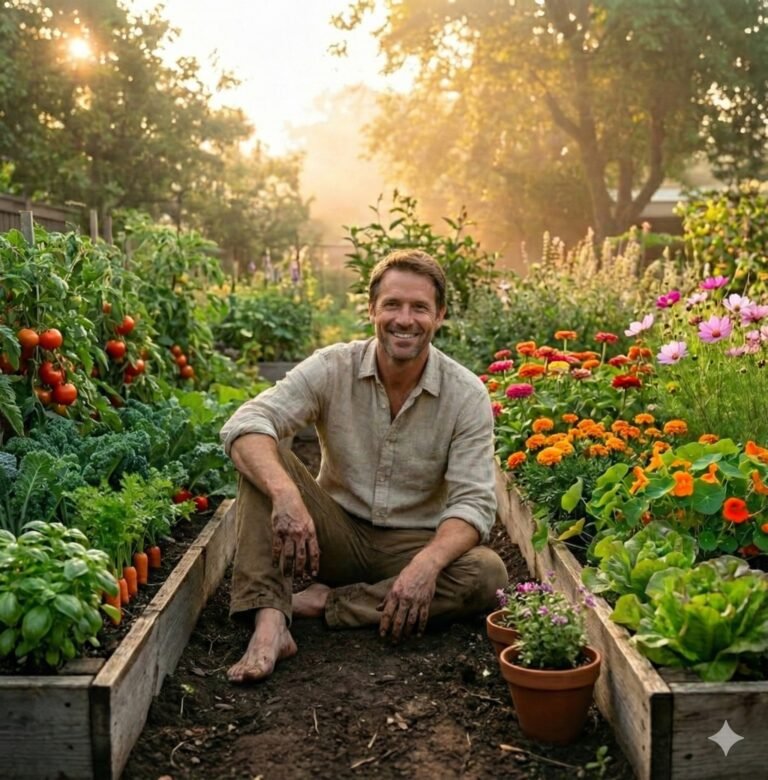

Gardening really does teach patience—especially when it comes to waiting for plants to thrive. I’ve found that even simplifying my garden tasks, like staying on top of watering, helps me stay more relaxed and enjoy the process more. Looking forward to trying these tips!
Thank you so much for sharing this—beautifully said. 🌱 You’re absolutely right, gardening has a quiet way of teaching patience and helping us slow down. Simplifying tasks like watering really does make the whole experience more enjoyable. I’m glad the tips resonated with you, and I hope they bring even more calm and satisfaction to your time in the garden. Happy gardening!