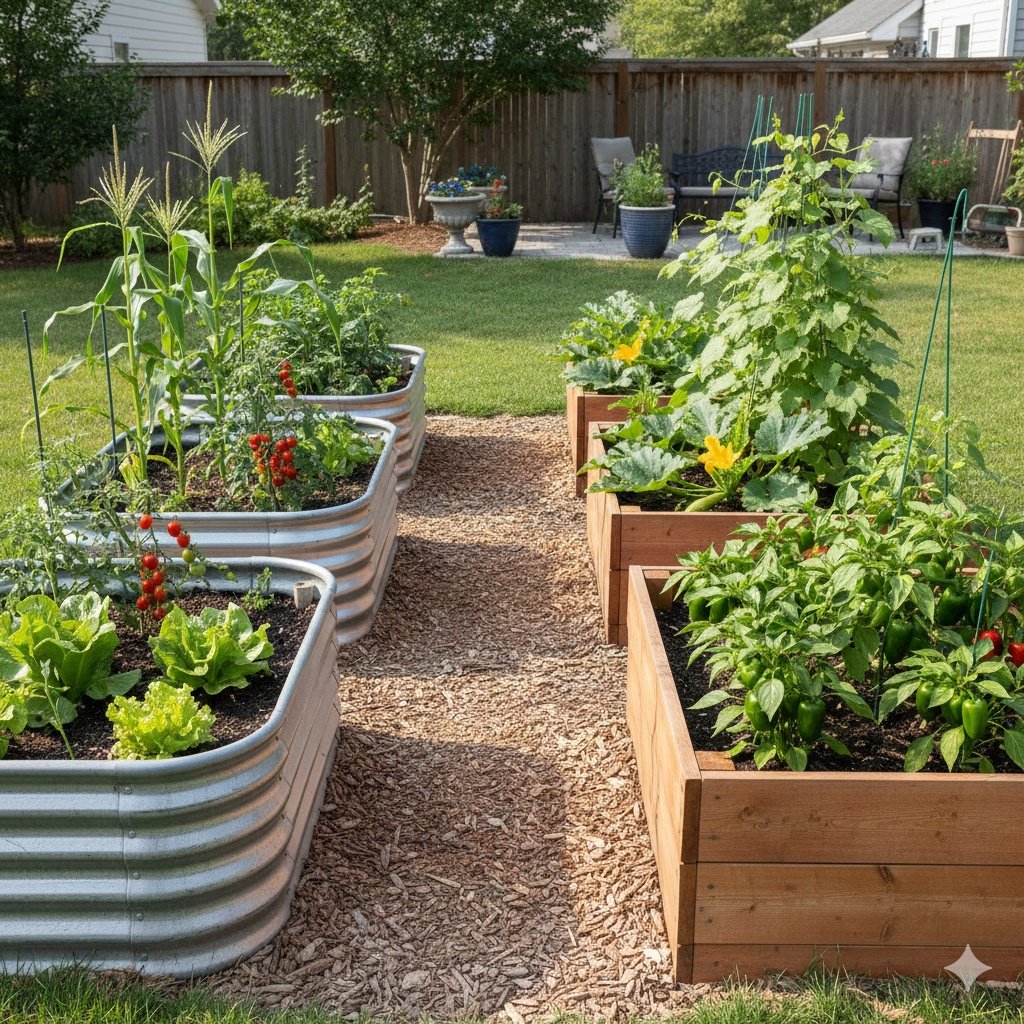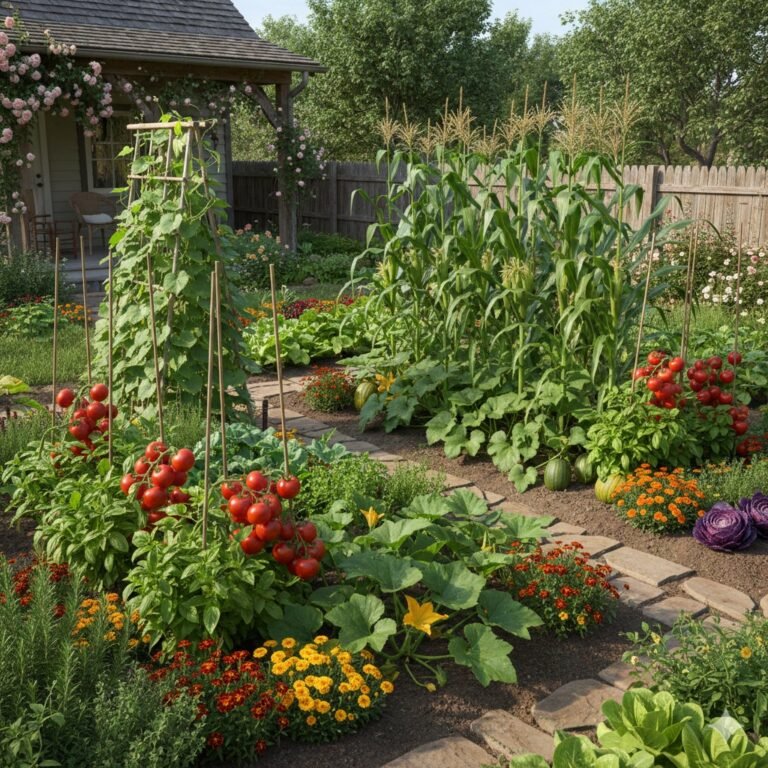

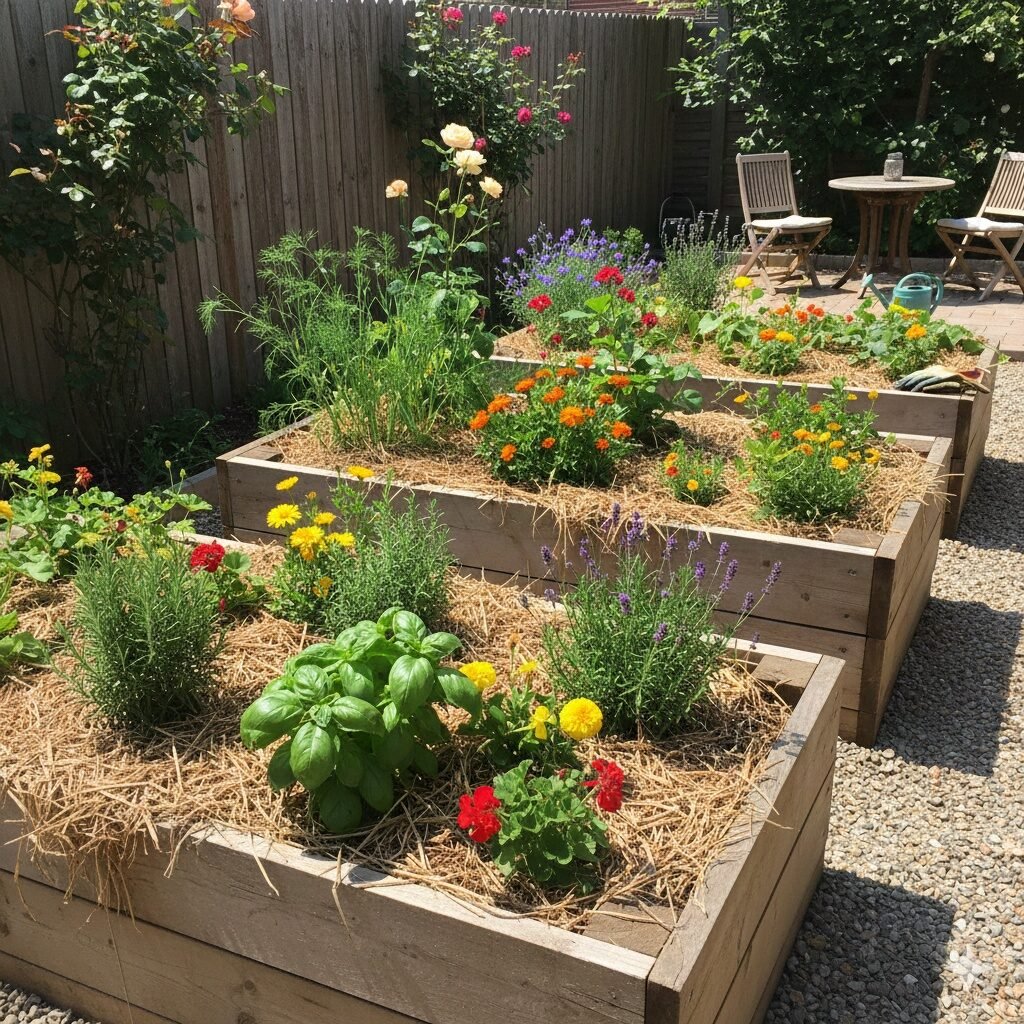
Best Drought-Tolerant Plants for Raised Garden Beds: So raised garden beds are great, that part is clear, yet they dry out faster than ground soil, and that fact tends to surprise people the first summer. In a way, choosing the best drought tolerant plants for raised garden beds changes the whole experience, since the garden stops feeling like a daily chore and starts feeling manageable again. Raised beds already drain well and heat up fast, so plants that like sun and less water usually settle in just fine. For people working with tight spaces, drought tolerant plants for small gardens often fit raised beds better than thirsty plants that need constant attention.
This list leans into easy drought tolerant plants for beginners and low maintenance plants for raised beds, meaning these picks can handle missed waterings, strong sun, and hot afternoons without falling apart.
I’ve put together a related article called “15 Common Raised Bed Gardening Mistakes — And How to Fix Them Fast.” It walks through common missteps gardeners often make and shows you simple, effective ways to correct them so your raised beds stay healthy and productive.
Recommended Garden Tools
Here’s a clean table of goodies that match this whole raised bed theme. these tend to be the kinds of tools and supplies folks reach for when they’re sorting out raised bed problems or trying to avoid them in the first place.
| Product | Why It Helps | Links |
|---|---|---|
| Premium Raised Bed Soil Mix | This is great when your soil feels a little tired or clumpy, and it usually fixes a lot of those early raised bed soil problems without fuss. | Check Price on Amazon |
| Organic Compost Blend | This stuff tends to perk up beds that look flat or low on nutrition, and it’s a simple fix for weak growth mid-season. | Check Price on Amazon |
| Drip Irrigation Kit for Raised Beds | If watering feels all over the place, this gives you steady moisture so you don’t bounce between overwatering and underwatering. | Check Price on Amazon |
| Elevated Metal Raised Bed | Pretty sturdy option for anyone wanting something long-lasting, especially if wooden beds keep rotting out. | Check Price on Amazon |
| Drought-Tolerant Seeds | Seed packs make it easy to start a low-water raised bed from scratch | Check Price on Amazon |
| Mulch or Straw Bale Pack | Keeps moisture in the soil and stops weeds from popping up all over like they own the place. | Check Price on Amazon |
| Slow-Release Organic Fertilizer | Good for folks who accidentally overfeed or underfeed because it releases nutrients gently over time. | Check Price on Amazon |
| Soil Moisture Meter | Great when you’re still getting a feel for how often your raised bed actually needs water. | Check Price on Amazon |

1. Lavender
So lavender almost always shows up in dry-garden conversations, and that happens for a reason. It handles heat well, likes soil that drains fast, and tends to struggle only when it gets too much water.
In raised beds, lavender roots stay comfortable, and once the plant settles in, it rarely asks for much. It fits drought tolerant plants for small gardens nicely, since it stays compact and neat. For beginners, lavender feels forgiving, and that alone makes it a smart starting point.
2. Rosemary
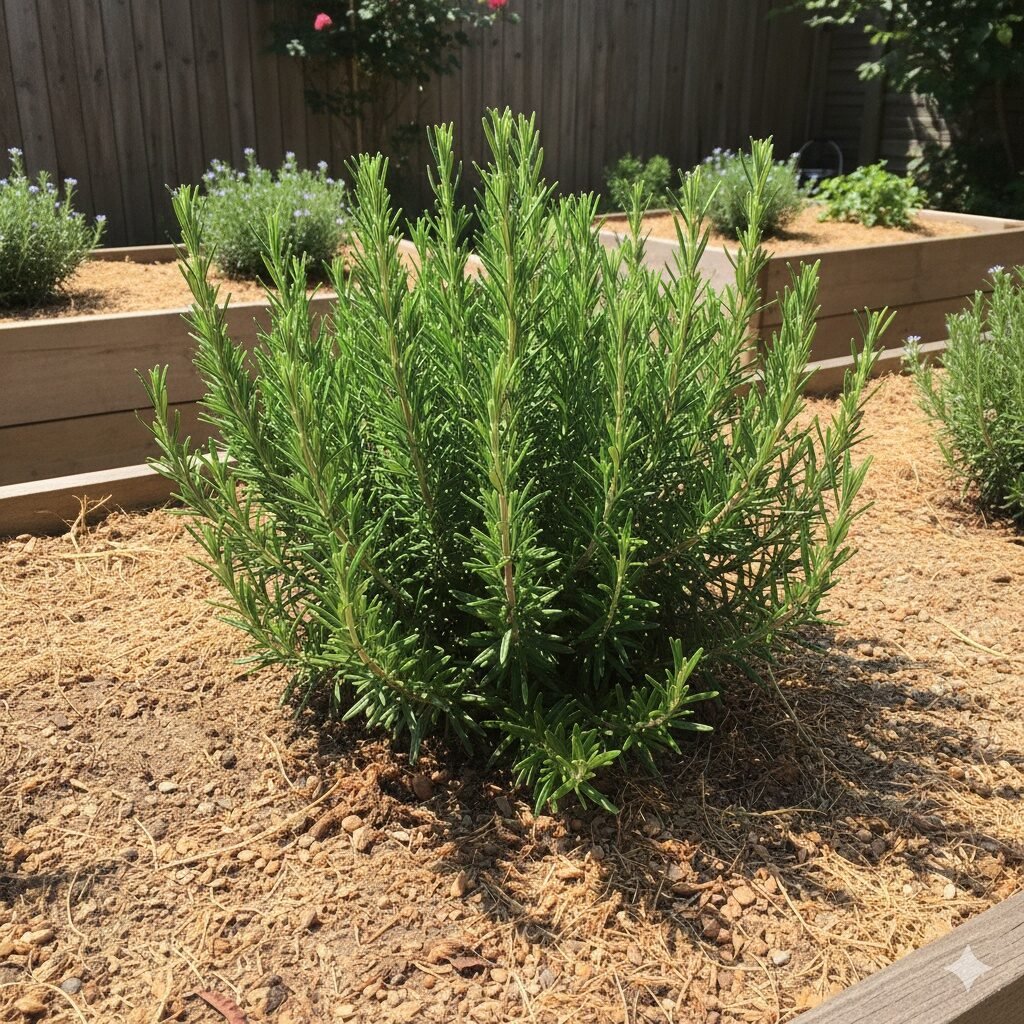
Rosemary grows like it expects dry weather, and that mindset helps it thrive in raised beds. It prefers sun, dislikes soggy soil, and keeps its shape even during hot stretches.
This herb works well for people who want raised bed plants that survive heat and still offer something useful in the kitchen. In fact, rosemary often does better with less water than with too much care, which makes it appealing for anyone learning how to plant drought tolerant garden beds.
3. Thyme
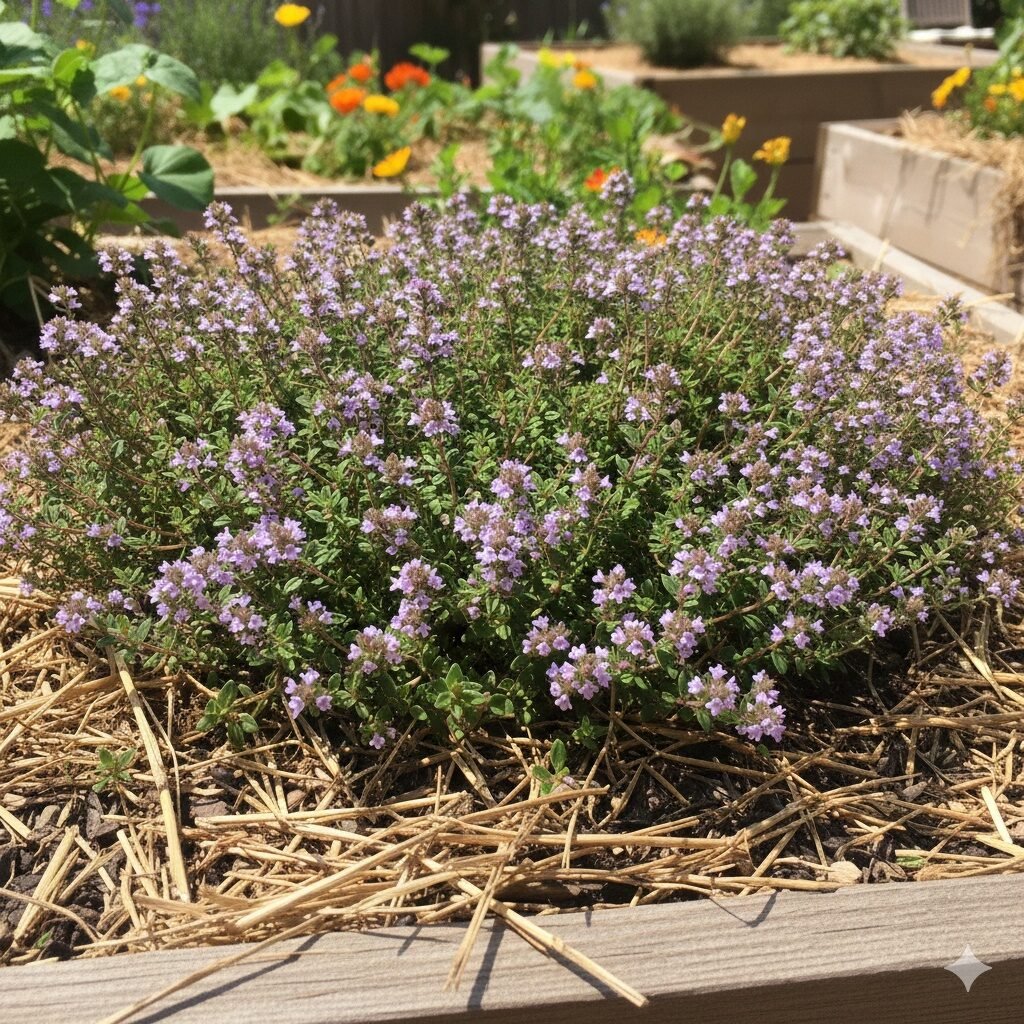
So thyme stays low, spreads gently, and quietly handles dry conditions without fuss. It covers the soil surface, which helps keep moisture from disappearing too quickly.
Thyme works well in shallow beds and narrow layouts, which suits drought tolerant plants for small gardens. It does not demand much trimming or watering, so it easily fits into low maintenance plants for raised beds. For beginners, thyme feels steady and predictable.

4. Sage
Sage has thick, soft leaves, and that texture helps it hold onto water during dry spells. Raised beds give sage the drainage it wants, and once roots form, the plant tends to stay reliable.
This herb tolerates heat and sun well, which puts it among raised bed plants that survive heat without drama. Sage grows at a relaxed pace, so it rarely overwhelms nearby plants, and that balance works well in mixed beds.
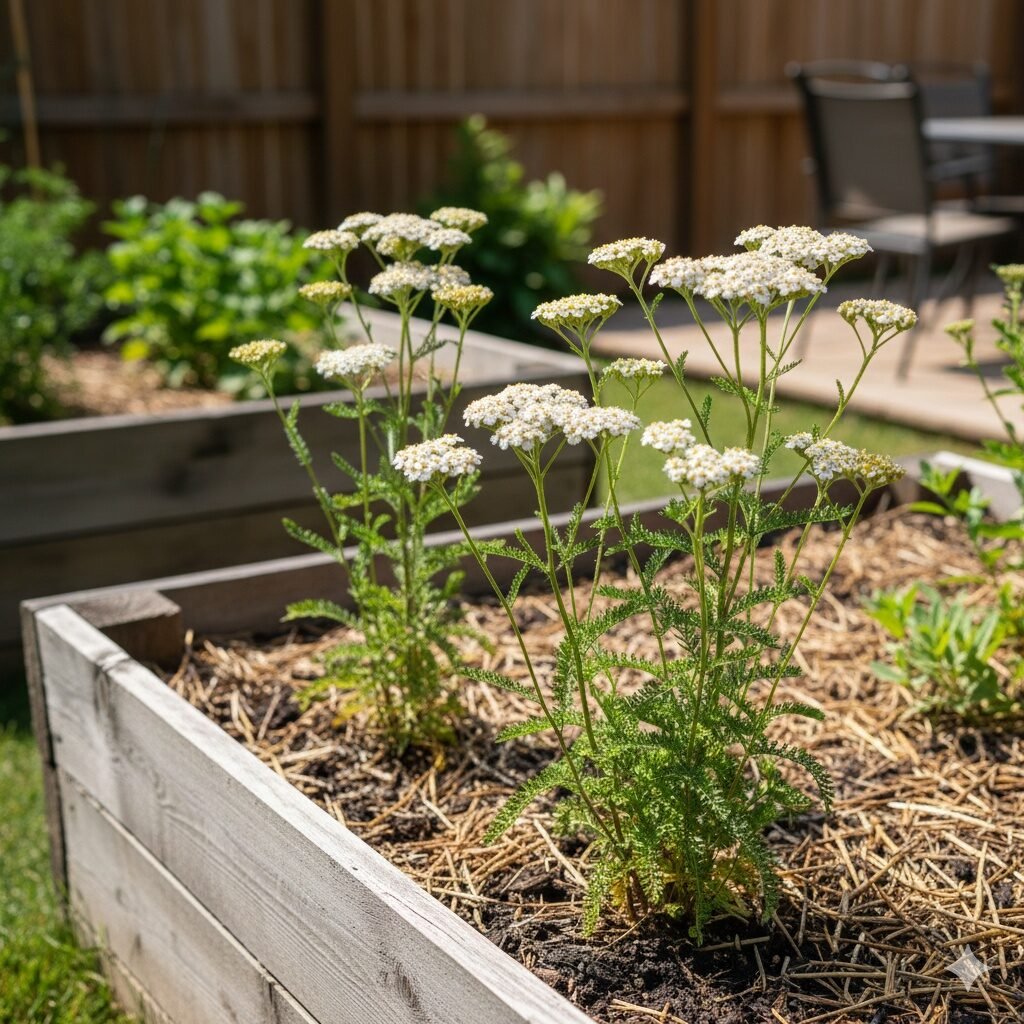
5. Yarrow
So yarrow might look delicate at first glance, yet it handles dry conditions better than many sturdier-looking plants. Once established, its roots grow deep, which helps it find moisture below the surface.
In raised beds, yarrow adds height and flowers without needing frequent watering. It fits best drought tolerant plants for raised garden beds lists since it handles sun, heat, and poor soil without complaining. As a bonus, it attracts pollinators, which adds life to the garden.
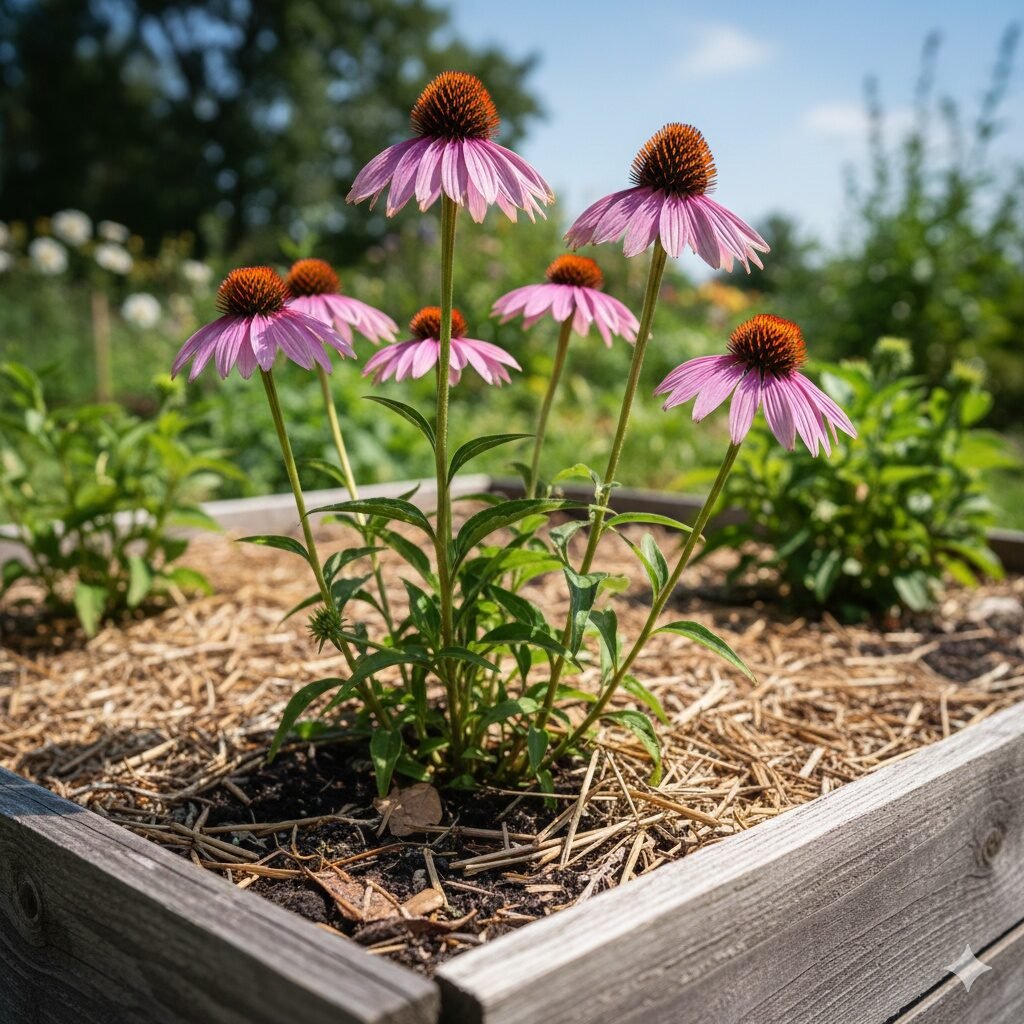
6. Coneflower
Coneflower grows upright and strong, and that growth habit helps it deal with heat and dry soil. In raised beds, its roots slowly dig deeper, which improves its ability to handle limited water.
This plant works well for drought tolerant plants for small gardens since it does not spread too wide. Once established, it returns year after year, making it a dependable choice for gardeners who want long-term results with less effort.

7. Black-Eyed Susan
So black-eyed Susan brings bright color, yet it handles dry conditions better than many flowering plants. It tolerates sun and heat and keeps blooming even when water stays limited.
In raised beds, this plant adds visual interest without demanding daily care. It often shows up on easy drought tolerant plants for beginners lists since it grows well with simple attention and recovers quickly from dry periods.
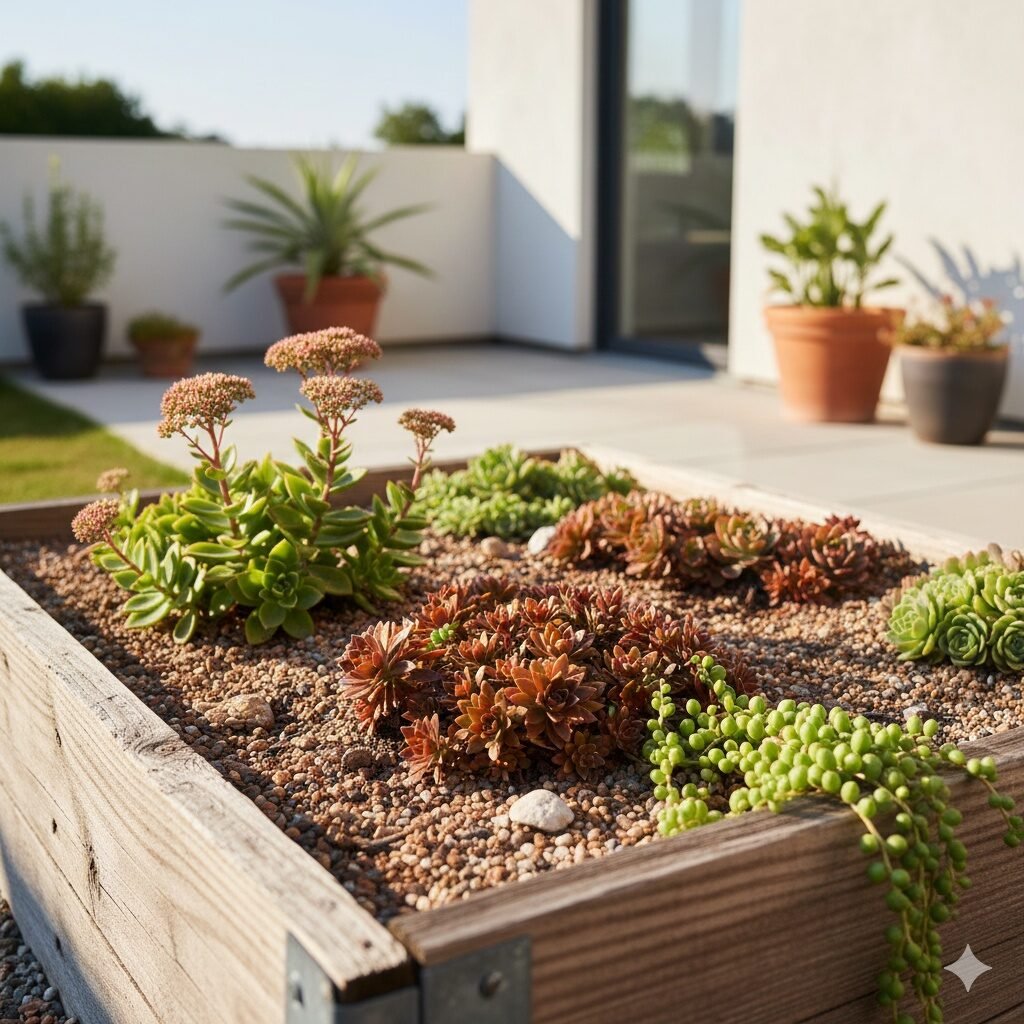
8. Sedum (Stonecrop)
Sedum looks calm even during heat waves, and that calm comes from its thick, water-holding leaves. It stores moisture, which allows it to survive long dry stretches.
This plant stays compact and tidy, making it a good match for drought tolerant plants for small gardens or shallow raised beds. Sedum fits low maintenance plants for raised beds better than most, since it rarely needs trimming or extra water.
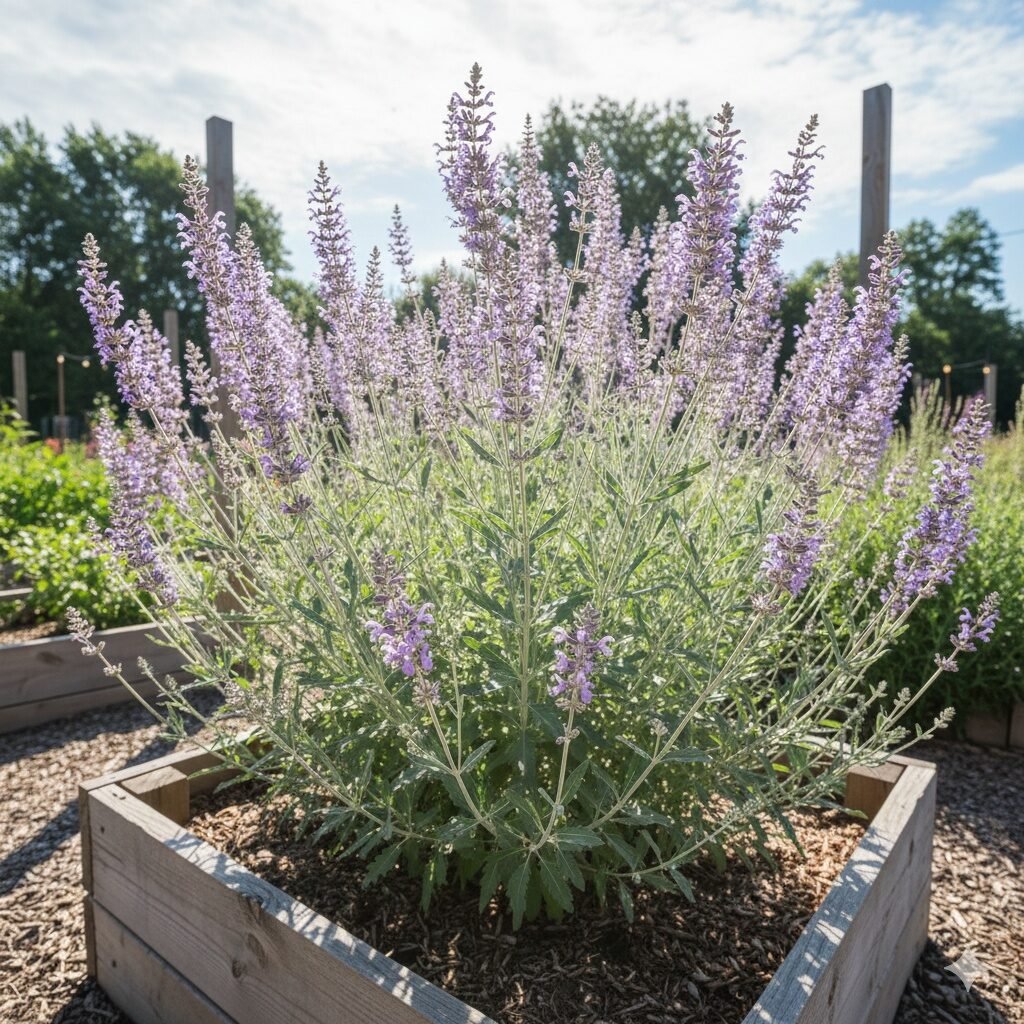
9. Russian Sage
So Russian sage brings height and soft movement to raised beds, yet it prefers dry soil and strong sun. It dislikes wet conditions, which makes raised beds a natural fit.
Once established, Russian sage blooms through hot weather without asking for frequent watering. It belongs among the best drought tolerant plants for raised garden beds since it combines visual interest with low effort.
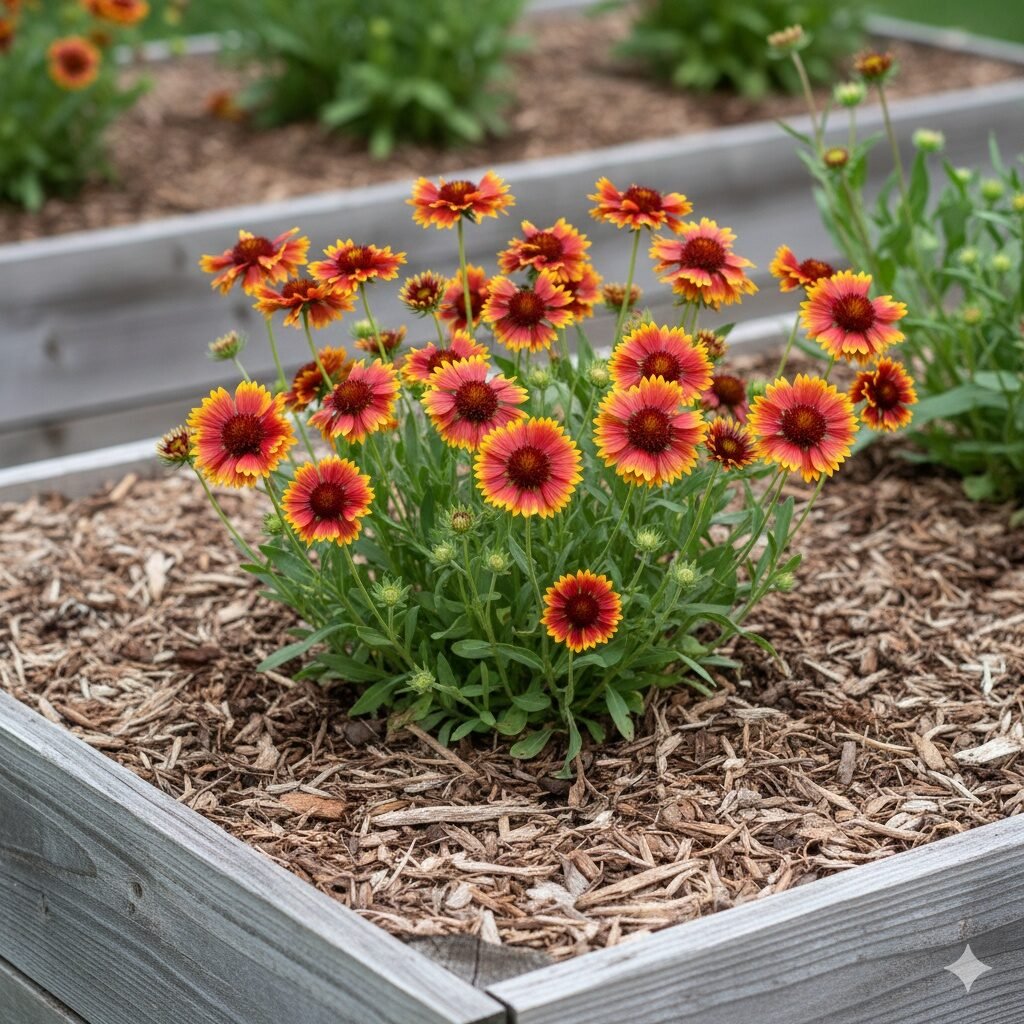
10. Gaillardia (Blanket Flower)
Gaillardia handles sun and heat as if it expects them. It keeps blooming during dry spells and does not need rich soil to perform well.
In raised beds, gaillardia works for drought tolerant plants for small gardens, since it stays compact and easy to manage. Beginners often like it since it grows quickly and tolerates inconsistent watering without failing.
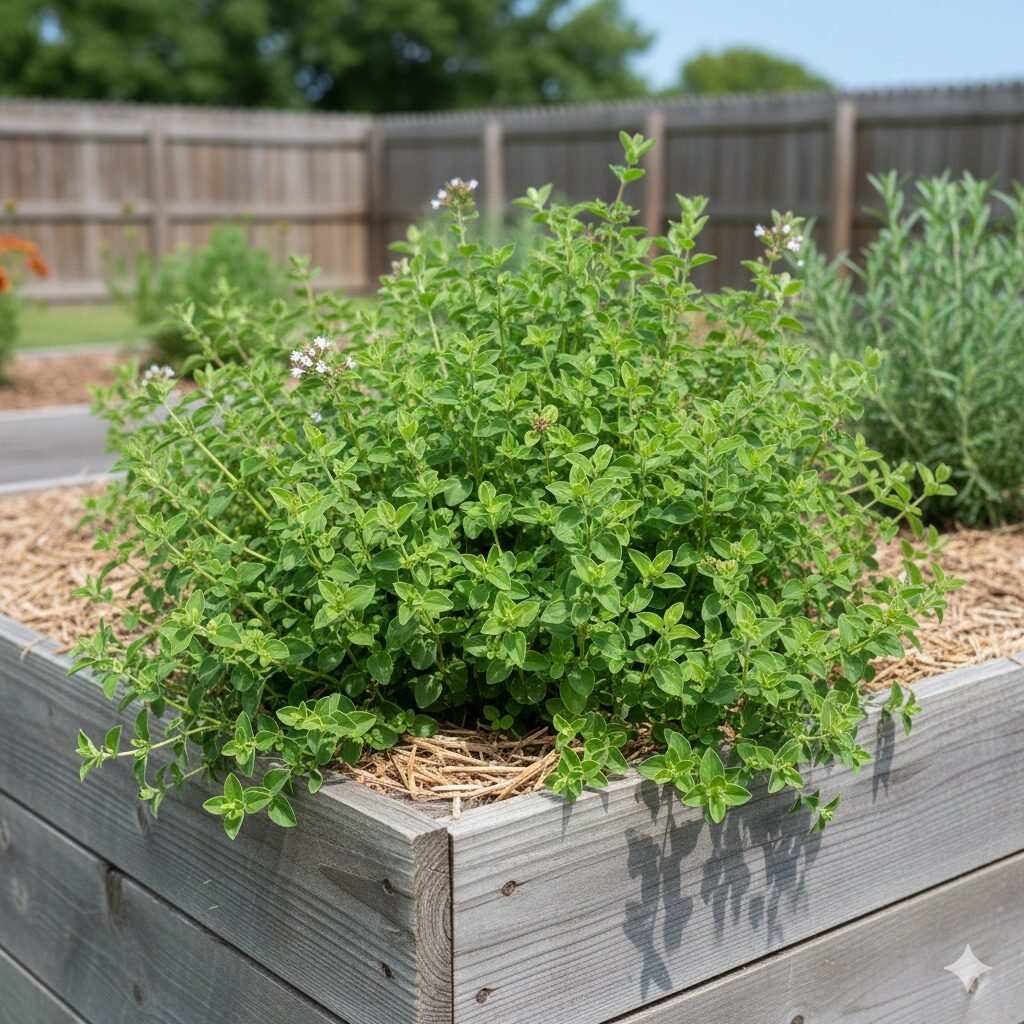
11. Oregano
Oregano grows best when soil stays on the drier side, which suits raised beds perfectly. It spreads slowly and fills gaps without crowding out other plants.
This herb fits low maintenance plants for raised beds well, especially for people who enjoy edible gardens without daily upkeep. Oregano tolerates heat and keeps producing leaves through warm seasons.
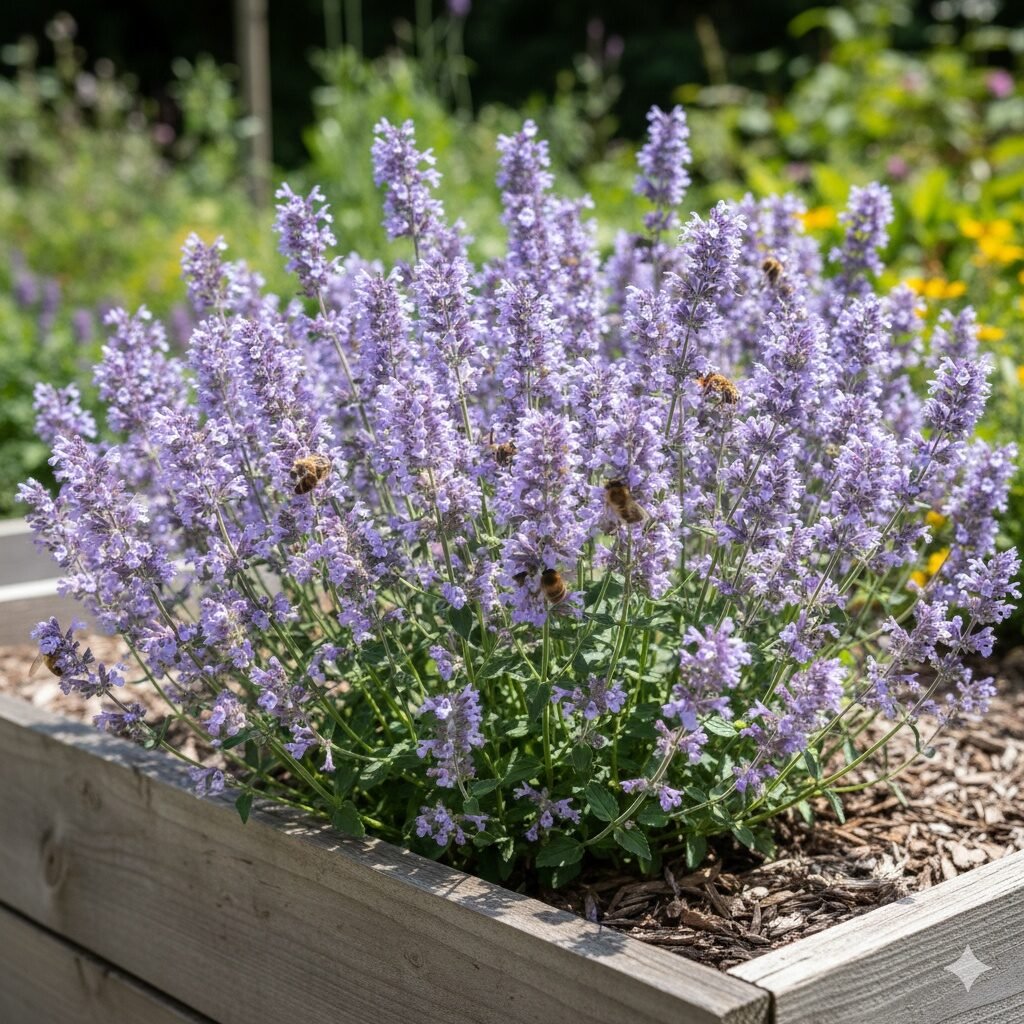
12. Catmint
So catmint looks soft and full, yet it handles dry conditions better than expected. It prefers sun, drains well, and keeps flowering during hot weather.
Once roots settle, catmint needs little water, which places it among raised bed plants that survive heat with ease. It brings color and movement without asking for much in return.
Planting Tips for Dry Raised Beds
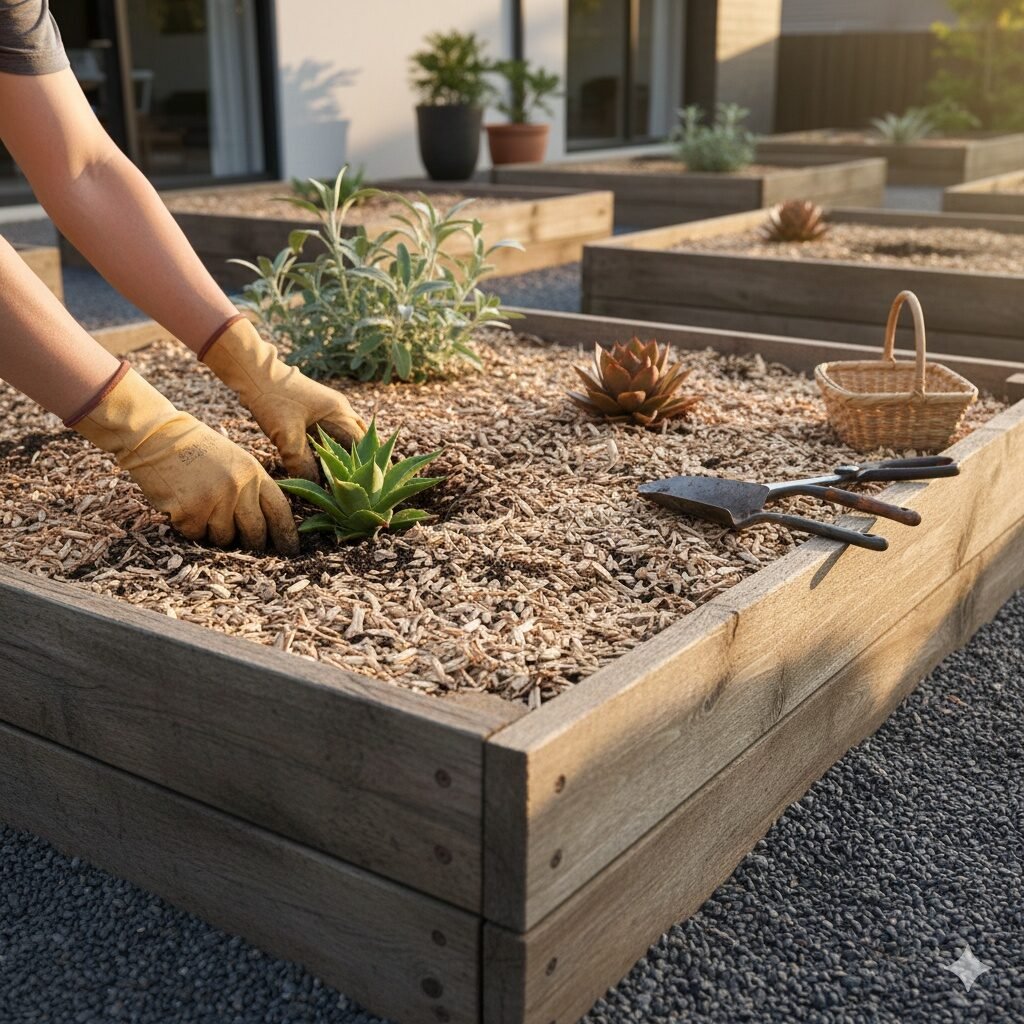
So learning how to plant drought tolerant garden beds starts with soil choice. Raised beds benefit from loose soil that drains well, so mixing compost with coarse material helps water move through instead of pooling.
Spacing matters more than people think, since crowded plants compete for limited moisture. Giving each plant room allows roots to grow deeper, which improves drought tolerance over time. Mulch plays a quiet role too, since it reduces evaporation and keeps soil temperatures more stable during hot days.
Watering deeply but less often trains roots to search downward, and that habit helps plants survive dry spells. Shallow watering keeps roots near the surface, where heat dries soil faster.
Why Raised Beds and Drought-Tolerant Plants Work Together
So raised beds give gardeners control over soil, drainage, and layout, and that control supports low-water planting. Since raised beds warm up early, plants establish roots sooner, which improves their ability to handle heat later.
For small yards or patios, raised beds focus water where it matters, making drought tolerant plants for small gardens easier to manage. When paired with mulch and thoughtful watering, raised beds support strong growth without wasting water.
Frequently Asked Questions
How often should drought-tolerant plants in raised beds be watered?
So this depends a bit on weather and soil, yet most drought-tolerant plants prefer deep watering less often rather than light watering every day. In raised beds, water tends to drain faster, so during very hot weeks, watering once or twice a week usually works better than daily splashes. Once plants settle in, they often need less water than expected.
Can drought-tolerant plants grow well in shallow raised beds?
Yes, many of them can, especially plants like thyme, sedum, oregano, and catmint. These plants do not rely on deep roots right away and adjust well to limited soil depth. For shallow beds, spacing plants properly and adding mulch helps keep moisture from disappearing too fast.
Do drought-tolerant plants still need watering at the start?
So yes, they do need regular watering while getting established. The first few weeks help roots grow deeper and stronger. After that phase, watering can slow down. Skipping water too early can stress young plants, even ones known for handling dry conditions later on.
Is mulch really necessary for low-water raised beds?
In a way, mulch makes everything easier. It keeps soil cooler, slows evaporation, and protects roots during heat waves. Organic mulch like straw or bark works well, and even gravel mulch helps in very dry climates. Without mulch, raised beds tend to dry out much faster.
Can I mix drought-tolerant flowers and herbs in the same raised bed?
Yes, and it often works well. Many herbs and flowers listed here prefer similar conditions, like full sun and well-draining soil. Mixing them creates a fuller look and helps use space wisely, especially for small gardens where every bit of soil matters.
Final Thoughts
So at the end of the day, raised garden beds and drought-tolerant plants tend to support each other in a very natural way. Raised beds drain well and warm up fast, and plants that tolerate heat and lower water levels usually settle in without much resistance. Choosing plants that match these conditions removes a lot of stress from gardening, especially during long, hot summers.
By focusing on plants that forgive missed waterings, spacing them well, and using mulch to protect the soil, a raised bed can stay productive and attractive without constant effort. For beginners, these plants offer confidence, and for experienced gardeners, they offer simplicity. The goal is not to fight the climate, but to work with it, letting plants do what they already know how to do.
I also enjoy sharing high-quality articles from other websites that are truly worth reading. One great example is an article from Epic Gardening titled “Xeriscape Landscaping: A Complete Guide to a Drought-Tolerant Yard,” which offers valuable insights and helps deepen your understanding of drought-tolerant plants and sustainable landscaping.
For a visual guide to complement our list, check out this video showing 20 of the best drought-tolerant plants that thrive in low-water conditions. Perfect for raised garden beds, these picks make watering less of a chore while keeping your garden lush and healthy!