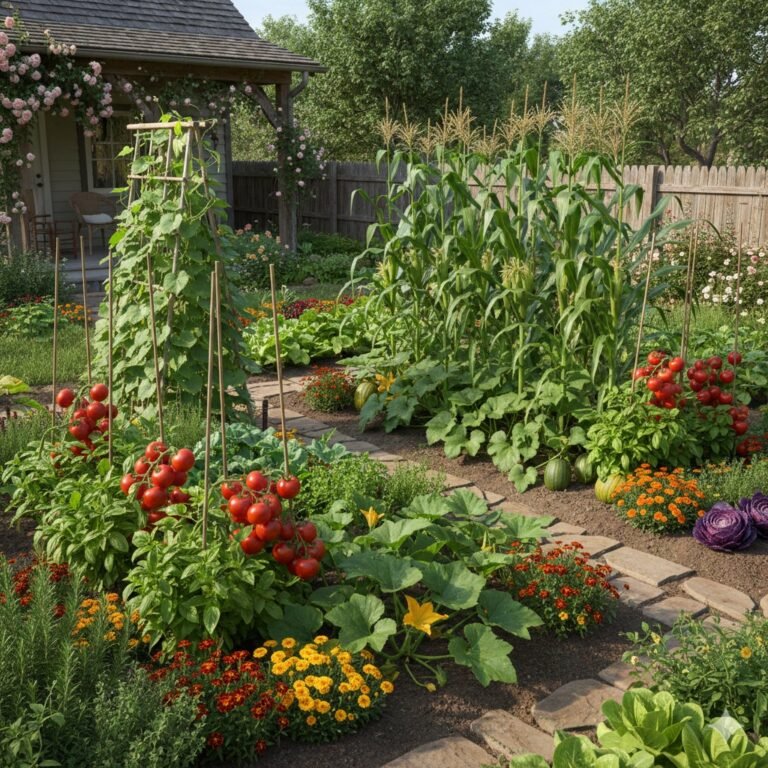


Growing mushrooms at home is, honestly, one of those hobbies that feels a bit like magic. You start with a bag of sawdust or straw, keep it damp, and after a few days, little white pins push out of nowhere. And suddenly — boom — you’ve got fresh, earthy mushrooms that taste way better than anything from the store.
It’s not just about flavour either. Mushrooms tend to be packed with nutrients, they’re light on the stomach, and for folks who enjoy gardening, they bring a nice change of pace. You don’t even need much space — a small corner, a shady shelf, or even an old plastic box can turn into a little mushroom farm.
So, in this guide, we’ll walk through the 10 best mushrooms you can grow at home, especially if you’re a beginner. We’ll also talk a bit about how to grow mushrooms at home, what setup works best indoors or outdoors, and how to fix those pesky problems that might pop up.
Before You Begin: The Basics of Home Mushroom Growing
Ok, so before you jump in, there are a few things you should keep in mind. Mushrooms are kind of weird compared to plants — they don’t have leaves, roots, or stems in the usual sense. They don’t even need sunlight to grow since they don’t photosynthesize. Instead, they feed on organic matter like straw, wood chips, or sawdust.
You’ll usually need three main things:
- A good substrate — the material mushrooms grow on (straw, coffee grounds, sawdust, logs).
- Proper humidity — mushrooms love damp, misty air.
- Fresh airflow — they like oxygen but not strong wind.
Cleanliness matters a lot too. Any dirt or mold spores can mess things up fast. So, keep your setup clean and handle your growing materials with washed hands or gloves.
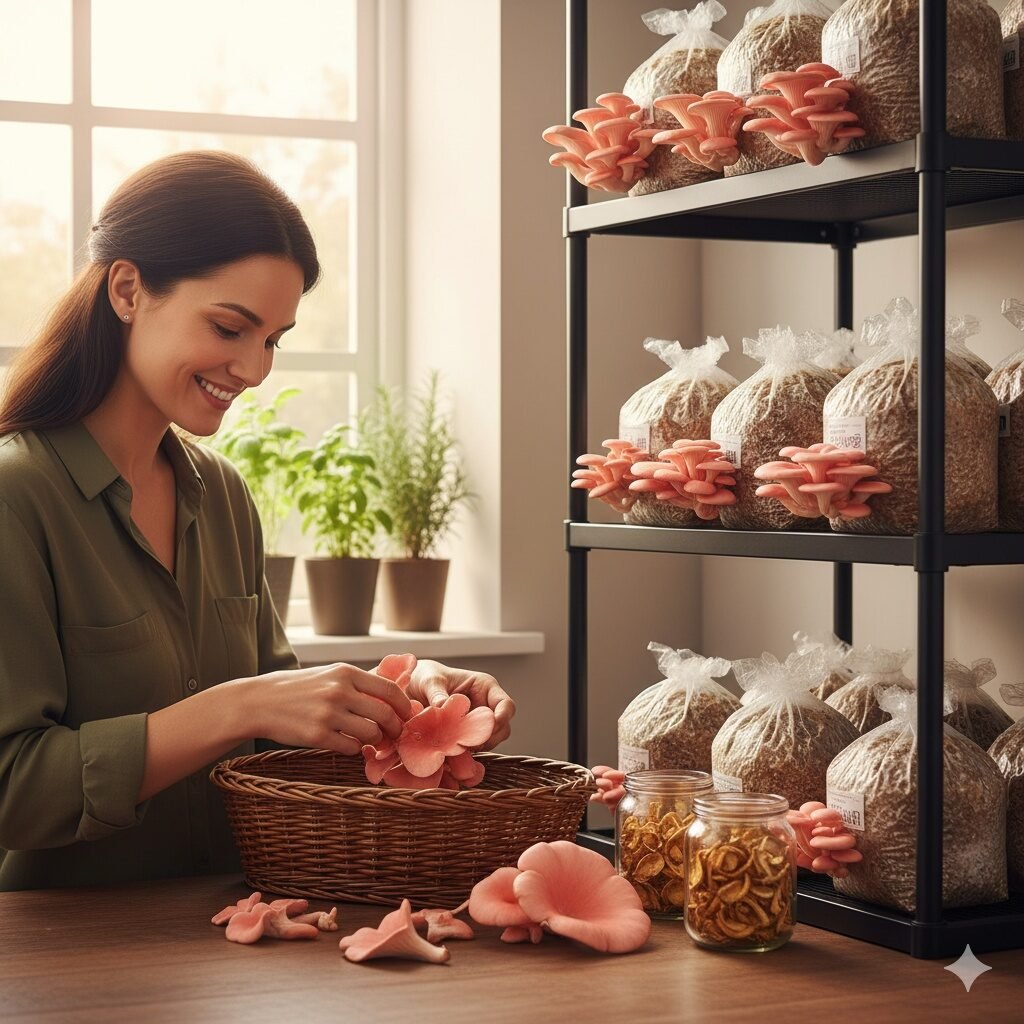
If this sounds a bit complicated, don’t worry. There are beginner mushroom grow kits you can buy online that come ready to fruit — you just mist them every day. Once you get comfortable, you can move to DIY setups.
How to Choose the Best Mushrooms to Grow at Home
There are hundreds of edible mushrooms out there, but some are way easier to manage than others. The best mushrooms for home growing usually check these boxes:
- They’re beginner-friendly and don’t need strict conditions.
- They grow fast — less waiting, more eating.
- They don’t need a lot of space — perfect for indoor mushroom growing.
- They taste great and work in many dishes.
So, let’s get into the fun part — the actual mushrooms!
The 10 Best Mushrooms You Can Grow at Home
1. Oyster Mushroom (Pleurotus spp.)
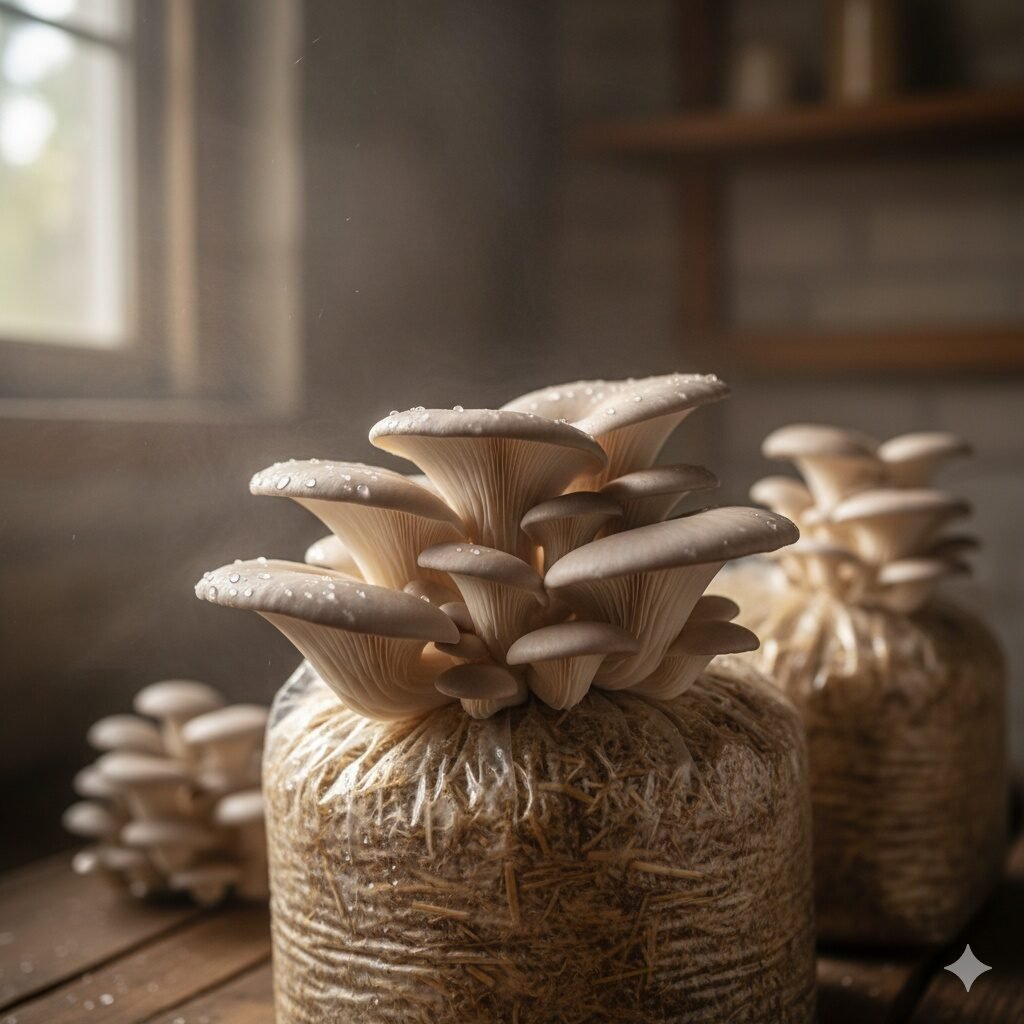
If you’re new to this, oyster mushrooms are a dream start. They grow like crazy, handle different temperatures, and pop up in just 2–3 weeks. You can use coffee grounds, straw, or even cardboard as the base.
They have a delicate texture with a slightly sweet flavour that goes beautifully in stir-fries or soups. For beginners searching how to grow mushrooms at home for beginners, oyster mushrooms are the top pick.
2. Shiitake Mushroom (Lentinula edodes)
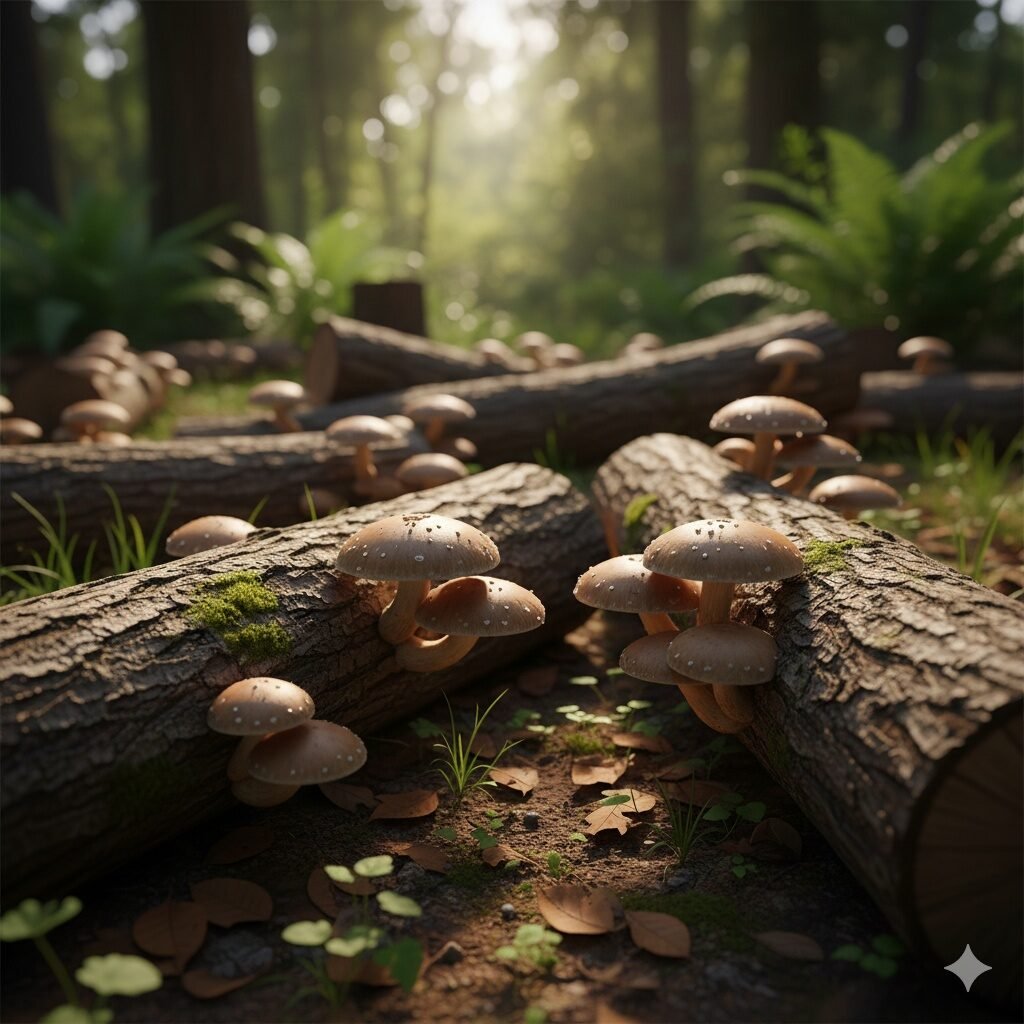
Shiitakes might take a bit more patience, but they’re totally worth it. They grow best on hardwood logs or sawdust blocks. The flavour is deep and meaty — perfect for noodles, broths, and sauces.
You can keep your logs outdoors in a shaded area, or set up small sawdust bags indoors. Once they start, they’ll fruit multiple times a year.
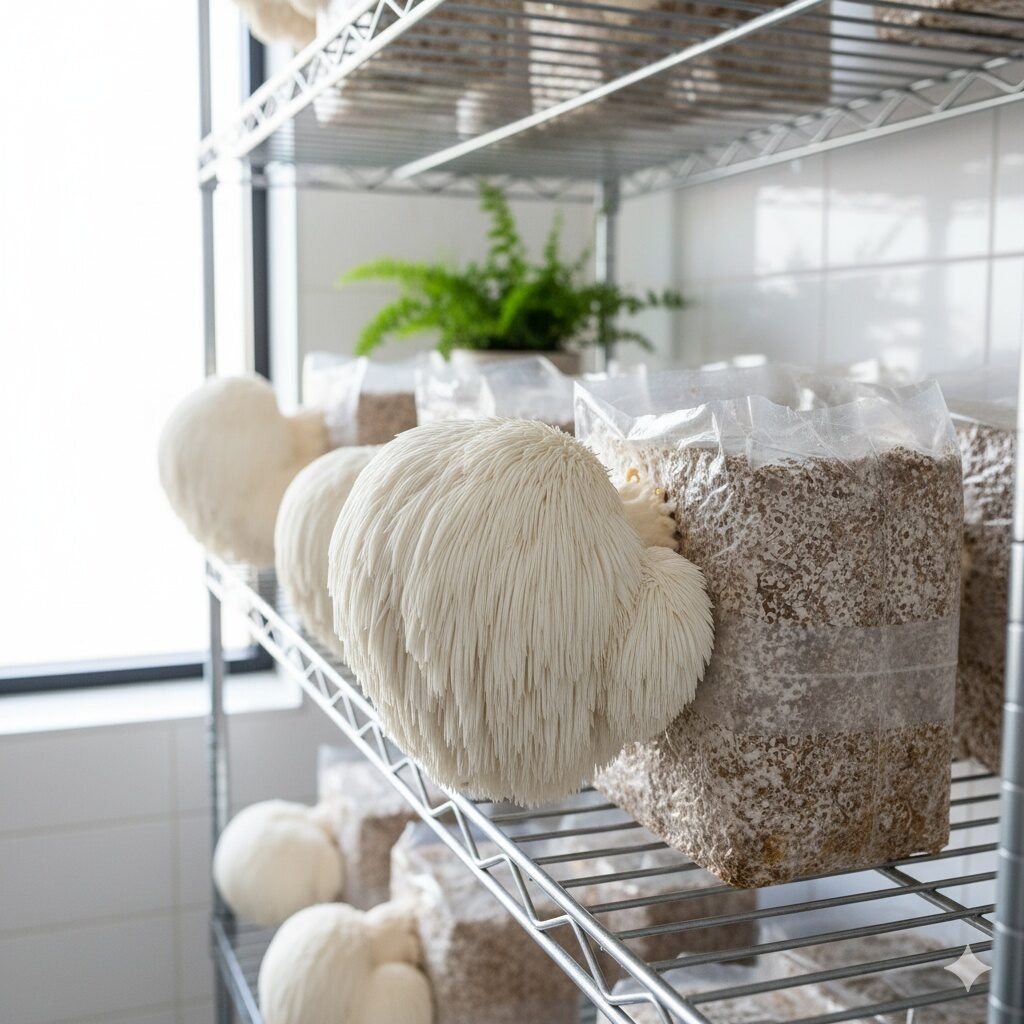
3. Lion’s Mane Mushroom (Hericium erinaceus)
This one looks like something from another planet — all white, shaggy, and soft like coral. It’s a bit of a show-off mushroom that loves cooler temperatures.
Lion’s Mane is known for its brain-boosting qualities and a texture that kind of reminds people of crab or lobster. It’s perfect for indoor mushroom growing since it doesn’t need sunlight and does well in small spaces.
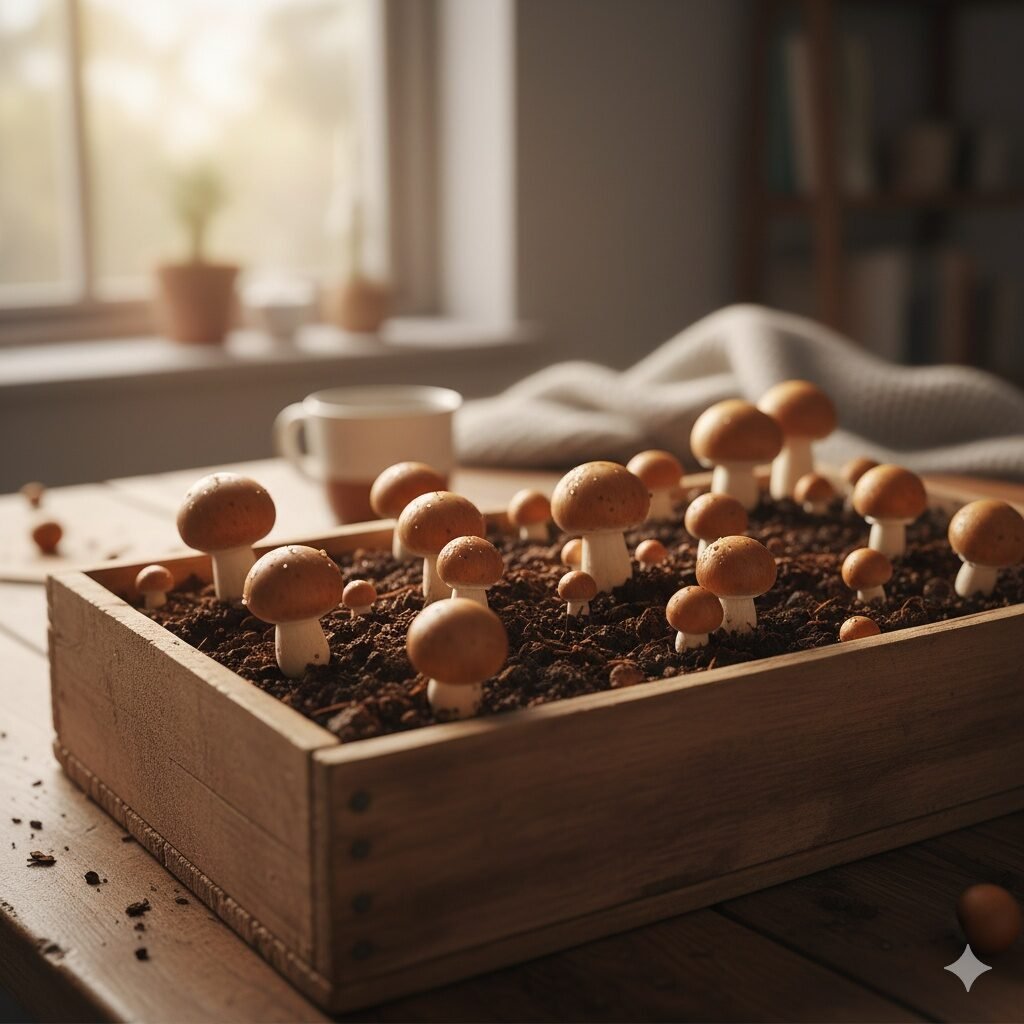
4. Cremini Mushroom (Agaricus bisporus)
Cremini mushrooms are basically the younger version of portobello mushrooms. They grow easily on composted manure or soil-based substrates.
They’re mild, earthy, and super versatile — ideal for omelettes, pastas, or pizza toppings. These mushrooms tend to be forgiving even if humidity or temperature fluctuate a little.
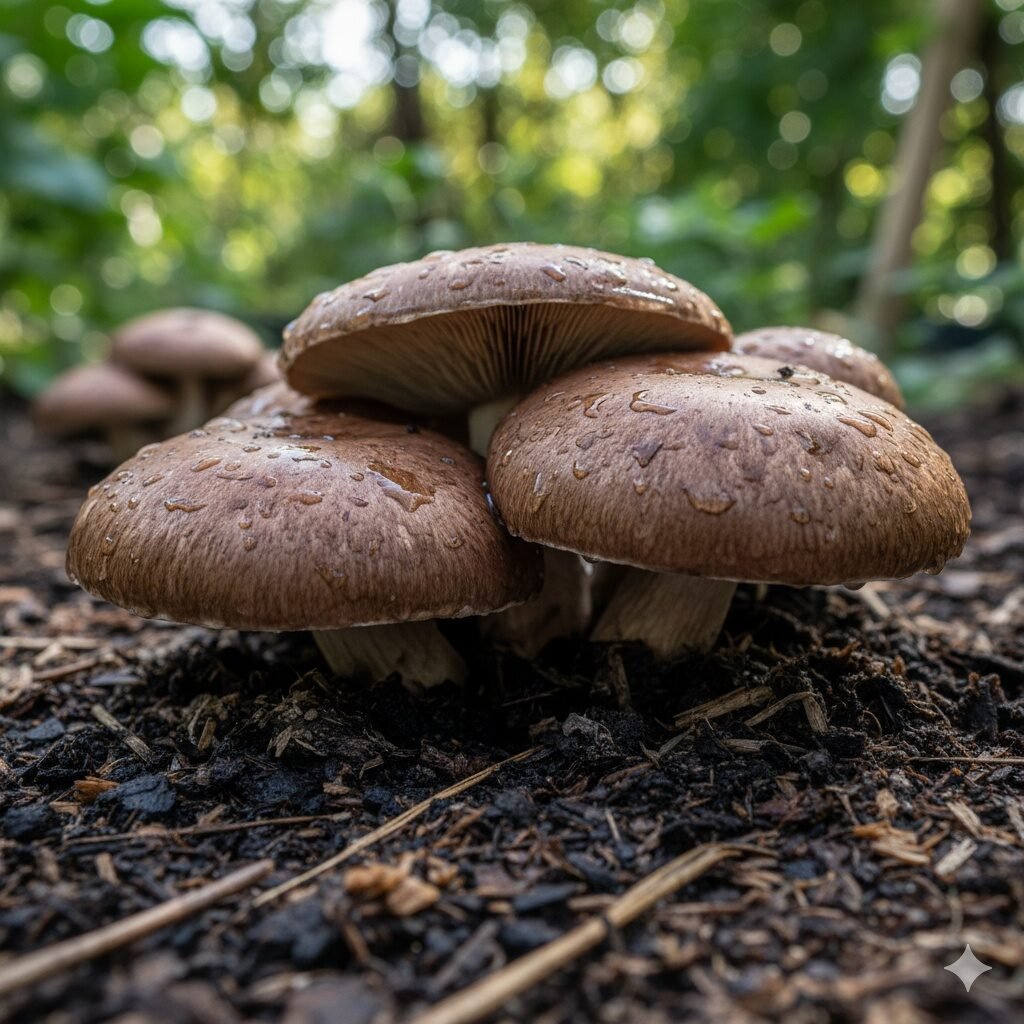
5. Portobello Mushroom
Like we said, portobellos are mature creminis. They take a little longer to develop but give large, meaty caps. Many home growers like them because one flush gives you big yields that feel rewarding.
These are fantastic for grilling or stuffing. If you’re running a small indoor setup in USA or anywhere with warm weather, portobellos can handle it quite well.
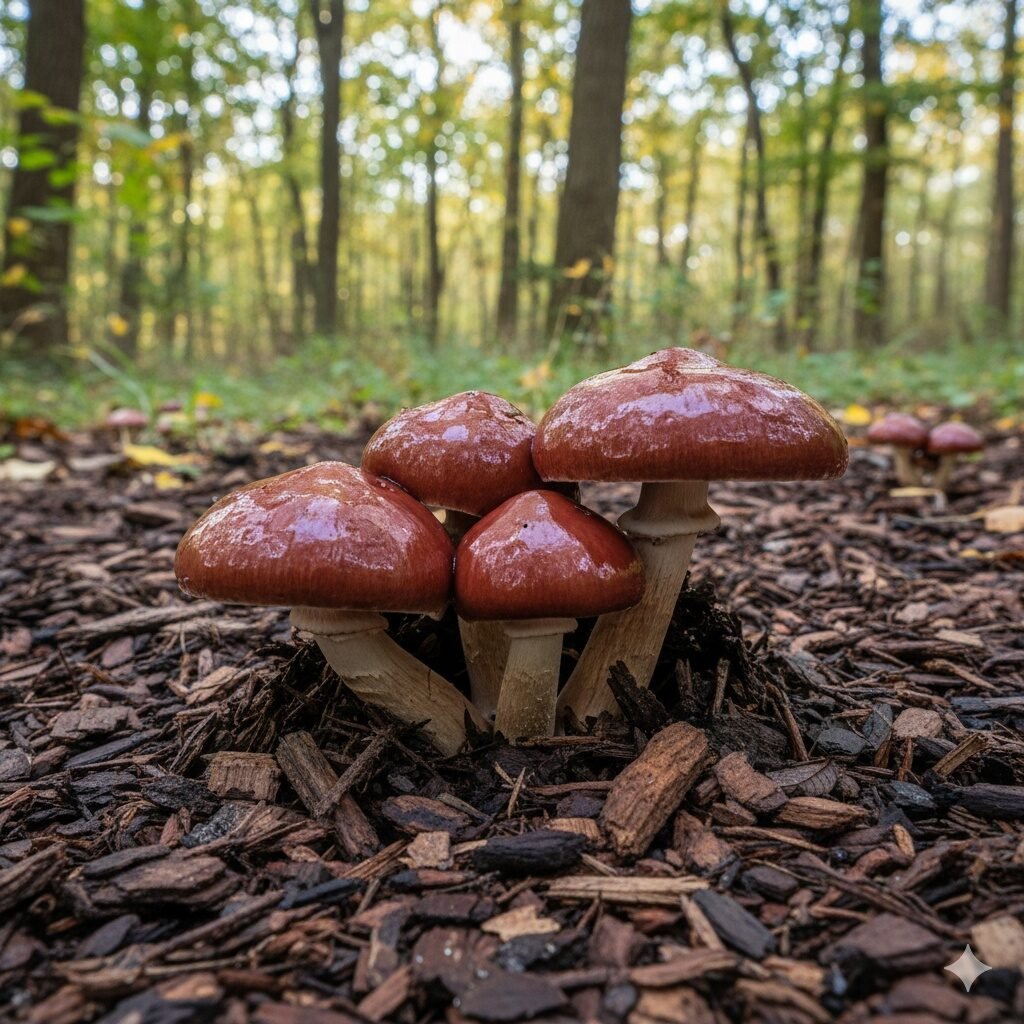
6. Wine Cap Mushroom (Stropharia rugosoannulata)
Now, if you have a bit of outdoor space, wine caps are perfect. They’re sometimes called garden giants because they can get huge. You can grow them in shaded garden beds, wood chips, or straw mulch.
They help your soil, control pests, and reward you with plump, reddish-brown caps that taste nutty. In tropical climates, this one thrives outdoors.
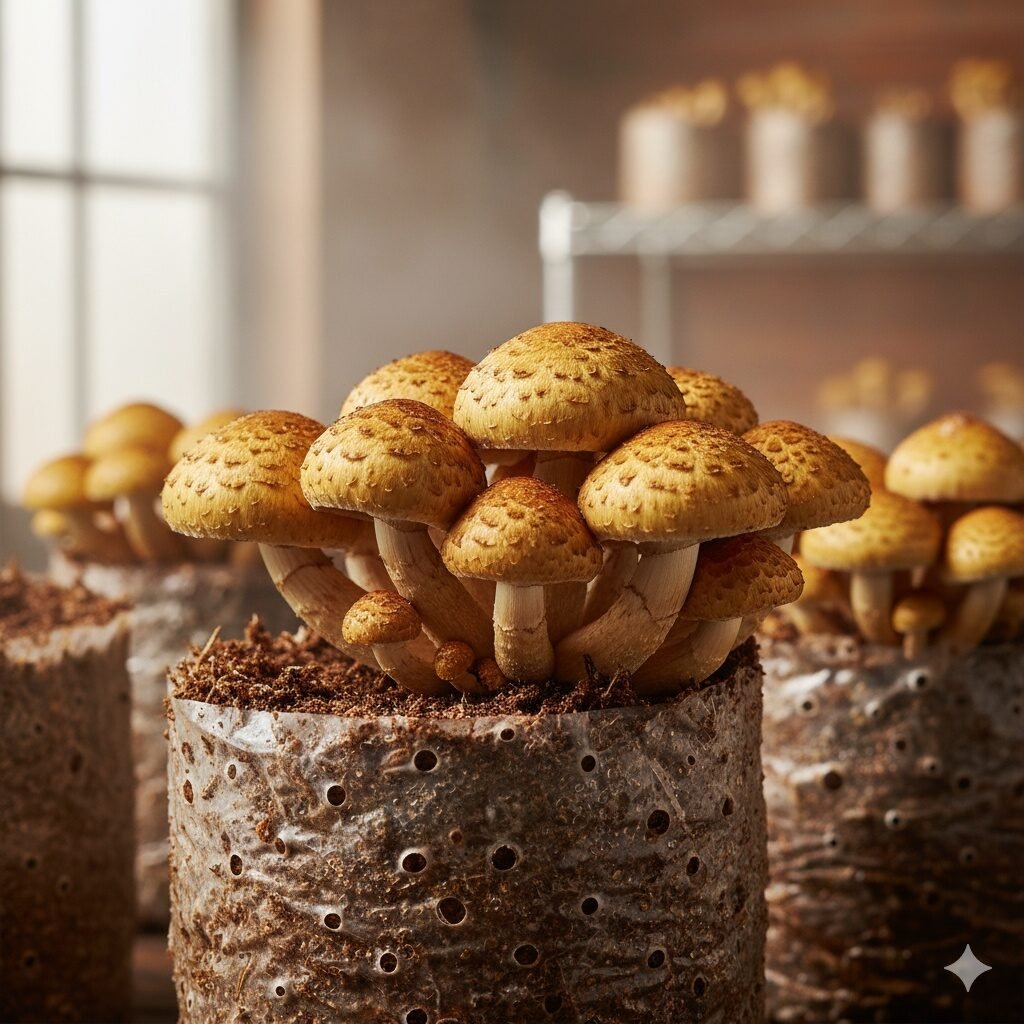
7. Chestnut Mushroom (Pholiota adiposa)
Chestnut mushrooms are slightly trickier, but not impossible. They grow best on supplemented sawdust blocks and give a nice crunchy texture when cooked.
They’ve got this golden-brown look and a rich, nutty flavour that feels fancy without much effort. Just keep humidity steady — they can be a little sensitive to dryness.
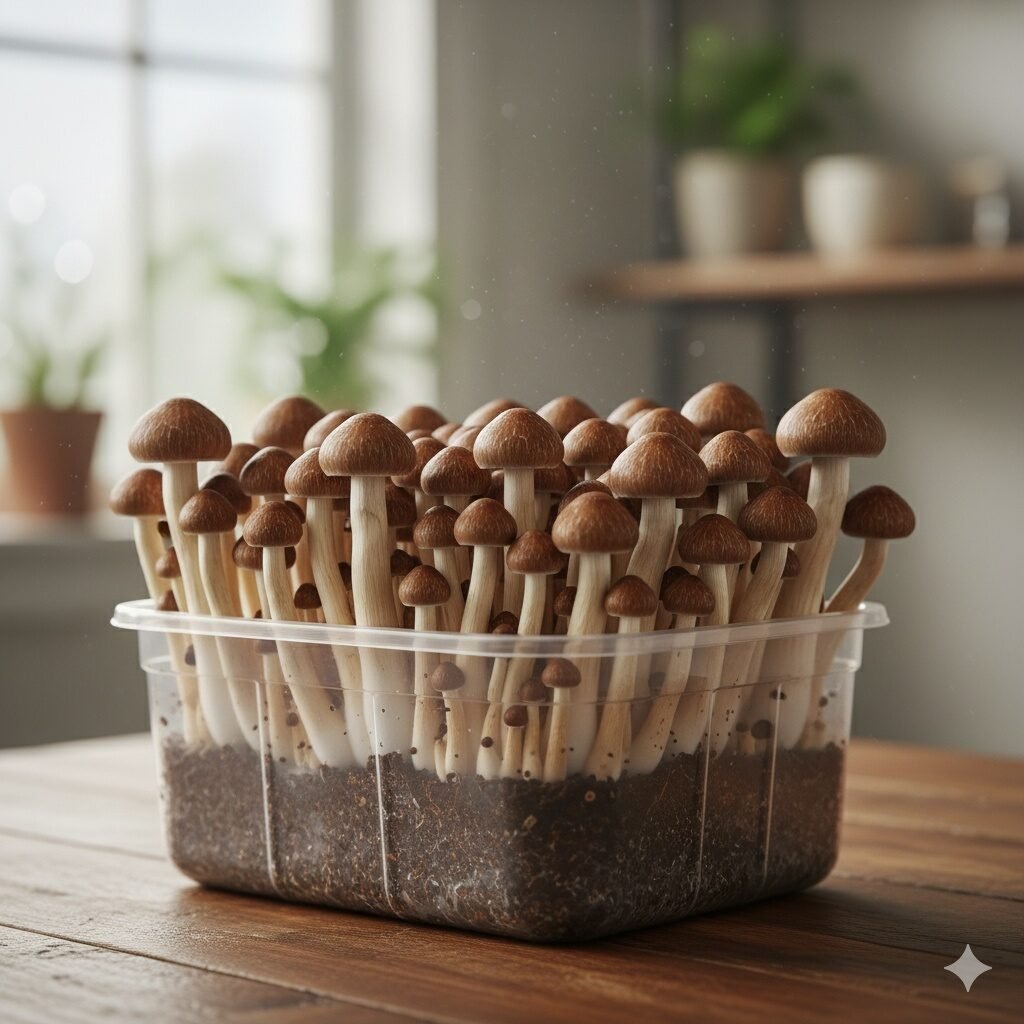
8. Pioppino Mushroom (Agrocybe aegerita)
These mushrooms have long stems and dark brown caps, giving them an elegant look. They grow fast in bags or containers and love sawdust or straw.
Their flavour is mild, slightly nutty, and goes well in stir-fry or risotto. They’re great if you don’t have much space since they’re compact.
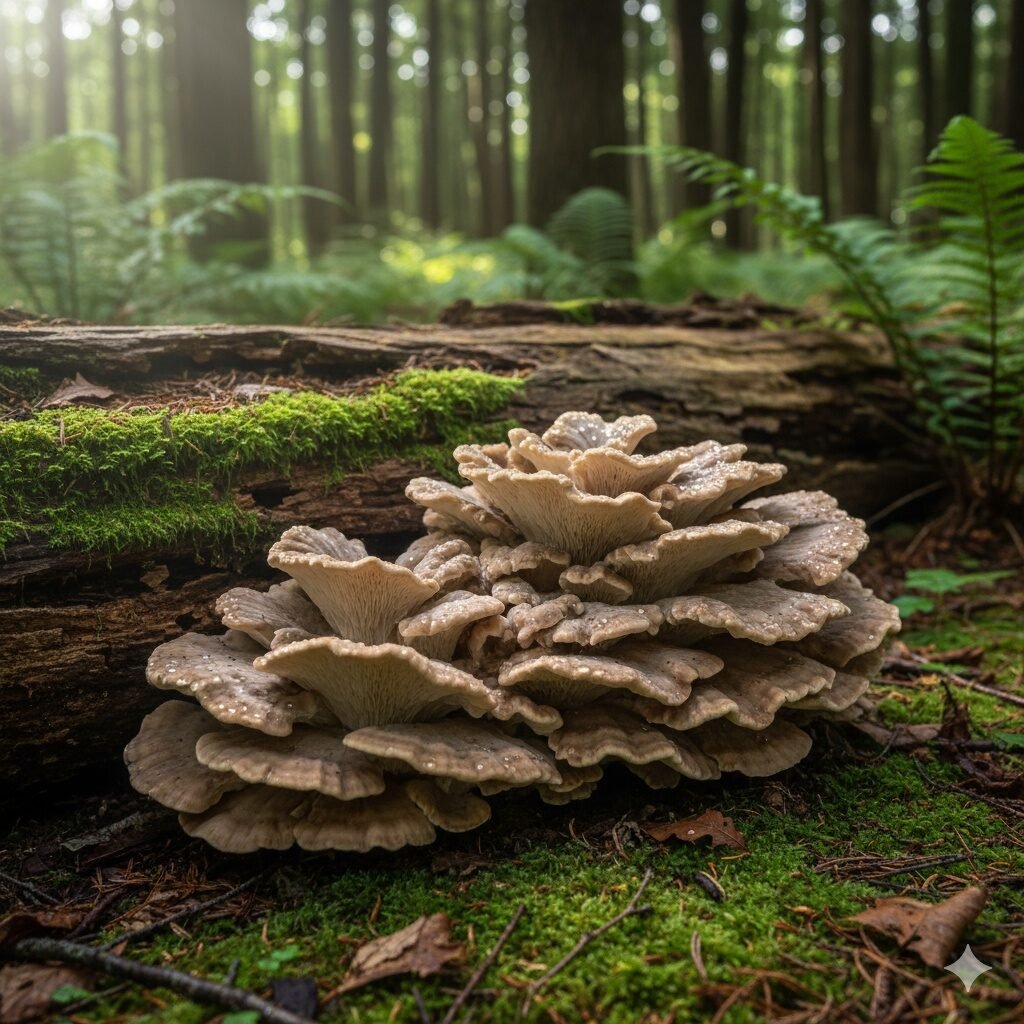
9. Hen of the Woods (Grifola frondosa)
This one’s also known as maitake. It usually grows at the base of oak trees and produces beautiful fan-shaped clusters. You can cultivate it on logs or sawdust blocks indoors.
Hen of the Woods has an earthy, woodsy flavour and a chewy bite. It’s a bit slower to grow, but the result is worth the patience.
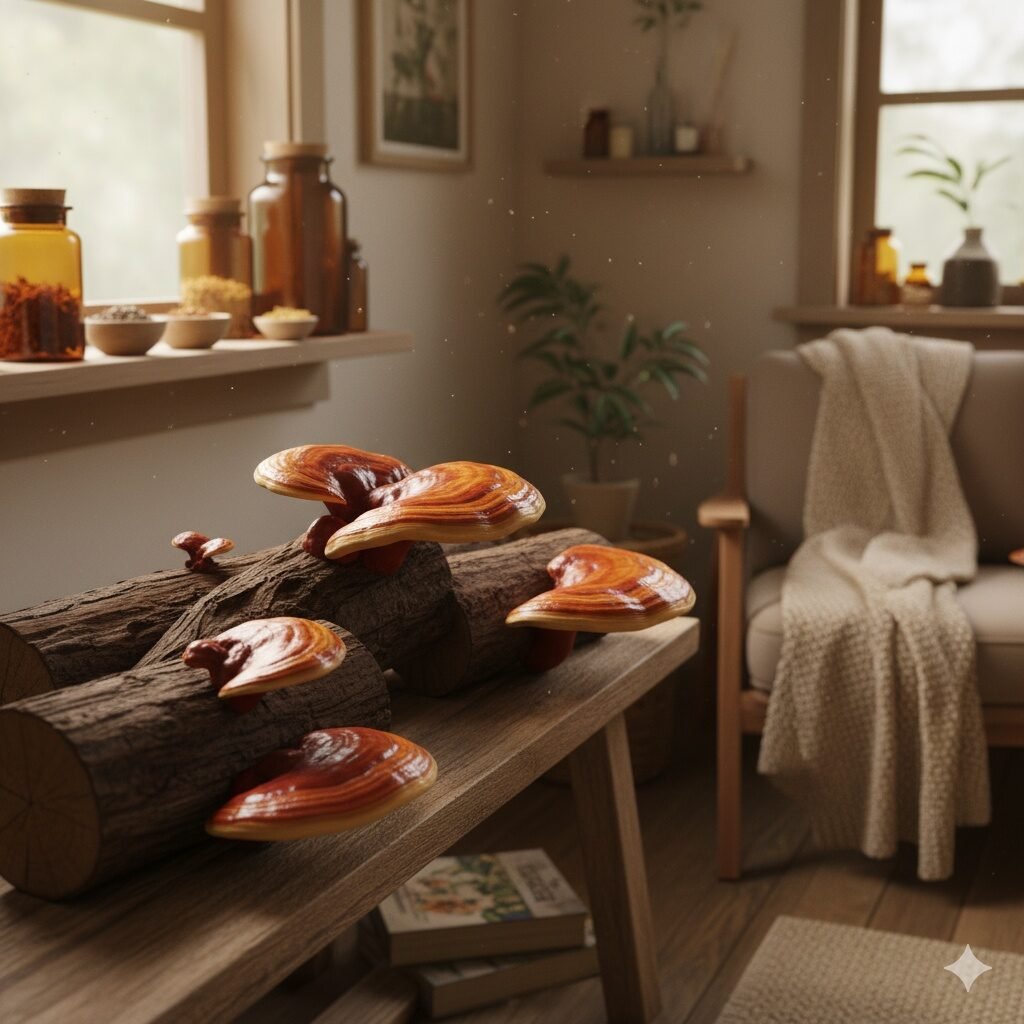
10. Reishi Mushroom (Ganoderma lucidum)
Reishi isn’t for eating fresh — it’s a medicinal mushroom often used in teas or extracts. It’s more advanced but still doable at home if you like a challenge.
It grows on sawdust blocks or logs and forms shiny, lacquered caps that look almost unreal. Once dried, it’s great for immune-boosting tonics.
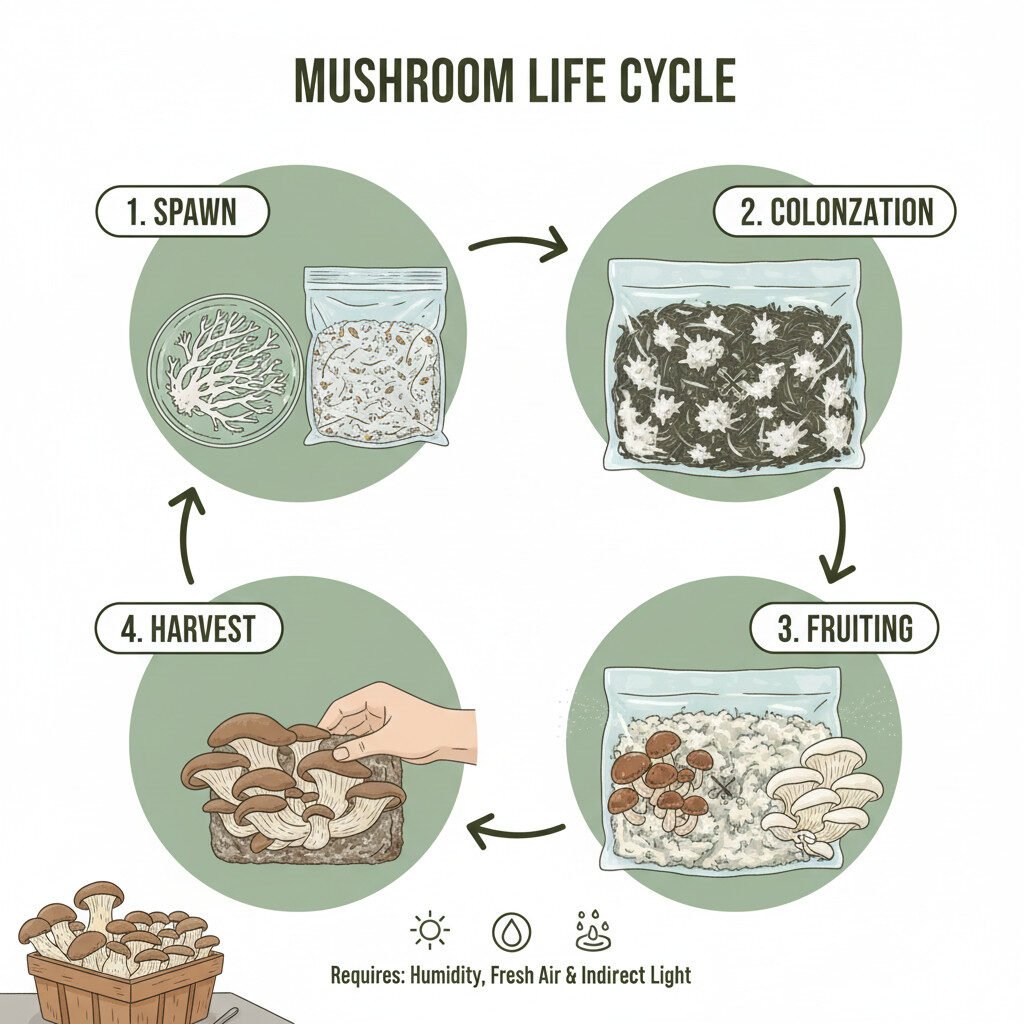
Step-by-Step Guide to Growing Mushrooms at Home
Now that we’ve covered which mushrooms to try, let’s break down how to actually grow them.
- Pick your space – A shady corner, basement, or shaded balcony is fine.
- Choose your spawn – This is like the seed for mushrooms. You can get it online or from local suppliers.
- Pick your substrate – Straw, sawdust, logs, or coffee grounds.
- Inoculate – Mix the spawn into the substrate and pack it into bags or containers.
- Incubate – Keep it warm and dark while the white mycelium spreads.
- Fruiting – Once the block turns white, open it to fresh air and mist daily.
- Harvest – Pick mushrooms when caps open up but before they release spores.
- Repeat – Some varieties give multiple flushes, so keep misting after harvest.
To know more about Growing Mushrooms at Home, please explore Here.
Common Problems & Fixes
Sometimes things go sideways, but it’s part of the fun. Here’s what to watch out for:
- Contamination or mould – Usually from dirty hands or tools. Keep it clean.
- Too dry substrate – Mist more often or cover with a plastic dome.
- Poor yields – Temperature or humidity might be off. Adjust ventilation.
- Slow fruiting – Be patient; some species just take their time.
If you mess up, don’t stress. Every failed batch teaches you something new.
Cooking & Using Your Home-Grown Mushrooms
The best part about growing mushrooms is, obviously, eating them. Oyster mushrooms crisp up beautifully when pan-fried. Shiitakes bring deep flavour to soups. Lion’s Mane makes an amazing mock crab cake.
Here are a few quick ideas:
- Stir-fried oyster mushrooms with garlic and chili
- Shiitake miso soup
- Lion’s Mane “crab” sandwiches
- Grilled portobello burgers
- Creamy cremini pasta
- Dried reishi tea for wellness
Store your mushrooms in paper bags in the fridge, or dry them for later. Some folks even freeze them after blanching.
Ready to Try It?
Growing mushrooms at home is simpler than it looks. Start with an easy one like oyster or cremini, and once you get the hang of it, move on to shiitake or lion’s mane.
If you’re in Bangladesh or somewhere tropical, look for spawn suppliers nearby — many local growers sell starter kits. Once you see those first mushrooms pop, you’ll be hooked.
Now, go grab your beginner mushroom grow kit and start your home mushroom growing adventure.
If you would like to know more about Mushrooms Supplies, This article will help you.
Curious about how easy and rewarding home-mushroom cultivation can be? Check out this clear, step-by-step video on how to grow mushrooms right in a simple bucket setup. Whether you’re a complete beginner or have dabbled in indoor gardening already, this demonstration is packed with ingenious tips—from selecting the right substrate material, managing the ideal humidity and temperature, to harvesting your very first flush. This visual guide is a perfect warm-up before diving into the “10 Best Mushrooms You Can Grow at Home” and will give you practical context for the growing-and-harvesting techniques we’ll explore in the article.